Sustainable solutions for municipalities
Municipalities play a key role in creating a circular economy. By introducing certified compostable bags, cities can make it easier for residents to sort food waste and support cleaner organic waste collection. When collected and treated correctly, food waste can be used to produce valuable compost or biogas.
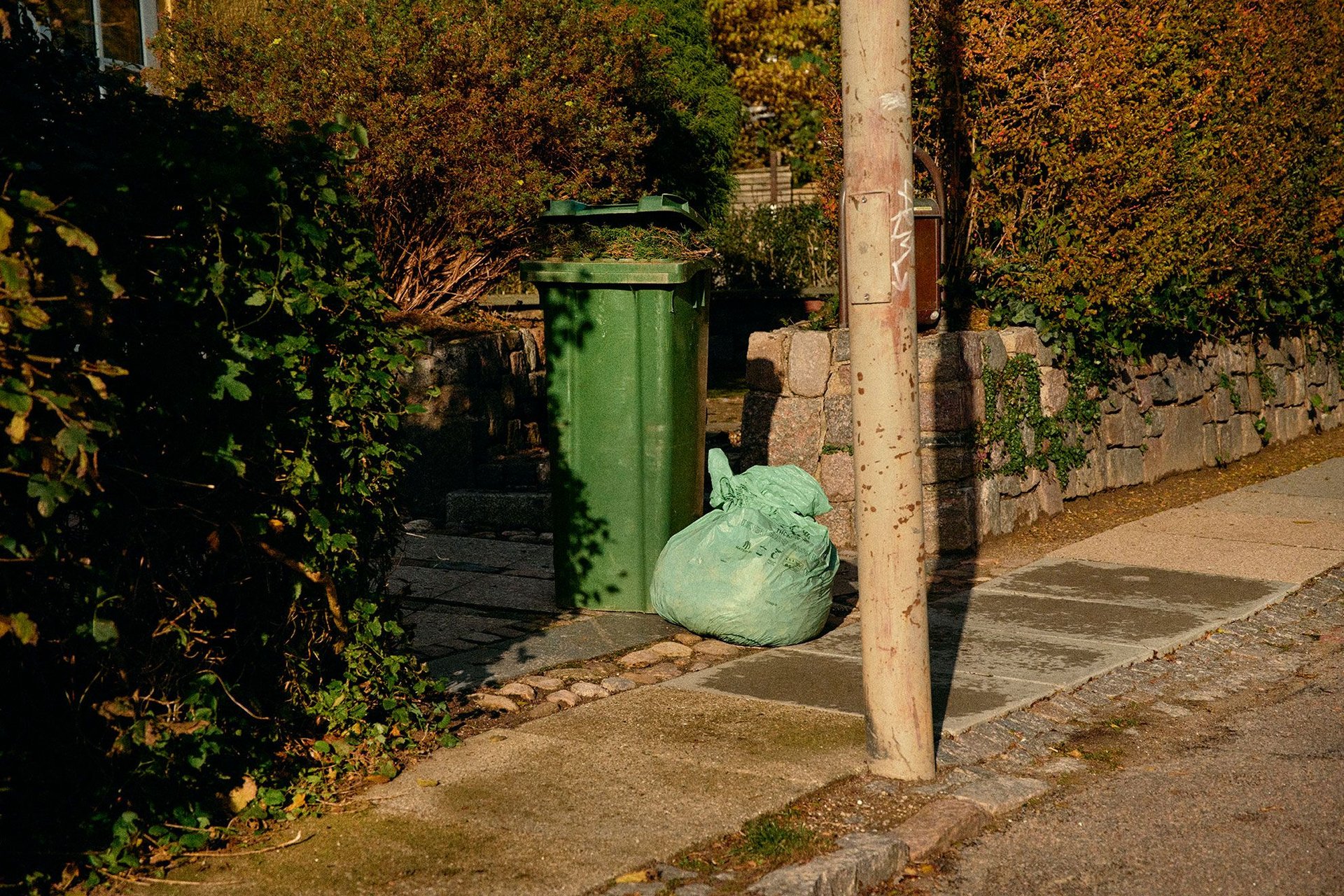


Switching to Biobag can bring practical benefits to your municipality.
Compostable bags make organic waste collection easier and cleaner, helping municipalities reduce contamination, avoid persistent microplastic pollution, and return valuable resources to the circular economy.

American production
Produced in California, Biobags minimize transport emissions, support domestic manufacturing and ensure the highest quality bags for end users.
Weight reduction
Biobags are breathable, allowing moisture to evaporate and reducing overall waste weight, saving on transport and handling costs.
Keep persistent microplastics out of fields
Certified fully compostable, Biobags break down completely without leaving persistent microplastics behind, supporting cleaner compost and healthier soil.
Achieve a cleaner waste streams
Compostable bags can make food waste sorting easier and support cleaner collection, with less conventional plastic contamination.

Recover energy and nutrients
When collected and treated correctly, food waste can produce biogas or nutrient rich compost, keeping valuable resources in use.
Customized Solutions
We offer custom bags and outreach pieces to promote your program and engage with your residents and businesses
Compostable solutions that support municipal organic waste collection.
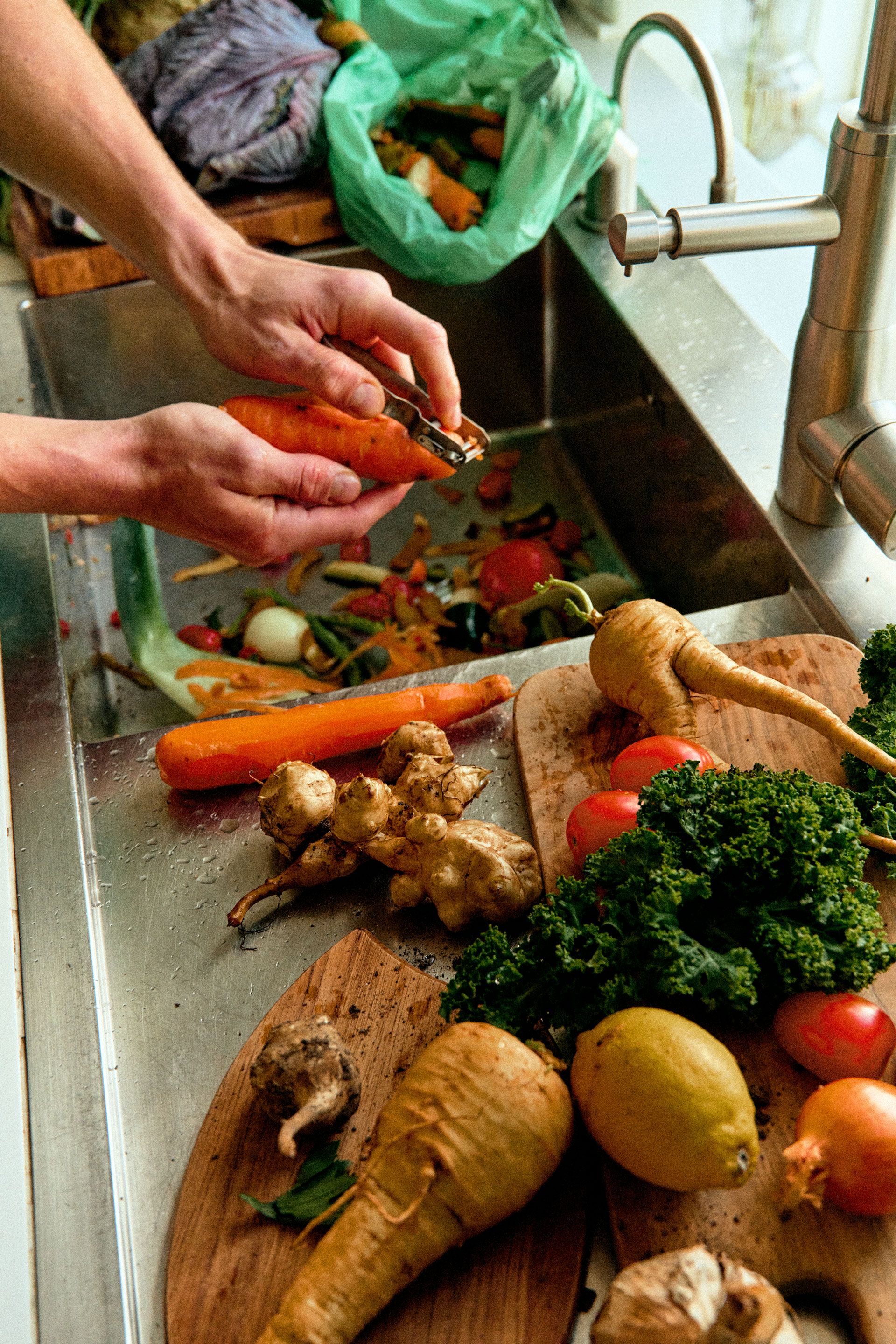
Household Food Scrap bags
Biobag’s small food scrap liners are certified compostable waste bags designed for organic waste in kitchens and small food waste bins.
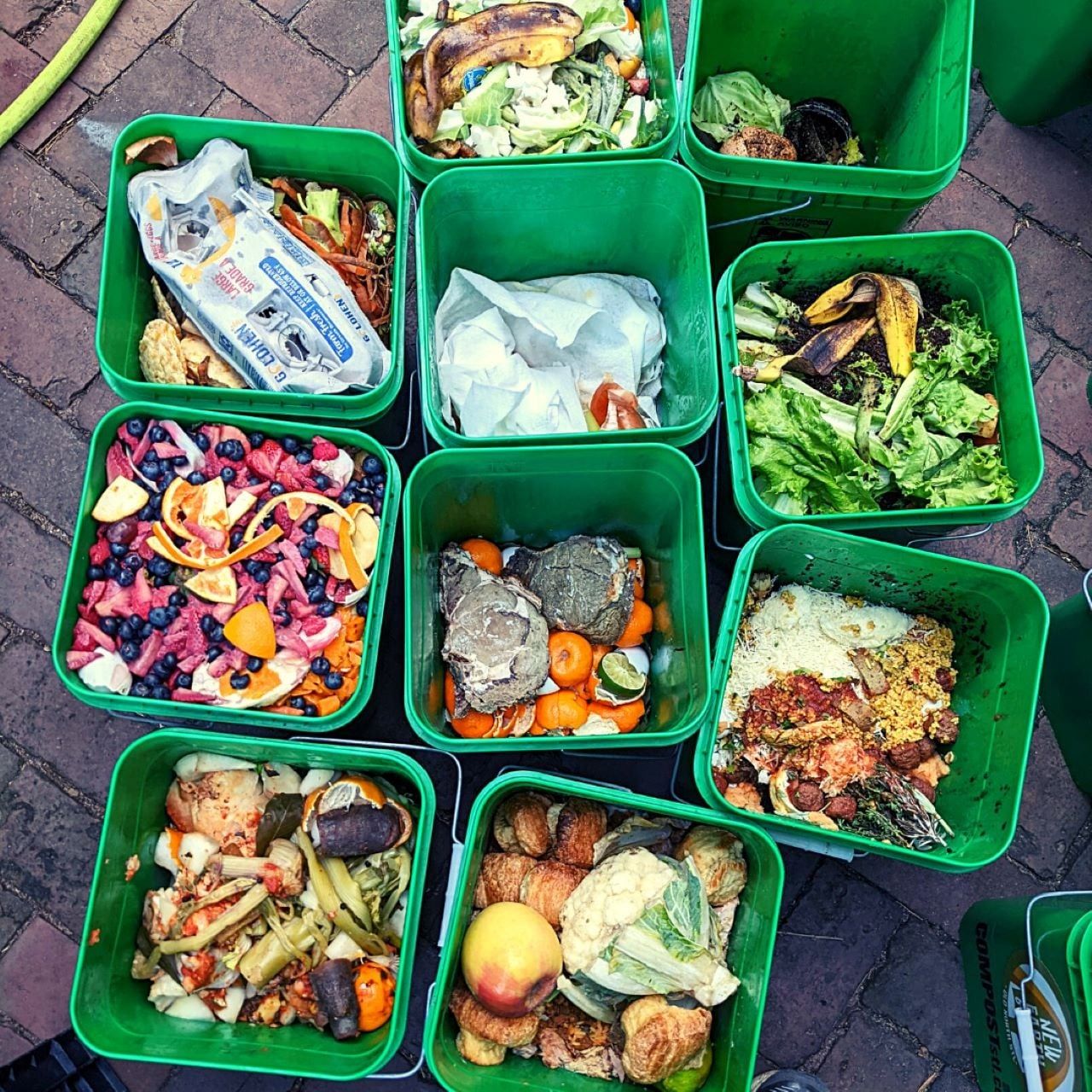
Food scrap buckets, bins, multifamily dispensers
Biobag’s buckets, bins and bag dispensers are designed to support convenient food waste collection in homes, kitchens, and other residential environments.
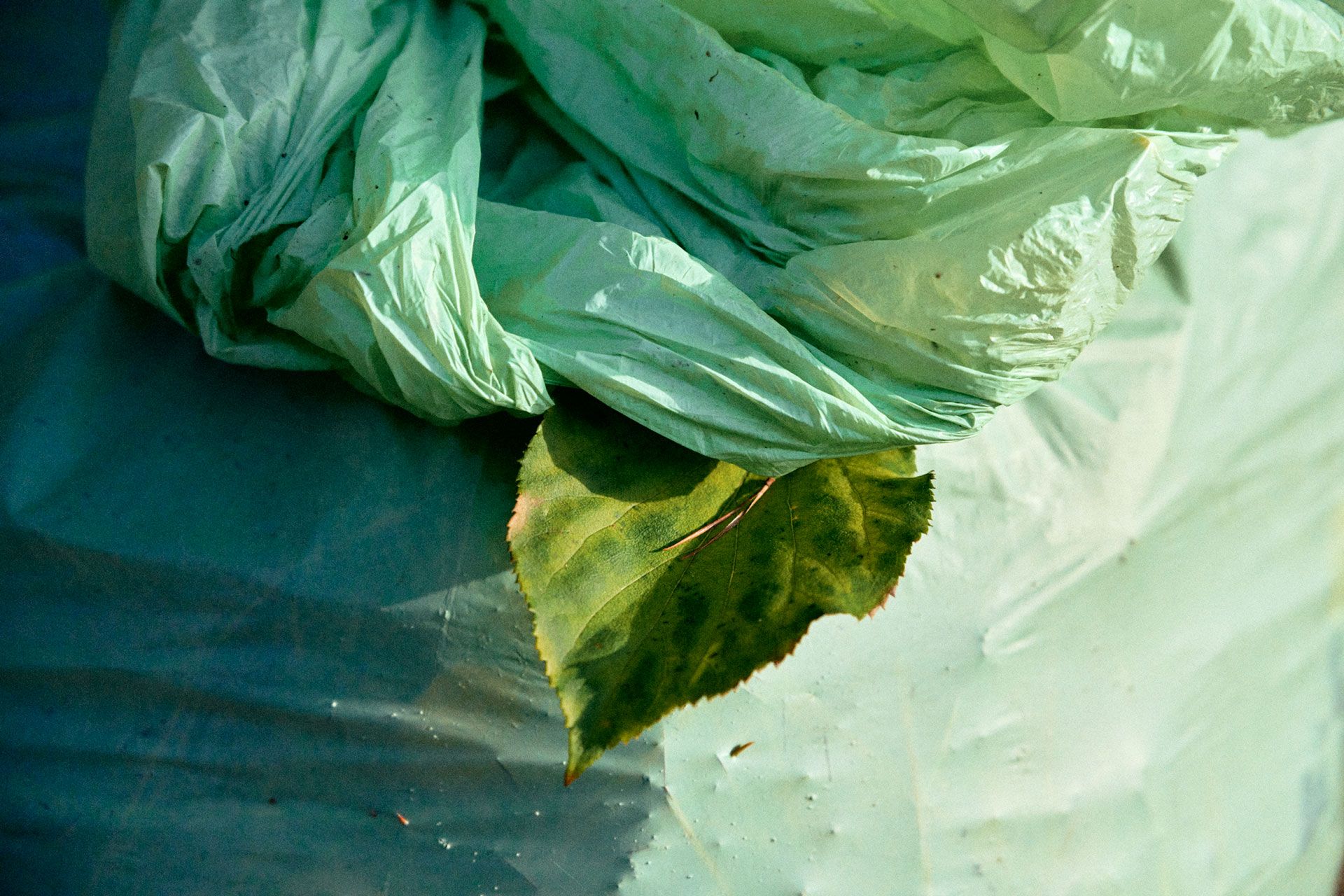
Compostable Lawn & Leaf bags
Ideally used for the collection of lawn, grass, and other yard waste for municipal and community composting.
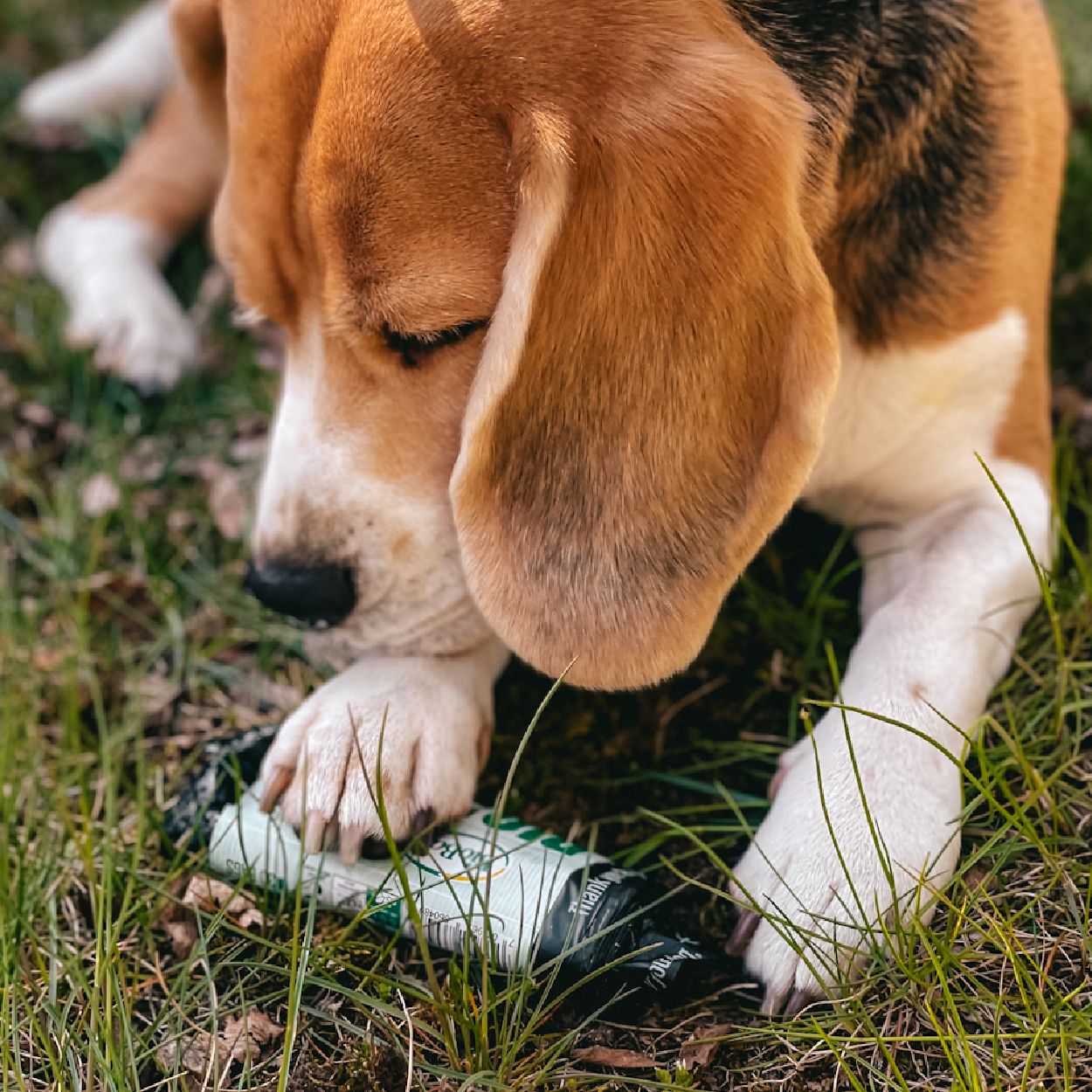
Pet Waste Bags & Dog Bag Dispensers
Biobag dog waste bags and dispensers support cleaner outdoor spaces and responsible waste handling for cities, parks and individuals.
Compostable food waste bags can help municipalities return valuable resources to the soil
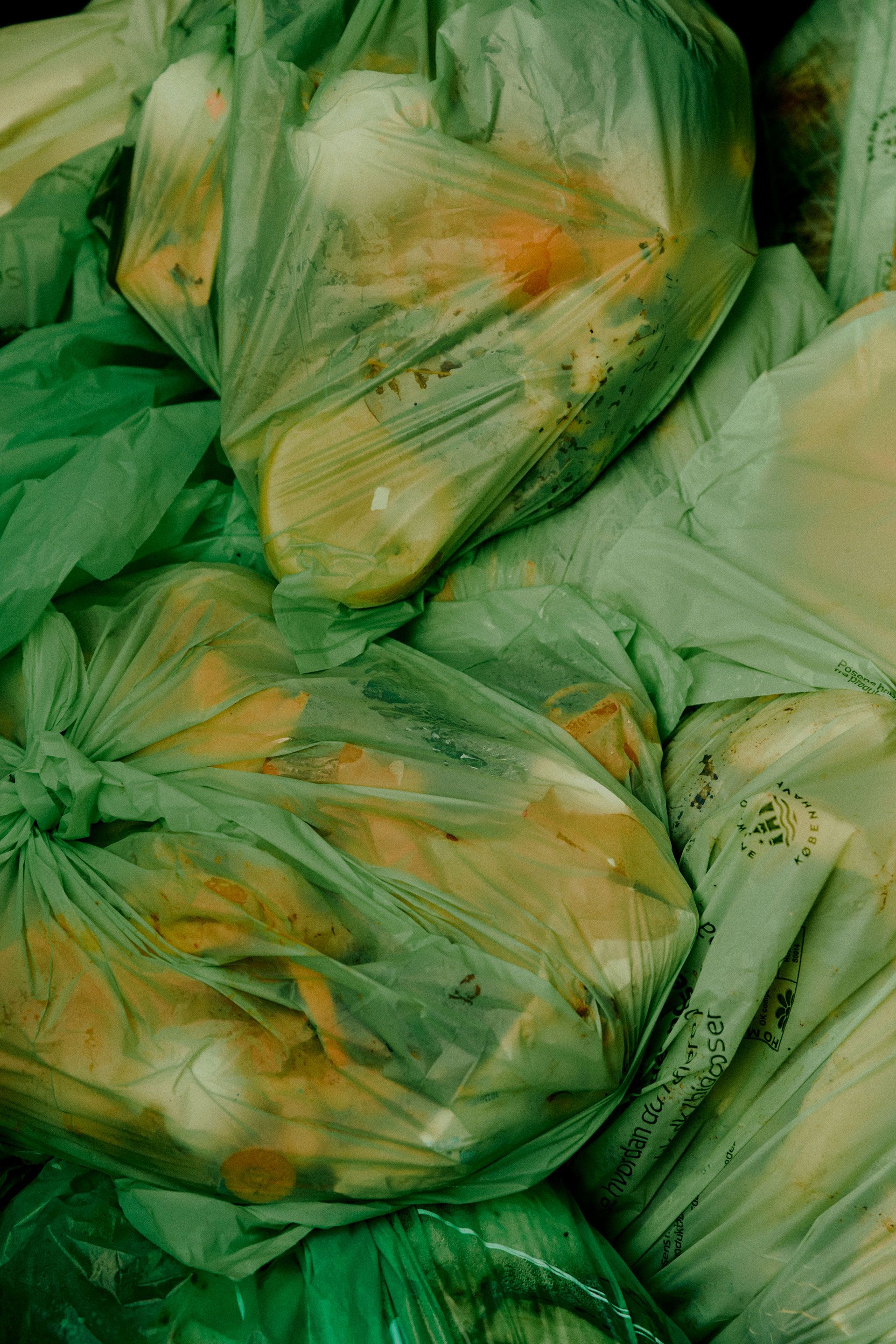
Distributing certified compostable bags is about giving residents a practical tool that can make food waste sorting easier. Where the bags are accepted by the local waste system, they can be collected and treated together with the organic waste without leaving persistent microplastics behind. The collected food waste can then be used to produce biogas or transformed into nutrient rich compost. Biogas provides renewable energy, while compost returns organic matter and nutrients to the soil. Both are valuable outcomes.
Providing residents with compostable bags can also support better sorting. In one Danish municipality, the purity of the collected organic waste increased from 75 percent to 97 percent after compostable bags were introduced. This demonstrates how a simple change can support cleaner organic waste collection and encourage residents to pay closer attention to sorting.
Food and green waste account for approximately 44 percent of global municipal solid waste, representing almost one billion tons each year
What can you do?
- Show residents the value and effect of sorting & collecting food waste.
- Launch education campaigns to inform residents about the benefits of sorting organic waste and how to do it correctly.
- Implement a separate collection system that makes it easy and convenient for your residents to collect their different waste fractions and provide them with the tools to do so.
- Engagement can also be enhanced through workshops, school programs, and community composting initiatives.
- Ask about our municipal program deals and community envelope starter packs with bags and coupons to help launch or expand your organics diversion strategy.
Compostable waste bags for public food waste collection. Customizable for municipal programs.


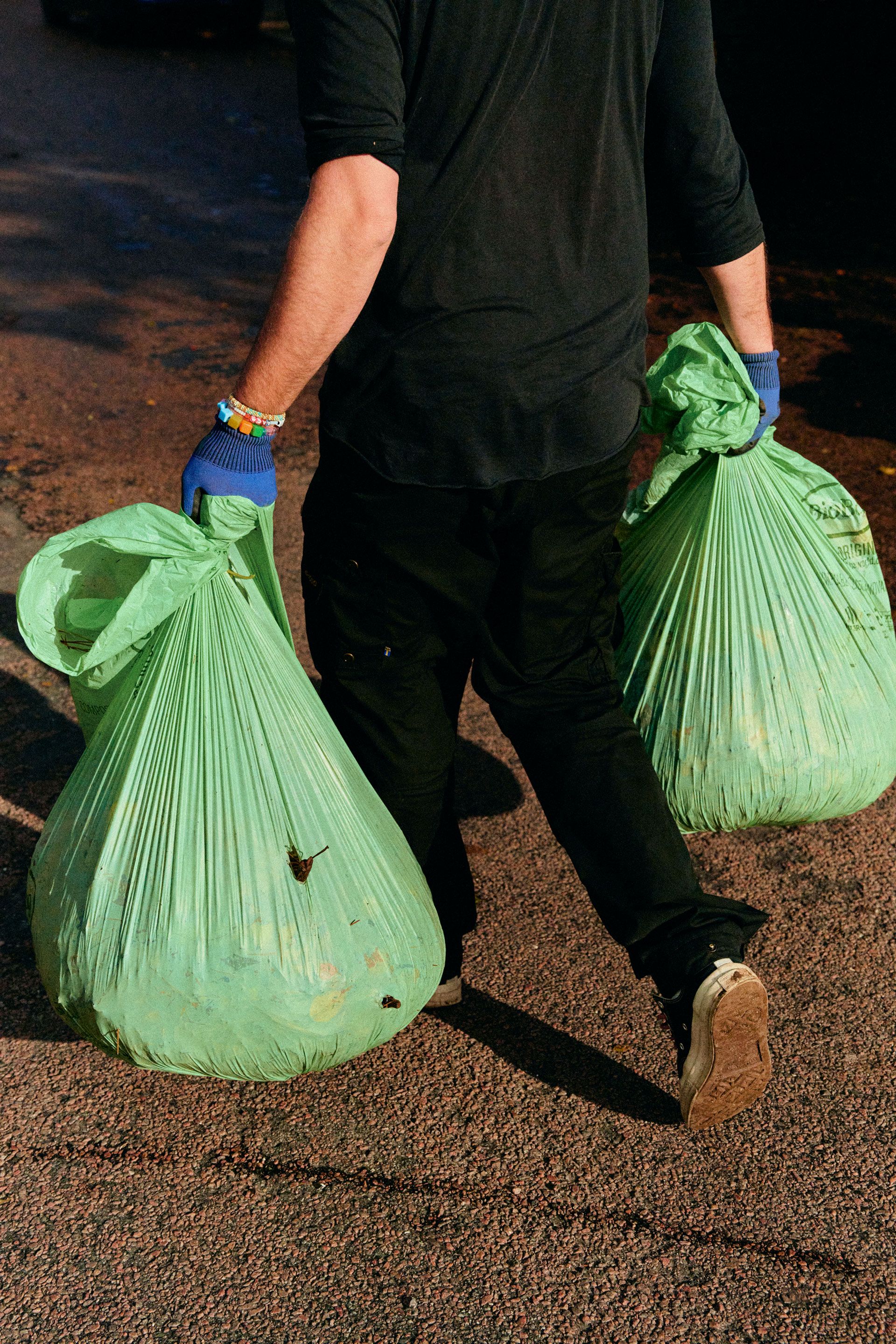
9 reasons to choose Biobag
Discover how certified compostable bags can help municipalities make food waste sorting easier, support cleaner organic waste collection and lower handling costs. Our guide outlines the practical benefits and shows how one simple change can support better collection routines.
Still Have Questions? We've Got Answers.
Whether you're just getting started or already using Biobag, find practical information about composting, certifications, materials, and how to get the most out of our products.