Plastic has become part of almost every area of modern life. It is versatile, durable and often inexpensive to produce. But those same qualities create a problem when plastic becomes waste.
Many conventional plastics do not readily biodegrade. Instead, they can gradually fragment into smaller and smaller particles, including microplastics. These particles have now been detected throughout the environment, including in water, soil and air. According to the United Nations Environment Programme, approximately 9.2 billion tonnes of plastic have been produced since the 1950s, of which around 7 billion tonnes have become waste.
Microplastics are difficult to avoid
People can be exposed to microplastics through food, water and the air we breathe. Indoors, synthetic textiles, furniture, carpets and other materials can release small plastic fibres that become part of household dust. Researchers have also detected microplastics in different parts of the human body. However, research into what this exposure means for human health is still developing. The World Health Organization has identified important gaps in the available evidence and the need for further research.
Plastic is valuable. Plastic pollution is not.
Plastic performs important functions in everything from food protection to healthcare. The problem is not solved by treating every plastic product in the same way. Different applications require different approaches.
Reducing unnecessary plastic use, reusing products and improving collection and recycling are all essential. But globally, only a limited share of plastic waste is currently recycled. This means that better materials, better product design and better waste systems must also form part of the solution.
Human behaviour plays an important role. A waste system can be carefully designed, but it will only work if people understand it and can use it correctly in everyday life.
Where compostable products can make sense
Certified compostable products are not intended to replace conventional plastic in every application. Their role is most relevant in situations where a product is used together with organic waste and can enter a compatible collection and treatment system.
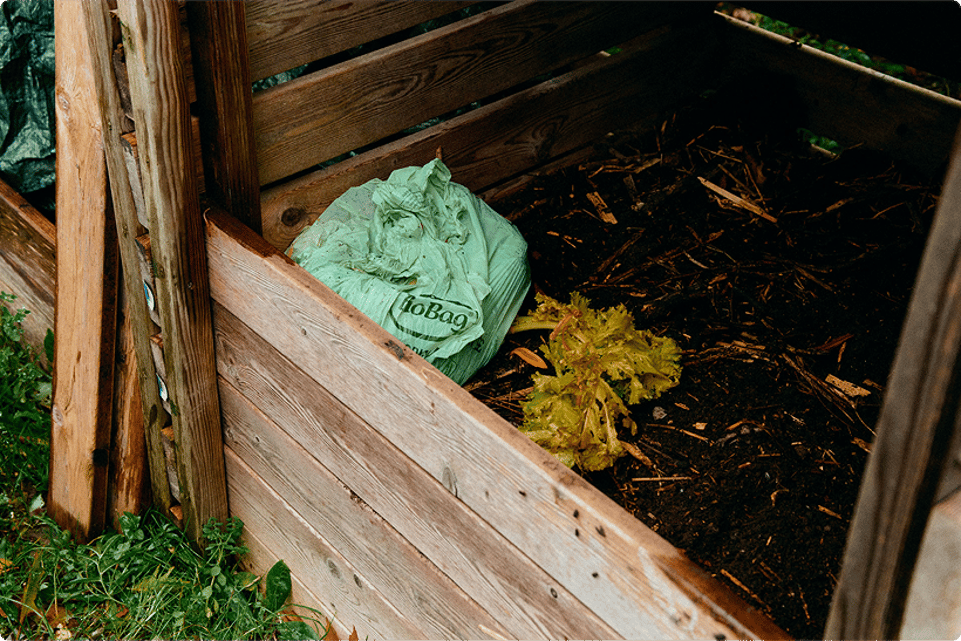
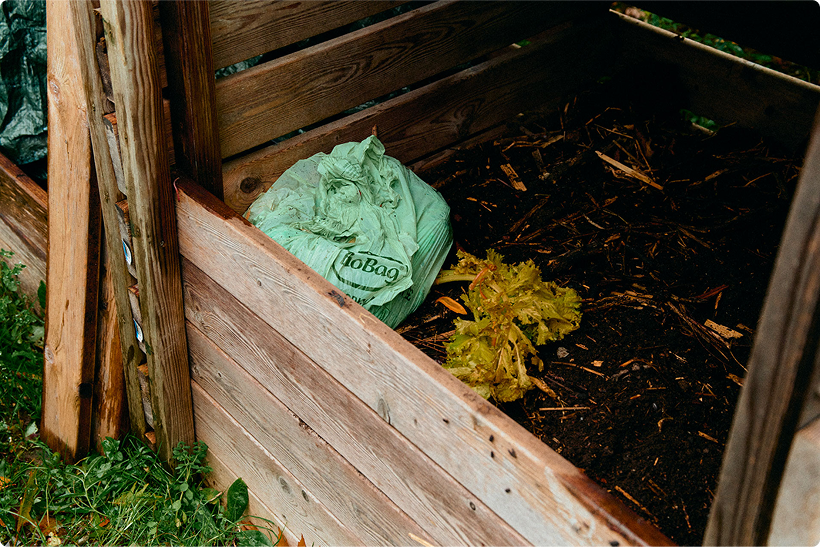
Certified compostable bags can make food-waste collection cleaner and easier. Where they are accepted and effectively treated within the local organic-waste system, they can also help reduce the risk of persistent conventional plastic fragments entering compost or digestate.
The certification marking on each product explains the composting environment for which it has been assessed. Depending on the product, this may be industrial composting or home composting.
Compostable does not mean that a product can be left in nature. Biobag products must still be collected, sorted and treated correctly. No bag should ever be littered, whether it is conventional or compostable.
Designed to work with everyday habits
At Biobag, we believe that meaningful change becomes more achievable when it fits into everyday life. Collecting food waste is already part of the daily routine in many homes and businesses. Using a certified compostable bag can make that routine simpler without requiring people to change everything they do.
It is a small adjustment within an existing habit, designed to support cleaner organic-waste collection and keep persistent conventional plastic out of biological waste streams.
There is no single material that can solve plastic pollution. The way forward is to use less where possible, reuse and recycle wherever appropriate, and choose certified compostable products for applications where compostability provides a clear function. It is about choosing the right product for the right purpose and making sure it reaches the system it was designed for.