Plastic products are also widely used in agriculture as it can improve the efficiency and productivity of food production. Common products being used are plastic mulch films, greenhouse films and nets, coated fertilizers and much more. A recent study published by the Food and Agriculture Organisation (FAO) estimates that agricultural applications used approximately 12.5 million tons of plastic per year, with films being the biggest part of this.
Agricultural plastics are therefore a serious risk of pollution and harm to human and ecosystem health when degraded or disregarded in the environment and increase the risk of accumulating amounts of microplastic left in the soil.
The report of the Food and Agriculture Organisation of the United Nations assessed the sustainability of agricultural plastic products. The study was done by a qualitative risk assessment focusing on 13 specific agricultural products used in a range of different value chains. The study recommends the use of biodegradable, bio-based plastics instead of conventional plastic for mulch films, fishing gear, polymer coated fertilizers, tree guards and shelters, plant support twines, and pesticide impregnated fruit protection bags. Read the full report here.
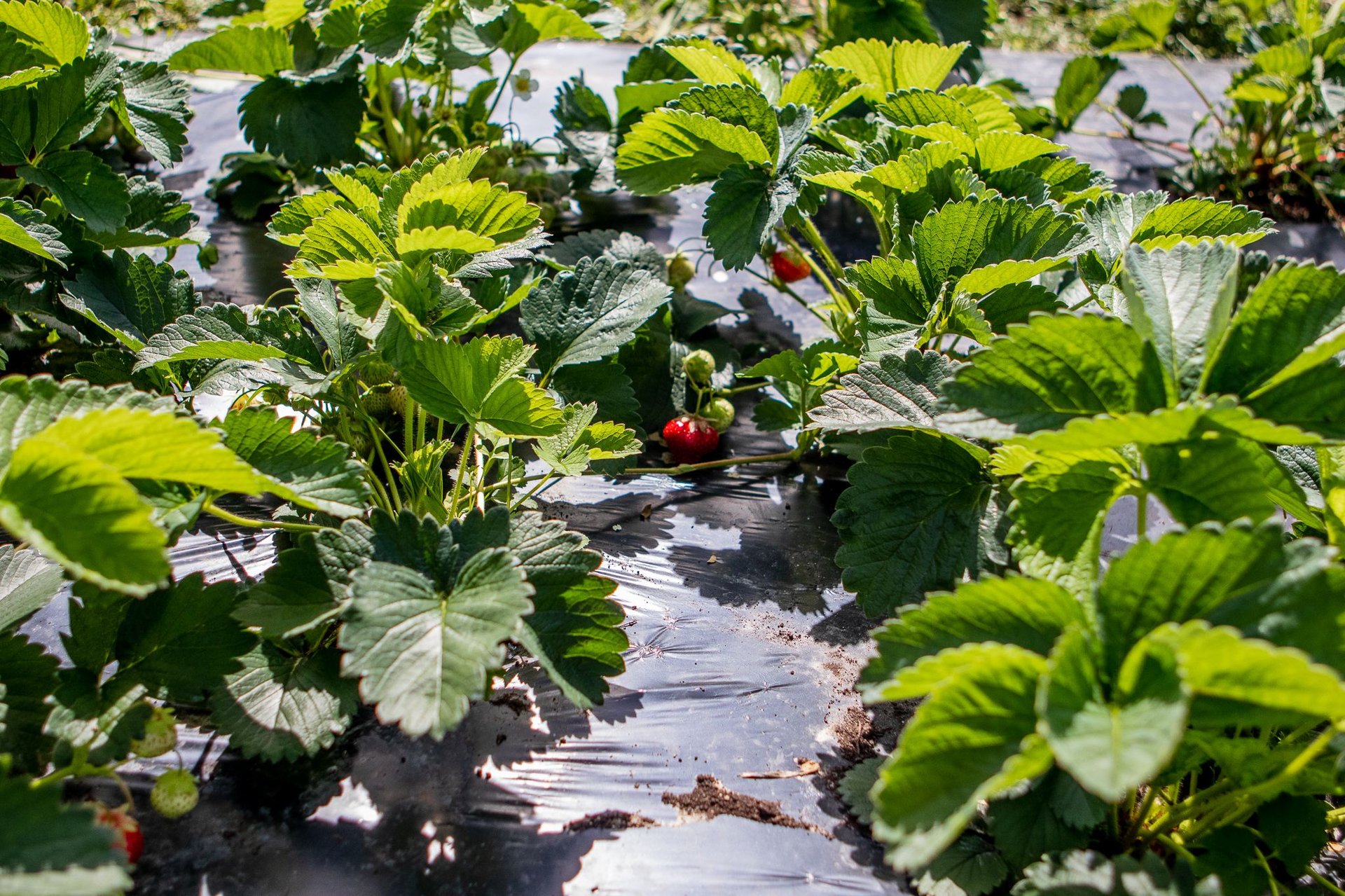
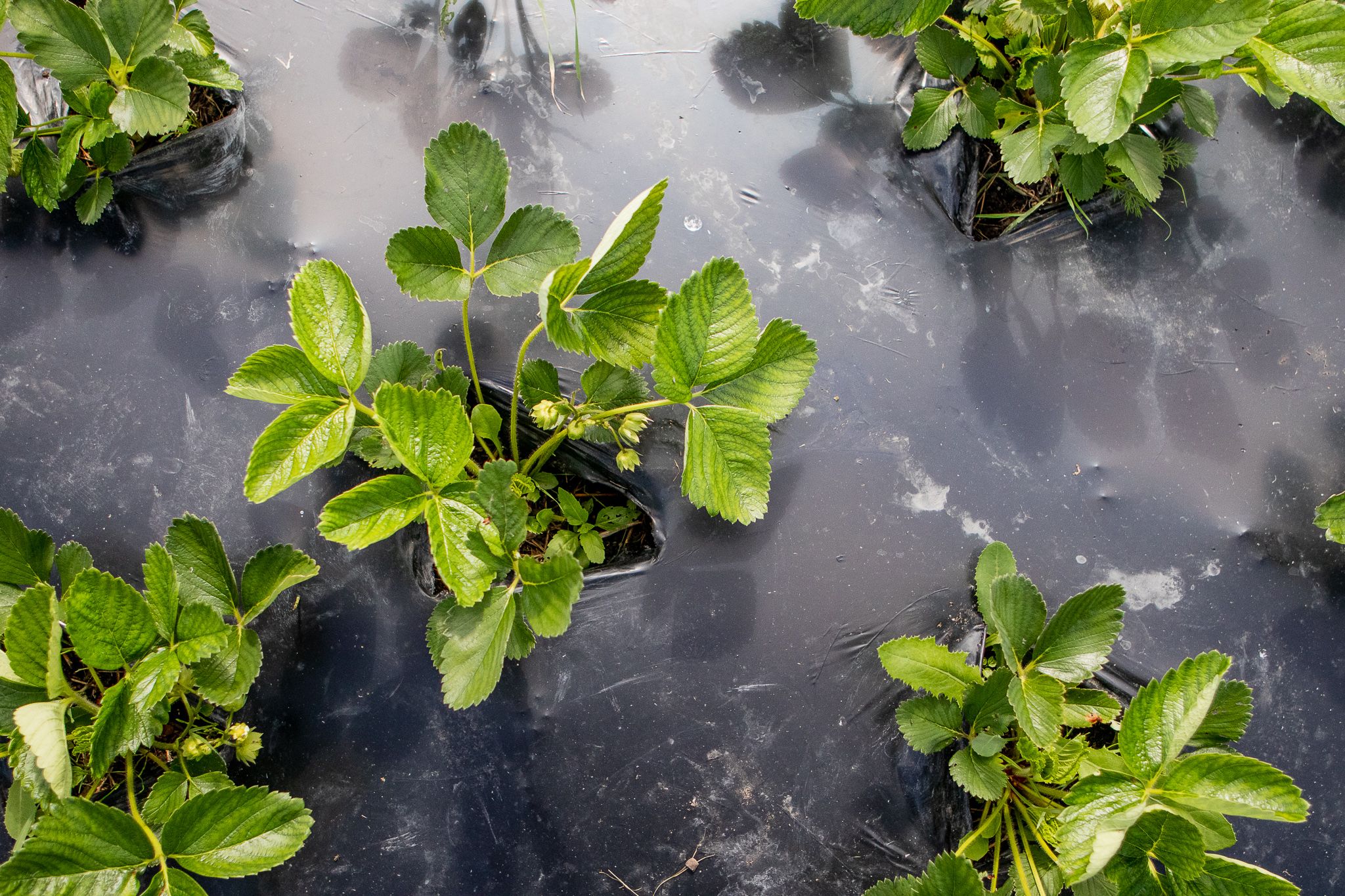
With mulch filming representing the largest part of agricultural plastic applications, the questions arise why? Mulching films has several benefits. It increases the soil temperatures, enhance weed control, and reduces evaporation from soil. This increases the number of crops being produced and the length of the growing season, but it also reduces the amount of irrigation and fertilizer that is needed. The disadvantage of plastic mulch films is that it can leave traces of plastic in the soil after retrieval. This plastic does not completely dissolve in nature and can contaminate the soil with microplastics that end up in the food chain.
Read more about microplastic and the consequences on the environment here.
It is fortunate that there are biodegradable alternatives to conventional plastics for the agriculture sector. Biodegradable mulch film has been available on the European market for many years which offers similar advantages as conventional mulch films. The difference is that the biodegradable mulch film residues can simply be ploughed into the soil at the end of the crop cycle and break down to water, carbon dioxide and humus/biomass. In order to harmonise regulations across Europe, there is a European Standard EN 17033 of biodegradation of plastic mulch films in agriculture. This standard is designed to be a clear reference for farmers, distributors, and stakeholders. Read more about the EN 17033 standard here.
Biobag is pleased with the recommendation of the United Nations. As a leading company in compostable and biodegradable products we encourage the use of more environmental-friendly and sustainable products in the agricultural sector. Our soil biodegradable BioAgri mulch film supports one of the areas that the report points out as advantageous to replace non-biodegradable, conventional plastic with biodegradable and bio-based plastic. BioAgri is made of Mater-Bi, a bioplastic raw material created by combining starch with compostable and biodegradable polymer. BioAgri is certified as biodegradable in soil according the European Standard EN 17033. The proven biodegradability in soil allows the use of BioAgri mulch film to be a genuine contribution to a better environment. Read more about our BioAgri mulch film here.