
Dive into the circular economy action plan package to learn about the changes soon to be taking place in the EU and how they will benefit consumers and member countries alike.

What is a circular economy?
A circular economy is a sustainable model that minimizes waste and maximizes resource use. Unlike the traditional linear economy of 'take, make, dispose,' it focuses on keeping products and materials in use and regenerating natural systems. Key principles include:
- Designing out waste: Creating products that can be easily disassembled and reused, reducing pollution from the start.
- Maintaining product use: Extending product lifespans through repair, refurbishment, and recycling.
- Regenerating natural systems: Supporting natural processes and using renewable resources.

Benefits of a circular economy
- Environmental: Reduces waste and pollution, conserves resources, and lowers emissions.
- Economic: Drives innovation, creates jobs, and saves costs through efficient resource use.
- Social: Improves quality of life by fostering sustainable practices.
Implementing a circular economy involves product life extension, sharing models, circular supply chains, and supportive policies. The goal is a closed-loop system that minimizes resource input and waste, promoting sustainability for a better future.
The European Commission acknowledges the need for EU citizens to use natural resources more sustainably. Without change, global resources will be insufficient to meet future needs. A core principle of the Circular Economy is "closing the loop," particularly the carbon loop. This involves increasing recycling and reducing landfill waste. By 2030, the EU aims to limit landfill waste to 10%, recycle 75% of packaging waste, and 65% of municipal waste. Waste cannot be exported without consent, ensuring responsibility remains local.
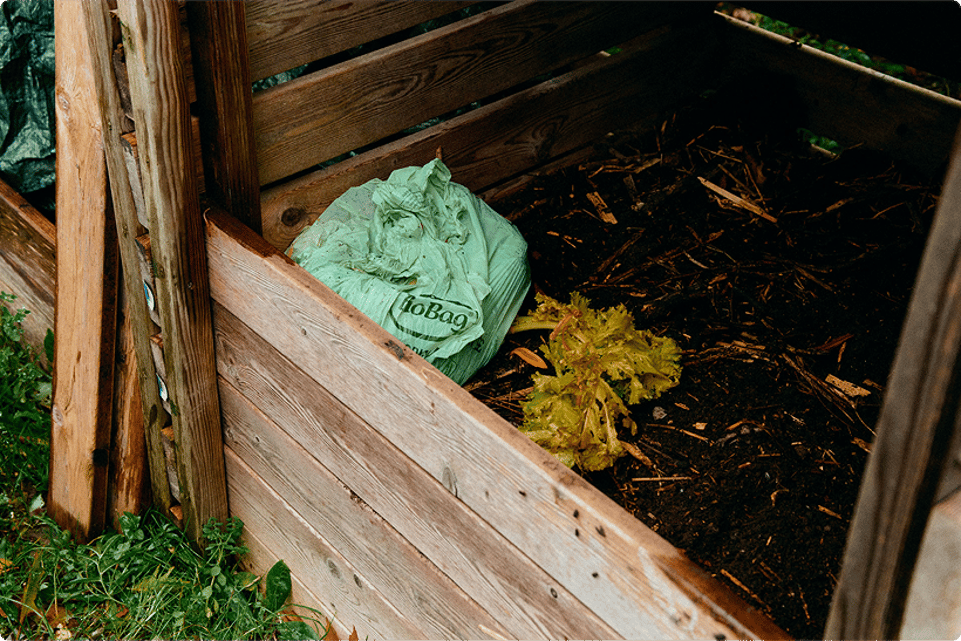
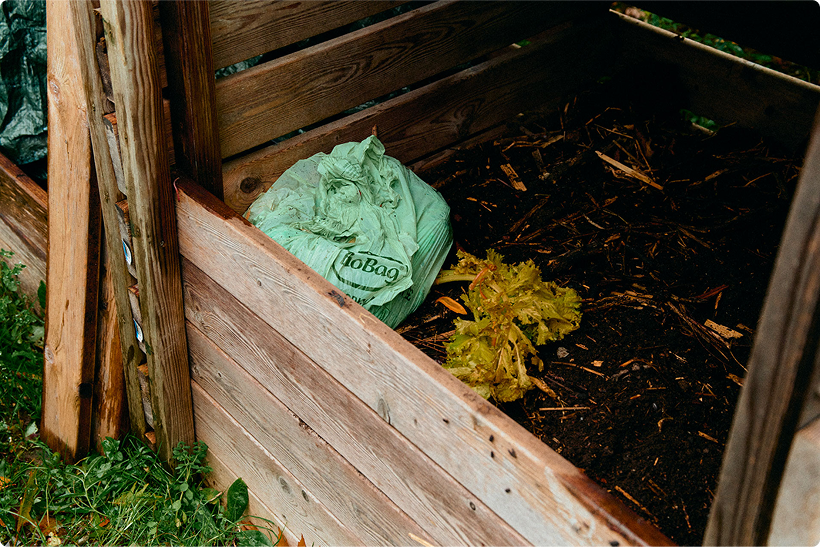
A key strategy in achieving these targets is the replacement of conventional plastic bags with compostable and biodegradable bags. If sorted and collected separately, organic waste can be converted into biogas or nutritious compost to grow new crops and nurture the soil. However, using conventional plastic bags for food scraps contaminates compost with microplastic, no matter how carefully we handle it. That’s why switching to fully certified compostable bag can be the solution. This ensures that compost or biopukp can safely return to the soil, free from harmful microplastic.