Soil is easy to take for granted. It is beneath our feet, largely out of sight and often absent from conversations about environmental protection. But soil supports the crops we eat, stores and filters water, provides a home for countless organisms and holds valuable organic matter and nutrients. Unlike many other resources, healthy soil cannot quickly be replaced. Soil formation is an extremely slow natural process, while erosion, pollution, compaction, loss of organic matter and unsustainable land management can damage it much more quickly. That is why soil deserves our attention.
A valuable resource under pressure
According to the European Commission, between 60% and 70% of soils in the EU are considered unhealthy. The causes include erosion, declining organic matter, pollution, loss of biodiversity, compaction and salinisation.
Soil is also receiving plastic from several sources, including agricultural films, sewage sludge, irrigation water, atmospheric deposition and contaminated compost or digestate. Once conventional plastic fragments become mixed into soil, removing them without disturbing the soil itself is extremely difficult.
Many conventional plastics do not readily biodegrade under natural soil conditions. Instead, they can fragment into increasingly smaller particles, including persistent microplastics.
This is not only an agricultural issue. It is connected to how materials are produced, used, collected and treated throughout society.
There are two main concerns with the deteriorating soil health:
- We won't have any soil left.
- It can take up to 1,000 years to create a 2–3-centimetre layer of soil.
We need to give something back
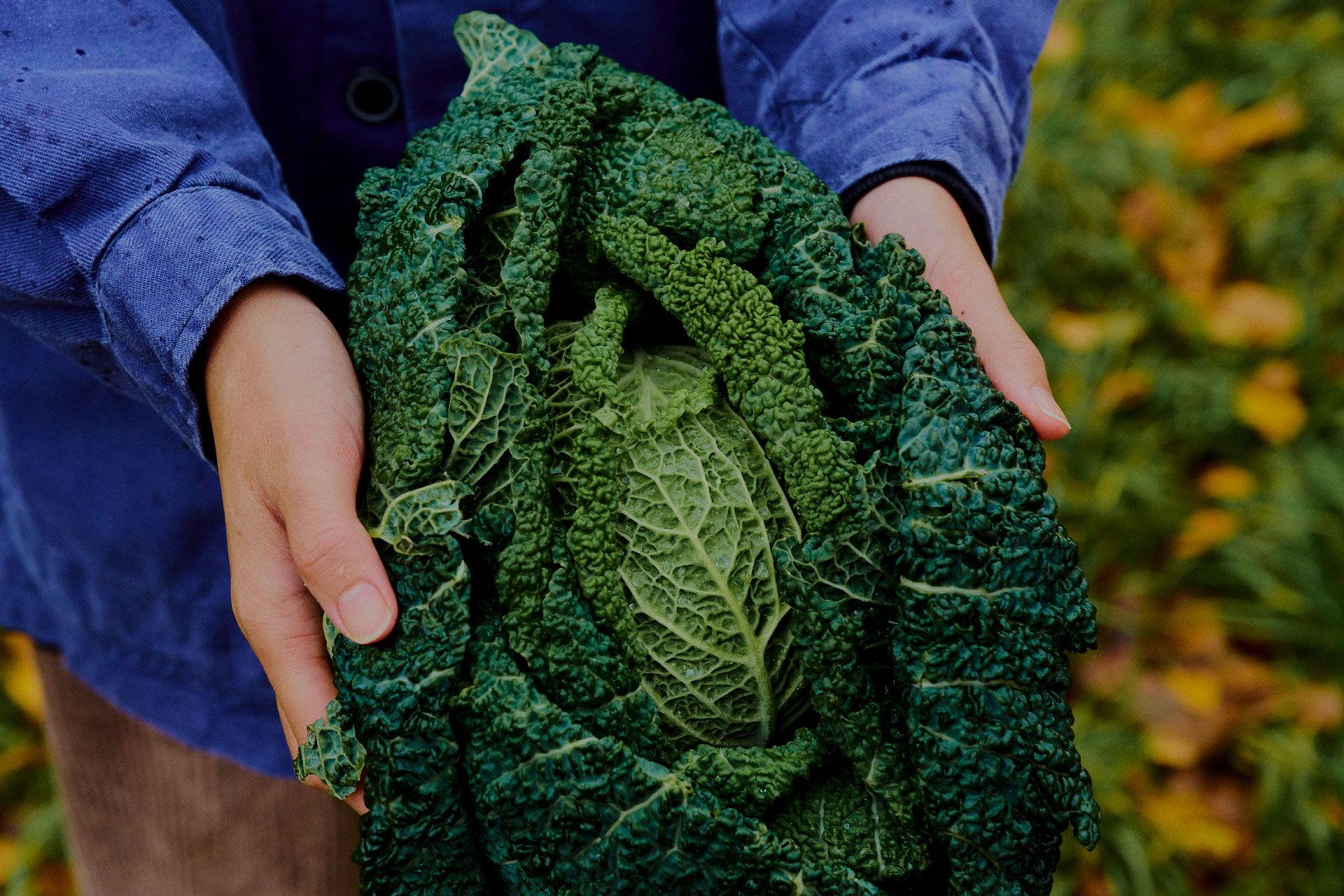
Healthy soil needs organic matter. Organic matter supports soil structure, water retention, nutrient cycling and biological activity. One potential source is all around us: the organic waste generated every day in homes, restaurants, shops and professional kitchens.
Globally, households, food-service businesses and retailers generated approximately 1.05 billion tonnes of food waste in 2022, according to the United Nations Environment Programme.
Preventing edible food from becoming waste must always come first. But unavoidable food waste, such as peelings, coffee grounds and other kitchen scraps, can still become a valuable resource when it is sorted and treated correctly.
From food waste to compost
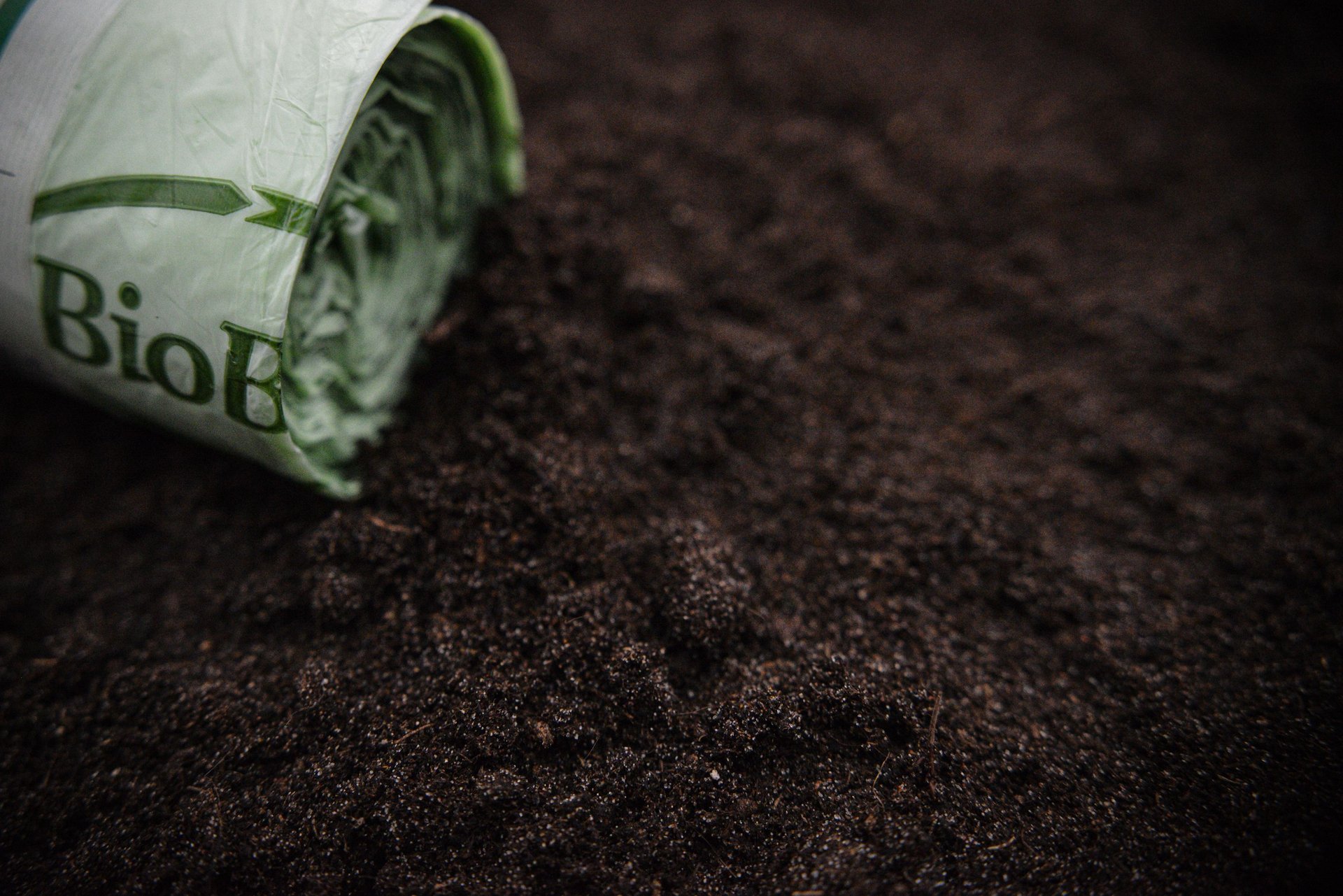
When separately collected organic waste is composted, it can be transformed into a stable soil improver. Compost returns organic matter and nutrients to the soil and can support soil structure, water retention and microbial activity.
The quality of the final compost depends on the quality of the material entering the treatment process. Conventional plastic and other non-compostable materials can contaminate the organic-waste stream. Although treatment facilities work to remove this contamination, small plastic fragments may remain and potentially reach agricultural soil when compost or digestate is applied to land.
Preventing persistent plastic from entering the organic-waste stream is therefore an important part of protecting compost quality.
The bag can play a practical role
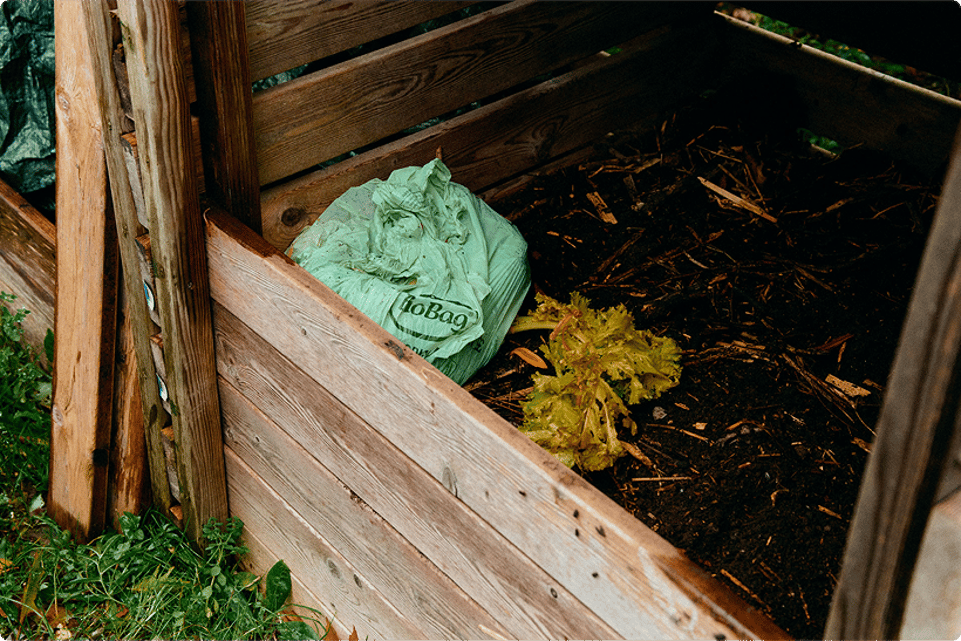
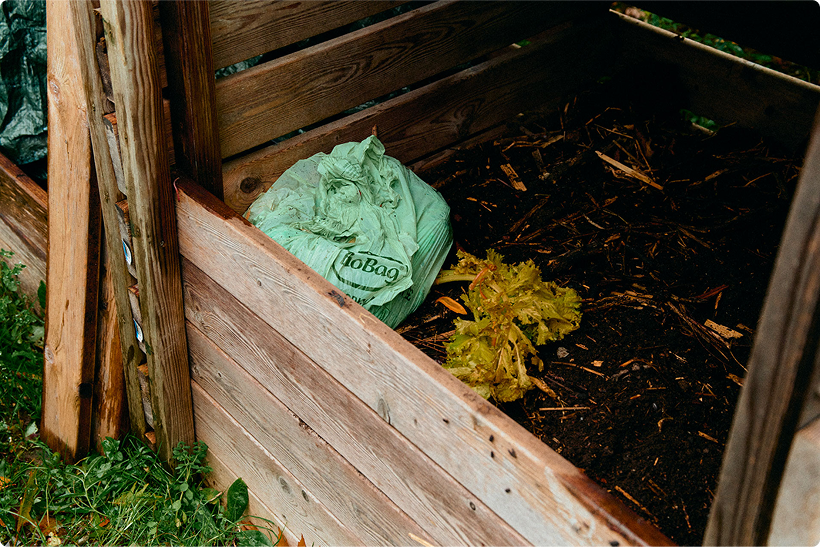
Certified compostable bags are designed for collecting organic waste and biodegrading under the conditions specified by their certification. Where they are accepted and effectively treated within the local organic-waste system, they can support cleaner food-waste collection without leaving persistent microplastics behind.
They can also make collection simpler and more hygienic, helping food-waste sorting fit naturally into everyday routines. That matters because even the best treatment infrastructure depends on people using the collection system correctly.
Certification does not mean that a bag can be discarded anywhere. Compostable bags must be used in the correct waste system, and local guidance should always be followed.
Small habits are part of a much bigger system
Changing a waste bag will not solve every challenge facing our soils. Protecting soil requires action across agriculture, industry, waste management and society. We need to prevent food waste, reduce unnecessary plastic use, keep contamination out of biological waste streams and return suitable organic matter to the soil. But practical tools can make better habits easier. By collecting unavoidable food waste separately, we can help it reach composting or biogas production instead of being lost in residual waste. Certified compostable bags can support that process where they are accepted by the local system.
Soil gives us an extraordinary amount. It is time to think more carefully about what we give back.