
Microplastics are generally defined as plastic particles smaller than five millimetres. Some are produced at this size, while others form when larger plastic products gradually fragment through sunlight, weathering and physical wear. Even smaller particles are known as nanoplastics. Because these particles are difficult to detect and measure consistently, estimating their presence and understanding their effects remain major scientific challenges. Microplastics have been detected in water, air, soil and a range of foods. This means people may be exposed through what they eat and drink and through the air they breathe. However, detecting particles does not by itself tell us how much exposure occurs or what level of risk that exposure may represent.
What do we know about their effects?
Laboratory studies have found that microplastics and nanoplastics can affect certain organisms under particular experimental conditions. Observed effects depend on factors such as the type of plastic, particle size, concentration and duration of exposure.
These studies help scientists identify possible risks, but results from laboratory experiments involving fish or other organisms cannot automatically be applied to people or to exposure under everyday conditions.
The World Health Organization has reviewed the available evidence concerning exposure through food, water and air. It concluded that important uncertainties remain and that more reliable research is needed to understand the potential implications for human health. This means we should avoid making claims that microplastics have been proven to cause particular diseases in people. At the same time, the persistence and widespread distribution of plastic particles provide strong reasons to prevent further plastic pollution.

Where do microplastics come from?
Microplastics come from many sources. These include the breakdown of larger plastic items, wear from tyres, fibres released from synthetic textiles, industrial processes and plastic products used in agriculture.
Conventional plastic does not simply disappear when it becomes smaller. Its fragments can remain in the environment and become increasingly difficult to collect or remove.
Preventing microplastic pollution therefore requires action throughout the material’s life cycle. This includes reducing unnecessary plastic use, improving product design, collecting and recycling materials correctly and preventing plastic from entering organic-waste streams.
The role of certified compostable bags
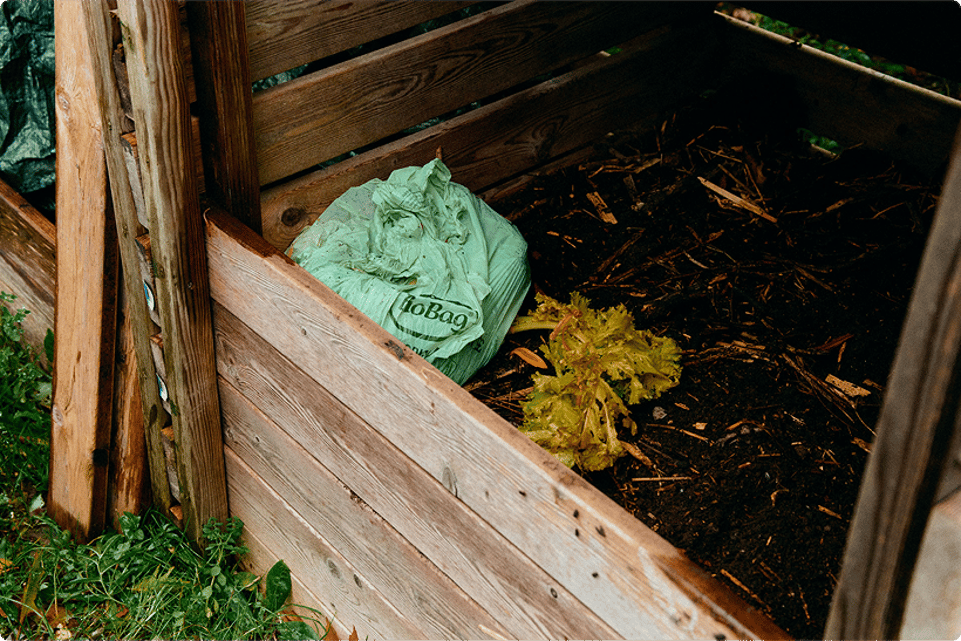
Biobag waste bags are designed for applications such as collecting food and organic waste. They are certified compostable according to recognised standards and are tested to biodegrade under the conditions specified by their certification without leaving persistent microplastics behind.
This does not mean that the bags will biodegrade wherever they are discarded. They must enter the composting or organic-waste treatment environment for which they are certified, and they should never be littered in nature.
Where certified compostable bags are accepted by the local organic-waste system, they can help people collect food waste conveniently while reducing the risk of persistent fragments from conventional plastic bags entering compost or digestate.
We all have a role in preventing plastic pollution
The first step is to prevent plastic from ending up in nature. We can also reduce unnecessary single-use products, reuse suitable items and sort waste correctly so that materials reach their intended treatment system.
Compostable products have a targeted role. They are most relevant in applications connected to organic waste or in other situations where biodegradability offers a clear functional benefit and the appropriate treatment conditions are available.
Food-waste systems differ between municipalities and treatment facilities. Always follow local sorting instructions and check the certification shown on the product.
Microplastics are a complex challenge, and many questions about their long-term effects remain unanswered. What is already clear is that preventing persistent plastic from entering our soil, water and biological waste streams is far more practical than trying to remove it afterwards.