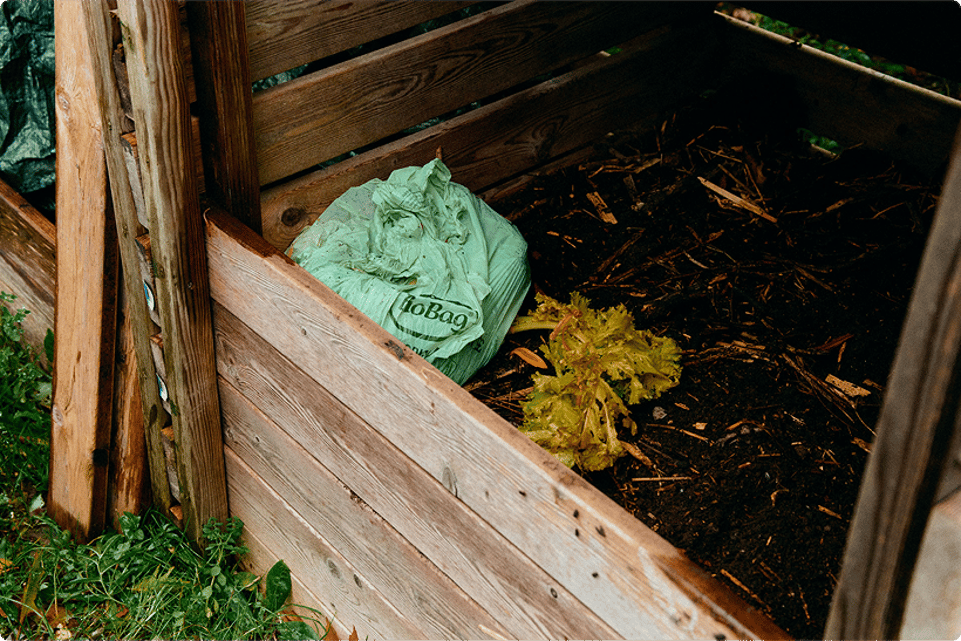
According to the United Nations Environment Programme, households, food-service businesses and retailers generated approximately 1.05 billion tonnes of food waste worldwide in 2022. This waste comes from homes, restaurants, shops, commercial kitchens and public institutions. Some of it could have been eaten, which is why preventing avoidable food waste must always come first. But peelings, coffee grounds, bones and other unavoidable organic waste will continue to be produced. The question is what we do with it.
When organic waste ends up in the wrong place
When food waste is placed in the residual-waste bin, it may be incinerated or sent to landfill, depending on the local waste system. In landfill, organic waste decomposes without oxygen and produces methane, a powerful greenhouse gas. When it is incinerated together with residual waste, its potential to produce compost or biogas through biological treatment is lost. In both cases, we miss the opportunity to keep the nutrients and organic matter contained in the waste in use.
From waste to a valuable resource
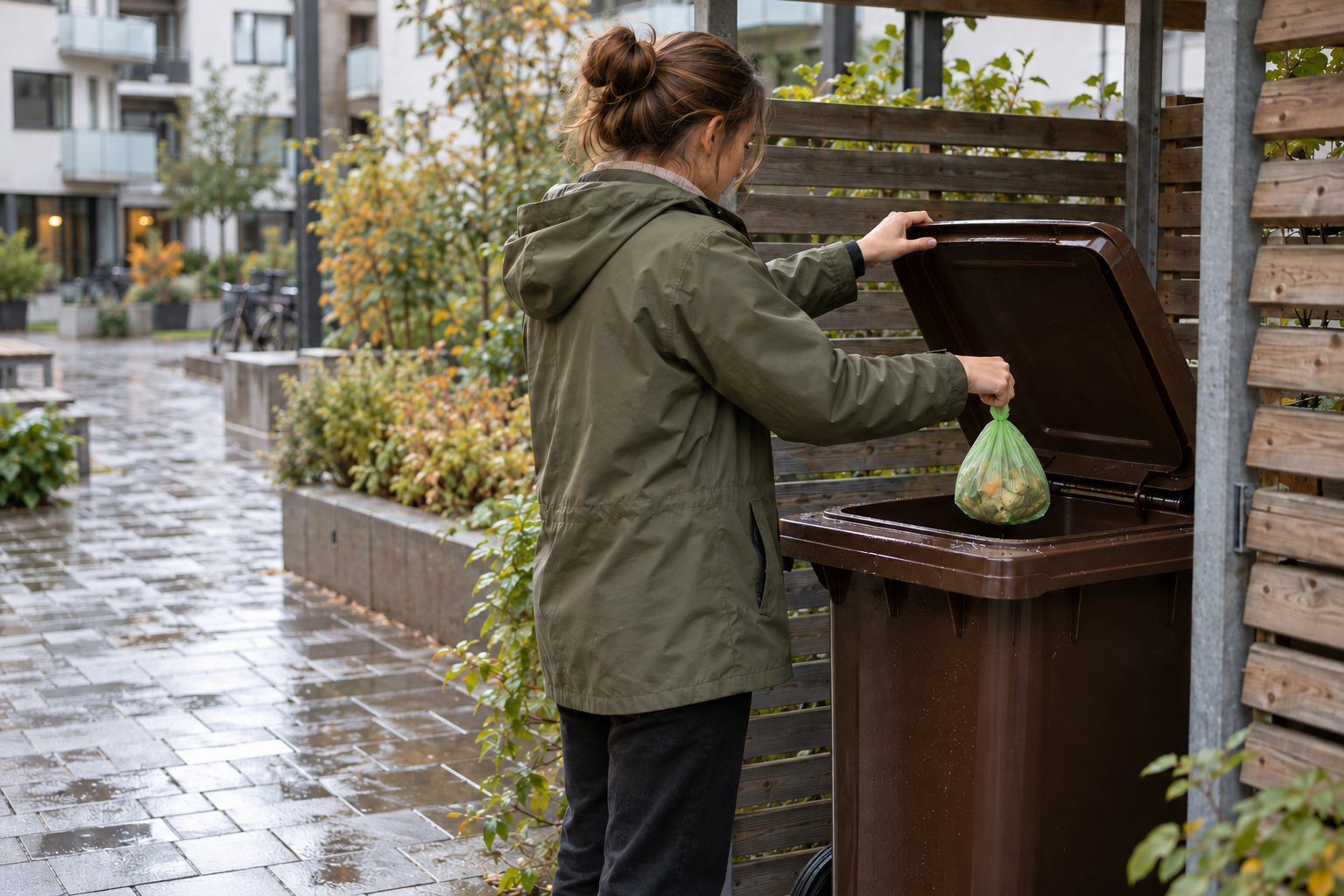
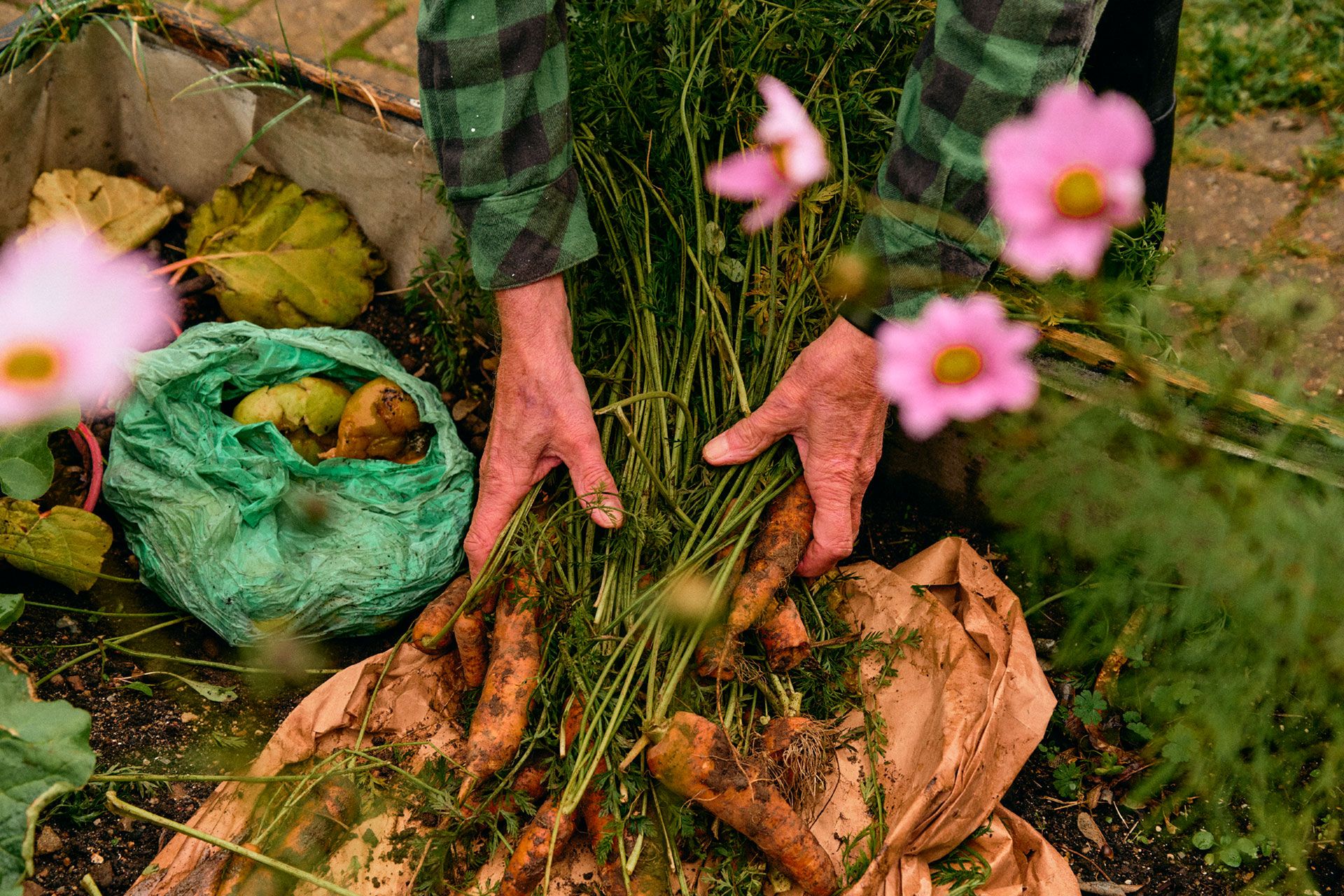
When organic waste is sorted and collected separately, it can be treated through composting or anaerobic digestion. Anaerobic digestion can turn organic waste into biogas, which can be used as a source of energy. The process also produces digestate containing nutrients that may be used in agriculture when it meets the relevant quality requirements. Composting transforms organic waste into a stable soil improver. Compost can return organic matter and nutrients to the soil while supporting soil structure, water retention and microbial activity. Biogas and compost therefore play different but valuable roles. What can be produced depends on the organic waste, how cleanly it is collected and the treatment system it enters.
Why the collection bag matters
The quality of the organic-waste stream starts at the point of collection. When conventional plastic bags are used for food waste, pieces of plastic may enter the treatment process. Although facilities work to remove this contamination, small fragments can potentially remain in compost or digestate.
Certified compostable bags are designed for collecting organic waste and biodegrading under the conditions specified by their certification. Where these bags are accepted and effectively treated within the local organic-waste system, they can support cleaner collection without leaving persistent microplastics behind.
Certification does not mean that a bag can be discarded anywhere. The bag must be used in the correct collection and treatment system, and local waste guidance should always be followed.
Rethinking organic waste
Organic waste should not simply be seen as something to throw away. First, we should prevent edible food from becoming waste. Then we should make the best possible use of the unavoidable organic waste that remains.
This requires suitable infrastructure, clear sorting instructions and collection systems that people can use easily in everyday life. It also requires keeping conventional plastic and other contaminants out of the organic-waste stream.
At Biobag, we create certified compostable bags that make separate food-waste collection simple and hygienic. They are a practical tool designed to fit into an existing habit while helping organic waste reach a suitable biological treatment system.
Organic waste can create environmental problems when it is poorly managed. But when it is collected and treated correctly, it becomes a valuable resource that can support energy production and return organic matter and nutrients to the soil.
The difference lies in what we do with it!