Soil is an essential but limited resource. It supports food production, biodiversity and water management, while also storing large quantities of carbon. Yet soils around the world are under pressure from erosion, pollution, loss of organic matter, compaction and other forms of degradation.
Novamont has long worked to develop materials, products and systems that support the circular Bioeconomy. Catia Bastioli, Novamont’s CEO at the time this article was originally published, explained that this work is about more than developing individual products:
“Soil is not renewable and it takes more than 2000 years to form a 10 cm layer of soil. But our lives depend on the soil – all production of food begins in the soil and soil binds enormous quantities of CO2 that would otherwise be released into the atmosphere. But in spite of this, the UN’s Food and Agriculture Organisation assesses that 33% of the planet’s soil is degraded and damaged by chemical contamination, acidification, nutrient imbalance and more,” says Novamont CEO, Catia Bastioli.
“If everyone knew that soil fertility, which is the basis of our food supply, was not renewable it would be a lot easier to create a sense of individual and collective responsibility.” “The combined effects of climate change and an exhausted soil can, over the course of the next 30 years, reduce agricultural output by half in some drought-affected regions. Globally, we need much more organic material and a comprehensive separation of food waste and organic materials can help contribute to that,” says Catia Bastioli.
What is a circular economy?
A circular economy moves away from the linear take-make-waste model. It aims to eliminate waste and pollution, keep products and materials in use at their highest value and support the regeneration of natural systems.
Different materials require different circular pathways. Durable products may be suitable for reuse, repair or recycling. Organic materials can enter biological systems through processes such as composting and anaerobic digestion.
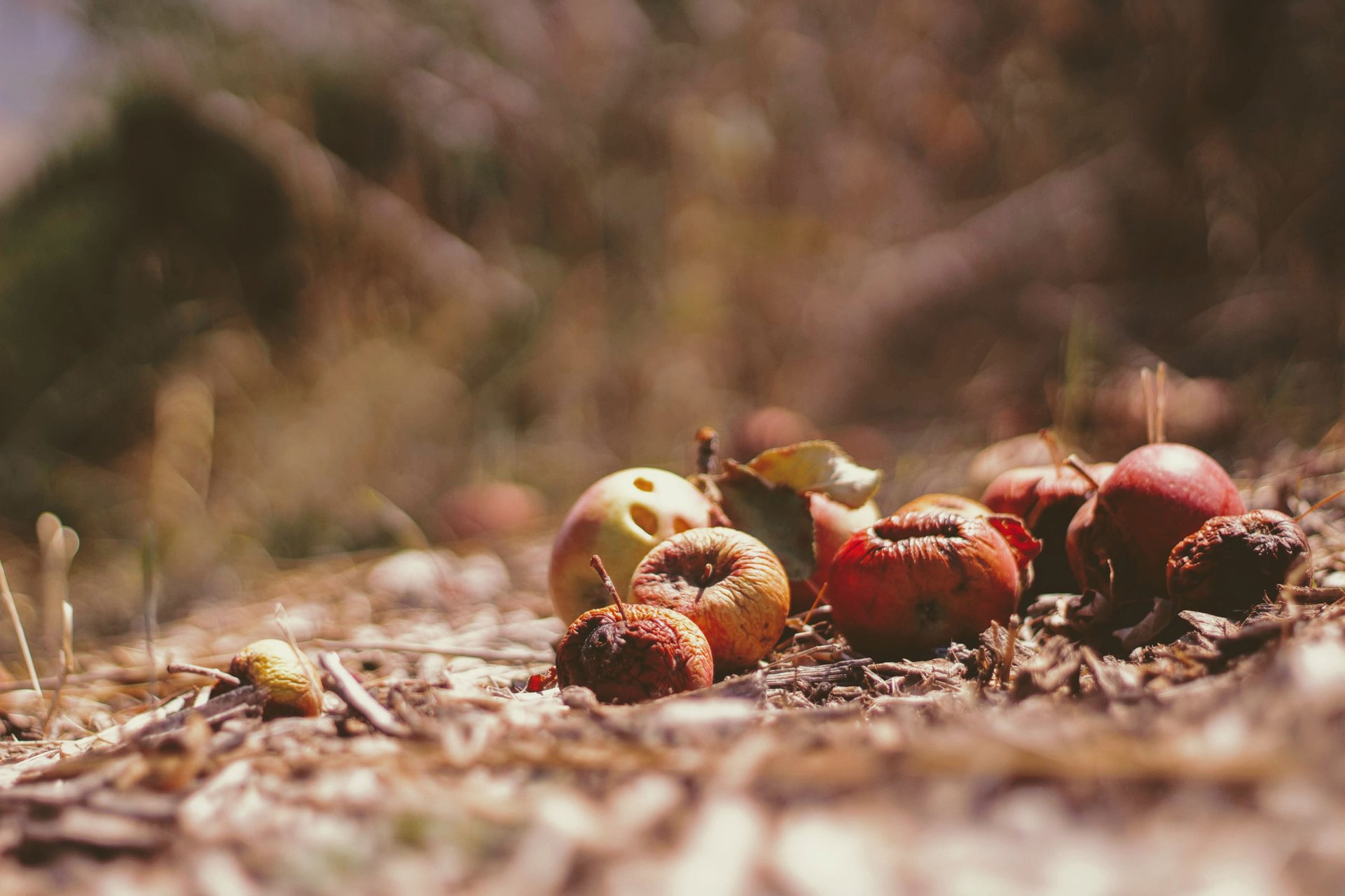
Composting converts suitable organic materials into compost under controlled conditions. Quality compost can return organic matter and nutrients to soil and support soil structure, water retention and biological activity. Its benefits depend on the quality of the compost, the soil and how it is applied.
Biodegradable and compostable plastics can play a targeted role in this system. They are not replacements for every conventional plastic product and should not be used where reduction, reuse or recycling provides a more appropriate solution.
Their role is most relevant when a product is used together with organic waste, is difficult to separate from that waste and can be treated in a compatible biological process.
Keeping organic-waste streams clean
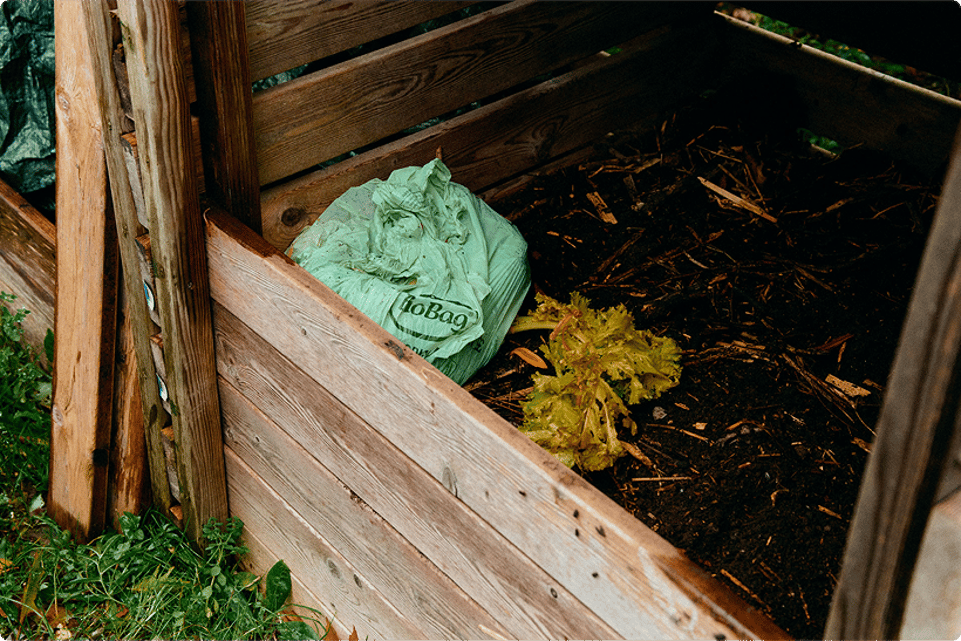
When conventional plastic bags are used to collect food waste, treatment facilities try to remove them before or during processing. Small pieces may nevertheless remain and potentially enter compost or digestate.
Certified compostable bags can help reduce this risk where they are accepted and effectively treated within the local organic-waste system. Under the composting conditions specified by their certification, they biodegrade without leaving persistent microplastics behind.
This does not mean that a compostable bag is designed to biodegrade directly in agricultural soil. Industrial compostability, home compostability and soil biodegradability describe different environments and require different testing and certification.
Where can compostable products play a role?
Compostable products should be considered application by application. Examples that may be suitable in compatible collection and treatment systems include:
- Bags and liners for collecting food and organic waste
- Tea bags and other permeable tea or coffee units intended to be disposed of with their contents
- Labels attached to fruit and vegetables
- Certain food-service items used in closed systems where food waste and certified compostable products are collected together
- Selected food-contact products that cannot practically be separated from organic waste
This is not a universal list of products that should always be compostable. Suitability depends on applicable legislation, product certification, local collection rules and the technology used by the treatment facility.
The EU policy framework for biobased, biodegradable and compostable plastics similarly emphasises that these materials should be used where they offer a clear benefit and where their end-of-life conditions are properly defined.
Designed for the right biological cycle
Biobag develops certified compostable products for applications connected to organic-waste collection and treatment. We also offer soil-biodegradable products, such as BioAgri mulch film, developed specifically for agricultural soil.
The certification displayed on each product explains the environment for which it has been assessed. Correct use, clear disposal instructions and suitable treatment infrastructure are essential.
Bioplastics are not a quick fix for plastic pollution. Used for the right purpose and within the right system, however, certified compostable and soil-biodegradable products can support practical circular solutions and help prevent persistent plastic from entering biological cycles.