What is composting?
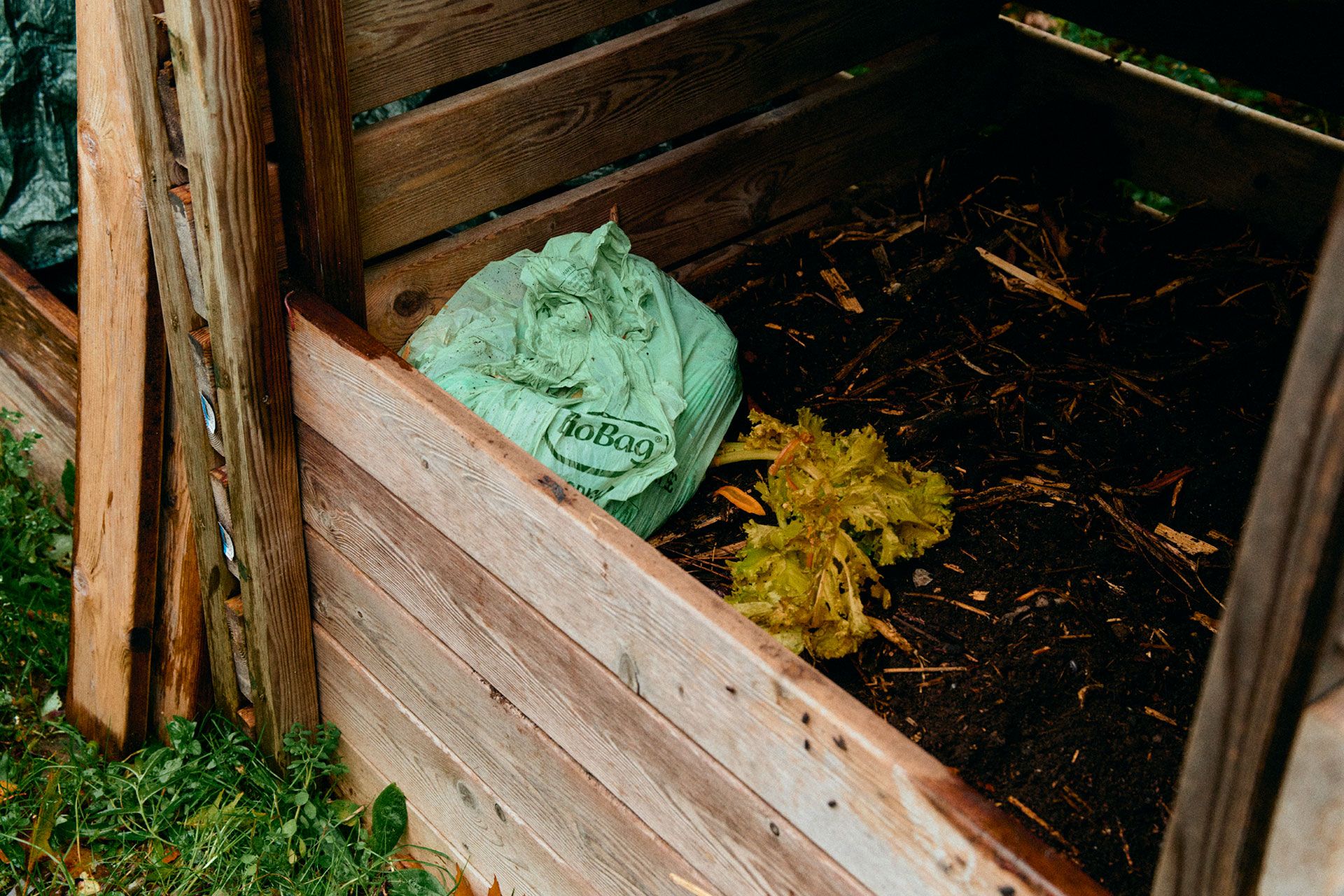
Composting is the controlled breakdown of organic materials such as fruit and vegetable scraps, leaves and garden trimmings. Most home composting is aerobic, which means that oxygen is part of the process. Bacteria, fungi and other organisms break down the organic material. In some compost systems, earthworms and insects also contribute. A well-managed compost normally has an earthy smell. If the material becomes compacted or too wet, there may not be enough oxygen and unpleasant odours can develop.
Building a healthy compost pile
A successful compost needs a mixture of carbon-rich “browns” and nitrogen-rich “greens.” Browns include dry leaves, small twigs, untreated wood chips, straw and torn cardboard. Greens include fruit and vegetable scraps, fresh grass clippings and other soft plant material.
As a simple starting point, add roughly two or three containers of browns for every container of greens. You do not need to measure everything precisely. If the compost becomes wet or starts to smell, add more dry brown material. If it remains dry and shows little activity, add greens and a little water.
The compost should feel damp like a wrung-out sponge, rather than soaked. Turning or mixing it occasionally introduces oxygen and helps distribute moisture. How frequently this is needed depends on the type of compost bin and how quickly you want the process to work.
What can go into a home compost?
- Fruit and vegetable peelings, cores and scraps
- Coffee grounds and paper coffee filters
- Loose tea leaves
- Crushed eggshells
- Grass clippings added in thin layers
- Leaves, small plant trimmings and soft garden waste
- Torn, uncoated cardboard and plain paper
- Small amounts of bread, rice and pasta
Some items require extra care. Tea bags can contain conventional plastic, so check the packaging before composting them. Paper cups and plates may contain plastic coatings and should only be added when they are clearly certified for home composting. Natural fibres should only be composted when you know they contain no synthetic fibres, unsuitable dyes or chemical treatments.
Does home compost need to reach 60°C?
No. A well-built compost pile may become warm or hot, especially when it contains a large amount of fresh material. However, most home compost systems do not maintain the high, controlled temperatures found in industrial composting facilities. Your compost does not have to remain at 60°C to work. Cooler composting is normal, but the process will generally take longer. Activity also slows during cold or dry weather.
Looking after your compost
A few simple checks can keep your compost working:
- If it smells unpleasant, mix it and add dry leaves or torn cardboard.
- If it is very dry, add some green material and a little water.
- If it is wet and compacted, add browns and create more airflow.
- Cut or tear larger materials into smaller pieces to help them break down.
- Cover exposed food scraps with brown material to discourage flies and pests.
- Give it time. Home composting naturally changes with the seasons.
You do not need to turn the compost twice every week. Frequent turning can speed up the process, but occasional mixing is sufficient for many home systems.
How to use finished compost
Finished compost should be dark, crumbly and earthy-smelling, with few recognisable pieces of the original material. Twigs and other woody pieces may take longer and can be returned to the compost pile.
Compost is a soil improver rather than a complete replacement for soil. Mix it into garden soil, add it around established plants or use it as an ingredient in a suitable potting mixture. Avoid using pure compost as the only growing medium unless you know it is appropriate for the plants involved.
Home composting takes a little patience, but it is a rewarding way to keep suitable organic materials in use and return valuable organic matter to your garden.
Happy composting!