Farmers & Agriculture
Lorem ipsum
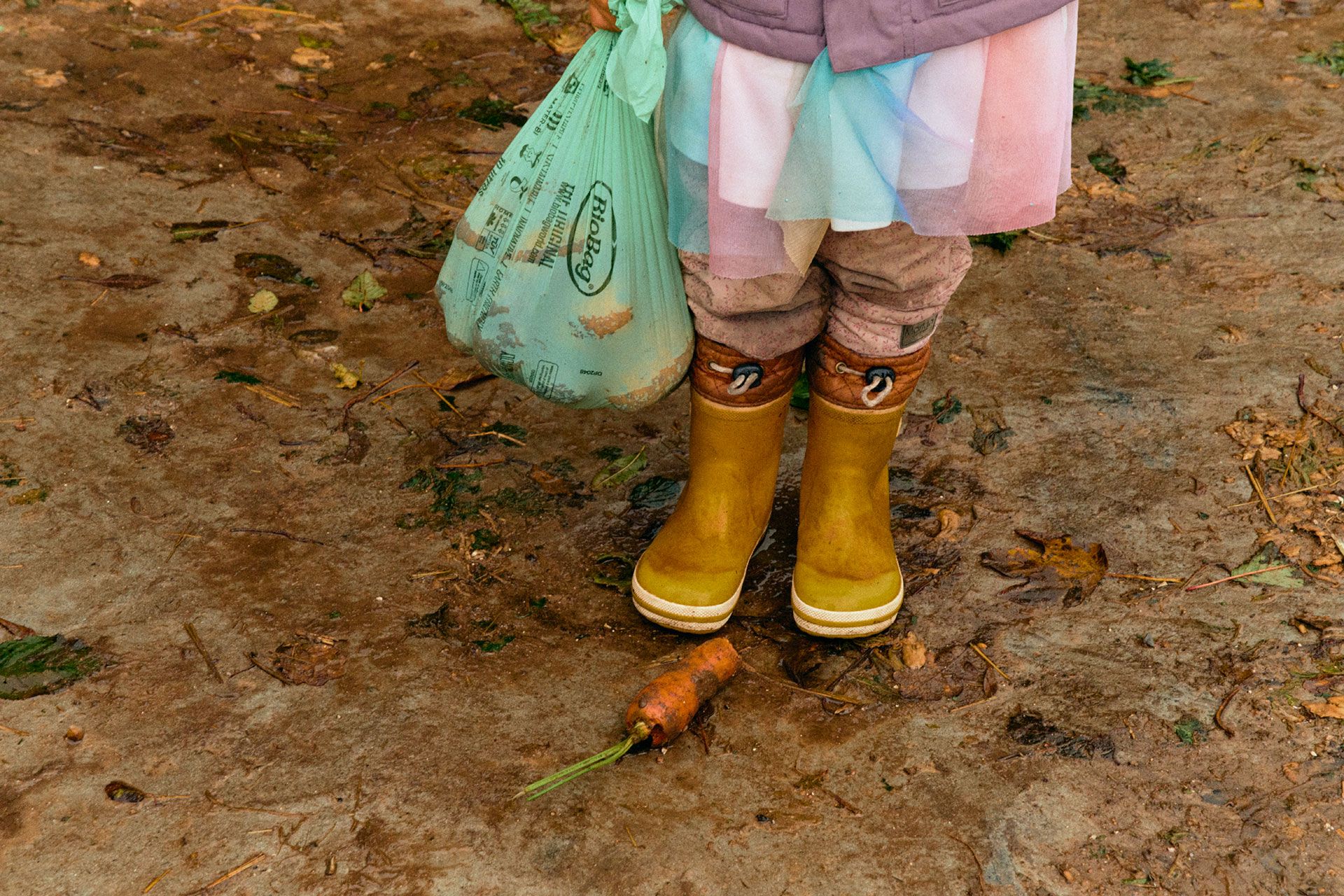
Creating a positive environmental impact starts with the soil, the foundation of all agriculture.
Soil health is crucial for sustainable agriculture. Unfortunately, much of the European farmland is no longer suitable for growing crops for human consumption due to soaring concentrations of microplastics. These microplastics often originate from the extensive use of conventional plastic mulch film, which breaks down into microplastic fragments over time, contaminating the soil. The irony is that while conventional plastic mulch film enhances short-term growth by protecting crops and keeping them moist, it ultimately compromises the soil's long-term health and productivity.
Conventional plastic mulch film tends to tear during use and is almost impossible to remove entirely after harvest without leaving microplastic fragments behind. These fragments accumulate in the soil, posing irreversible damage to soil health. This contamination not only affects the soil but also enters the food chain. Recent research indicates microplastics can migrate from the digestive system to other parts of the body, including the lungs and bloodstream.
Why switch to soil biodegradable mulch film?
- Soil biodegradable mulch film breaks down into water, carbon dioxide, and humus/biomass, enriching the soil without leaving harmful residues. This means no accumulation of microplastics and a healthier soil ecosystem.
- While initially more expensive, biodegradable mulch film proves cost-effective in the long run by eliminating the costs associated with plastic removal and disposal. There’s no need to pick up or dispose of remnants, saving both time and money.
- It is labour-efficient. Farmers can plough the remnants directly into the soil, simplifying field preparation for the next planting season and speeding up the germination and cultivation cycles.
- Soil biodegradable mulchfilm retains the equivalent great benefits as traditional agricultural film including utilizing the same machines to lay film, maintaining soil temperature, speeding up the germination and cultivation cycles, eliminating or reducing the use of herbicides and pesticides, and reducing water consumption.