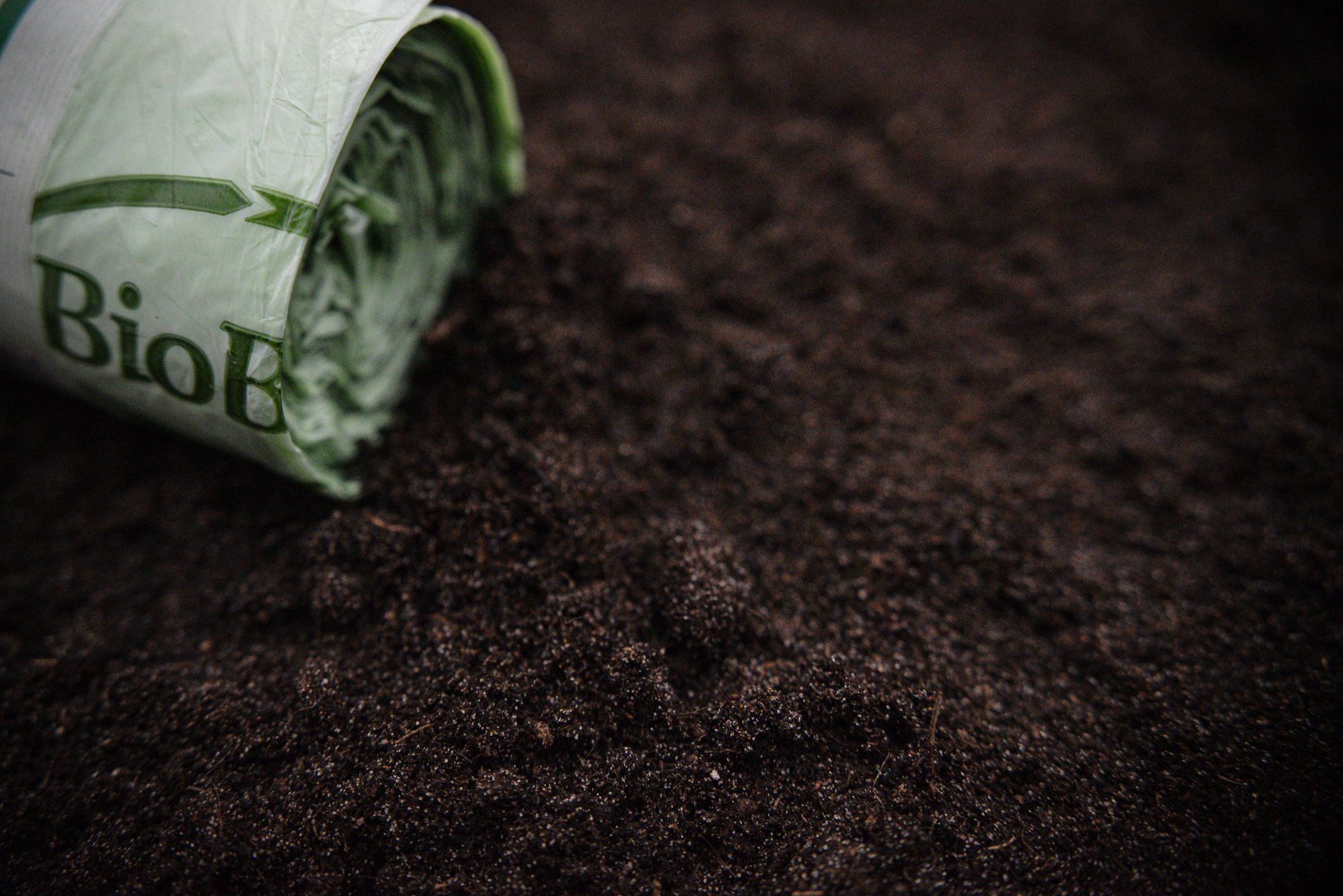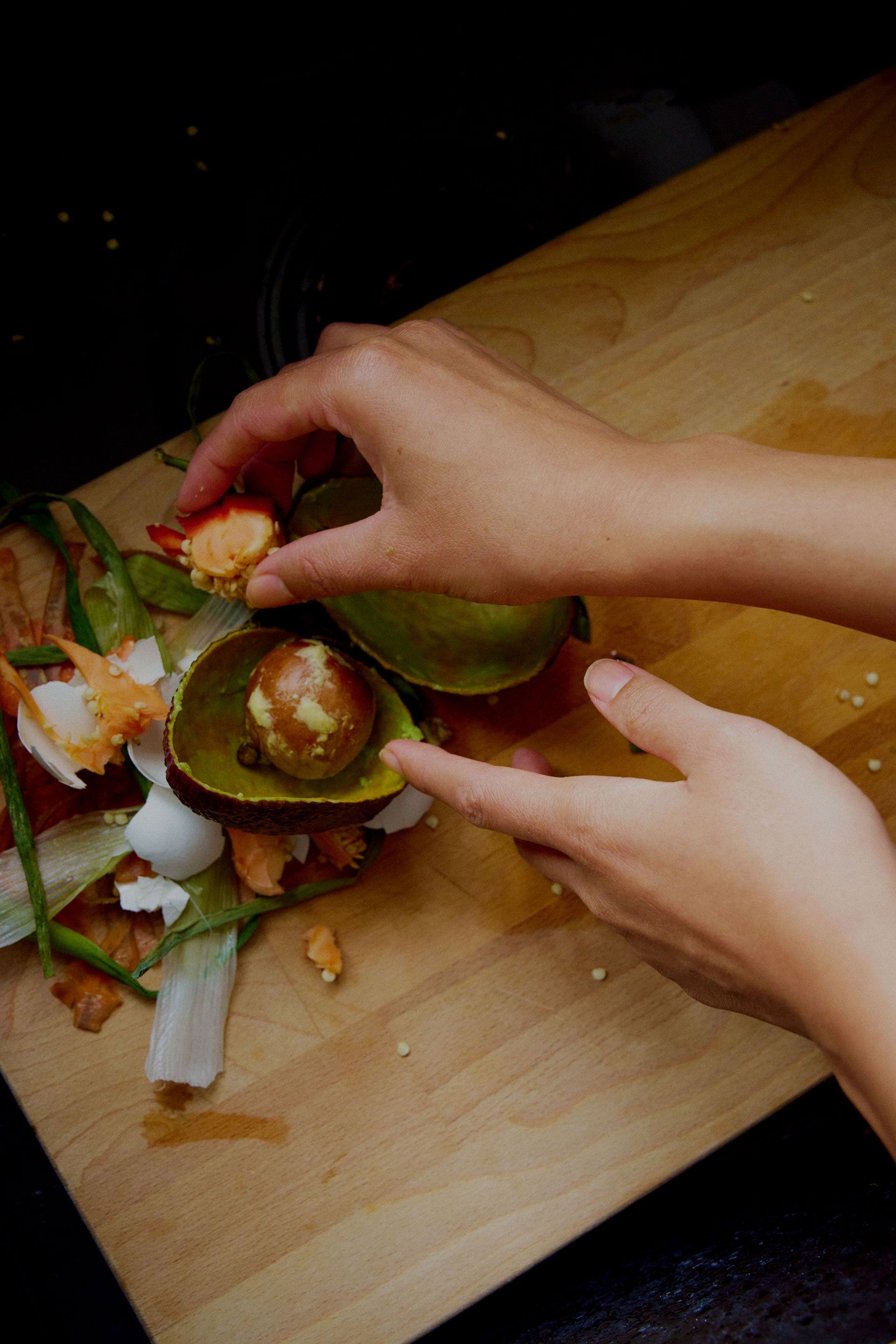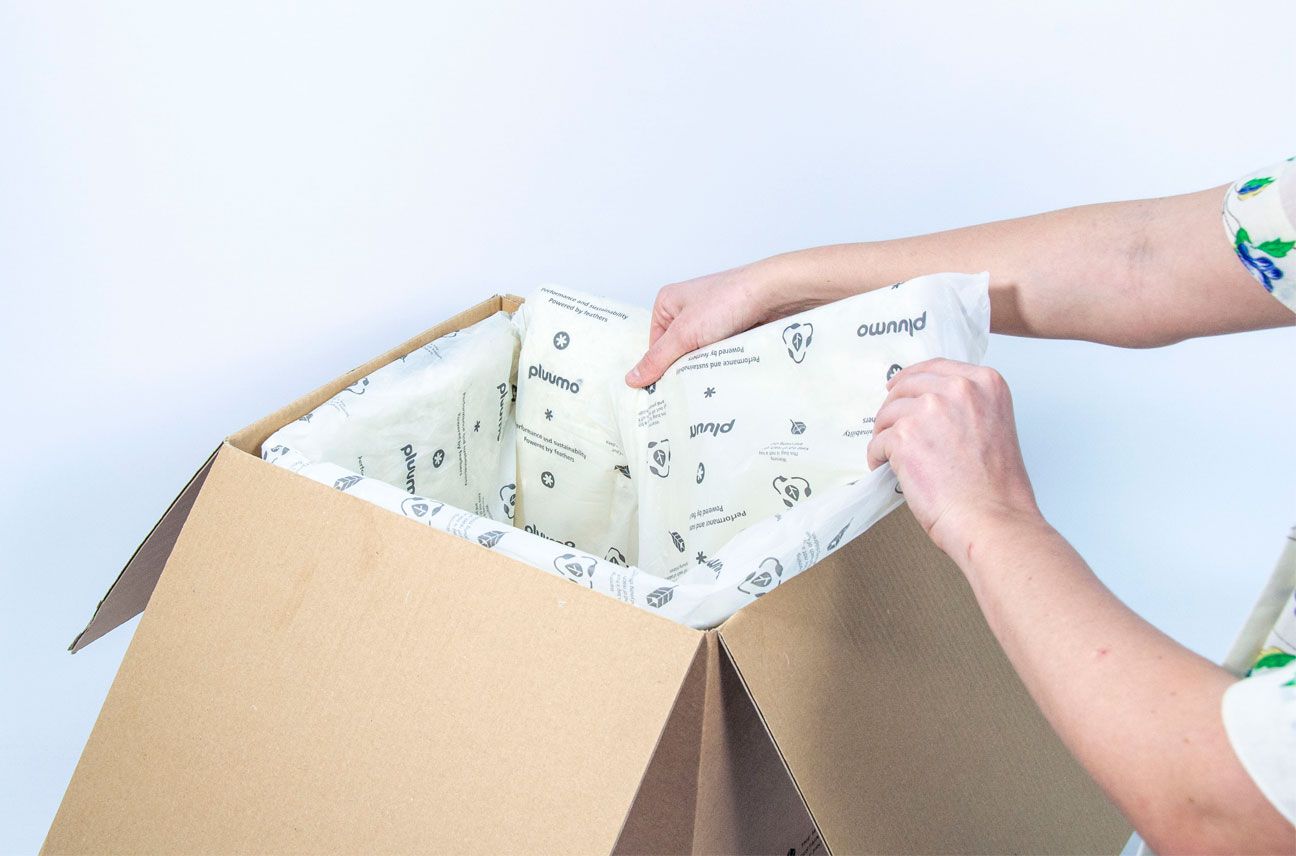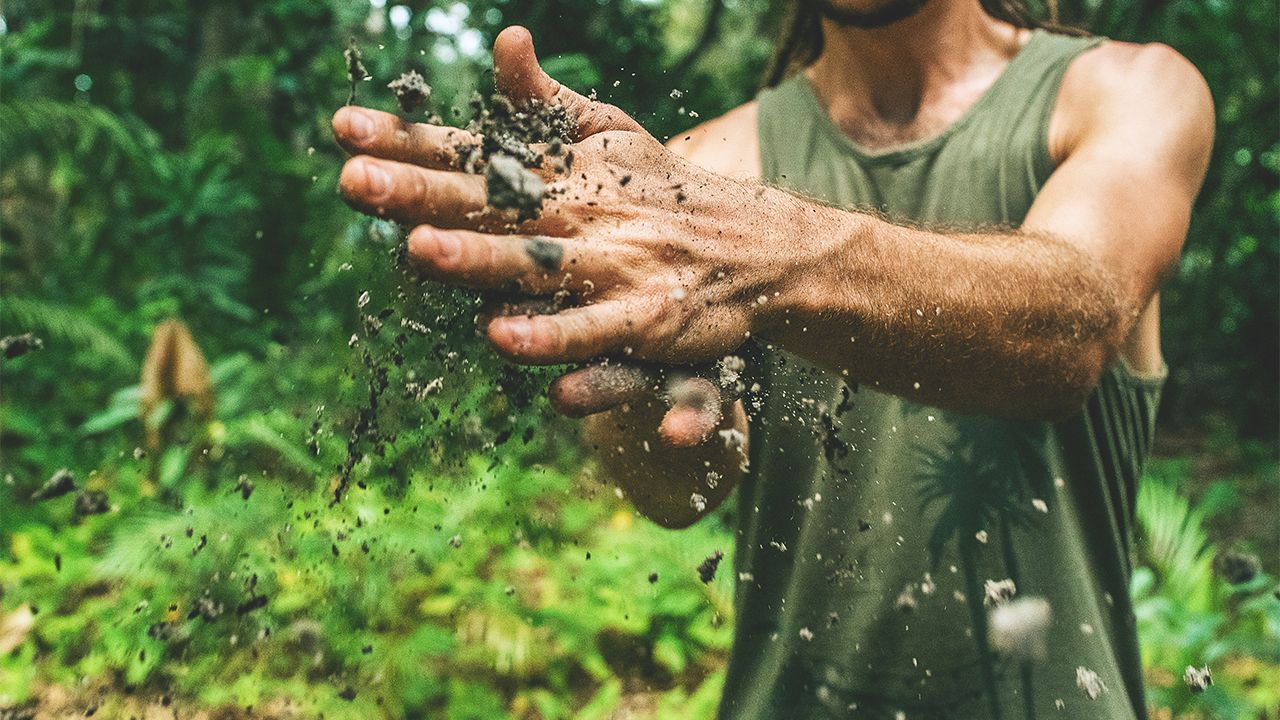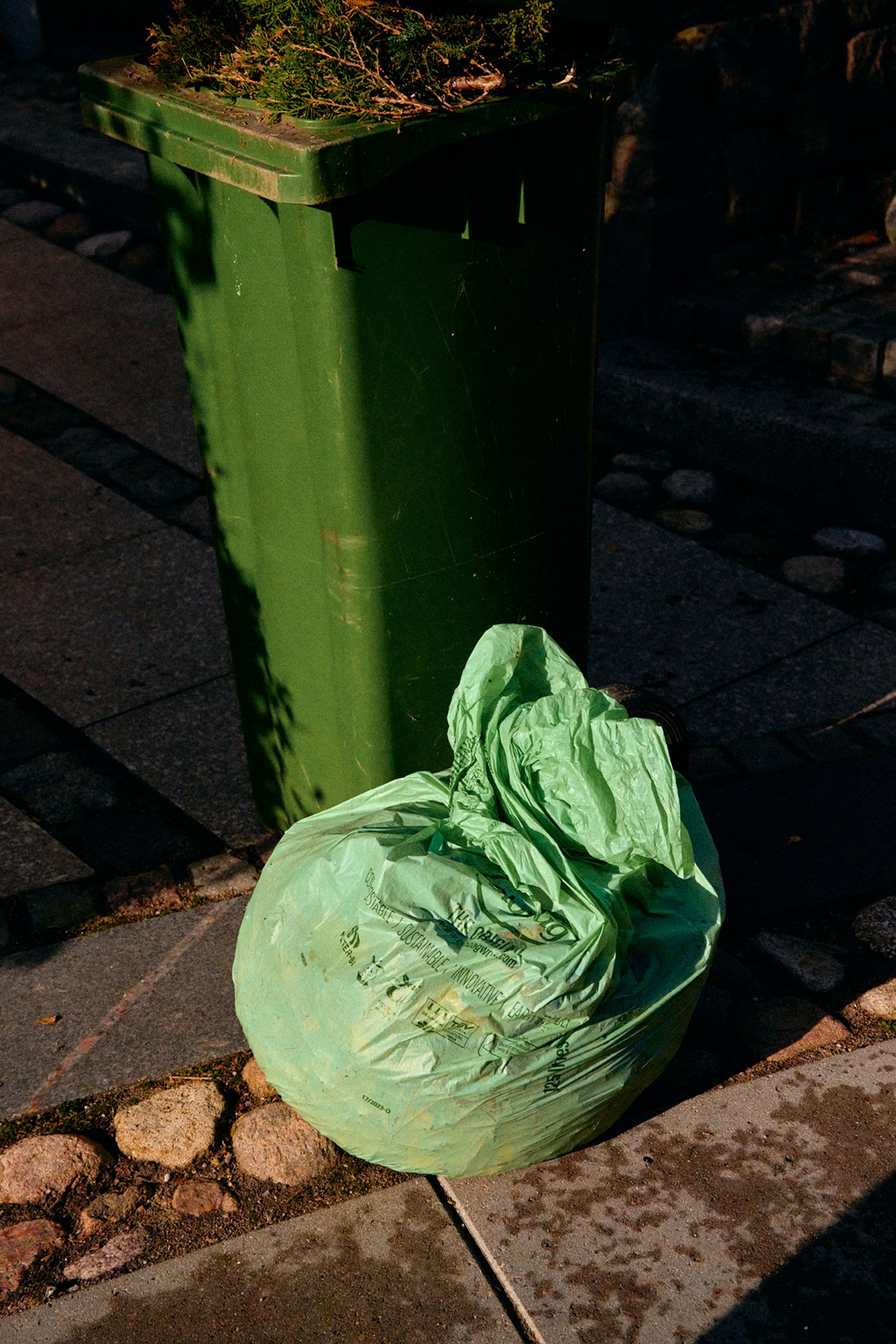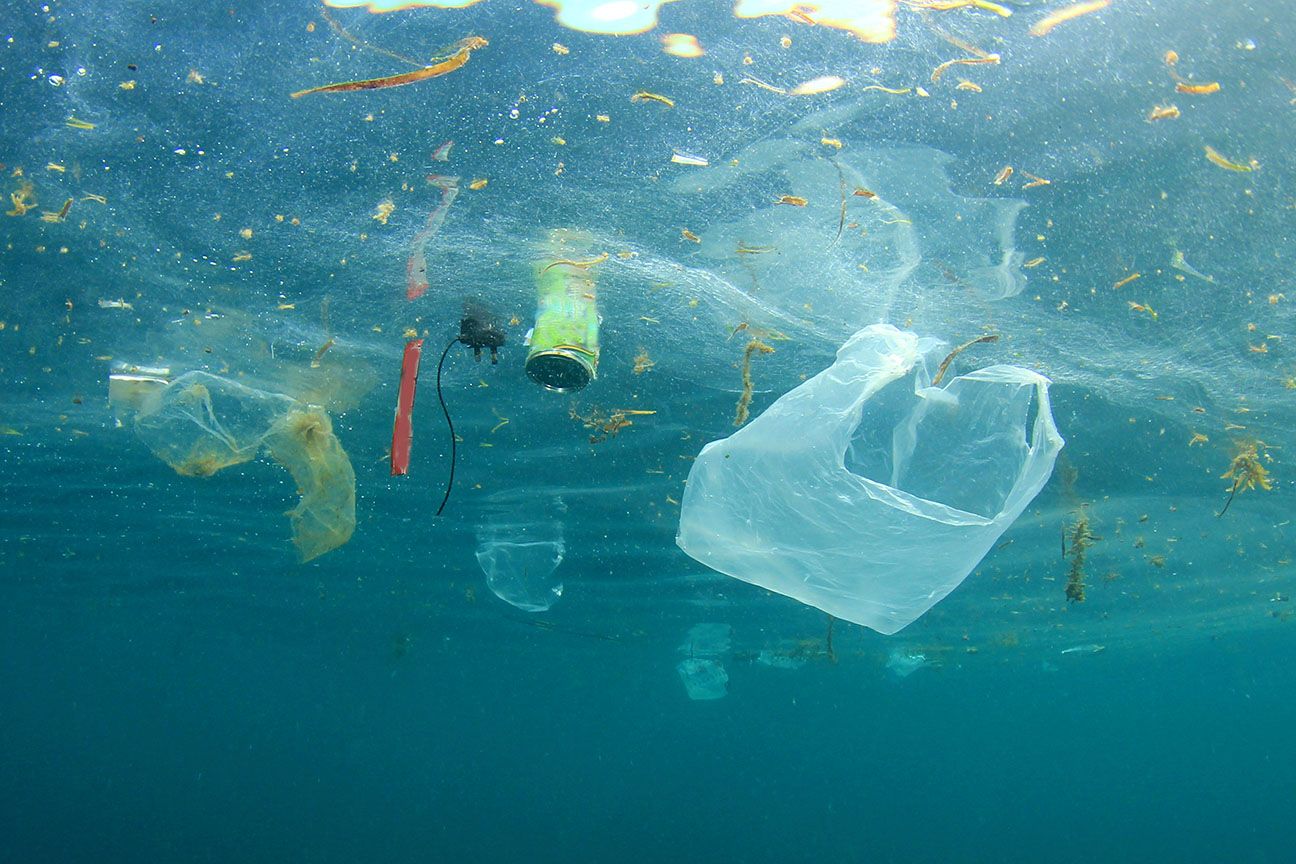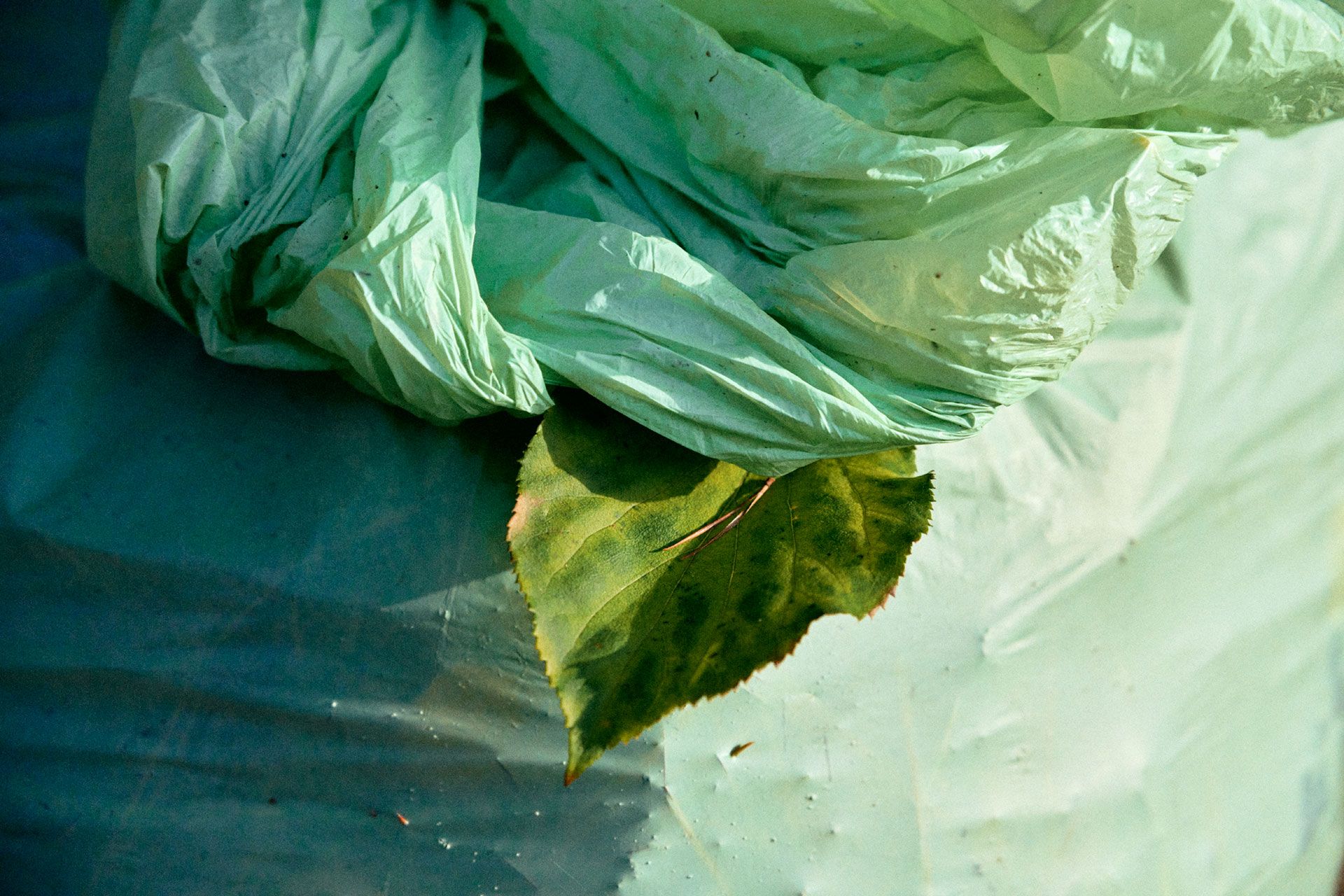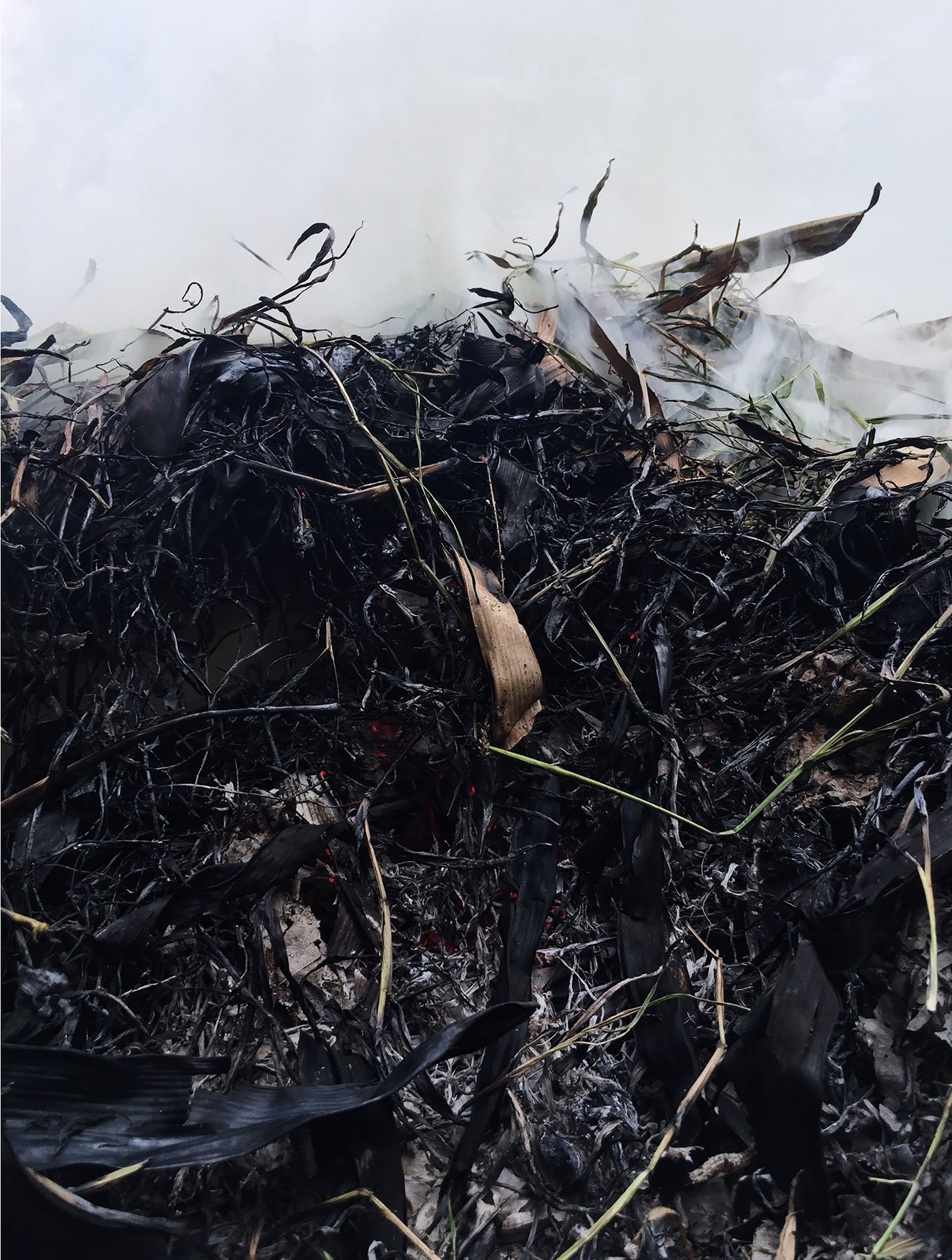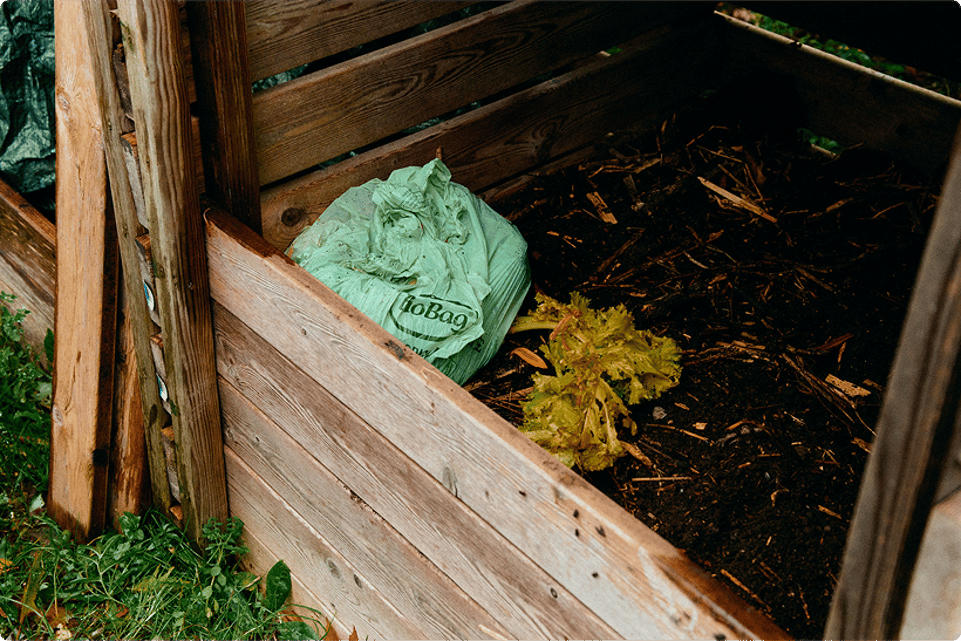
Organic waste and left-over foods make up more than 44% of global waste each year, adding up to almost 1 billion tons. This should be converted into biogas or composted and turned into nutrient rich compost to enrich our soils. In EU, only 25% of organic waste is composted, leaving much room for improvement. Using a certified compostable and biodegradable bag for organic waste collection will leave zero harmful persistent residue in the final compost or bio pulp. In contrast to conventional plastic which will enter our soil for hundreds of years and circle around as damaging microplastics.
1. Avoid microplastics in the field
Biobags are certified fully compostable and will always disappear within a brief period, in contrast to conventional plastics which will enter our environment for at least hundred years and circle around as damaging microplastics. When food waste is collected in a biobag destined for biogas production or turned into compost for agricultural land, Biobags will not leave microplast in the soil. The conditions under which the Biobag decomposes will determine how long the biodegradation process takes. There can be fragments looking like conventional plastic bits during biodegradation, either with composting or biogas production, but rest assure, it is not.
2. Weight reduction
Organic waste is one of the heaviest waste fractions meaning higher costs for transport, and pre-handling. Biobags are breathable allowing the moisture to evaporate and the waste to dry out, reducing the overall weight. Using a Biobag in a MaxAir, ventilated kitchen caddy, the evaporation can reduce its weight by 13% over three days.
3. Reduced CO2 emissions
Biobags emits roughly the same amount of CO2 during the production process as other bags, but because of the biogenic content of our bags, CO2 emissions will be lower if incinerated than a conventional plastic bag. Our bags are very elastic, making them strong and user-friendly. Some treatment plants may therefore decide to remove the bags before the organic waste is treated. The bags and residue after waste sorting are fully compostable with the bio pulp or final compost, but if a waste treatment plant decides to incinerate the bags, the CO2 emissions will be lower comparing to a conventional plastic bag.
4. Achieve a cleaner waste fraction
Citizens become more attentive to what they place in the organic waste bin when they receive a compostable bag from their municipality. In a Danish municipality the purity levels rose from 75% to 97% after switching to compostable food waste bag.
5. Recover energy and nutrient-rich compost
Every year, humankind produces almost 1 billion tons of organic waste. If we collect it in the normal bin with residual waste, it goes to an incineration facility to be burnt or left in a landfill to rot where it produces methane gas, which is 28 times as damaging than CO2. By using a compostable bag to collect our organic waste, the bag itself will become part of the waste it carries and allow us to recover the valuable resources within the organic waste, if converted into biogas or nutritious compost to grow new crops in. Additionally by sorting the organics out of the residual waste, the remaining waste and recycling fraction are less contaminated, easier to handle and more valuable.