ArticleCommercial Business & InstitutionsFarmers & Agriculture

The role of bioplastic in a circular economy

Written by The Biobag Team
biobag
Stay inspired. Stay up to date.

Join the Biobag community and get practical tips, real stories, and updates on how compostable choices are making a difference — in homes, cities, and businesses.

Subscribe to our newsletter
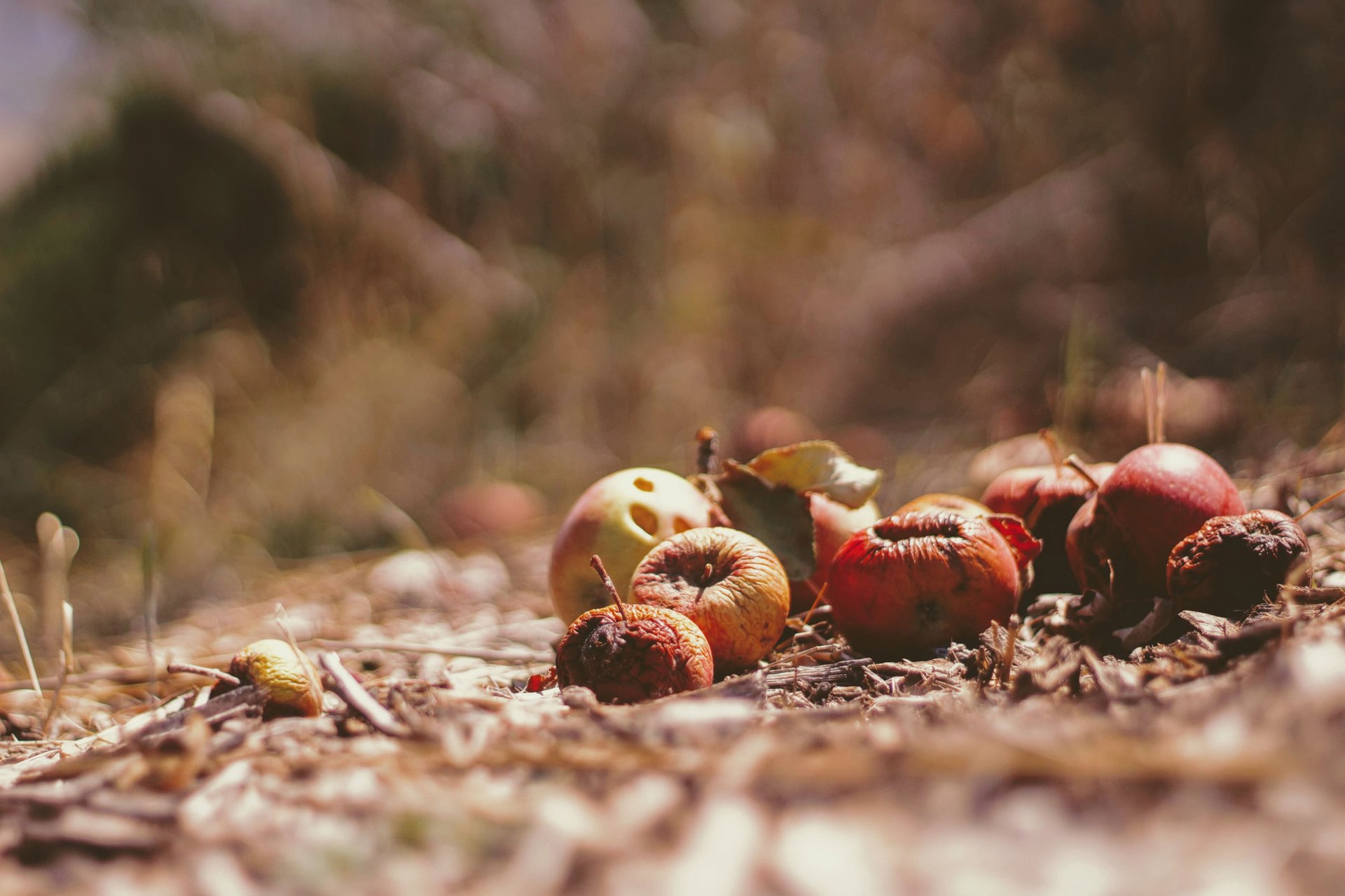
Biobag apple

Biobags are made of Mater-Bi, a compostable raw material produced by Novamont. Mater-Bi biodegradable plastic was developed to shift organic waste away from waste disposal sites and incinerators and towards biological decomposition, thereby producing compost to improve the soil.

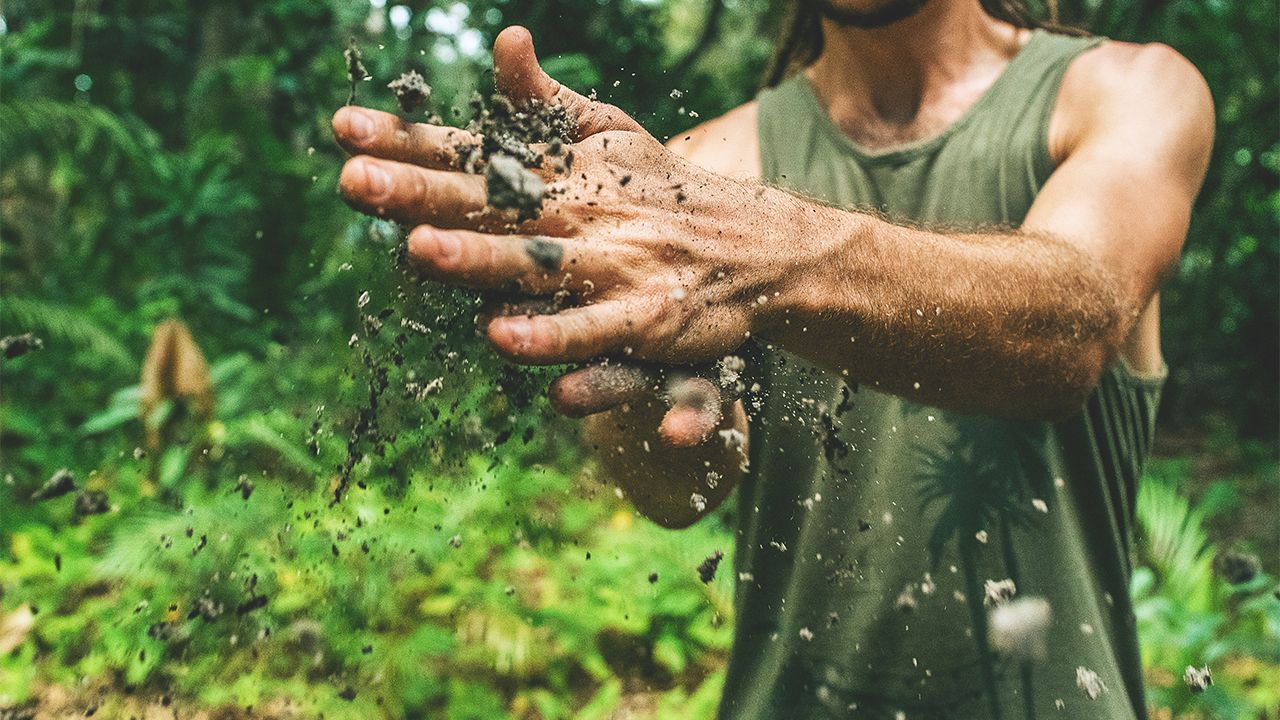
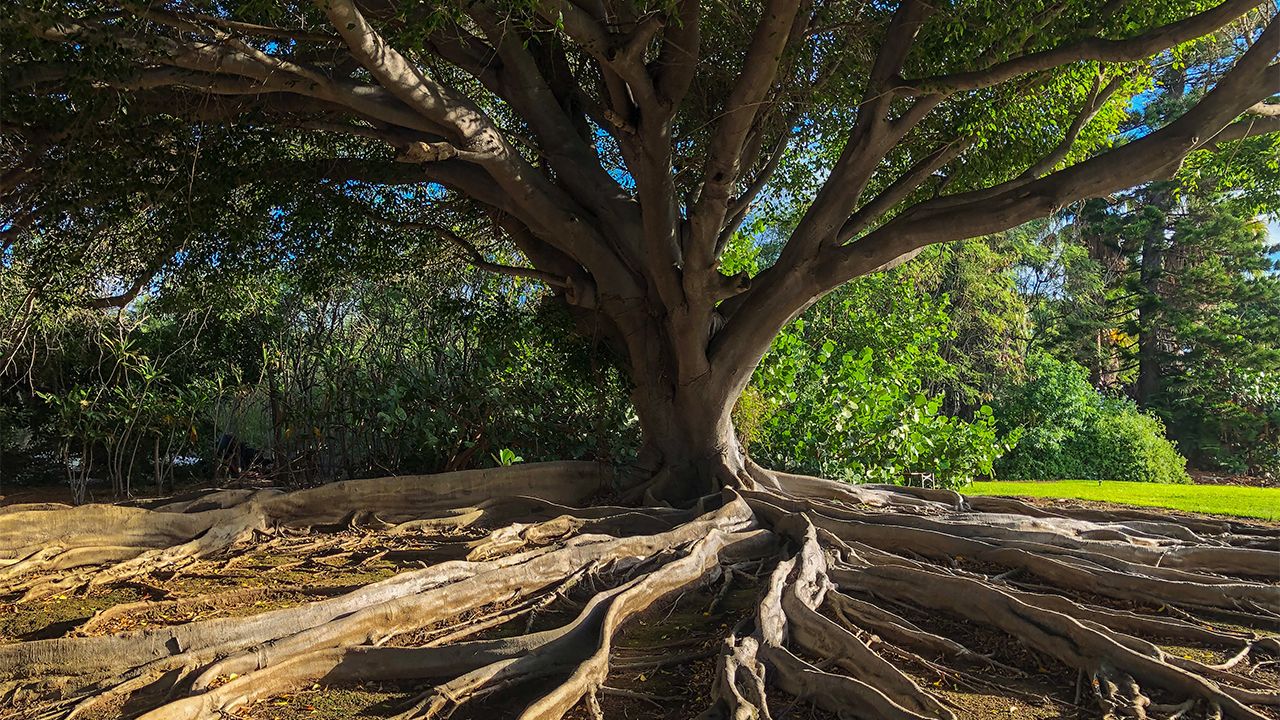
We all know that soil needs nutrients in order to remain fertile but did you know that soil is a limited resource? It is expected that the amount of cultivable soil per capita in the world will be halved by the time we reach 2050 due to development, erosion, and deforestation.

Novamont is a global leader in the field of bioeconomies and Catia Bastioli, CEO, is a pioneer in the development of production processes and products that can help decarbonise the economy – i.e. reduce CO2 emissions. “We don’t simply produce products. Everyone agrees it’s great to produce sustainable products. But we also need to be aware of the economic mindset we wish to aim for. In addition to products there must also be an interest in quality of life for people,” Catia Bastioli explains. 
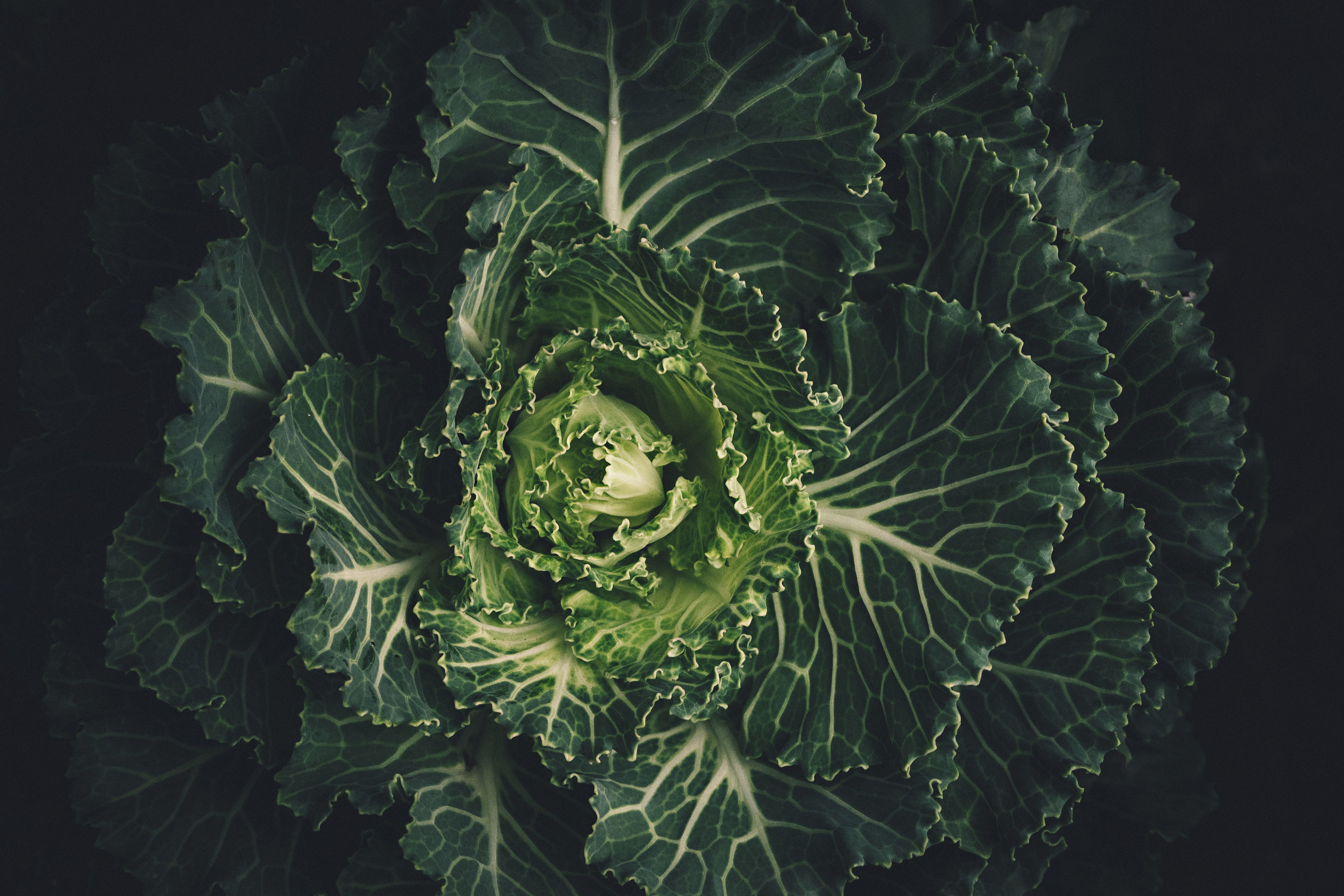
Biobag cabbage

“Soil is not renewable and it takes more than 2000 years to form a 10 cm layer of soil. But our lives depend on the soil – all production of food begins in the soil and soil binds enormous quantities of CO2 that would otherwise be released into the atmosphere. But in spite of this, the UN’s Food and Agriculture Organisation assesses that 33% of the planet’s soil is degraded and damaged by chemical contamination, acidification, nutrient imbalance and more,” says Novamont CEO, Catia Bastioli.

“If everyone knew that soil fertility, which is the basis of our food supply, was not renewable it would be a lot easier to create a sense of individual and collective responsibility.” “The combined effects of climate change and an exhausted soil can, over the course of the next 30 years, reduce agricultural output by half in some drought-affected regions. Globally, we need much more organic material and a comprehensive separation of food waste and organic materials can help contribute to that,” says Catia Bastioli.

biobag
What is a Circular Economy?

Circular economies move us away from the linear Take-Make-Waste extractive model and towards an environmentally friendly economy in which production and consumption occur in a closed circle. In a circular economy, materials must be renewable and it is essential to avoid waste and wastage by designing materials, products and business models that are based on reuse. 

In a biological circular economy, food waste and other organic materials are broken down into compost that can be used for soil enrichment.

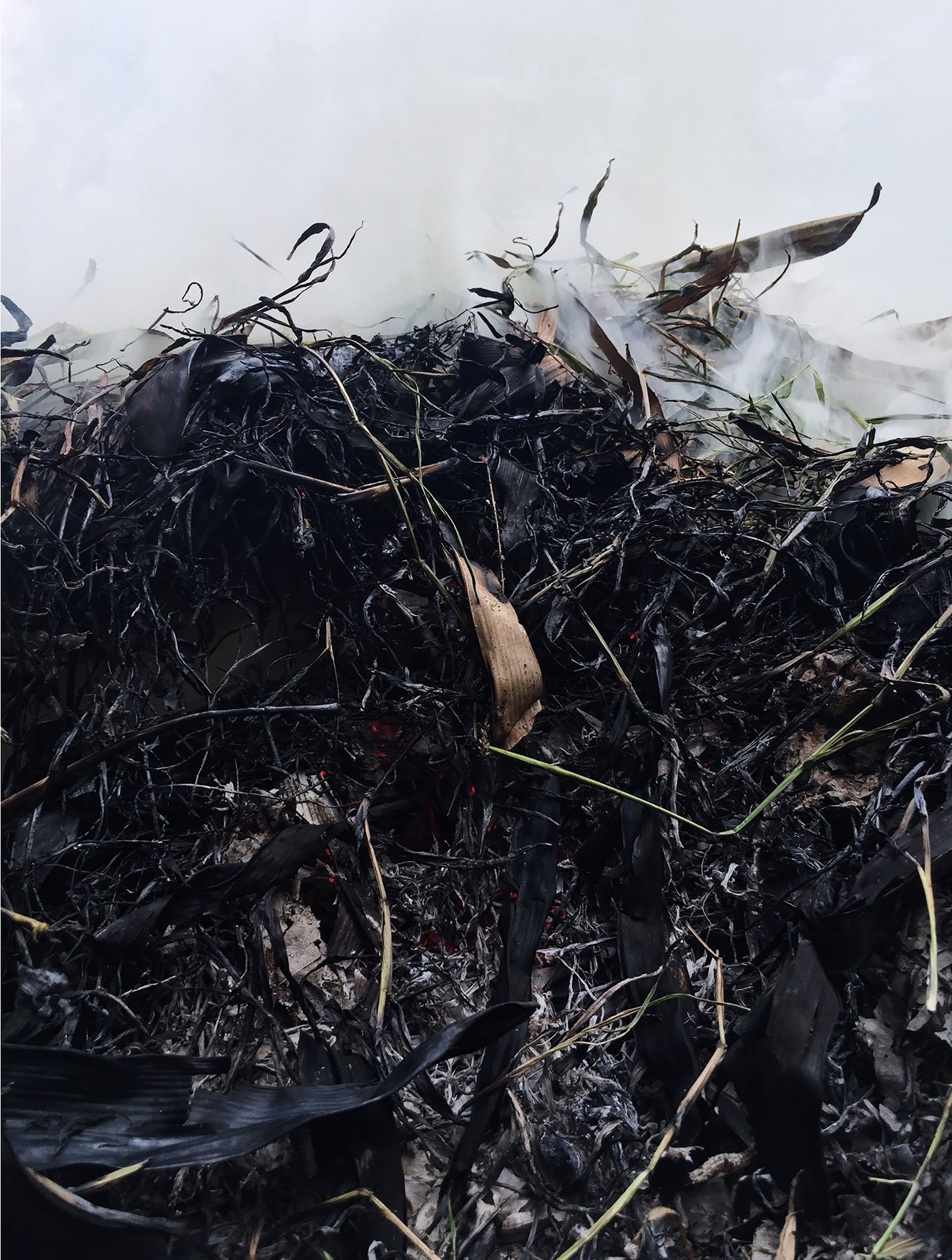
Composting is a decomposition process that generates carbon dioxide, which is far less harmful in relation to global heating than methane gas. In addition to carbon dioxide, compost contains other nutrients that can enrich and elevate soil quality. By using compost to grow foodstuffs we can limit the use of artificial fertilisers and irrigation.

Sustainable products that are biodegradable, for example, compostable bioplastic, can help avoid an accumulation of non-natural and non-degradable contamination in the environment, traditional plastics, for example. Thereby achieving improved soil and water quality that can enrich the ecosystem. Soil and water retain their quality and become an integrated part of rebuilding and production.

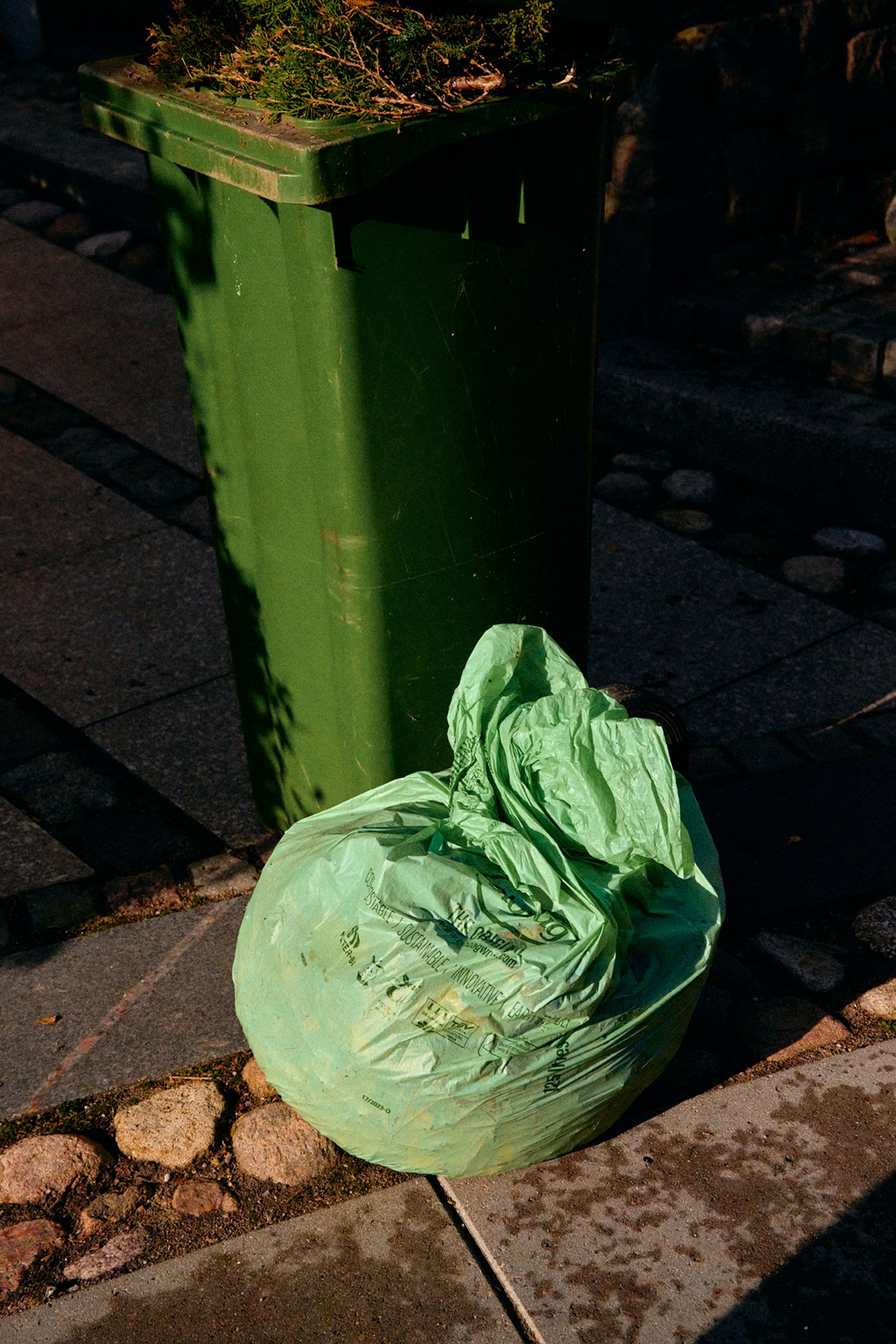
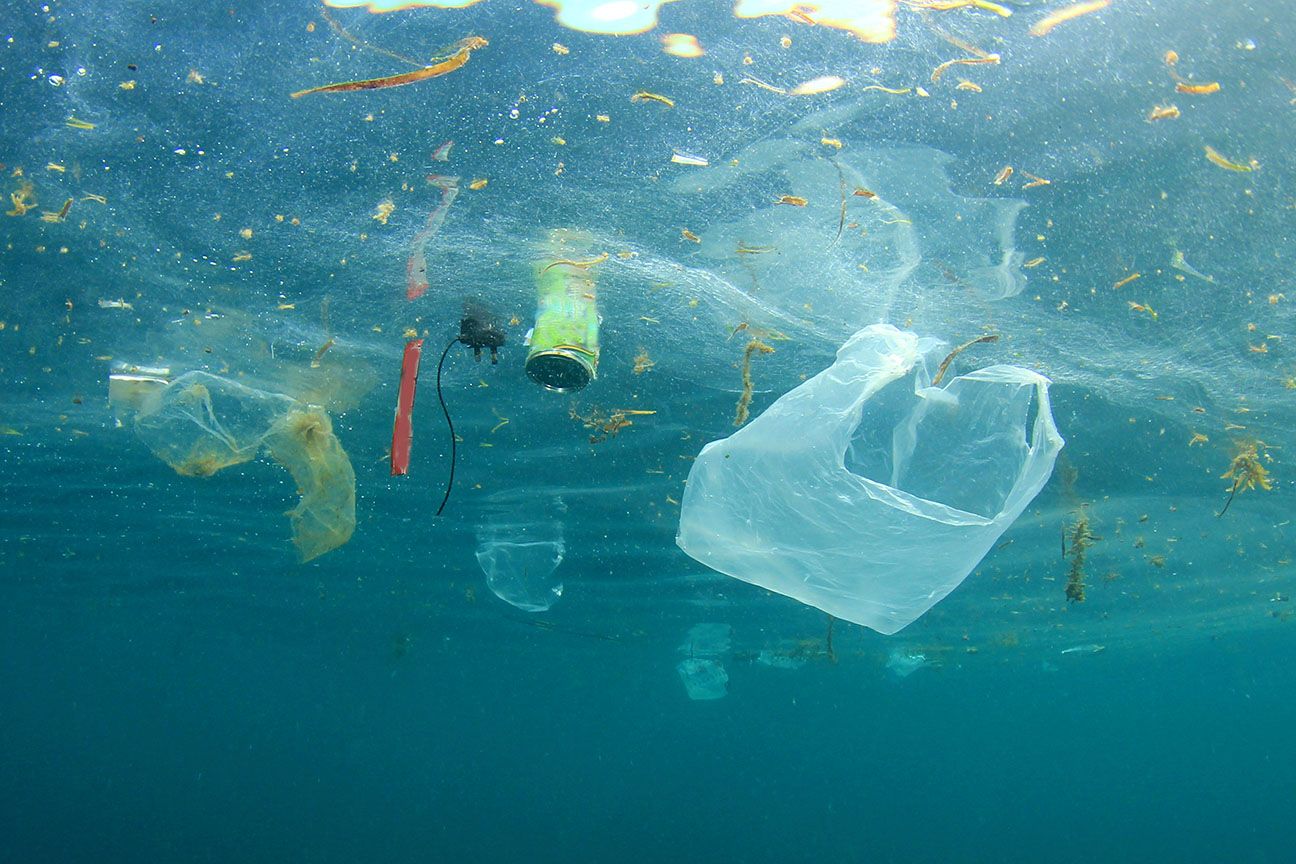
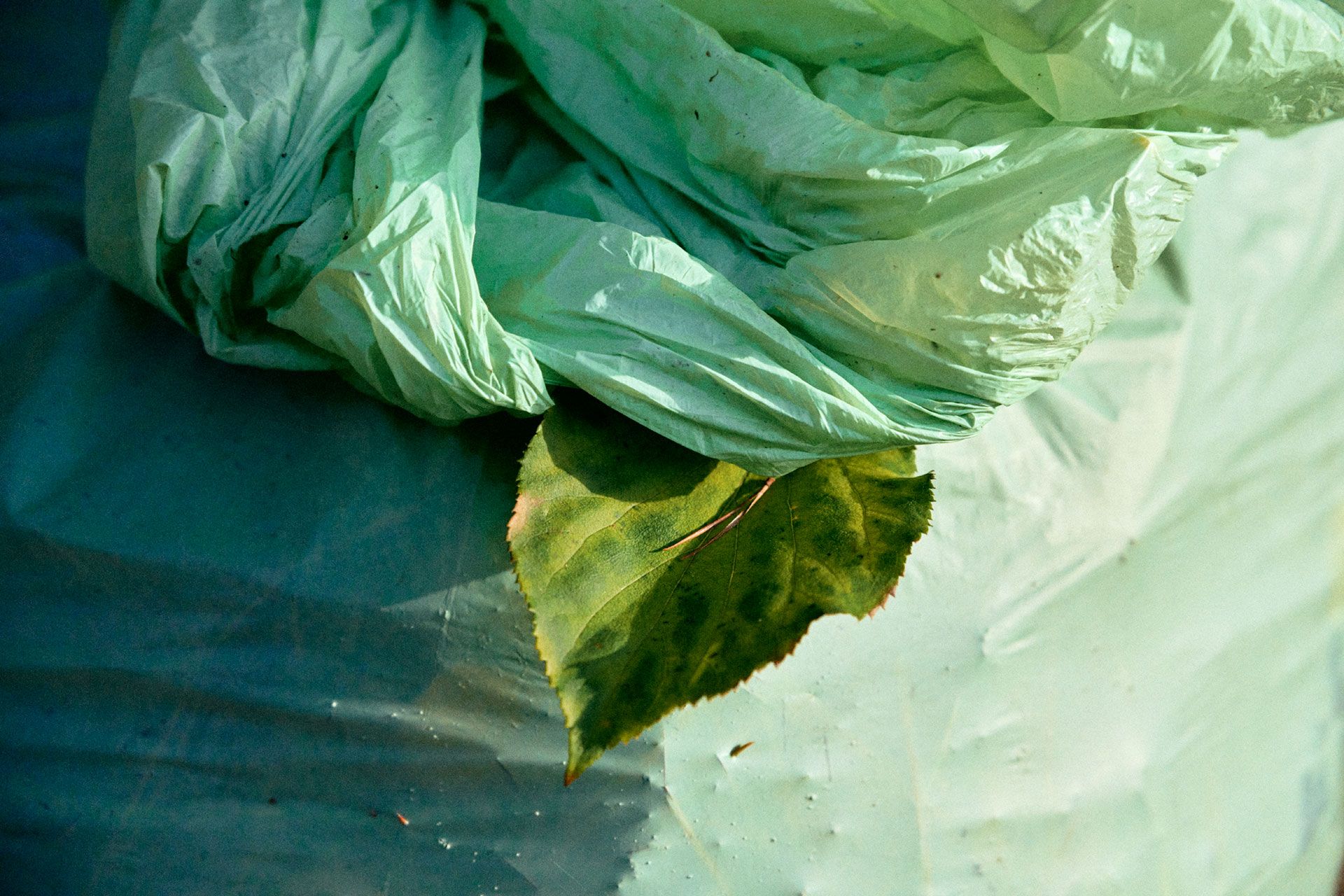
When municipalities use conventional plastic bags for collection of food waste, the remnants from the bags will contaminate agricultural land and, year after year, this plastic will accumulate and make our agricultural soil poorer over time. A compostable Biobag will, in contrast, decompose in the soil and become water, CO2 and humus.

Only two percent of the entire world’s consumption of plastic is reused for the same purpose and only 12 % is downcycled, i.e. it is reused but in a product of poorer quality than the original. Production and consumption must be circular so that we use the fewest resources possible, use those resources sensibly and then ensure that they can be reused. Much of the thin plastic packaging we use for foodstuffs is difficult to reuse and is often lined with food residue. If this type of packaging was made from compostable plastic and we also had multiple composting plants, this widespread form of packaging could be collected together with food waste and composted. This would also result in that fraction still using conventional plastic being cleaner and therefore easier to reuse” explains Catia Bastioli.

European Bioplastics has clear guidelines for when they believe it is best to use compostable plastics instead of conventional plastic:

  • Food waste bags
  • Very thin plastic bags / bags with fruit and vegetables
  • Tea bags
  • Coffee capsules, coffee pads, coffee filters
  • Fruit labels
  • Wrapping film (and / in combination with) stickers / labels for fresh produce
  • Paper towels
  • Refreshment articles such as cups, trays, plates, utensils
  • Flexible multi-material packaging for perishable foodstuffs
Share this article:
Biobag Inspiration

Stories, tools, and ideas to help you make an impact.

We make it easier to choose compostable solutions and build better habits — whether you're at home, at work, or running a city-wide programme.

EU report concludes that bioplastics play an important role in circular economy

Plastic has changed our everyday lives and, in many ways, making it more comfortable. Plastic has, however, also created a significant pollution problem for animals, humans and the environment. Everything points towards plastic production will continue to increase.

Sustainability & ImpactCommercial Business & InstitutionsFarmers & AgricultureArticle

Nine reasons to choose Biobags

Compostable waste bags for organic waste collection.

Farmers & AgricultureArticle

The importance of good soil health

Much of European farmland is sadly no longer suitable, or even able, to grow crops for human consumption.

Farmers & AgricultureArticle
Soil Alert

Soil Alert

In the EU alone, 60-70% of our farmland is considered to be unhealthy. We need healthy farmland to be able to grow crops, fruits, and vegetables to feed the human population.

Sustainability & ImpactCommercial Business & InstitutionsArticle
A side order of microplastics, anyone?

A side order of microplastics, anyone?

Since its invention, humankind has produced app. 9 billion tons of conventional plastic. Sadly most of it is still here on Earth.

Sustainability & ImpactEveryone & EverywhereArticle
Biobag is part of Novamont Group, which is proud to be a Certified B Corp™

Biobag is part of Novamont Group, which is proud to be a Certified B Corp™

We’re proud to share that Biobag Group has been independently verified through the B Corp Impact Assessment, achieving a score of 86.3.

RetailersMunicipalitiesFarmers & AgricultureEveryone & EverywhereCommercial Business & InstitutionsArticle
Organic waste: an environmental threat or the best solution ever?

Organic waste: an environmental threat or the best solution ever?

Surprisingly, organic waste like left-over food, vegetable skins, fruit peels, etc. is one of the top-5 threats to global warming.

Sustainability & ImpactEveryone & EverywhereArticle
Sustainable packaging from feathers and compostable plastic

Sustainable packaging from feathers and compostable plastic

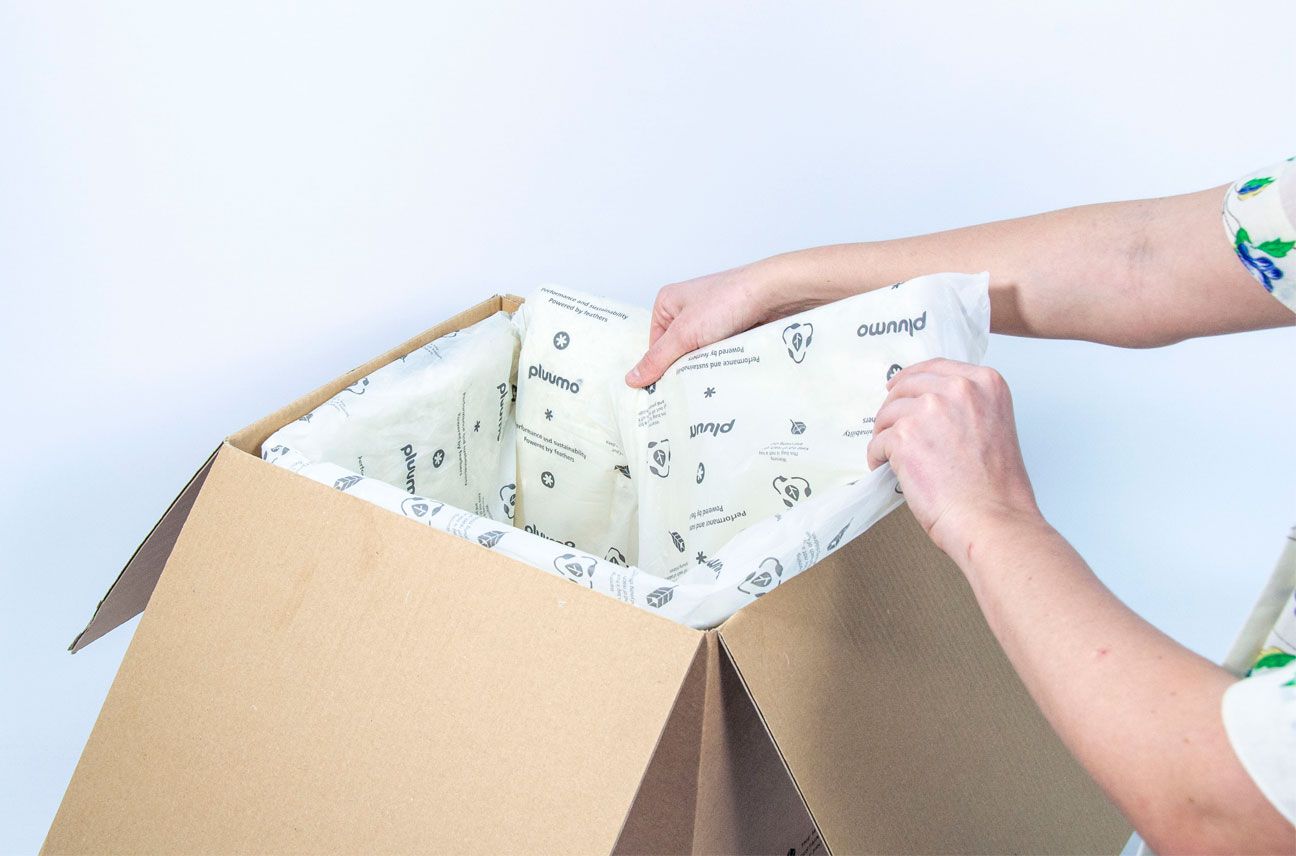
London-based startup Aeropowder has shown the way by creating Pluumo - a high-performance insulation material, that not only makes better use of surplus feather waste, but also gives a sustainable alternative to packaging materials such as polystyrene.

Commercial Business & InstitutionsArticle
Sustainable packaging from feathers and compostable plastic

Sustainable packaging from feathers and compostable plastic

London-based startup Aeropowder has shown the way by creating Pluumo - a high-performance insulation material, that not only makes better use of surplus feather waste, but also gives a sustainable alternative to packaging materials such as polystyrene.

Commercial Business & InstitutionsArticle
Sustainable packaging from feathers and compostable plastic

Sustainable packaging from feathers and compostable plastic

London-based startup Aeropowder has shown the way by creating Pluumo - a high-performance insulation material, that not only makes better use of surplus feather waste, but also gives a sustainable alternative to packaging materials such as polystyrene.

Commercial Business & InstitutionsArticle
Will compostable bioplastic be part of the EU's soil strategy?

Will compostable bioplastic be part of the EU's soil strategy?

Soil underpins our food systems and biodiversity, yet 60–70% in the EU is unhealthy. Each year a billion tons erode, costing agriculture about €1.25 billion.

Sustainability & ImpactCommercial Business & InstitutionsMunicipalitiesEveryone & EverywhereArticle
Bioplastics recognised by United Nations as a sustainable alternative to conventional plastic

Bioplastics recognised by United Nations as a sustainable alternative to conventional plastic

Plastic is everywhere and has changed our daily lives. It is durable and convenient, but large amounts end up in nature, harming the environment, animals, and human health.

Sustainability & ImpactCommercial Business & InstitutionsFarmers & AgricultureArticle
Bioplastics recognised by United Nations as a sustainable alternative to conventional plastic

Bioplastics recognised by United Nations as a sustainable alternative to conventional plastic

Plastic is everywhere and has changed our daily lives. It is durable and convenient, but large amounts end up in nature, harming the environment, animals, and human health.

Sustainability & ImpactCommercial Business & InstitutionsFarmers & AgricultureArticle
Bioplastics recognised by United Nations as a sustainable alternative to conventional plastic

Bioplastics recognised by United Nations as a sustainable alternative to conventional plastic

Plastic is everywhere and it has changed our daily life. It is durable and convenient, but unfortunately large amounts end up in the nature which has a significant negative effect on the environment, animals, and human health.

Sustainability & ImpactCommercial Business & InstitutionsFarmers & AgricultureArticle
Microplastics are everywhere - but what are the consequences?

Microplastics are everywhere - but what are the consequences?

Microplastics are increasingly found in nature, and while their full impact is still unclear, they are seen as one of the biggest environmental challenges for humans and the planet.

Everyone & EverywhereArticle
Microplastics are everywhere - but what are the consequences?

Microplastics are everywhere - but what are the consequences?

Microplastics are increasingly found in nature, and while their full impact is still unclear, they are seen as one of the biggest environmental challenges for humans and the planet.

Sustainability & ImpactEveryone & EverywhereArticle
Microplastics are everywhere - but what are the consequences?

Microplastics are everywhere - but what are the consequences?

Microplastics are increasingly found in the natural world, and while it is not yet certain what the consequence of the tiny pieces of plastic will be, there is no doubt that this is a growing issue. In fact, scientists see microplastics as one of the biggest environmental challenges for both humans and nature.

Everyone & EverywhereArticle
Life depends on healthy soil

Life depends on healthy soil

Experts come with an interesting message about certified compostable waste bags that contradicts previous information!

Farmers & AgricultureArticle

EU report concludes that bioplastics play an important role in circular economy

Plastic has changed our everyday lives and, in many ways, making it more comfortable. Plastic has, however, also created a significant pollution problem for animals, humans and the environment. Everything points towards plastic production will continue to increase.

Policy & RegulationsSustainability & ImpactMunicipalitiesFarmers & AgricultureCommercial Business & InstitutionsArticle

EU report concludes that bioplastics play an important role in circular economy

Conventional plastic has made life more convenient but also created major pollution for animals, humans, and the environment - and production keeps rising.

Policy & RegulationsSustainability & ImpactMunicipalitiesFarmers & AgricultureCommercial Business & InstitutionsArticle
Biobag Ireland UK is now certified by Cré for use in Irish food waste bins.

Biobag Ireland UK is now certified by Cré for use in Irish food waste bins.

Biobag Ireland UK is the first retail range of compostable bags certified for use in Irish food waste (brown) bins. Awarded by Cré IRELAND, this certification is the only Irish scheme providing independent assessment of compostable products.

Sustainability & ImpactComposting & Soil HealthEveryone & EverywhereMunicipalitiesCommercial Business & InstitutionsRetailersFood Service & HospitalityArticle
Novamont Acquires Biobag and strengthens its leadership and global presence

Novamont Acquires Biobag and strengthens its leadership and global presence

Italy’s Novamont, a world leader in the development and production of biochemicals and compostable bioplastics, announced today it has acquired Biobag Group, a Norway based leading supplier of low-impact solutions for waste collection and packaging. The acquisition will allow Novamont to benefit from Biobag’s highly specialised independent distribution in areas where the buyer is less present.

Everyone & EverywhereArticle
Novamont Acquires Biobag and strengthens its leadership and global presence

Novamont Acquires Biobag and strengthens its leadership and global presence

Italy’s Novamont, a global leader in biochemicals and compostable bioplastics, has acquired Biobag Group, a Norway-based supplier of low-impact solutions for waste collection and packaging.

Sustainability & ImpactProduct & Material InnovationEveryone & EverywhereCommercial Business & InstitutionsMunicipalitiesRetailersFood Service & HospitalityArticle
Novamont Acquires Biobag and strengthens its leadership and global presence

Novamont Acquires Biobag and strengthens its leadership and global presence

Italy’s Novamont, a world leader in the development and production of biochemicals and compostable bioplastics, announced today it has acquired Biobag Group, a Norway based leading supplier of low-impact solutions for waste collection and packaging.

Sustainability & ImpactProduct & Material InnovationEveryone & EverywhereCommercial Business & InstitutionsMunicipalitiesRetailersFood Service & HospitalityArticle
Study confirms Biobags disappear in natural environments

Study confirms Biobags disappear in natural environments

The results of a two year study in the USA have confirmed biodegradable plastic alternatives like Biobags help prevent plastic pollution.

Sustainability & ImpactEnvironment & ClimateEveryone & EverywhereCommercial Business & InstitutionsFood Service & HospitalityRetailersArticle
Study confirms Biobags disappear in natural environments

Study confirms Biobags disappear in natural environments

The results of a 2 year study in the USA have confirmed biodegradable plastic alternatives like Biobags help prevent plastic pollution.

Sustainability & ImpactEnvironment & ClimateEveryone & EverywhereCommercial Business & InstitutionsFood Service & HospitalityRetailersArticle
Study confirms Biobags disappear in natural environments

Study confirms Biobags disappear in natural environments

How did they test that biobags completely degraded in nature?

Sustainability & ImpactEveryone & EverywhereMunicipalitiesArticle
Study confirms Biobags disappear in natural environments

Study confirms Biobags disappear in natural environments

The results of a two year study in the USA have confirmed biodegradable plastic alternatives like Biobags help prevent plastic pollution.

Sustainability & ImpactEnvironment & ClimateEveryone & EverywhereCommercial Business & InstitutionsFood Service & HospitalityRetailersArticle
Study confirms Biobags disappear in natural environments

Study confirms Biobags disappear in natural environments

How did they test that biobags completely degraded in nature?

Sustainability & ImpactEnvironment & ClimateEveryone & EverywhereCommercial Business & InstitutionsFood Service & HospitalityRetailersArticle
Study confirms Biobags disappear in natural environments

Study confirms Biobags disappear in natural environments

The results of a 2 year study in the USA have confirmed biodegradable plastic alternatives like Biobags help prevent plastic pollution.

Sustainability & ImpactEnvironment & ClimateEveryone & EverywhereCommercial Business & InstitutionsFood Service & HospitalityRetailersArticle
Microorganisms degrade biodegradable bioplastics

Microorganisms degrade biodegradable bioplastics

There is good news for anyone who is interested in biodegradable bioplastics.

Farmers & AgricultureArticle
The ultimate guide to home composting: turn waste into garden gold!

The ultimate guide to home composting: turn waste into garden gold!

Composting is an eco-friendly way to recycle organic waste into nutrient-rich soil, perfect for gardening and landscaping. Here’s how you can start your own compost pile at home and understand the science behind it.

Sustainability & ImpactEveryone & EverywhereArticle
Green refuse bags are just as green as they look!

Green refuse bags are just as green as they look!

It can be difficult for the individual consumer to find out what the difference is between the various waste bags offered for sorting the organic waste in the kitchen.

Sustainability & ImpactEveryone & EverywhereArticle
Are OXO-biodegradable plastics environmentally friendly?

Are OXO-biodegradable plastics environmentally friendly?

The use of plastic products is so widespread in Western countries that it’s clear that plastics will be part of the consumer market for years to come. However, there are responsible ways for manufacturers to produce plastic products just as there are responsible ways for consumers to use them

Sustainability & ImpactCommercial Business & InstitutionsEveryone & EverywhereArticle
Compostable bags and the circular economy initiative

Compostable bags and the circular economy initiative

An exciting European proposal on the Circular Economy Package in December 2015 paved the way for broader adoption of biodegradable materials across the EU.

Sustainability & ImpactCommercial Business & InstitutionsArticle
Compostable bags and the circular economy initiative

Compostable bags and the circular economy initiative

An exciting European proposal on the Circular Economy Package in December 2015 paved the way for broader adoption of biodegradable materials across the EU.

Policy & RegulationsSustainability & ImpactCommercial Business & InstitutionsEveryone & EverywhereMunicipalitiesRetailersFood Service & HospitalityArticle

Turn inspiration into action

Unlock value from waste by recovering valuable resources within organic waste to allow conversion into biogas or nutritious compost to grow new crops in.

Explore Our Compostable Range
biobag