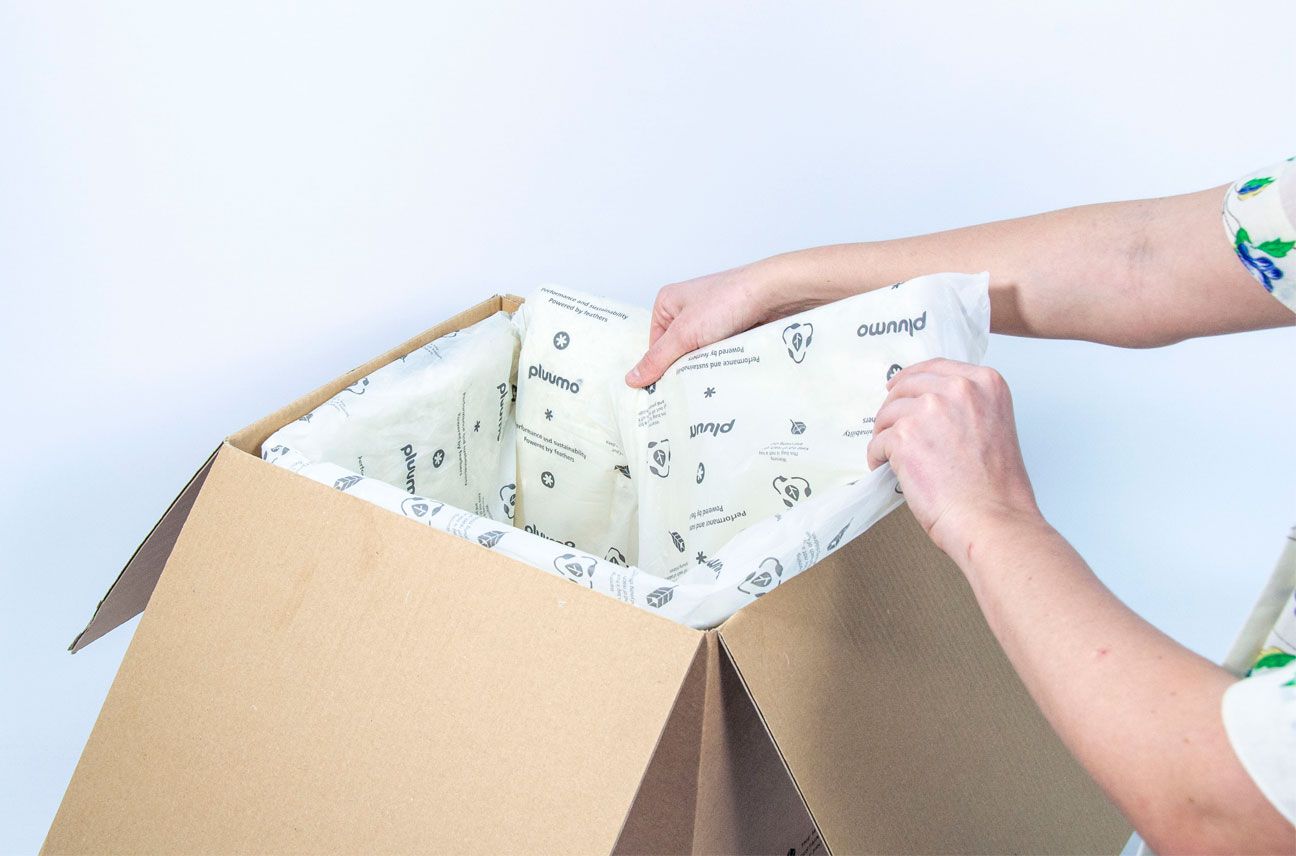
London-based startup Aeropowder has shown the way by creating Pluumo - a high-performance insulation material, that not only makes better use of surplus feather waste, but also gives a sustainable alternative to packaging materials such as polystyrene. Deliveries are playing an increasingly important role in our society. Packaging must be used to keep goods safe during transport. Especially temperature-sensitive items, like chilled food ingredients or pharmaceutical goods. Pluumo actually outperforms the required insulation performance of expanded polystyrene while being created from a natural waste material. Wishing to make Pluumo fully compostable, Aeropowder contacted Biobag to test compostable and biodegradable film for the lining of the feather material.
Feathers and film
“Feathers are an incredible natural material, and we were thinking about how we could harness some of the existing properties and use them for useful things in our societies and economies. They could be used in the fight to avoid the use of plastic” CEO and co-founder of Aeropowder Ryan Robinson explains.
“We started with a practical mindset. The big picture question was initially: can we make a feather-based product, and will it insulate? To be honest, at the beginning the outer lining was not as critical. The insulation performance was the main thing we needed to understand. So, at first, we used a standard polyethylene liner – conventional and commonly used all around the world for many applications.”
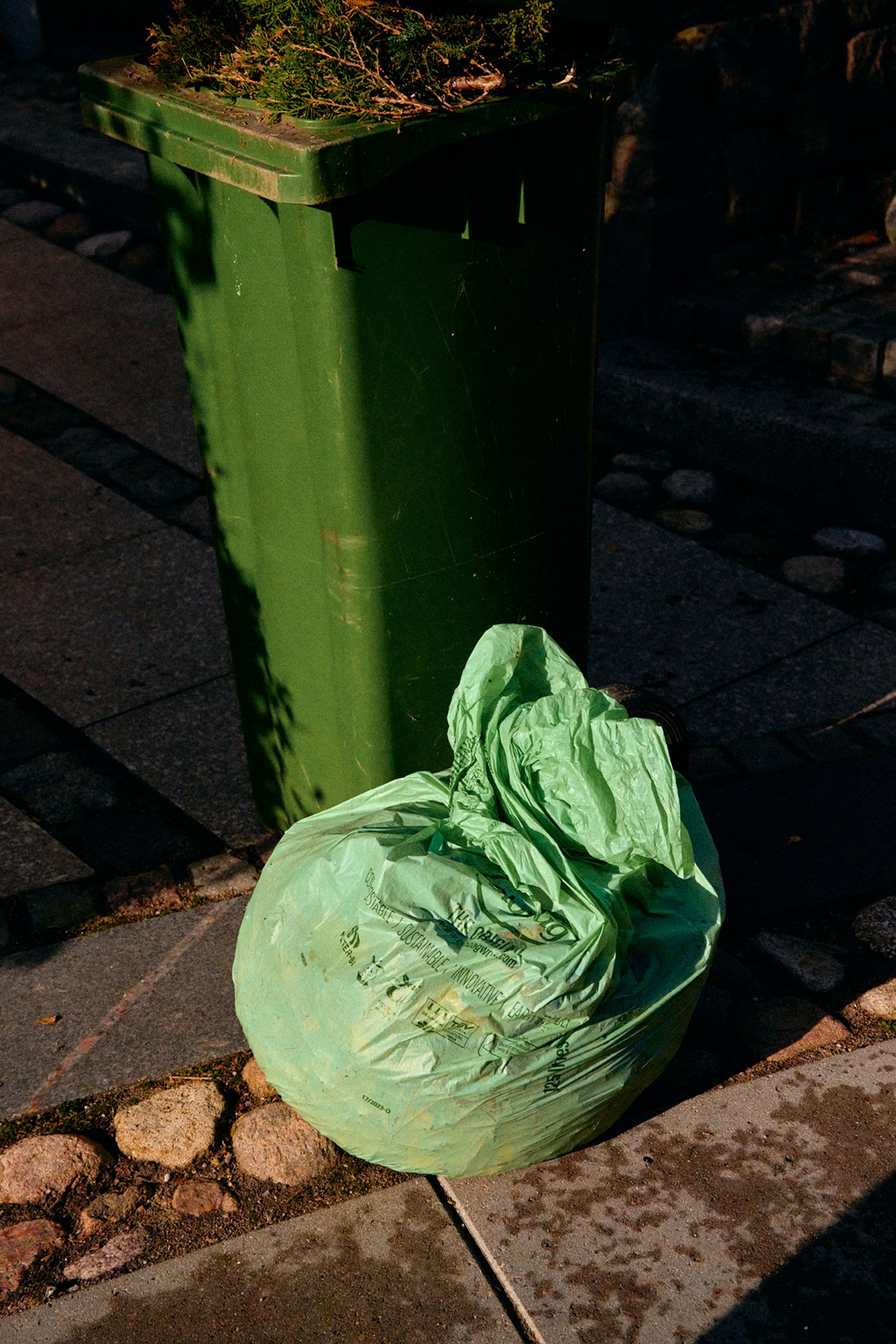
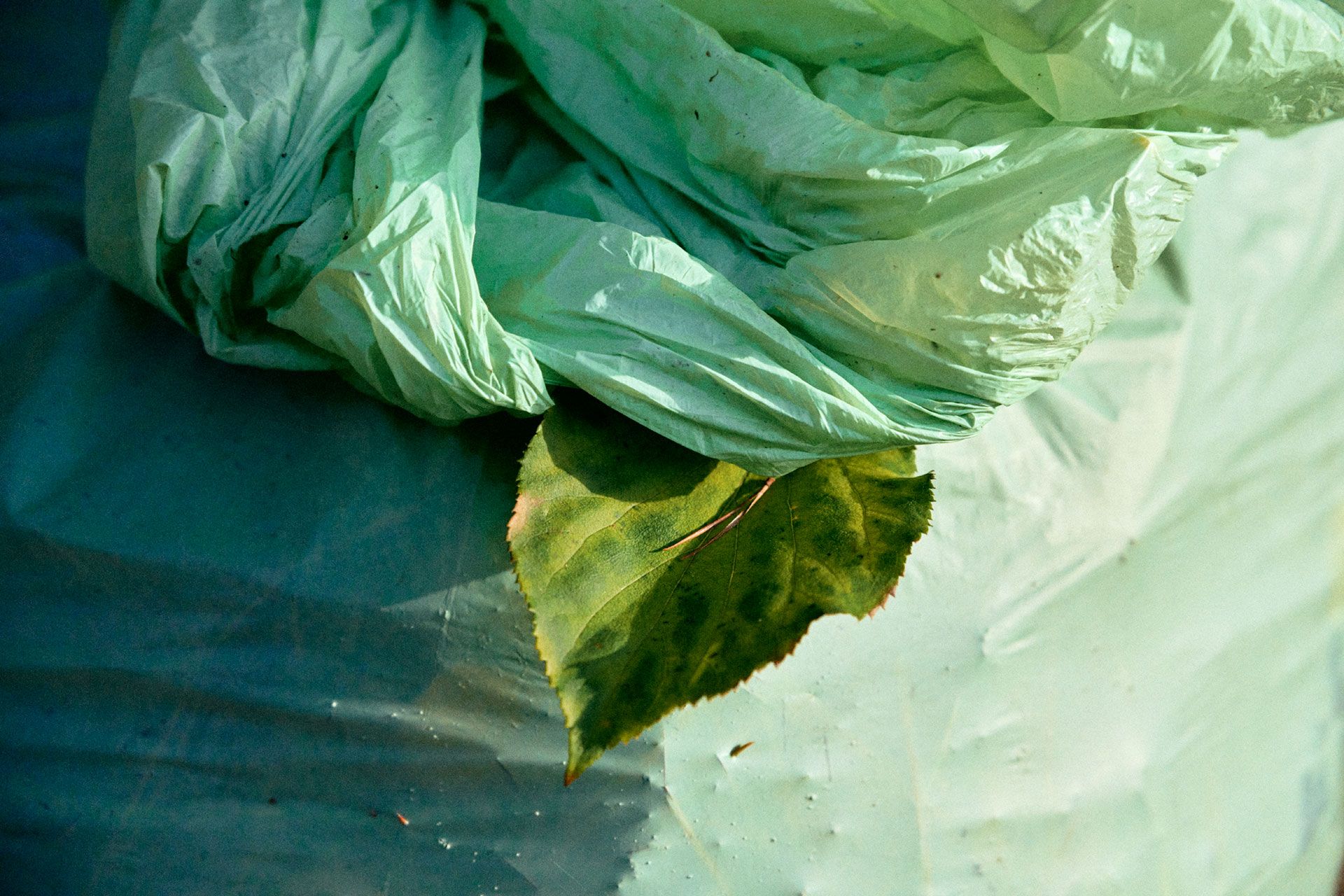
Once Aeropowder figured those first questions out, they asked themselves: How do we move away from the traditional plastic material and move on to better alternatives? “This is when we came across the film from Biobag” Ryan says. “We wanted a fully compostable product.”
The biofilm is also an improvement compared to Aeropowder’s competitors, that are using a polyethylene lining and asking people to separate the product, if they want to recycle it. “End of life solutions are always tricky, and we want to make it as simple as possible for end users.” Ryan says.
“We also aim to make a product that has sensible pricing for our customers. But we are not here to race to the bottom. We make an exceptional product, especially from a performance perspective as we outperform not only expanded polystyrene but other more sustainable alternatives in the market.
There is a lot of value in what we are doing, and that value can be transmitted from us along the chain with the client and end user. There are plenty of people who want to pay for good quality and responsible sustainable packaging – and that is where we fit.”