
ArticleWaste, Resources & CircularityComposting & Soil HealthFarmers & AgricultureMunicipalities & Public ProgrammesCommercial Business & InstitutionsEveryone & Everywhere

Microorganisms biodegrade biodegradable plastics

Written by The Biobag Team
biobag
Stay Inspired, Stay Connected!

Join the Biobag community and get practical tips, real stories, and updates on how compostable choices can make a difference in homes, cities, and businesses.

Get in touch
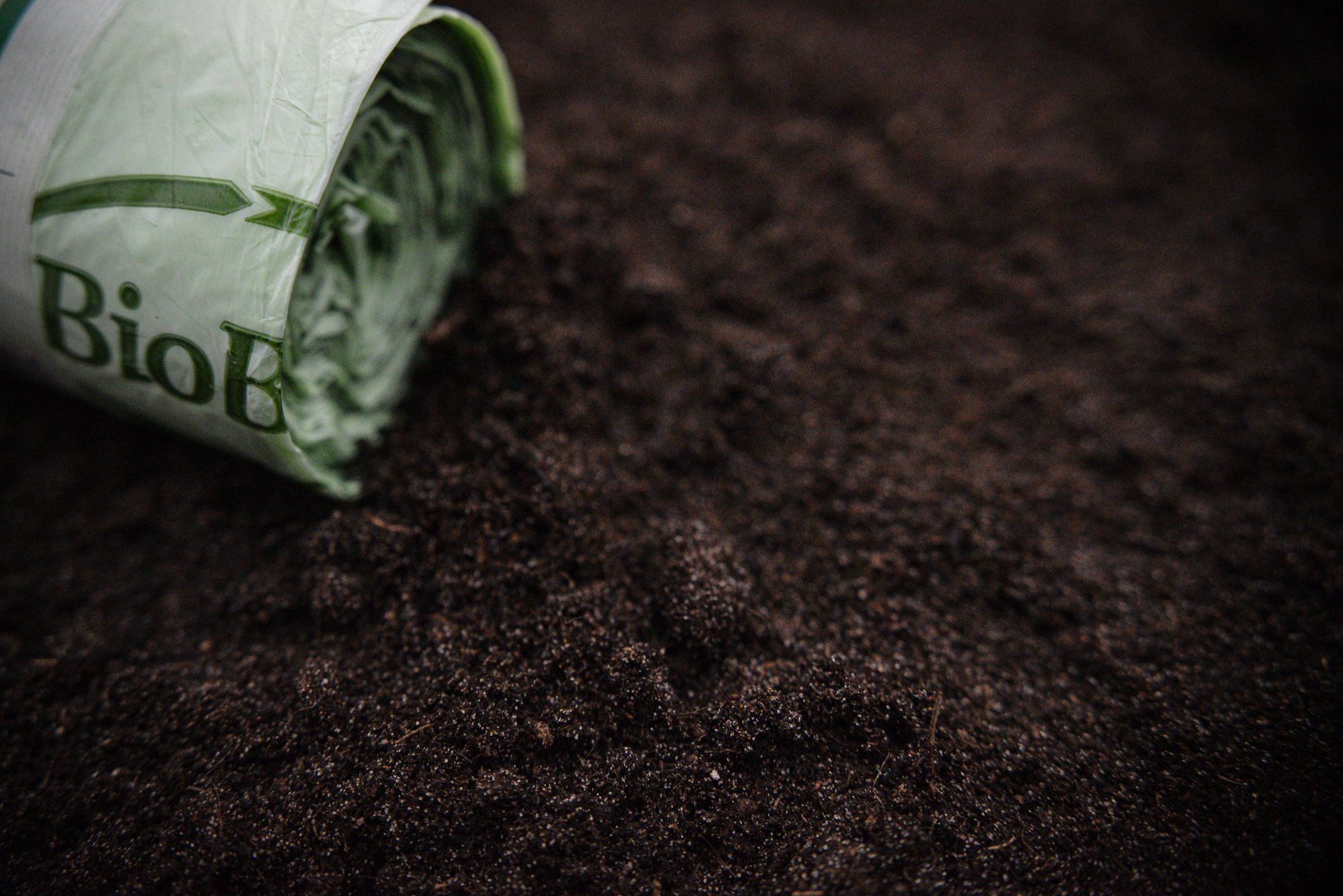
Biobag microorganism

Researchers at ETH Zurich and the Swiss Federal Institute of Aquatic Science and Technology (EAWAG, in German, Eidgenössische Anstalt für Wasserversorgung, Abwasserreinigung und Gewässerschutz) have established, in an interdisciplinary study, that microorganisms biodegrade biodegradable plastics.

Researchers at ETH Zurich and the Swiss Federal Institute of Aquatic Science and Technology (EAWAG, in German, Eidgenössische Anstalt für Wasserversorgung, Abwasserreinigung und Gewässerschutz) have established, in an interdisciplinary study, that microorganisms biodegrade biodegradable plastics.

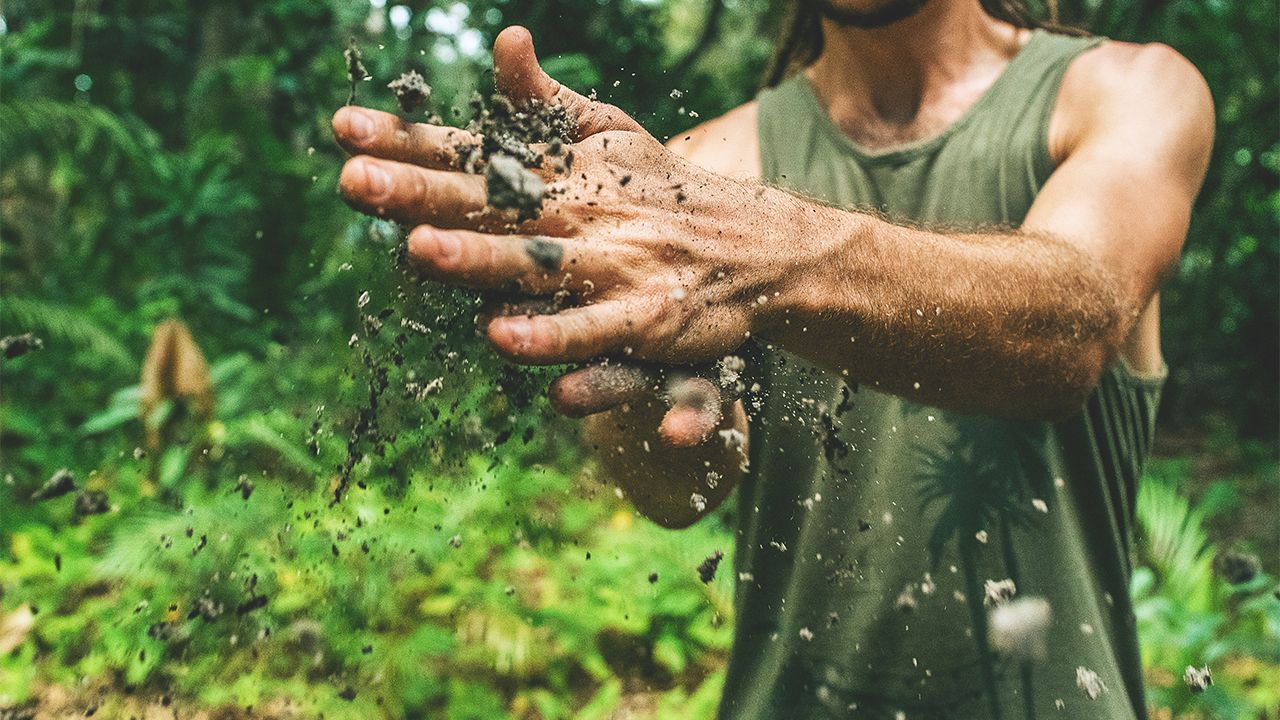
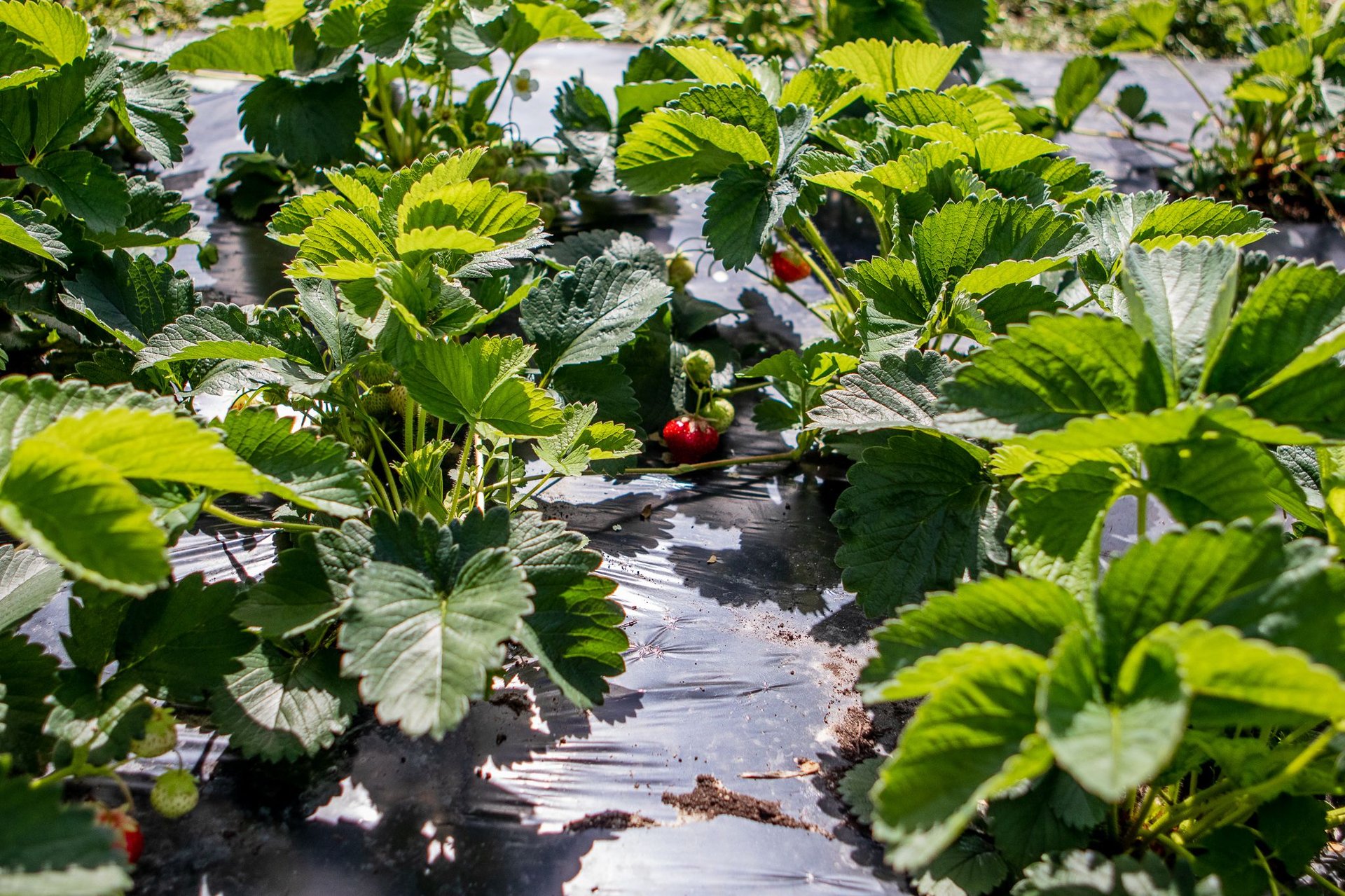
This creates completely new opportunities for sorting waste and managing waste plastics in the future as society becomes more aware that it is possible to use biodegradable plastics in areas where it makes sense or where there is a risk that plastic ends up in nature, such as with use for agriculture. The researchers have shown that the soil microorganisms utilize metabolic carbon in PBAT (polybutylene adipate terephthalate) polymers made from compostable and biodegradable plastic to produce energy.

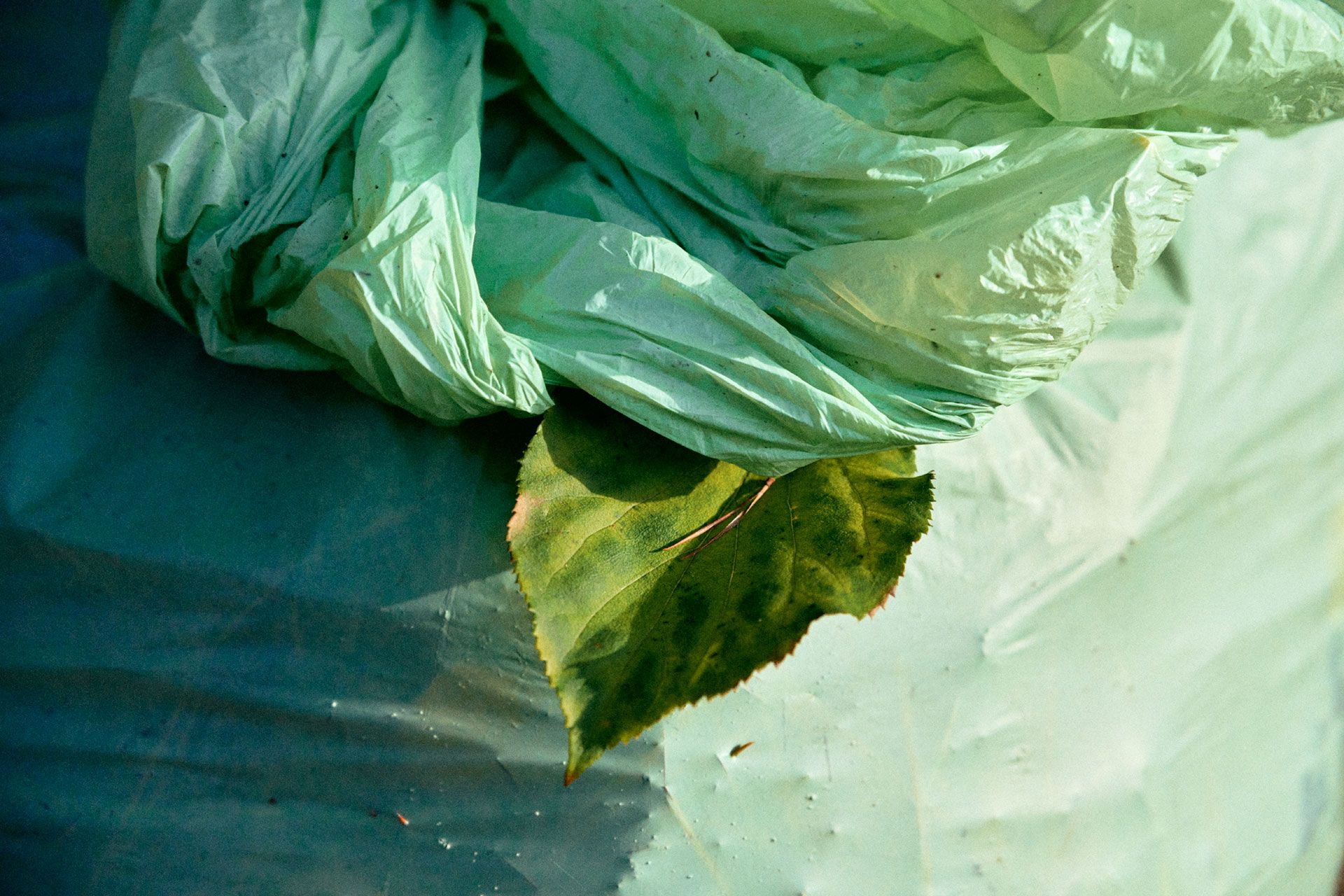
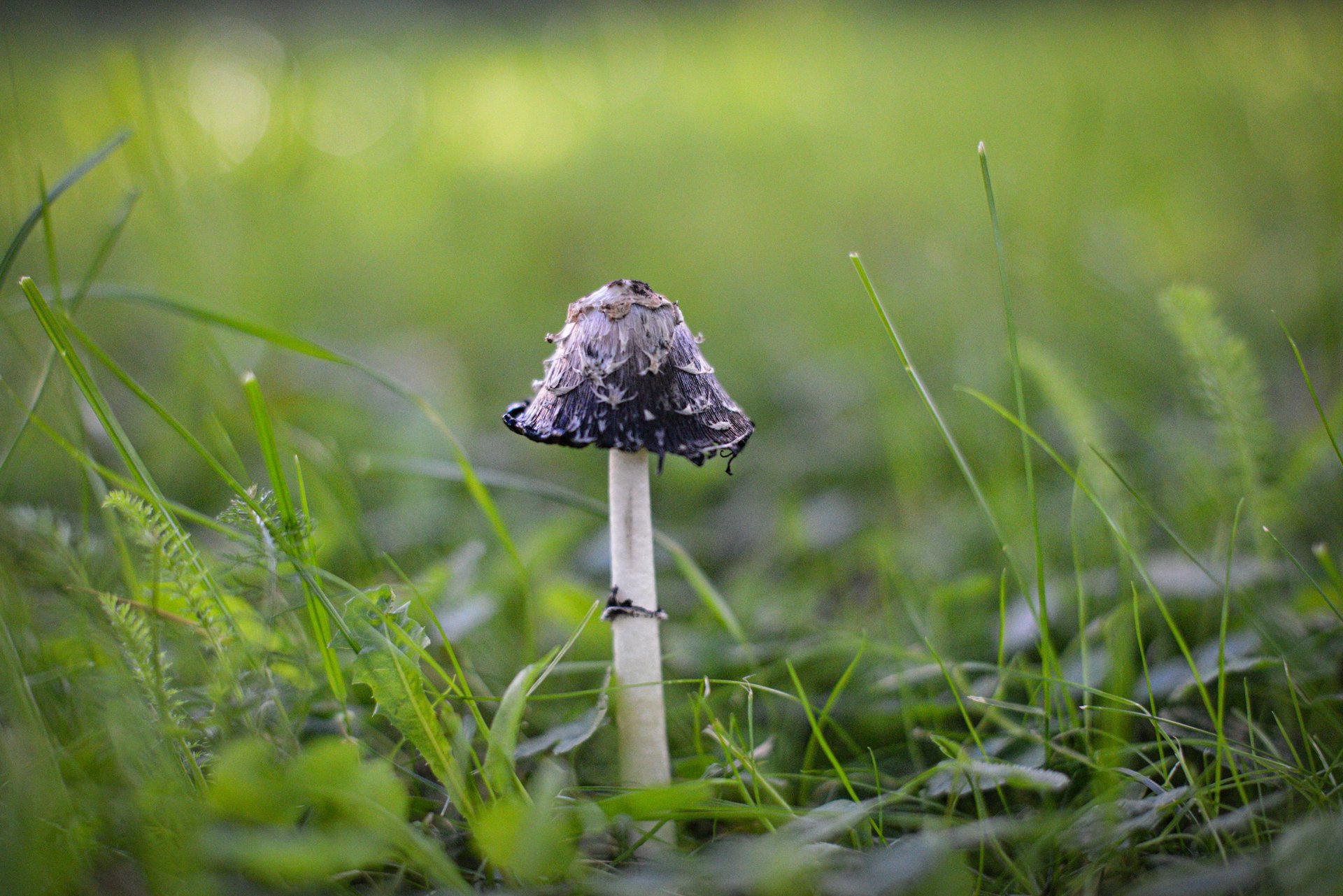
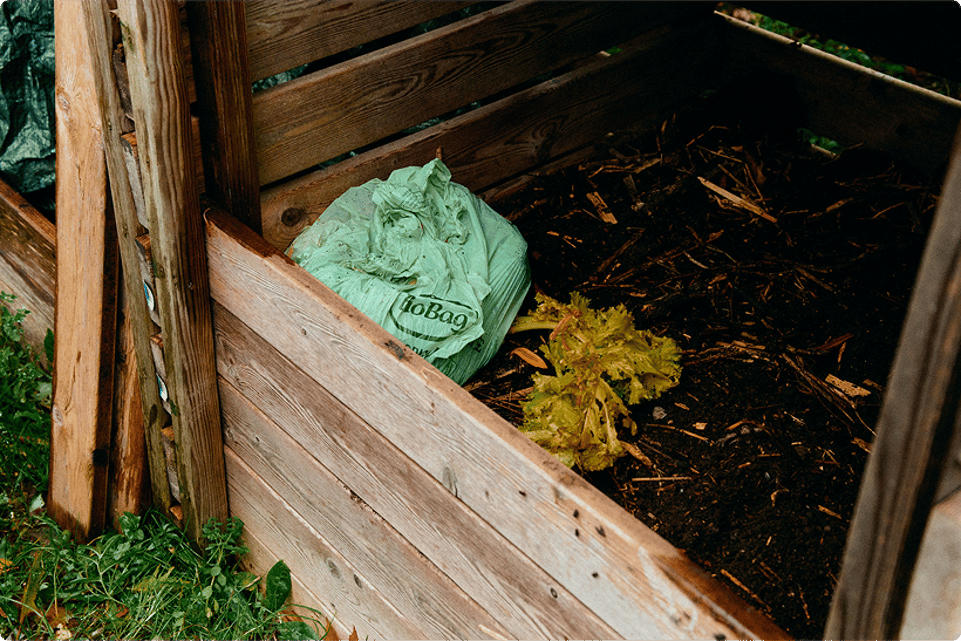
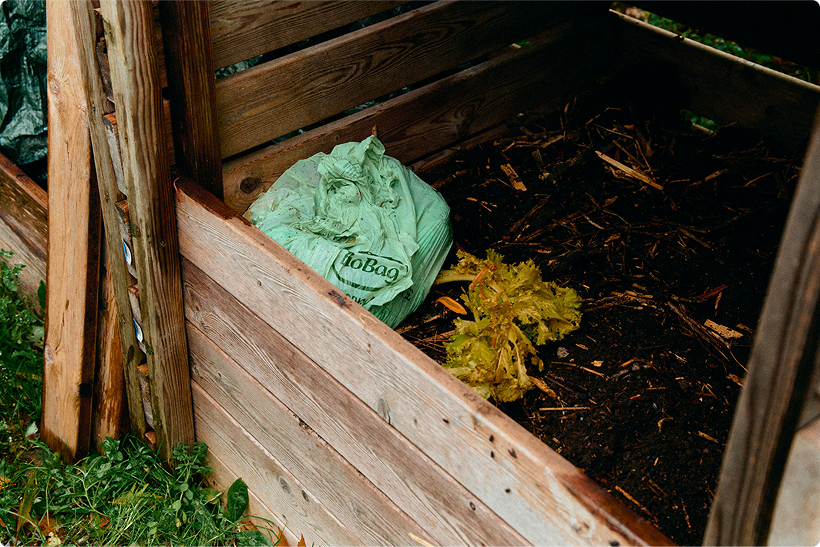
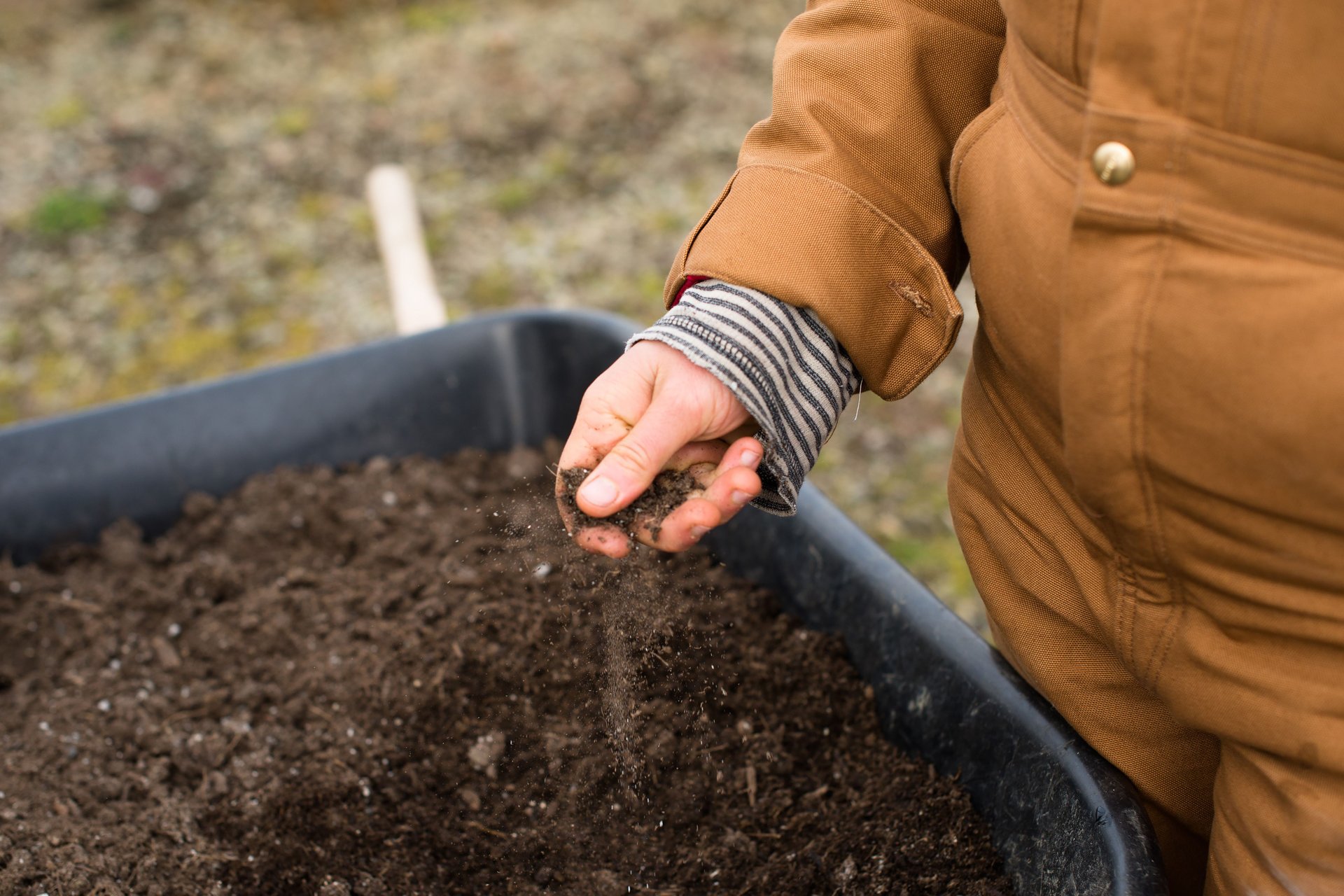
One by-product of this process is microbiological biomass, which is part of the cycle of nature. The length of time biodegradable plastic takes to completely compost depends on various factors. Composting involves microbes in the soil digesting organic matter and converting it into carbon dioxide (CO2), water and biomass. Microbes require moisture, oxygen and a sufficient temperature for the composting process. Composting will be slower in cold weather, but if leaves from trees are composted in these lower tempratures, biodegradable bio-bags will also compost. Microbial activity is lower in dry or poor soil than in nutrient-rich soil.
Biobag green house

How the study was conducted

The research team used the biodegradable polymer PBAT, which they labelled with a carbon isotope. This isotope labelling allowed the researchers to trace the polymer-derived carbon in various biodegradable pathways in the soil. It turned out that the carbon from PBAT had not only become carbon dioxide (CO2) as a result of microbial respiration but had also been transformed into biomass by the microorganisms.

Biodegradable bioplastic decomposes

It has been scientifically proven that biodegradable bioplastic actually decomposes. The researchers are the first to show where the carbon from a polymer ends up and that the plastic material is fully biodegradable in the soil. "It shows that there are no residues after the biodegradation other than water, CO2 and biomass," says Hasso von Pogrell, Managing Director of European Bioplastics e.V. "This study contradicts two concerns that are often raised in relation to biodegradable bioplastics: 1) The doubts that microorganisms fully metabolize certified degradable plastics and 2) the concern that the oil-based part of the polymer is not completely degraded,” explains von Pogrell.

Opportunities to sort biodegradable waste

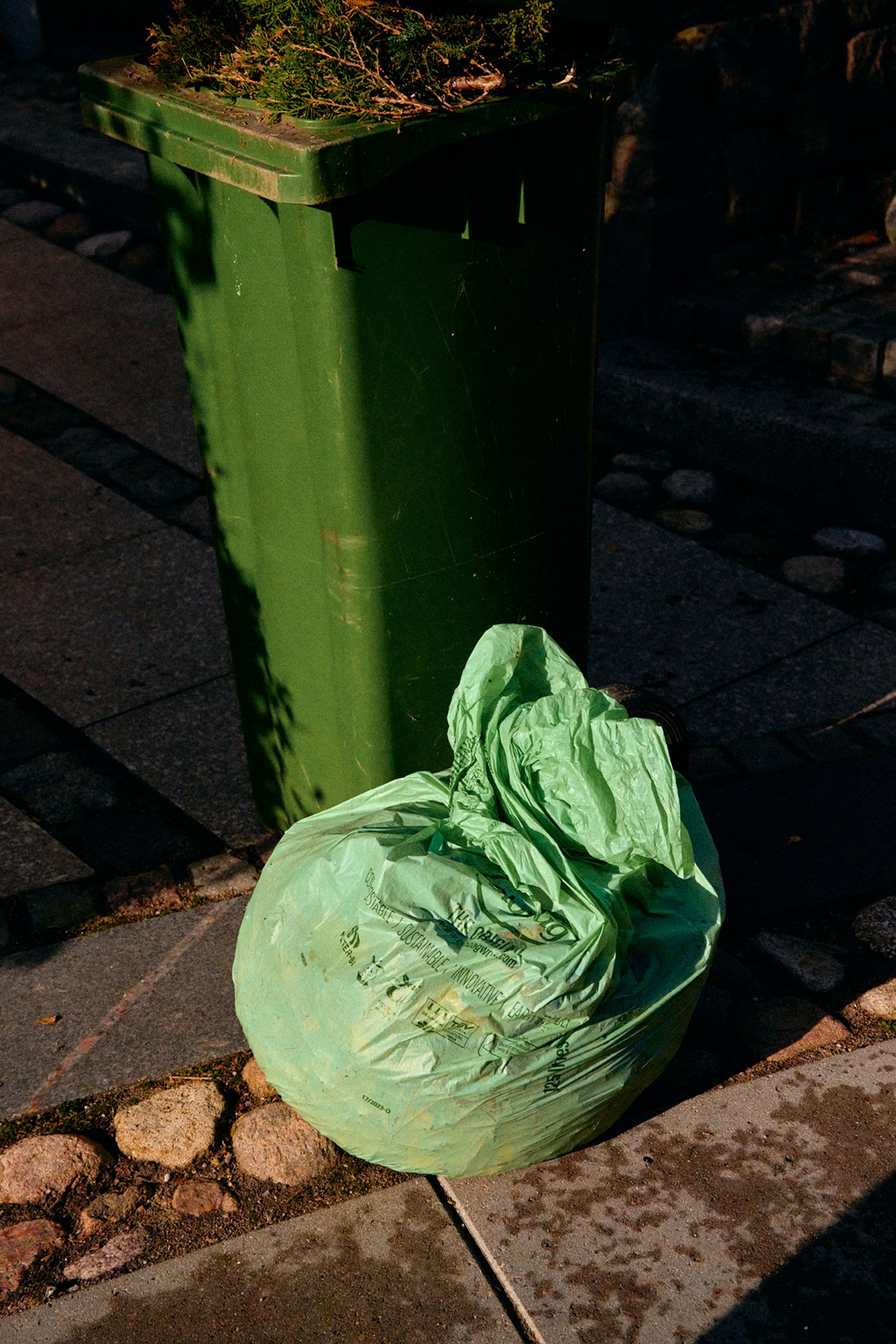
"The result of this study will undoubtedly enable municipalities and the waste industry across the EU to recognize the benefit and functionality of bio-waste bags of certified compostable bioplastics in organic waste collection. In agriculture, certified biodegradable bioplastic is now a safe alternative to conventional mulching of fields,” von Pogrell concludes. The detailed results of the study can be found on ETH Zurich’s website, under the section "News & Events" (www.ethz.ch/de).
Share this article:
Ready to take the Next Step?

Whether you need help choosing the right products or want guidance on rolling out compostable solutions across your business, we’re here to help.

Biobag Inspiration

Stories, tools, and ideas to help you make an impact.

Discover inspiring stories, expert advice, and practical tools to help you make informed choices, from improving composting routines to supporting the circular economy. Our articles show where compostable solutions can make sense and how to build better habits at home, at work, or across entire communities.

Plastic pollution in agricultural soils

When we talk about plastic pollution, most people think of oceans, floating waste islands and wildlife affected by plastic debris. However, plastic pollution is also found far from the coastline, including in the soils where our food is produced.

Composting & Soil HealthEnvironment & ClimateMunicipalities & Public ProgrammesEveryone & EverywhereArticle

Biogas and compost: different roles in the same system

Organic waste is often used to produce energy. But it also plays a role in maintaining soil health. Understanding how these two outcomes differ is key to making better use of organic resources.

Composting & Soil HealthEnvironment & ClimateEveryone & EverywhereArticle

Compostable certifications explained

Understanding what certification marks cover and why local waste infrastructure matters. Compostability certifications define the conditions under which a product is expected to break down. Here, we explain the differences between industrial and home composting, the main certification schemes and why local waste infrastructure still matters.

Policy & RegulationsWaste, Resources & CircularityEveryone & EverywhereArticle

From policy to practice: what it takes to make food waste systems work

The EU continues to strengthen its approach to waste and circular economy. On paper, this makes sense. But in practice, it raises a more difficult question: what does it actually take to make waste systems work?

Policy & RegulationsWaste, Resources & CircularityEveryone & EverywhereArticle

Biobag is part of Novamont Group, which is proud to be a Certified B Corp™

We are proud to share an important milestone: Biobag Group has been assessed as part of Novamont Group’s B Corp Certification.

Waste, Resources & CircularityEveryone & EverywhereArticle

A side order of microplastics, anyone?

Since its invention, humankind has produced an estimated 9.2 billion tonnes of plastic. Around 7 billion tonnes of it has already become waste.

Waste, Resources & CircularityEveryone & EverywhereArticle

Organic waste: an environmental threat or the best solution ever?

Organic waste is natural. But the amount we generate and what happens to it after disposal can create a serious environmental challenge.

Composting & Soil HealthWaste, Resources & CircularityEveryone & EverywhereMunicipalities & Public ProgrammesFood Service & HospitalityArticle

Soil Alert

An estimated 60–70% of soils in the EU are unhealthy. Yet healthy soil is essential for producing food, supporting biodiversity and keeping natural cycles working.

Composting & Soil HealthEnvironment & ClimateMunicipalities & Public ProgrammesEveryone & EverywhereArticle

Nine reasons to choose compostable Biobags

Food waste is produced every day. How we collect and treat it determines whether its valuable resources are lost or kept in use.

Waste, Resources & CircularityComposting & Soil HealthEveryone & EverywhereCommercial Business & InstitutionsMunicipalities & Public ProgrammesRetailers & GroceryArticle

The importance of good soil health

Healthy soil is the foundation of agriculture. It supports crops, stores and filters water, cycles nutrients and provides a home for an extraordinary range of organisms.

Composting & Soil HealthEnvironment & ClimateEveryone & EverywhereFarmers & AgricultureArticle

Turning surplus feathers into insulated packaging with compostable film

London-based start-up Aeropowder developed Pluumo, an insulated packaging material made using surplus feathers.

Product & Material Innovation Waste, Resources & CircularityRetailers & GroceryFood Service & HospitalityCommercial Business & InstitutionsArticle

What role can compostable products play in protecting soil?

Soil is the foundation of our food systems and an essential home for biodiversity. Yet an estimated 60–70% of soils in the EU are considered unhealthy.

Policy & RegulationsComposting & Soil HealthMunicipalities & Public ProgrammesFarmers & AgricultureCommercial Business & InstitutionsArticle

FAO highlights biodegradable alternatives for selected agricultural plastic applications

Plastic has become part of everyday life. Its durability and functionality make it useful in many applications, but plastic that is not properly collected and managed can remain in the environment and contribute to long-term pollution.

Waste, Resources & CircularityPolicy & RegulationsCommercial Business & InstitutionsFarmers & AgricultureMunicipalities & Public ProgrammesArticle

Microplastics are everywhere - but what are the consequences?

Microplastics have been found across the environment, from oceans and rivers to agricultural soil and the air we breathe. Scientists are still working to understand exactly what this means for ecosystems and human health.

Environment & ClimateWaste, Resources & CircularityEveryone & EverywhereMunicipalities & Public ProgrammesArticle

Life depends on healthy soil

Healthy soil supports food production, biodiversity and resilient ecosystems. Keeping organic-waste streams clean is one of the ways we can help protect this valuable resource.

Composting & Soil HealthWaste, Resources & CircularityFarmers & AgricultureMunicipalities & Public ProgrammesEveryone & EverywhereArticle

European scientific report examines where biodegradable plastics can play a role

Plastic has changed everyday life and provides valuable functionality in many applications. However, the production, use and disposal of plastic have also created a significant pollution problem.

Policy & RegulationsWaste, Resources & CircularityMunicipalities & Public ProgrammesFarmers & AgricultureCommercial Business & InstitutionsArticle

Biobag retail bags receive Cré certification for Irish food-waste bins

Biobag UK & Ireland’s retail range of compostable bags received Cré certification for use in Irish food-waste bins. At the time of the award, it was reported as the first retail range of compostable bags to receive this certification.

Waste, Resources & CircularityComposting & Soil HealthEveryone & EverywhereMunicipalities & Public ProgrammesCommercial Business & InstitutionsRetailers & GroceryFood Service & HospitalityArticle

Novamont acquires Biobag and strengthens its global presence

Italian company Novamont, a leader in the development and production of biochemicals and compostable bioplastics, announced that it had acquired Biobag Group, a Norway-based supplier of certified compostable solutions for waste collection and packaging.

Waste, Resources & CircularityProduct & Material Innovation Everyone & EverywhereCommercial Business & InstitutionsMunicipalities & Public ProgrammesRetailers & GroceryFood Service & HospitalityArticle

The role of bioplastic in a circular economy

Biobags are made of Mater-Bi, a family of biodegradable and compostable bioplastics developed by Novamont. These materials are designed for specific applications where biodegradability or compostability can support the collection and biological treatment of organic waste.

Composting & Soil HealthWaste, Resources & CircularityMunicipalities & Public ProgrammesFarmers & AgricultureEveryone & EverywhereArticle

Study confirms Biobags disappear in natural environments

The results of a two year study in the USA have confirmed biodegradable plastic alternatives like Biobags help prevent plastic pollution.

Waste, Resources & CircularityEnvironment & ClimateEveryone & EverywhereCommercial Business & InstitutionsFood Service & HospitalityRetailers & GroceryArticle

The ultimate guide to home composting: turn waste into garden gold!

Home composting transforms suitable food scraps and garden waste into compost that can return organic matter to your soil. Here is how to get started and keep your compost working well.

Composting & Soil HealthEnvironment & ClimateEveryone & EverywhereArticle

Compostable bags and the circular economy initiative

An exciting European proposal on the Circular Economy Package in December 2015 paved the way for broader adoption of biodegradable materials across the EU.

Policy & RegulationsWaste, Resources & CircularityCommercial Business & InstitutionsEveryone & EverywhereMunicipalities & Public ProgrammesRetailers & GroceryFood Service & HospitalityArticle

Turn inspiration into action

Our compostable solutions can support transforming organic waste into renewable energy and nutrient-rich compost to grow new crops.

Explore Our Compostable Range
biobag

Get in touch

We will be happy to hear from you, so please write if you have questions about our products, want to meet one of our salespeople or you just have a great idea for a new product. Fill out the form and we will get back to you shortly.

I consent that you store my information and reach out to me in accordance with your Privacy Policy.