ArticleWaste, Resources & CircularityComposting & Soil HealthEveryone & EverywhereCommercial Business & InstitutionsMunicipalities & Public ProgrammesRetailers & Grocery

Nine reasons to choose compostable Biobags

Written by The Biobag Team
biobag
Stay Inspired, Stay Connected!

Join the Biobag community and get practical tips, real stories, and updates on how compostable choices can make a difference in homes, cities, and businesses.

Get in touch
Biobag green

Food waste is produced every day. How we collect and treat it determines whether its valuable resources are lost or kept in use.

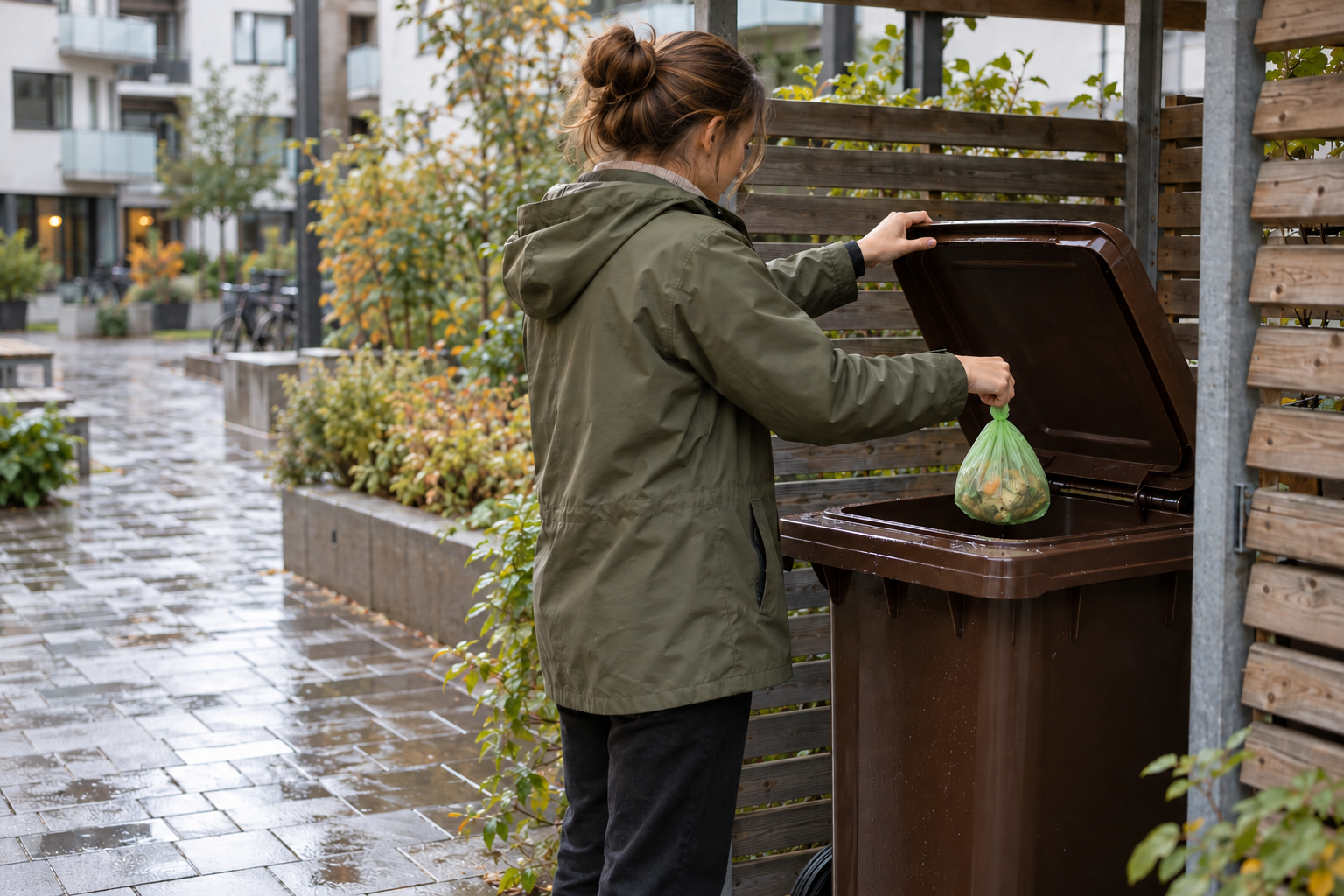
According to the United Nations Environment Programme, households, food-service businesses and retailers generated approximately 1.05 billion tonnes of food waste worldwide in 2022. Preventing edible food from becoming waste must always come first. But peelings, coffee grounds and other unavoidable food waste still need to be collected and treated. When sorted correctly, this organic waste can be used to produce biogas or transformed into compost that returns organic matter and nutrients to the soil. Certified compostable bags can make that collection cleaner, simpler and more hygienic. Here are nine reasons to choose Biobags where they are accepted by the local organic-waste system.
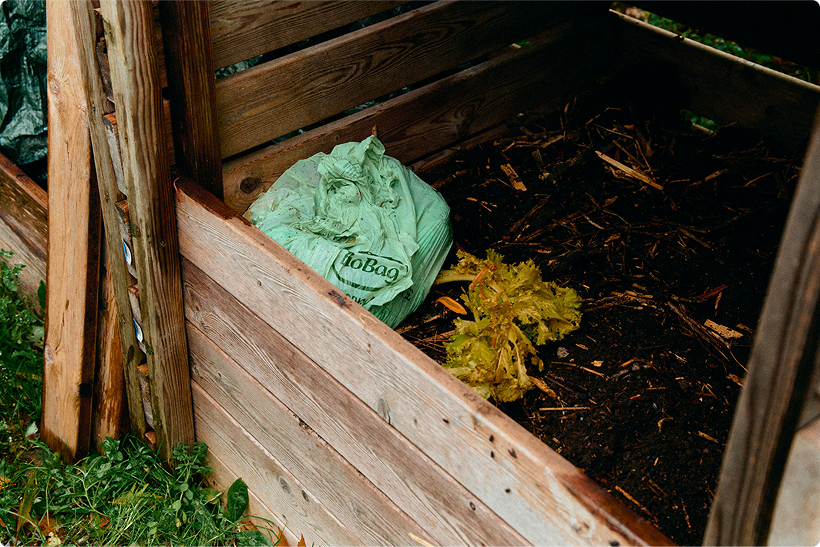
Biobag_Heritage

1. Avoid persistent microplastics

Certified compostable Biobags are designed to biodegrade under the conditions specified by their certification. When treated in the correct composting environment, microorganisms convert the material into water, carbon dioxide and biomass without leaving persistent microplastics behind.

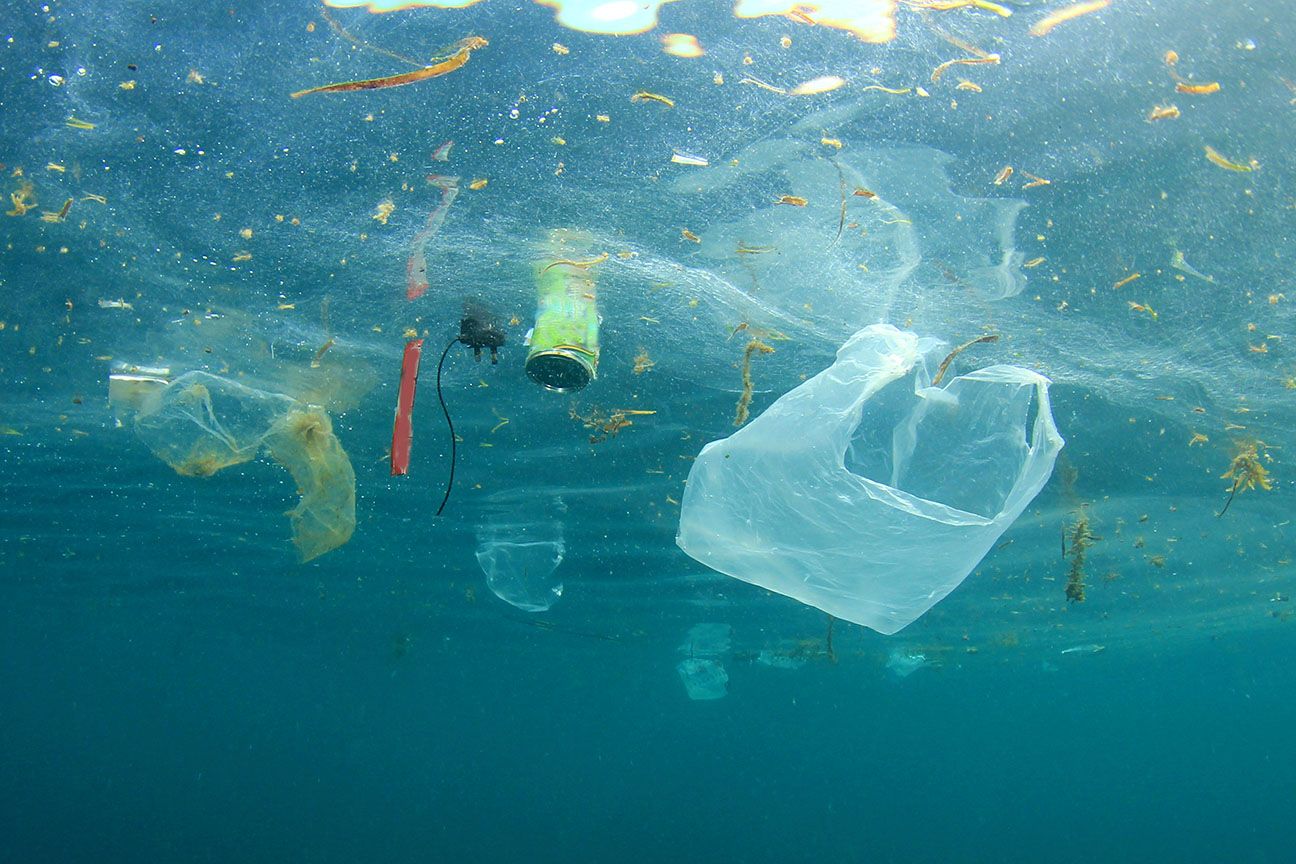
Conventional plastic does not biodegrade in the same way. It can instead fragment into increasingly smaller pieces that persist in the environment.

Always check the certification marking on the product to see whether it is intended for industrial or home composting.
Biobag weight reduction

2. Reduce moisture in the food-waste bin

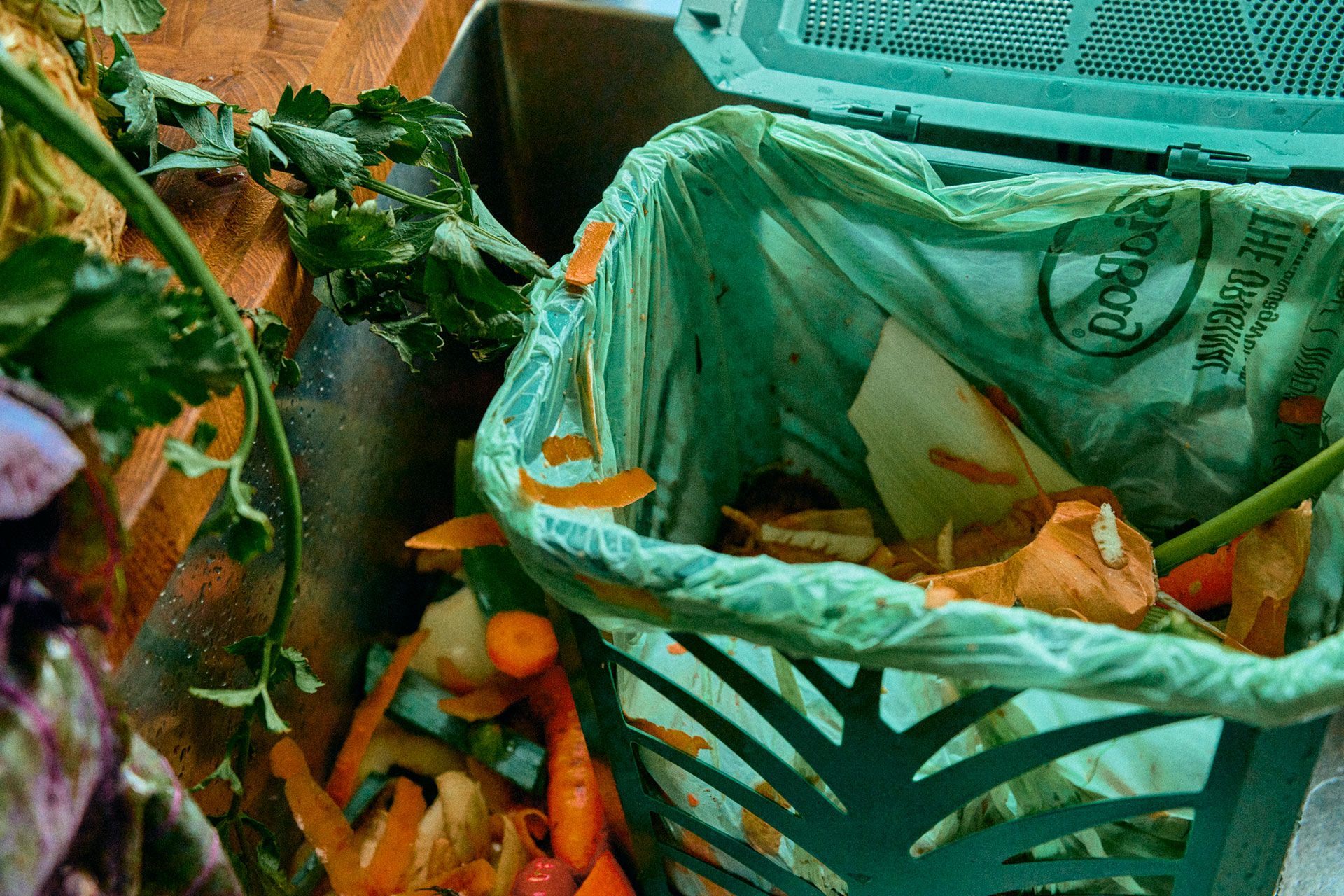
Biobags are breathable. When used with a ventilated kitchen caddy such as MaxAir, they allow some moisture to evaporate from the collected food waste. This can help keep the contents drier, reduce liquid build-up and lower the weight of the food waste during storage. The precise result depends on the type of waste, ventilation, temperature and length of storage. Using a Biobag in a MaxAir, ventilated kitchen caddy, the evaporation can reduce its weight by 13% over three days.
Biobag cO2 emissions

3. Make everyday sorting simpler

Food-waste collection works best when it is easy to understand and convenient to use. A compostable liner helps keep the caddy clean, contains the food scraps and makes it easier to carry the waste to the collection bin. It is a simple tool that fits into an existing kitchen routine and can help people sort their food waste consistently.
Biobag green house

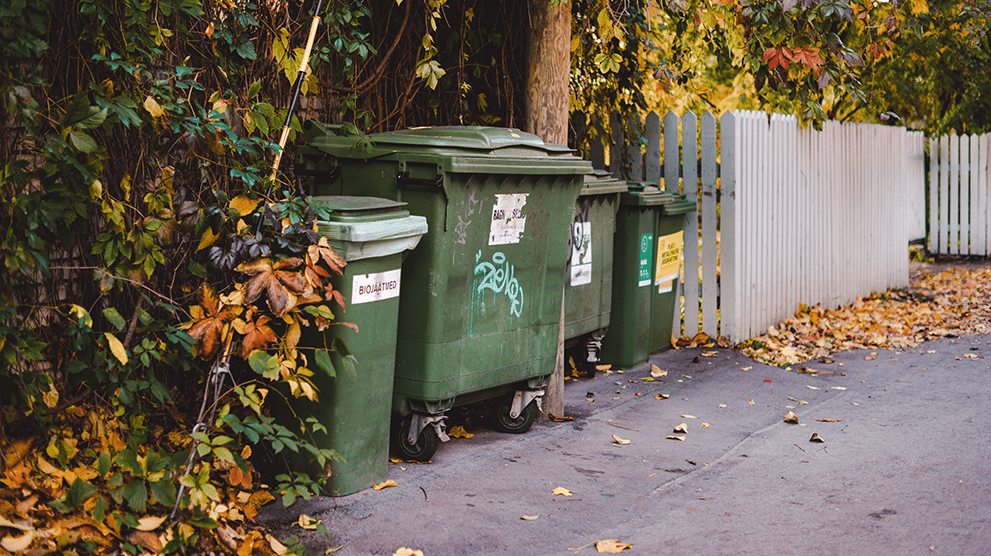
4. Support a cleaner organic-waste stream

The quality of compost and digestate depends on the quality of the organic waste collected. A clearly identified compostable bag can help people understand which bin is intended for food waste. Collection trials indicate that providing suitable bags and clear instructions can support participation and reduce contamination. The results depend on the complete collection system, including communication, bin design and local sorting rules. In a Danish municipality the purity levels rose from 75% to 97% after switching to compostable food waste bag.
Biobag recovery energy

5. Keep valuable organic resources in use

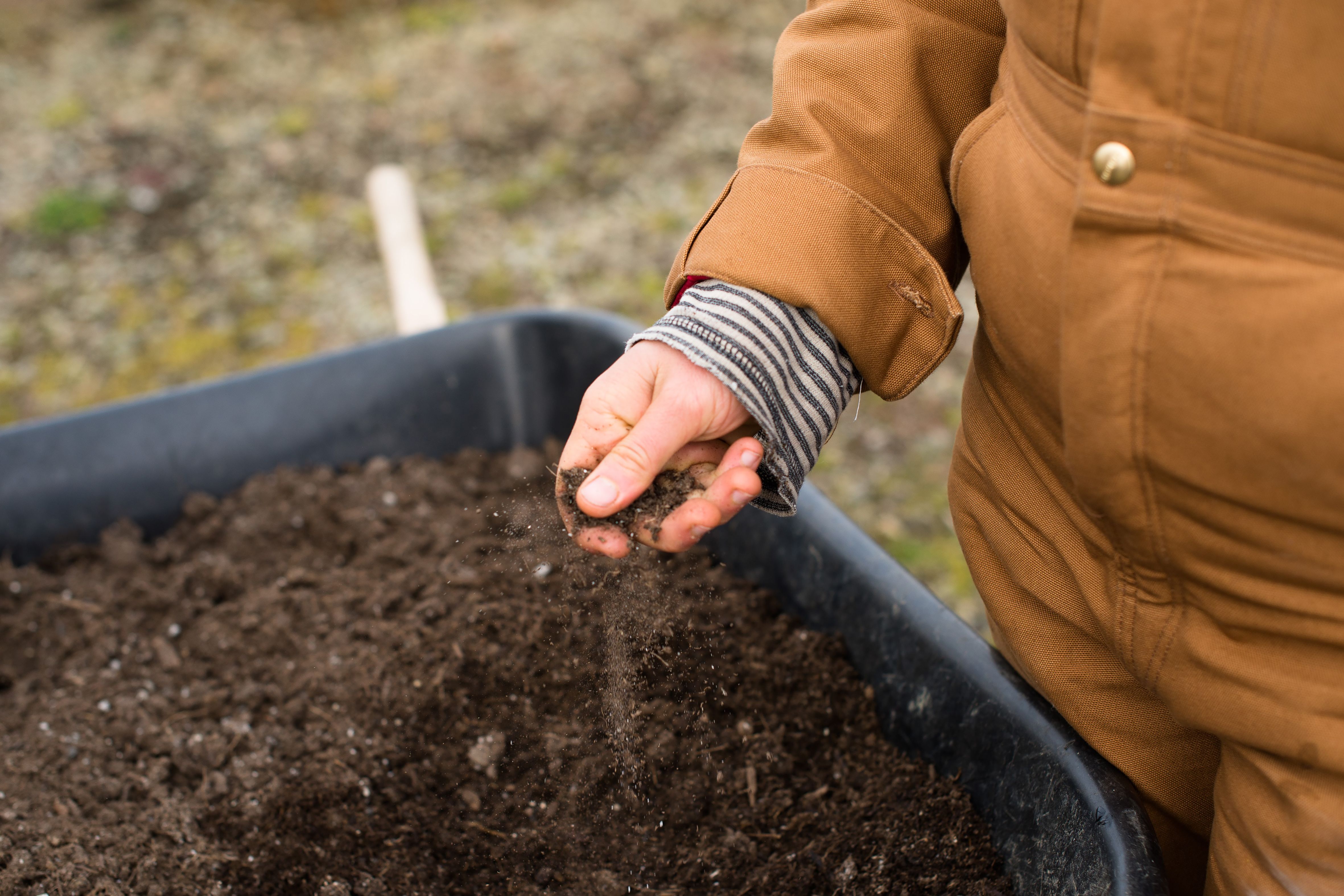
When food waste is placed in the residual-waste bin, its potential value may be lost. When it is collected separately, it can be treated through anaerobic digestion or composting. Anaerobic digestion can produce biogas and a nutrient-containing digestate. Composting produces a stable soil improver that returns organic matter and nutrients to the soil. Compostable bags can support this collection where they are accepted by the local system.

Biobag landscape

6. Produced in Europe

Our European production keeps manufacturing close to many of the markets we serve, helping us remain responsive to our customers and limit unnecessary transport distances. Our factory on the island of Hiiumaa in Estonia operates using 100% renewable energy. We also work continuously to reduce production waste, recycle suitable material and minimise material loss.
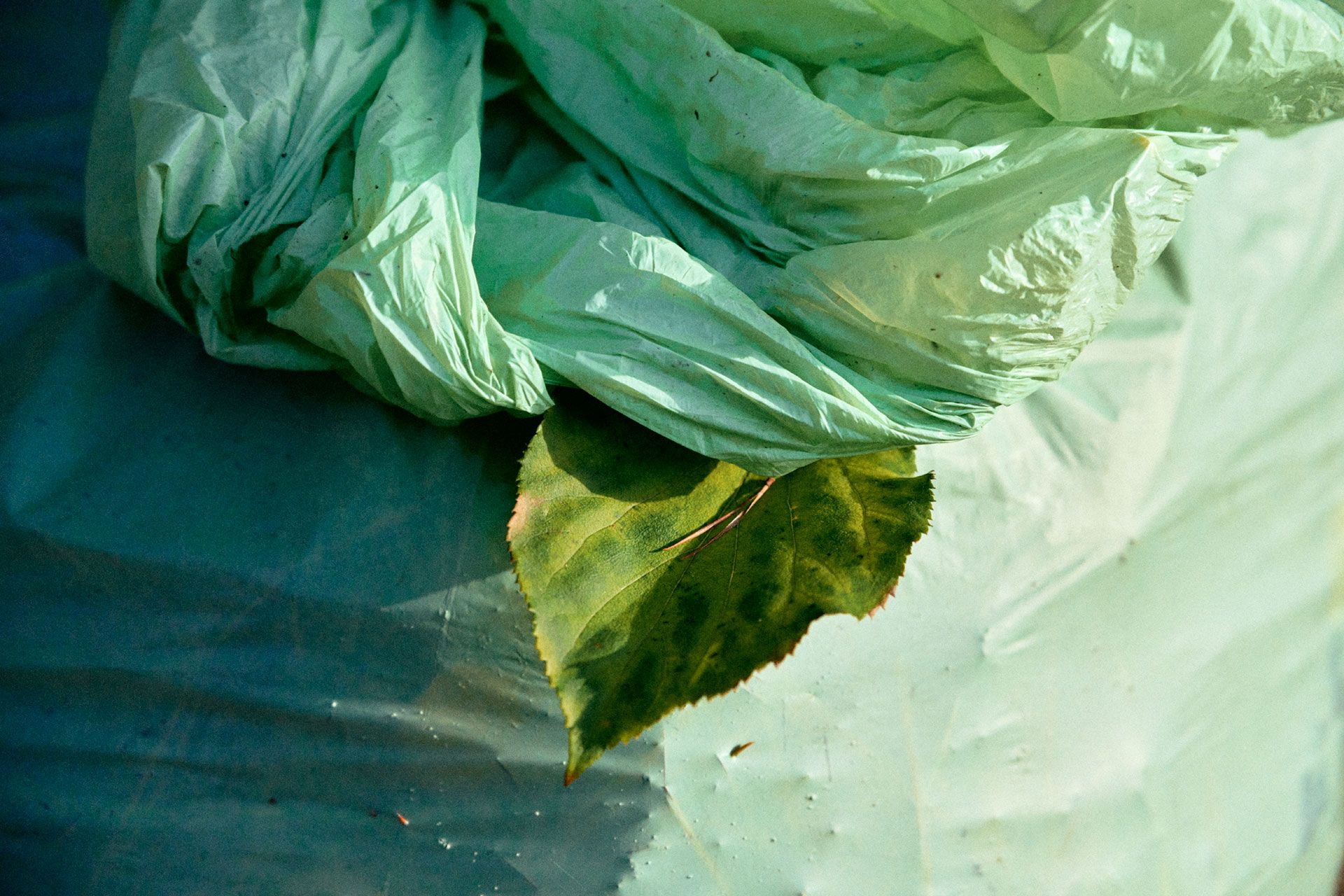
Biobag certification

7. Choose independently certified products

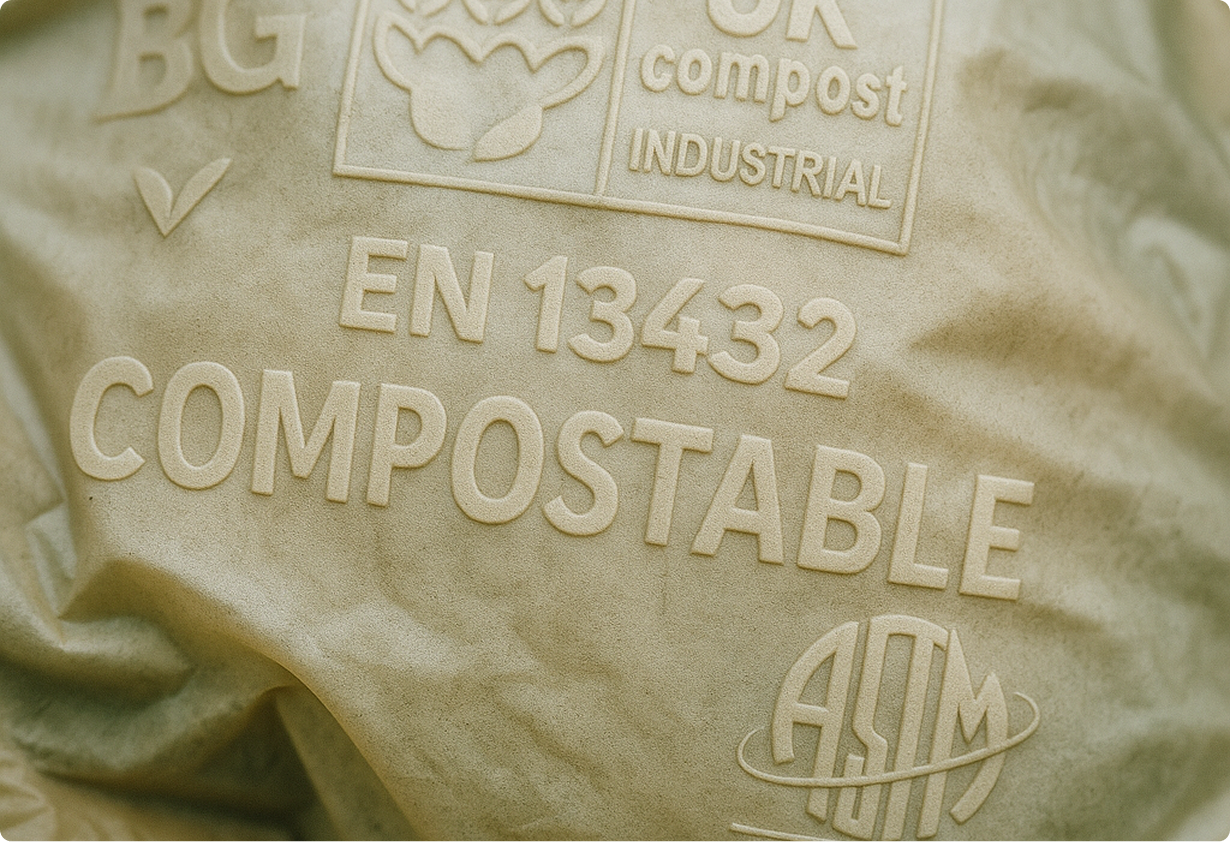
“Compostable” should not be an unsupported promise. Biobag waste bags. liners and sacks are independently certified for their intended composting environment. The applicable certification may cover industrial composting or home composting, depending on the individual product. Certification assesses requirements such as biodegradation, disintegration and the quality of the resulting compost under specified conditions. Check the certification logo on the product to understand which environment it has been assessed for.
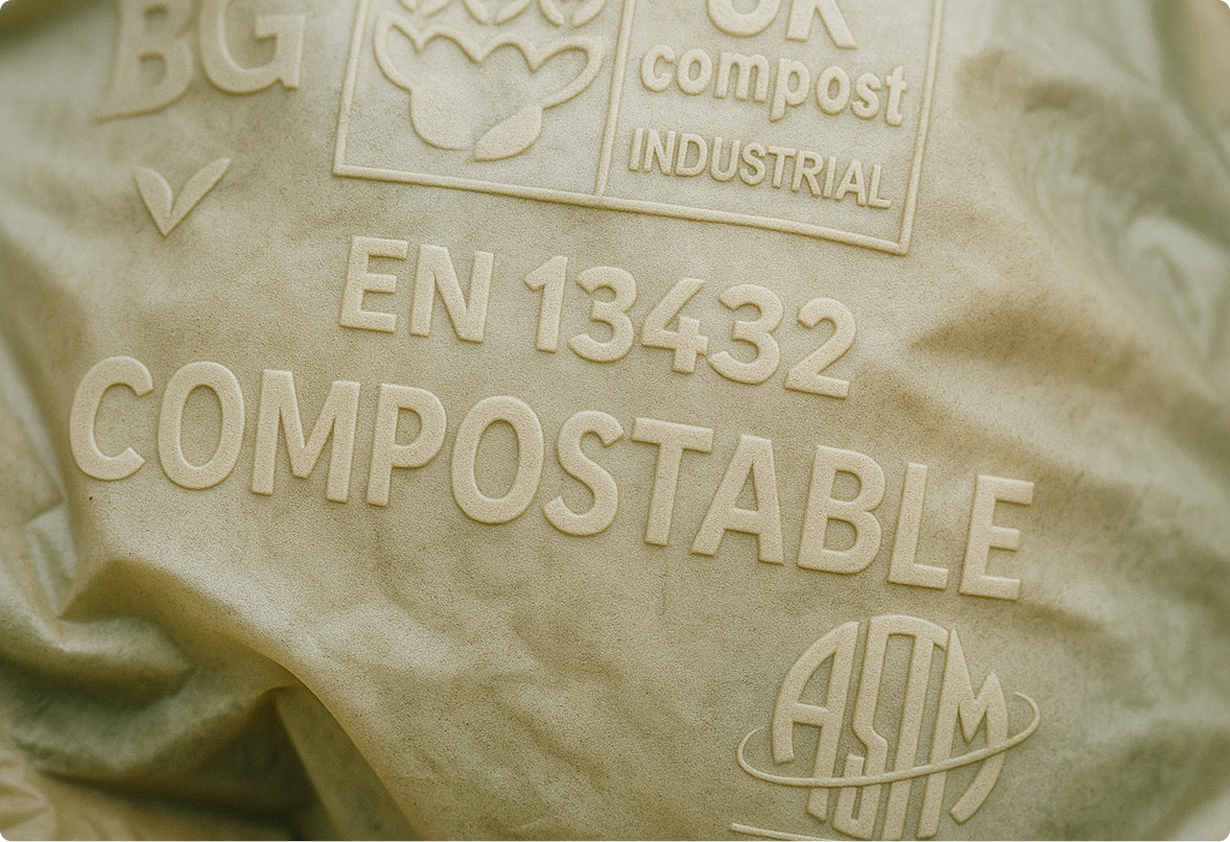
Biobag Rigorous Certification

8. Made partly from renewable resources

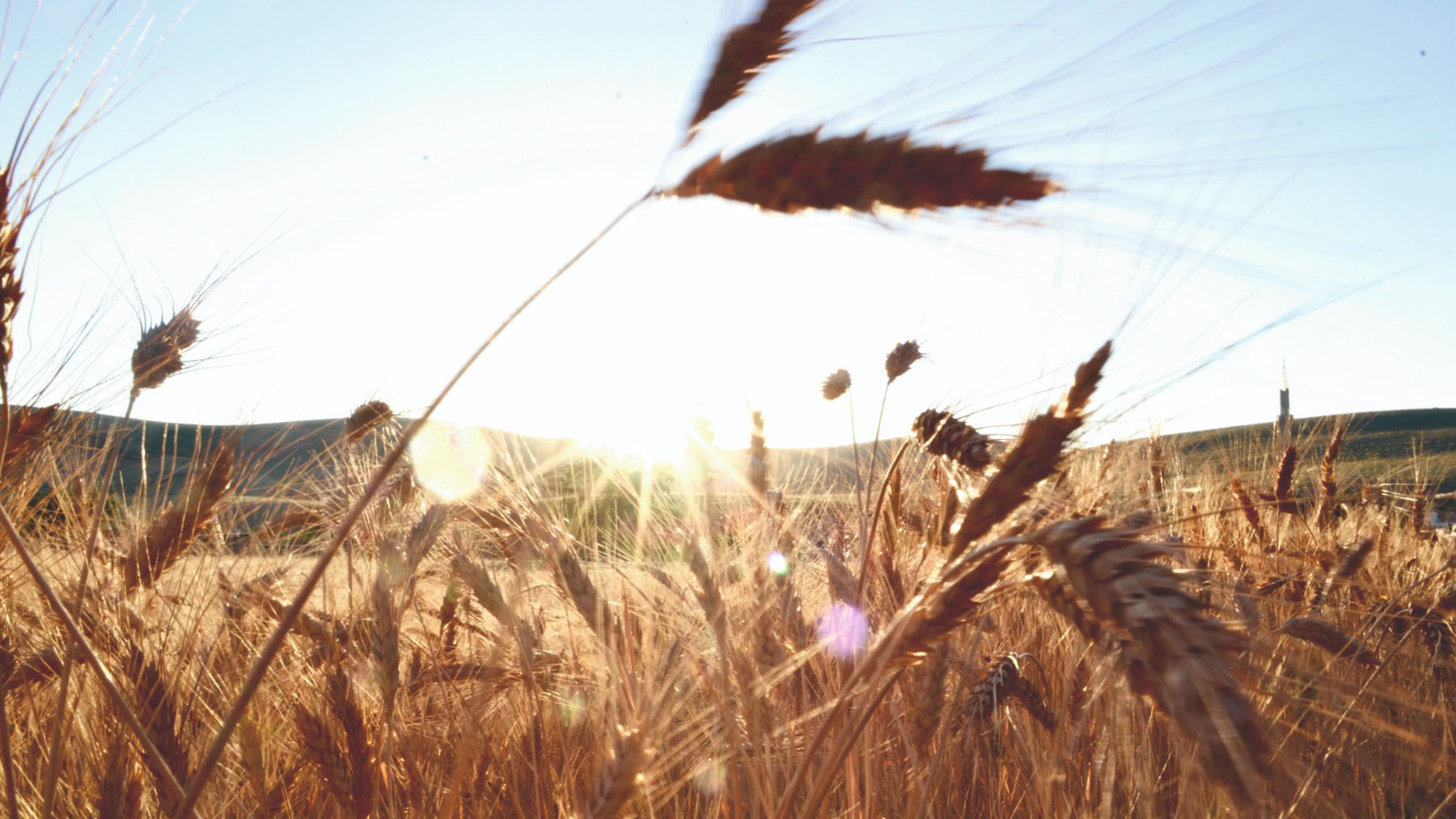
Biobags are made from Mater-Bi®, a family of biodegradable and compostable bioplastics developed using proprietary technologies based on starches, vegetable oils and their combinations. Mater-Bi® can be made entirely or partly from renewable resources. Some components needed to provide the required performance are not currently available from renewable sources. Regardless of their origin, all components of a certified product must meet the requirements applicable to its compostability certification.
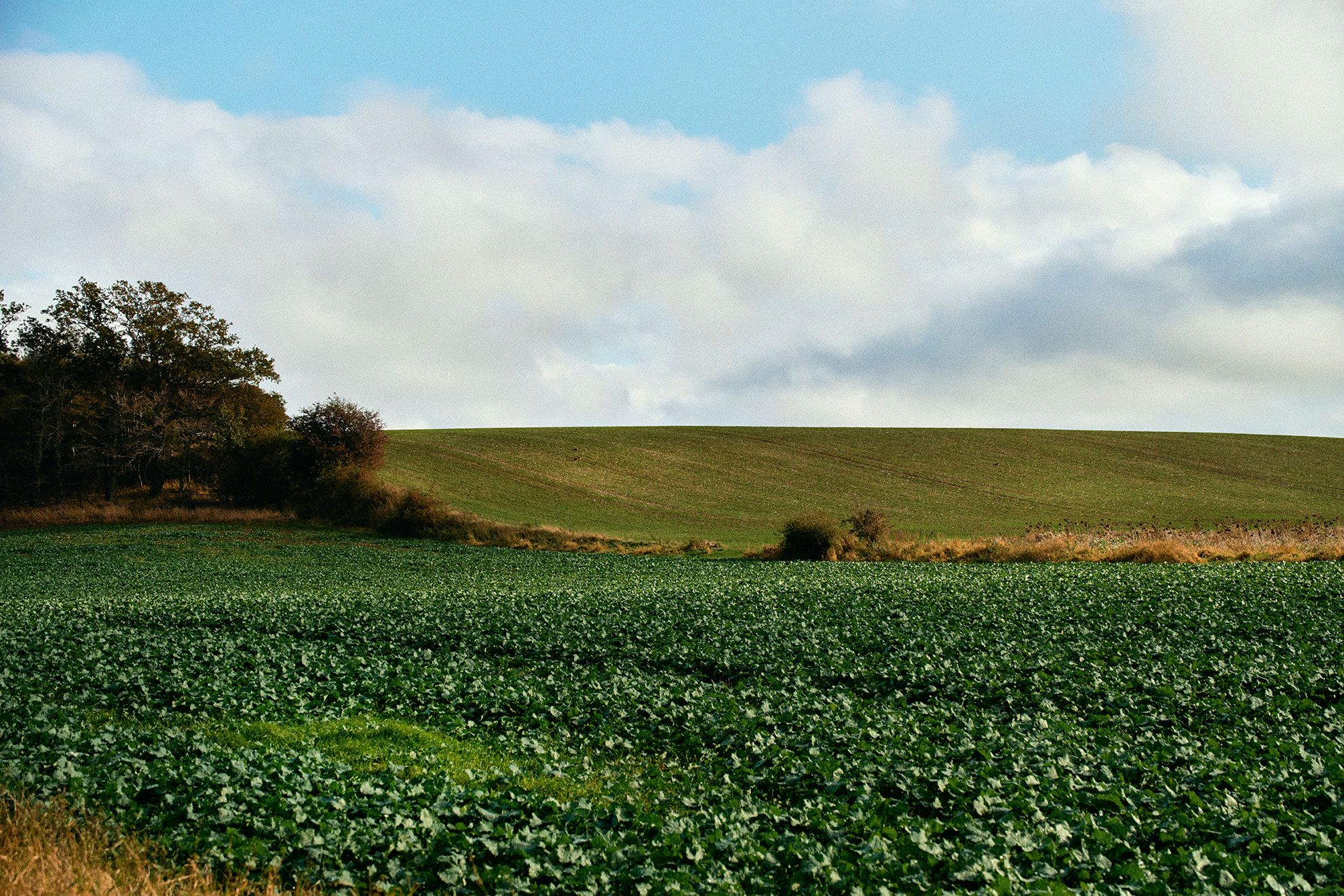
Biobag field

9. Help keep conventional plastic out of biological waste streams

When conventional plastic bags are used for food-waste collection, plastic fragments may enter the treatment process. Facilities work to remove this contamination, but small pieces can potentially remain in compost or digestate. Using certified compostable bags within a compatible system can help reduce the risk of persistent conventional plastic fragments entering the final biological material.

The right bag cannot make a food-waste system work on its own. But it can make correct sorting cleaner, simpler and easier to turn into an everyday habit.

Certified compostable bags are not the right answer for every plastic application, and they are not designed to be discarded in nature. Their role is clearest when they are used to collect organic waste and enter a compatible treatment system. That is where a small change can support a much bigger process: keeping food waste separate, reducing conventional plastic contamination and helping valuable organic resources remain in use.
Share this article:
Join Us in Making a Difference

Explore Biobag’s range of certified compostable bags and check the individual product information to find the certification and application suited to your needs.

Biobag Inspiration

Stories, tools, and ideas to help you make an impact.

Discover inspiring stories, expert advice, and practical tools to help you make informed choices, from improving composting routines to supporting the circular economy. Our articles show where compostable solutions can make sense and how to build better habits at home, at work, or across entire communities.

Plastic pollution in agricultural soils

When we talk about plastic pollution, most people think of oceans, floating waste islands and wildlife affected by plastic debris. However, plastic pollution is also found far from the coastline, including in the soils where our food is produced.

Composting & Soil HealthEnvironment & ClimateMunicipalities & Public ProgrammesEveryone & EverywhereArticle

Biogas and compost: different roles in the same system

Organic waste is often used to produce energy. But it also plays a role in maintaining soil health. Understanding how these two outcomes differ is key to making better use of organic resources.

Composting & Soil HealthEnvironment & ClimateEveryone & EverywhereArticle

Compostable certifications explained

Understanding what certification marks cover and why local waste infrastructure matters. Compostability certifications define the conditions under which a product is expected to break down. Here, we explain the differences between industrial and home composting, the main certification schemes and why local waste infrastructure still matters.

Policy & RegulationsWaste, Resources & CircularityEveryone & EverywhereArticle

From policy to practice: what it takes to make food waste systems work

The EU continues to strengthen its approach to waste and circular economy. On paper, this makes sense. But in practice, it raises a more difficult question: what does it actually take to make waste systems work?

Policy & RegulationsWaste, Resources & CircularityEveryone & EverywhereArticle

Biobag is part of Novamont Group, which is proud to be a Certified B Corp™

We are proud to share an important milestone: Biobag Group has been assessed as part of Novamont Group’s B Corp Certification.

Waste, Resources & CircularityEveryone & EverywhereArticle

A side order of microplastics, anyone?

Since its invention, humankind has produced an estimated 9.2 billion tonnes of plastic. Around 7 billion tonnes of it has already become waste.

Waste, Resources & CircularityEveryone & EverywhereArticle

Organic waste: an environmental threat or the best solution ever?

Organic waste is natural. But the amount we generate and what happens to it after disposal can create a serious environmental challenge.

Composting & Soil HealthWaste, Resources & CircularityEveryone & EverywhereMunicipalities & Public ProgrammesFood Service & HospitalityArticle

Soil Alert

An estimated 60–70% of soils in the EU are unhealthy. Yet healthy soil is essential for producing food, supporting biodiversity and keeping natural cycles working.

Composting & Soil HealthEnvironment & ClimateMunicipalities & Public ProgrammesEveryone & EverywhereArticle

The importance of good soil health

Healthy soil is the foundation of agriculture. It supports crops, stores and filters water, cycles nutrients and provides a home for an extraordinary range of organisms.

Composting & Soil HealthEnvironment & ClimateEveryone & EverywhereFarmers & AgricultureArticle

Turning surplus feathers into insulated packaging with compostable film

London-based start-up Aeropowder developed Pluumo, an insulated packaging material made using surplus feathers.

Product & Material Innovation Waste, Resources & CircularityRetailers & GroceryFood Service & HospitalityCommercial Business & InstitutionsArticle

What role can compostable products play in protecting soil?

Soil is the foundation of our food systems and an essential home for biodiversity. Yet an estimated 60–70% of soils in the EU are considered unhealthy.

Policy & RegulationsComposting & Soil HealthMunicipalities & Public ProgrammesFarmers & AgricultureCommercial Business & InstitutionsArticle

FAO highlights biodegradable alternatives for selected agricultural plastic applications

Plastic has become part of everyday life. Its durability and functionality make it useful in many applications, but plastic that is not properly collected and managed can remain in the environment and contribute to long-term pollution.

Waste, Resources & CircularityPolicy & RegulationsCommercial Business & InstitutionsFarmers & AgricultureMunicipalities & Public ProgrammesArticle

Microplastics are everywhere - but what are the consequences?

Microplastics have been found across the environment, from oceans and rivers to agricultural soil and the air we breathe. Scientists are still working to understand exactly what this means for ecosystems and human health.

Environment & ClimateWaste, Resources & CircularityEveryone & EverywhereMunicipalities & Public ProgrammesArticle

Life depends on healthy soil

Healthy soil supports food production, biodiversity and resilient ecosystems. Keeping organic-waste streams clean is one of the ways we can help protect this valuable resource.

Composting & Soil HealthWaste, Resources & CircularityFarmers & AgricultureMunicipalities & Public ProgrammesEveryone & EverywhereArticle

European scientific report examines where biodegradable plastics can play a role

Plastic has changed everyday life and provides valuable functionality in many applications. However, the production, use and disposal of plastic have also created a significant pollution problem.

Policy & RegulationsWaste, Resources & CircularityMunicipalities & Public ProgrammesFarmers & AgricultureCommercial Business & InstitutionsArticle

Biobag retail bags receive Cré certification for Irish food-waste bins

Biobag UK & Ireland’s retail range of compostable bags received Cré certification for use in Irish food-waste bins. At the time of the award, it was reported as the first retail range of compostable bags to receive this certification.

Waste, Resources & CircularityComposting & Soil HealthEveryone & EverywhereMunicipalities & Public ProgrammesCommercial Business & InstitutionsRetailers & GroceryFood Service & HospitalityArticle

Novamont acquires Biobag and strengthens its global presence

Italian company Novamont, a leader in the development and production of biochemicals and compostable bioplastics, announced that it had acquired Biobag Group, a Norway-based supplier of certified compostable solutions for waste collection and packaging.

Waste, Resources & CircularityProduct & Material Innovation Everyone & EverywhereCommercial Business & InstitutionsMunicipalities & Public ProgrammesRetailers & GroceryFood Service & HospitalityArticle

The role of bioplastic in a circular economy

Biobags are made of Mater-Bi, a family of biodegradable and compostable bioplastics developed by Novamont. These materials are designed for specific applications where biodegradability or compostability can support the collection and biological treatment of organic waste.

Composting & Soil HealthWaste, Resources & CircularityMunicipalities & Public ProgrammesFarmers & AgricultureEveryone & EverywhereArticle

Study confirms Biobags disappear in natural environments

The results of a two year study in the USA have confirmed biodegradable plastic alternatives like Biobags help prevent plastic pollution.

Waste, Resources & CircularityEnvironment & ClimateEveryone & EverywhereCommercial Business & InstitutionsFood Service & HospitalityRetailers & GroceryArticle

Microorganisms biodegrade biodegradable plastics

An ETH Zurich and EAWAG study shows microorganisms can fully break down biodegradable plastics into natural components.

Waste, Resources & CircularityComposting & Soil HealthFarmers & AgricultureMunicipalities & Public ProgrammesCommercial Business & InstitutionsEveryone & EverywhereArticle

The ultimate guide to home composting: turn waste into garden gold!

Home composting transforms suitable food scraps and garden waste into compost that can return organic matter to your soil. Here is how to get started and keep your compost working well.

Composting & Soil HealthEnvironment & ClimateEveryone & EverywhereArticle

Compostable bags and the circular economy initiative

An exciting European proposal on the Circular Economy Package in December 2015 paved the way for broader adoption of biodegradable materials across the EU.

Policy & RegulationsWaste, Resources & CircularityCommercial Business & InstitutionsEveryone & EverywhereMunicipalities & Public ProgrammesRetailers & GroceryFood Service & HospitalityArticle

Turn inspiration into action

Our compostable solutions can support transforming organic waste into renewable energy and nutrient-rich compost to grow new crops.

Explore Our Compostable Range
biobag

Get in touch

We will be happy to hear from you, so please write if you have questions about our products, want to meet one of our salespeople or you just have a great idea for a new product. Fill out the form and we will get back to you shortly.

I consent that you store my information and reach out to me in accordance with your Privacy Policy.