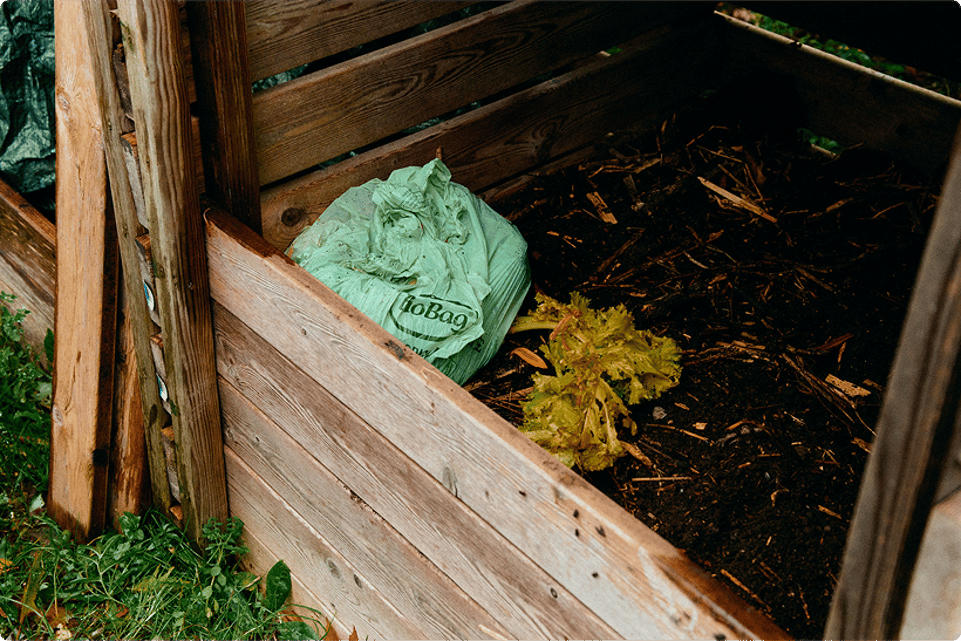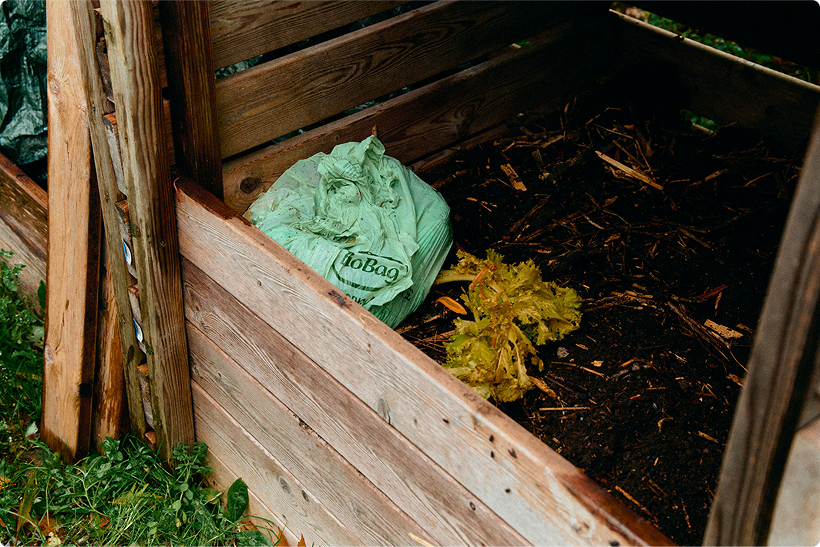
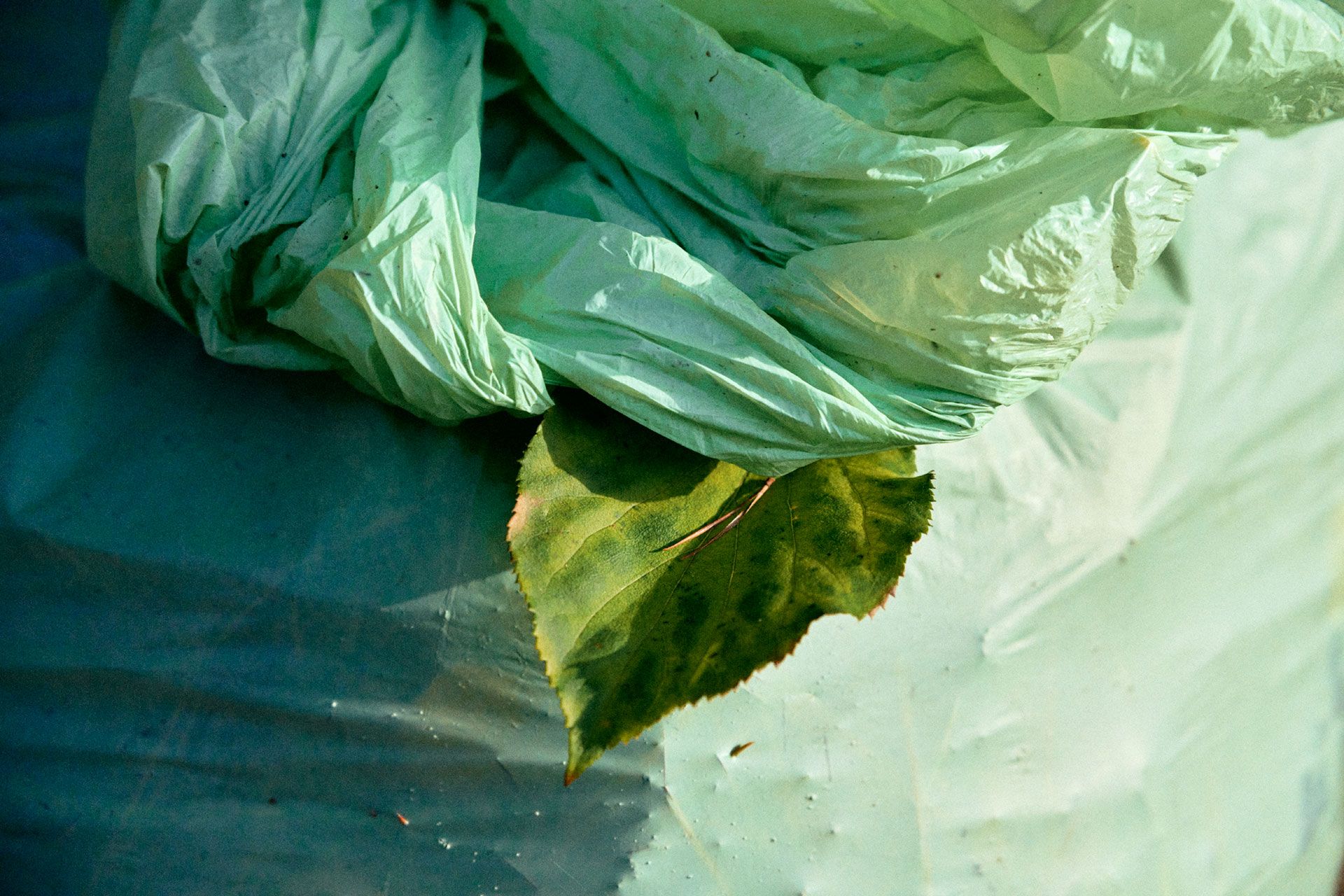
When sorting the organic waste, the most optimal solution will be to sort in a compostable green waste bag that can be composted with the waste. The green waste bags are fully certfied compostable and biodegradable. The only things they leave behind are water, CO2 and humus.
The problem with non-biodegradable plastic is that plastic accumulates in the environment. Certified compostable and biodegradable plastic combats an accumulation of plastic. It is fortunate that there are alternatives to conventional plastic bags. The green Biobags used in many large cities across Europe are one of these options. Biobag waste bags, sacks, and films are certified compostable and biodegradable according to the European Standard EN 13432, the US Standard ASTM D6400 and the Australian Standard AS473.
Will the green waste bags create microplastic?
The compostable green waste bags used in Copenhagen and other large cities can be composted and they will not release persistent microplastics in the soil. The bags are made partly from renewable raw materials combined with compostable and biodegradable polymer. Some constituents of the raw materials, which are necessary for the bag to function properly, are not currently available in a renewable form.
However, all the constituents and raw materials used in the production of the bags, whether renewable or non-renewable, have been carefully selected to ensure they meet the EN13432 standard for biodegradability and composability, and do not have any negative impact on the environment.
The biodegradable polymer that the bags are made of have a different chemical structure that is recognised as food by naturally occurring microorganisms and their structure can be broken down by their enzymes. The microorganisms can eat this, and make sure the bag breaks down into water, carbon dioxide and humus/biomass together with the food waste inside of it. It is therefore a safe solution for collection organic waste destined for composting or biogas production.