Everyone & Everywhere
Better food waste habits start at home. Certified compostable bags make food scraps easier to collect and help organic waste reach composting or biogas production, where it can be transformed into valuable compost or renewable energy.
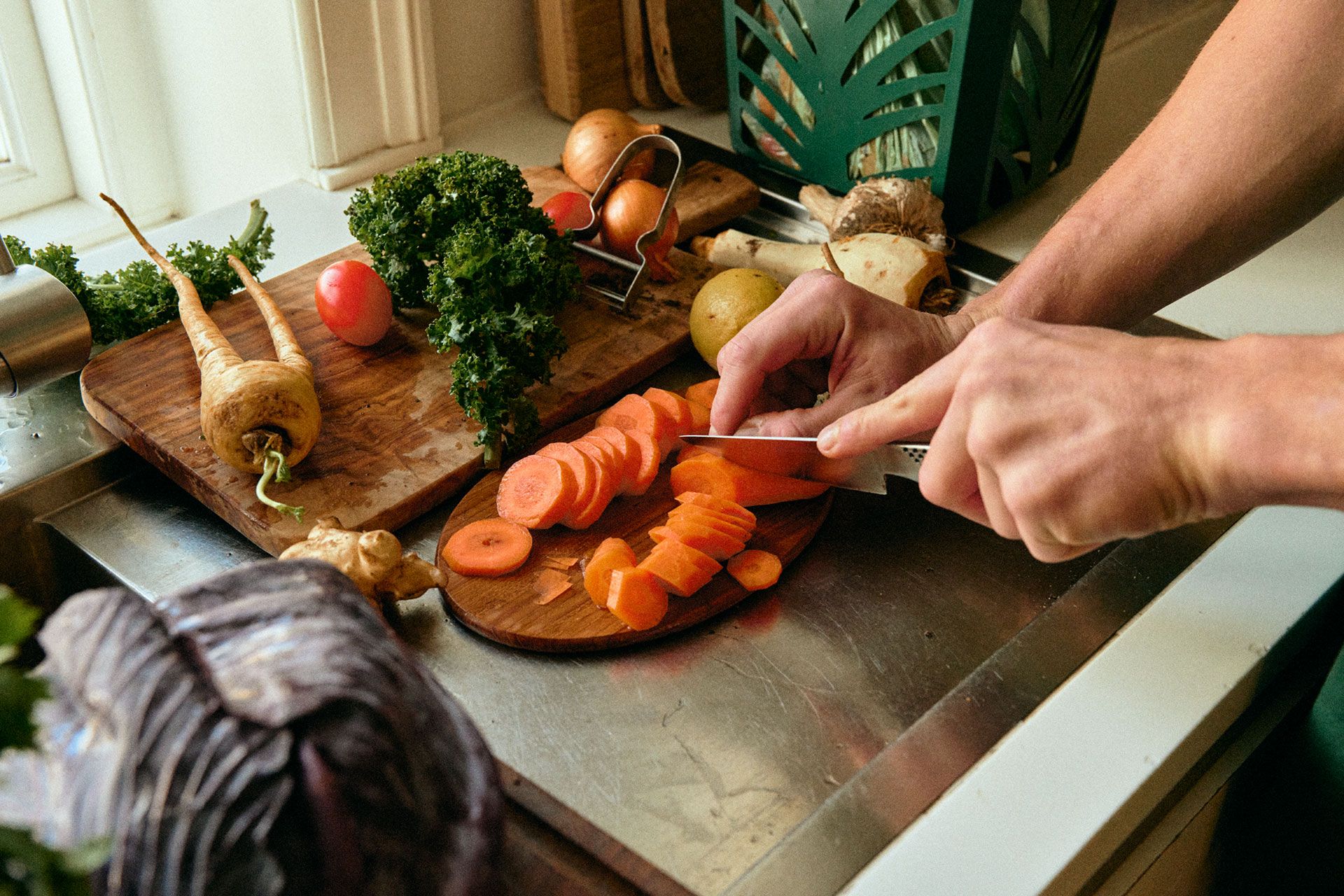
Why use a compostable bag at home?
Food and green waste account for almost one billion tonnes of municipal waste worldwide each year. Sorting food scraps separately helps them reach composting or biogas production, where they can become valuable compost or renewable energy.
Make sorting simple
Compostable bags make collecting food scraps and organic waste easy, clean and hygienic.
Leave no persistent microplastics
Certified compostable bags biodegrade under the conditions specified by their certification without leaving persistent microplastics behind.
Recover valuable resources
Collected organic waste can be transformed into biogas or nutrient rich compost that returns organic matter and nutrients to the soil.
Reuse with purpose
Reuse suitable compostable shopping bags at home to collect food waste, giving each bag a useful second purpose.

Lead by example
Your actions can inspire family, friends and neighbours to sort their food waste and follow local collection guidelines.
Small Change. Big Impact.
Sorting food waste helps it reach composting or biogas production, keeping valuable organic resources in use.
Small changes made by many people, everywhere, make a big difference.
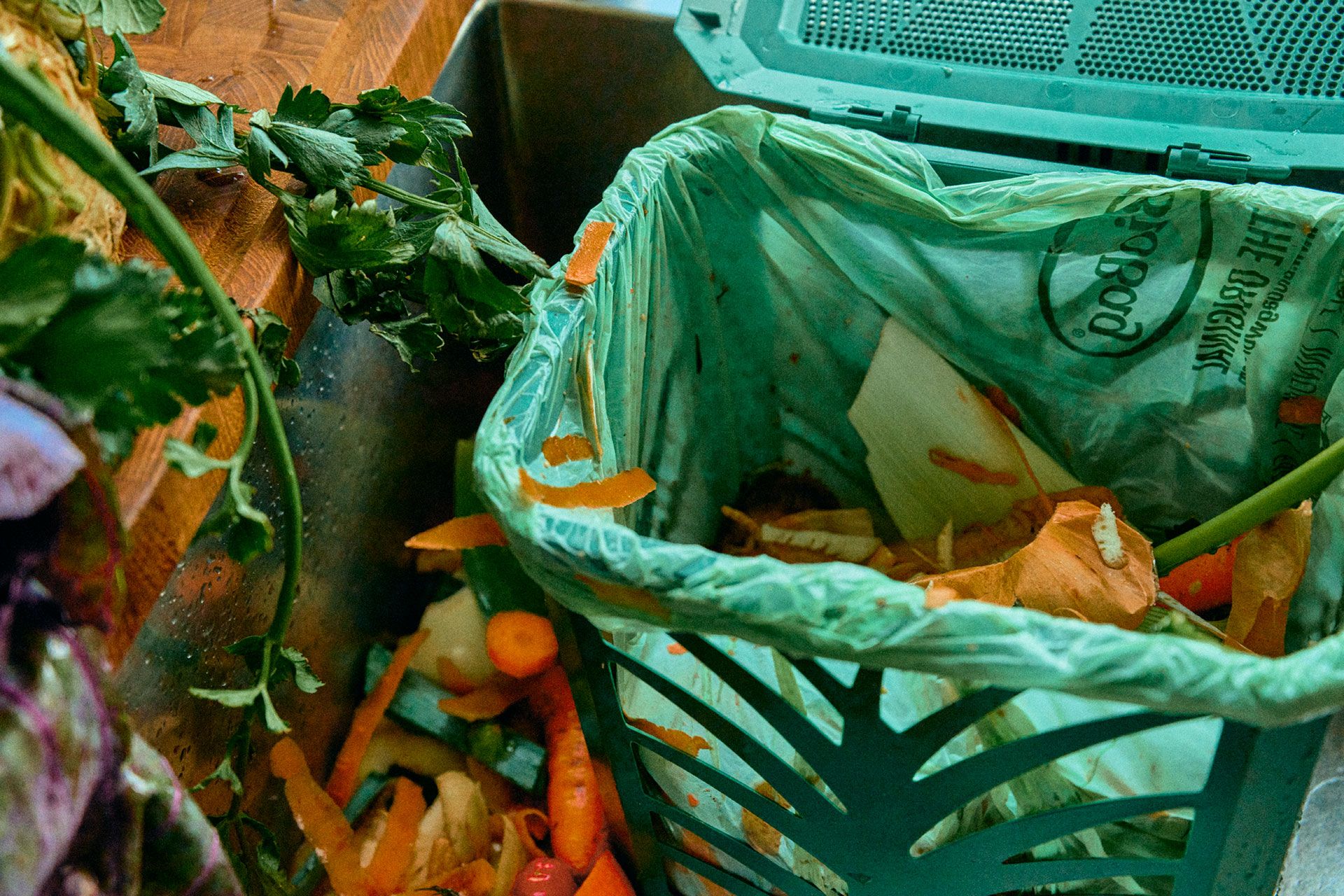
How to use compostable bags at home?
In the kitchen, Biobags are ideal for collecting food scraps, coffee grounds and other organic waste, helping keep your kitchen clean and making sorting simple. For garden waste, they make it easy to gather leaves, grass clippings and small branches for suitable composting or municipal collection. Biobag shopping bags can also be reused at home for collecting organic waste, giving them a useful second purpose.
For the best experience, change your bag every two to three days to prevent moisture building up. Store unused bags in a cool, dry and dark place. Biobags generally have a shelf life of 12 to 18 months from production, depending on the product and storage conditions. Always check the certification and follow your local collection guidance.
Compostable solutions for everyday life


Compostable products for everyday use, making it easier to sort waste at home and outdoors.
Caddy Liners
Small compostable liners for everyday food waste collection in kitchen caddies.
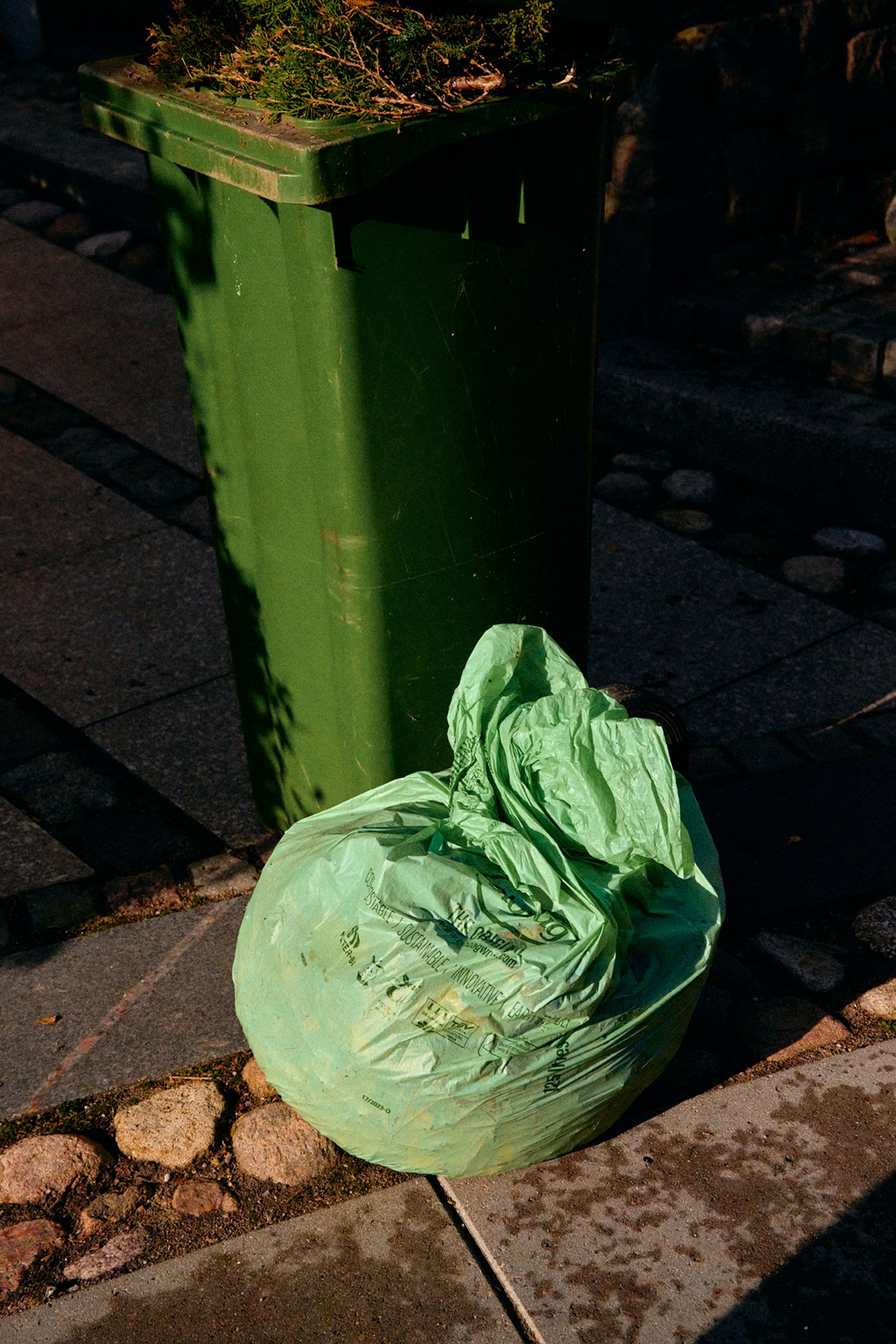
Container Liners
Larger compostable liners for household food waste and higher volume collection.
Food Waste Caddy
Caddies and containers for simple, hygienic food waste collection at home.
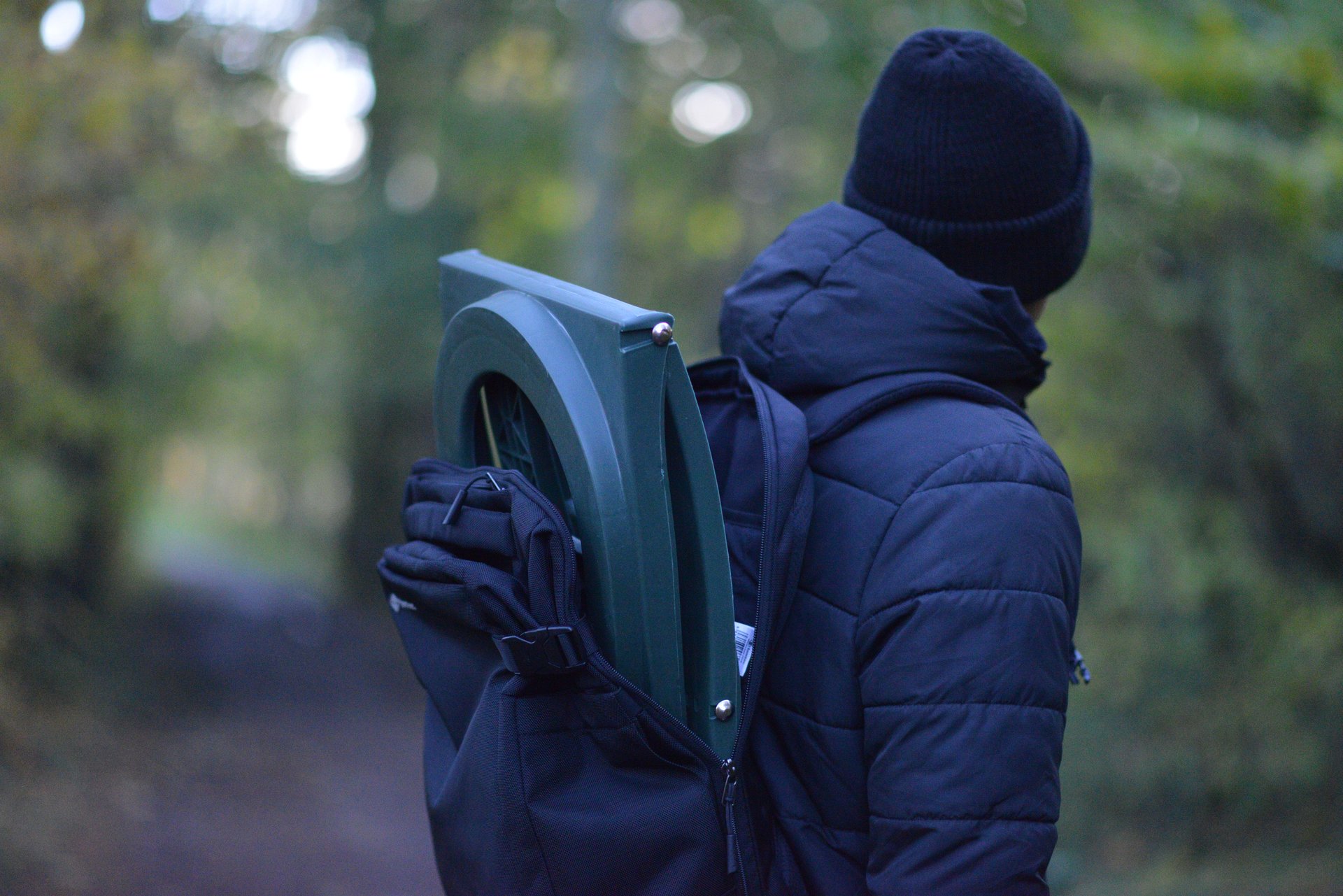
Pets & Outdoors
From dog waste bags to portable toilet bags for walks, trips, and outdoor adventures.
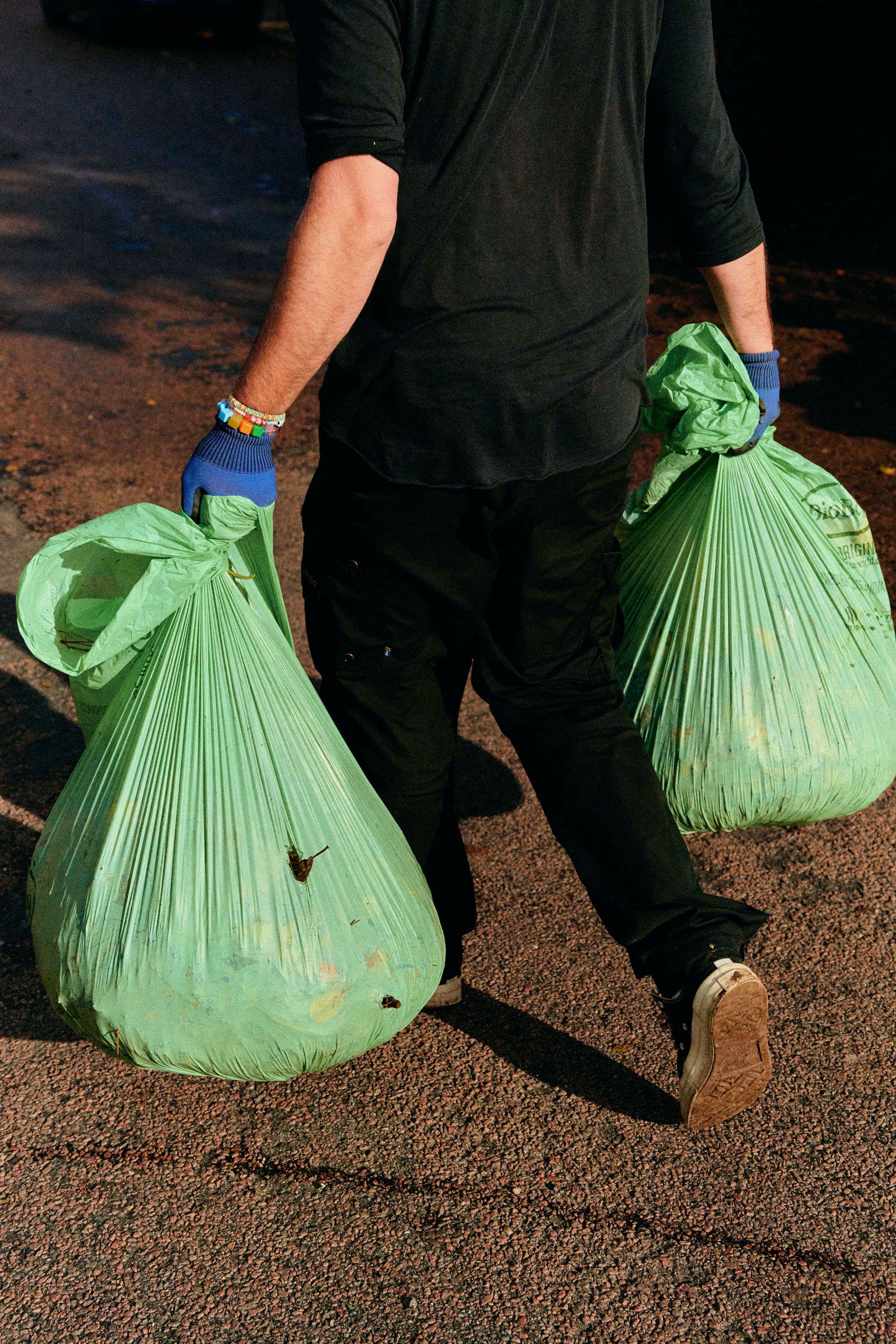
Heavy-Duty Bin Bags
Heavy-duty compostable bin bags for larger volumes and heavier food waste.
Still Have Questions? We've Got Answers.
Whether you're just getting started or already using Biobag, find practical information about composting, certifications, materials, and how to get the most out of our products.
Stories, tools, and ideas to help you make an impact.
Discover inspiring stories, expert advice, and practical tools to help you make informed choices, from improving composting routines to supporting the circular economy. Our articles show where compostable solutions can make sense and how to build better habits at home, at work, or across entire communities.
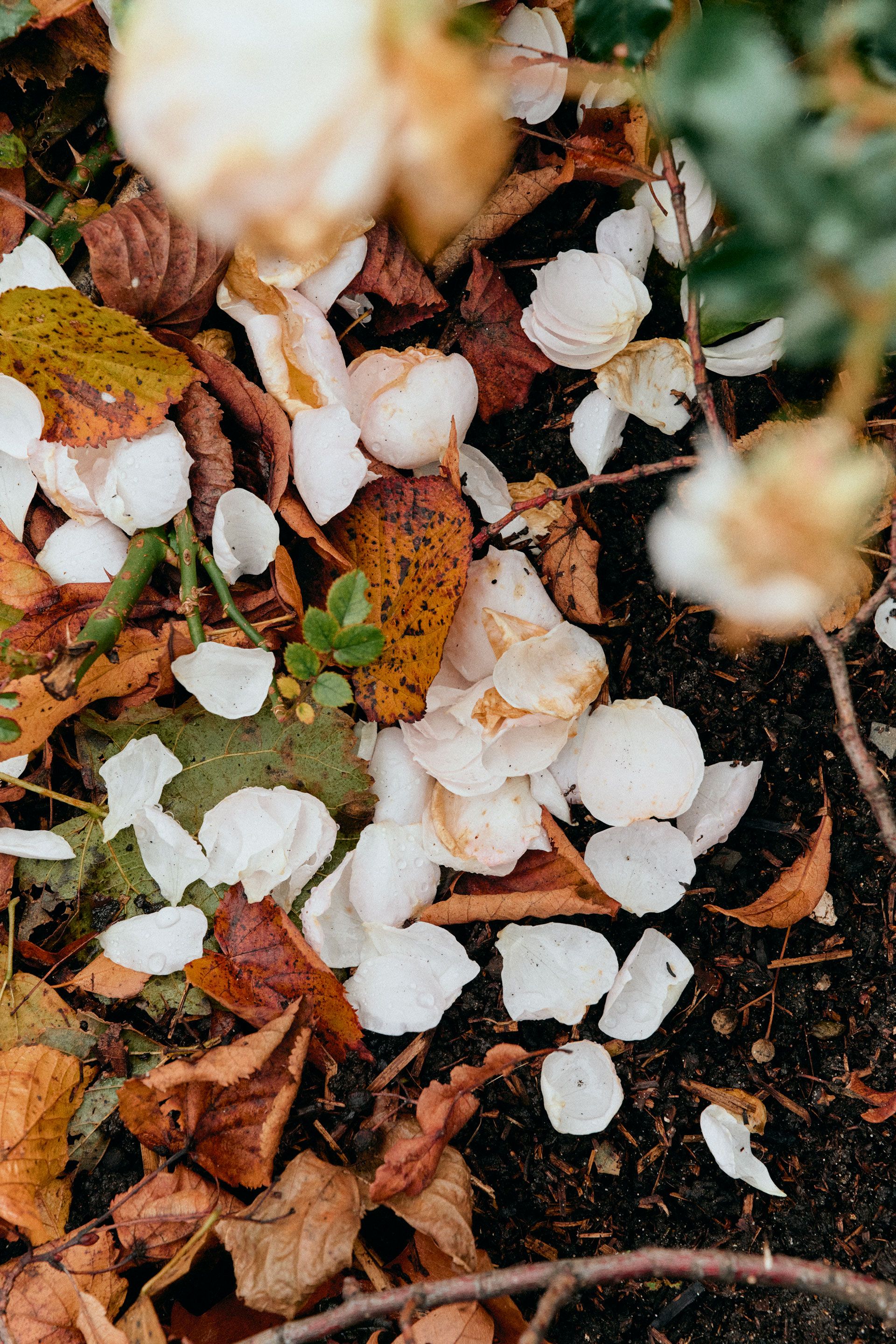
A side order of microplastics, anyone?
Since its invention, humankind has produced an estimated 9.2 billion tonnes of plastic. Around 7 billion tonnes of it has already become waste.
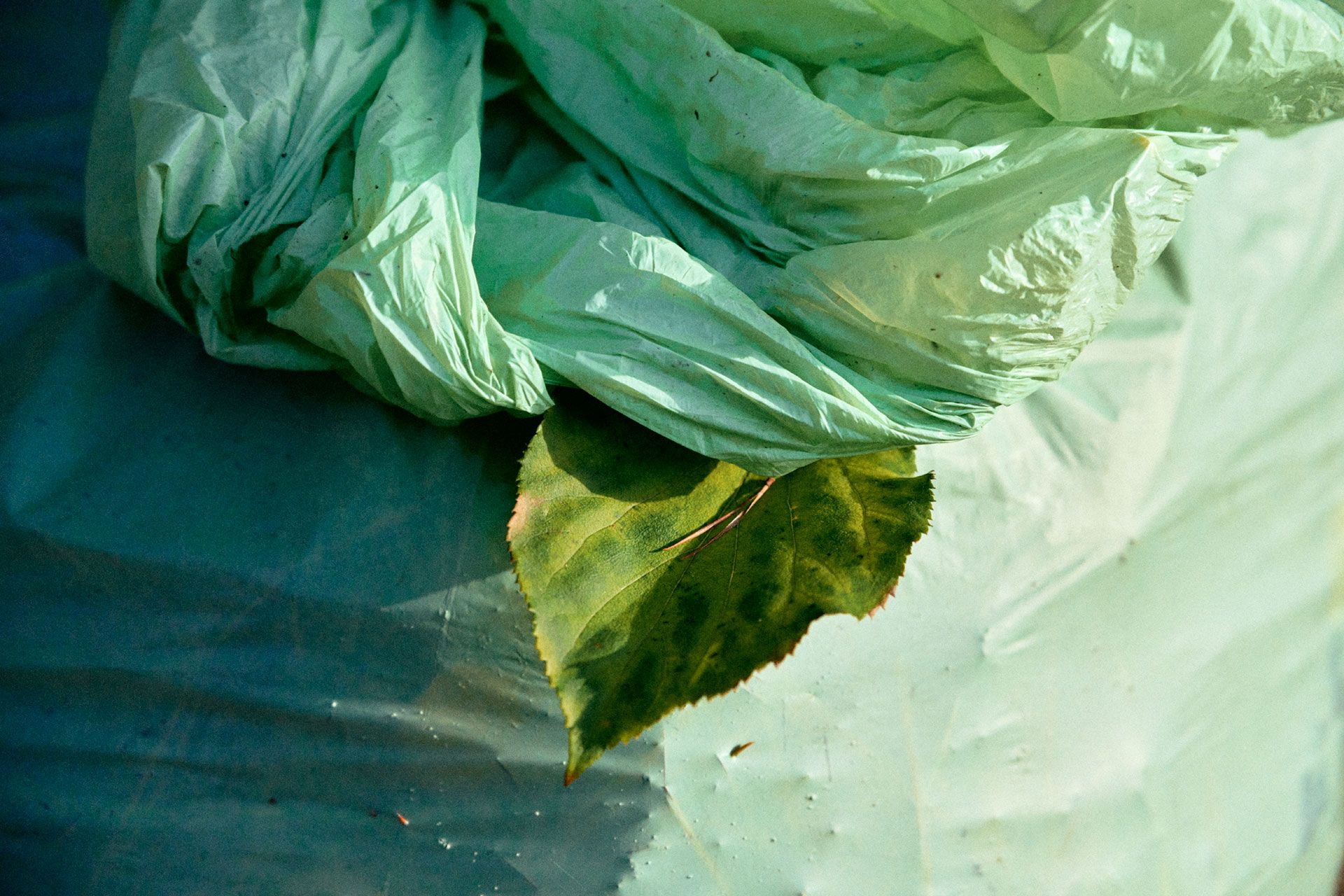
Nine reasons to choose compostable Biobags
Food waste is produced every day. How we collect and treat it determines whether its valuable resources are lost or kept in use.
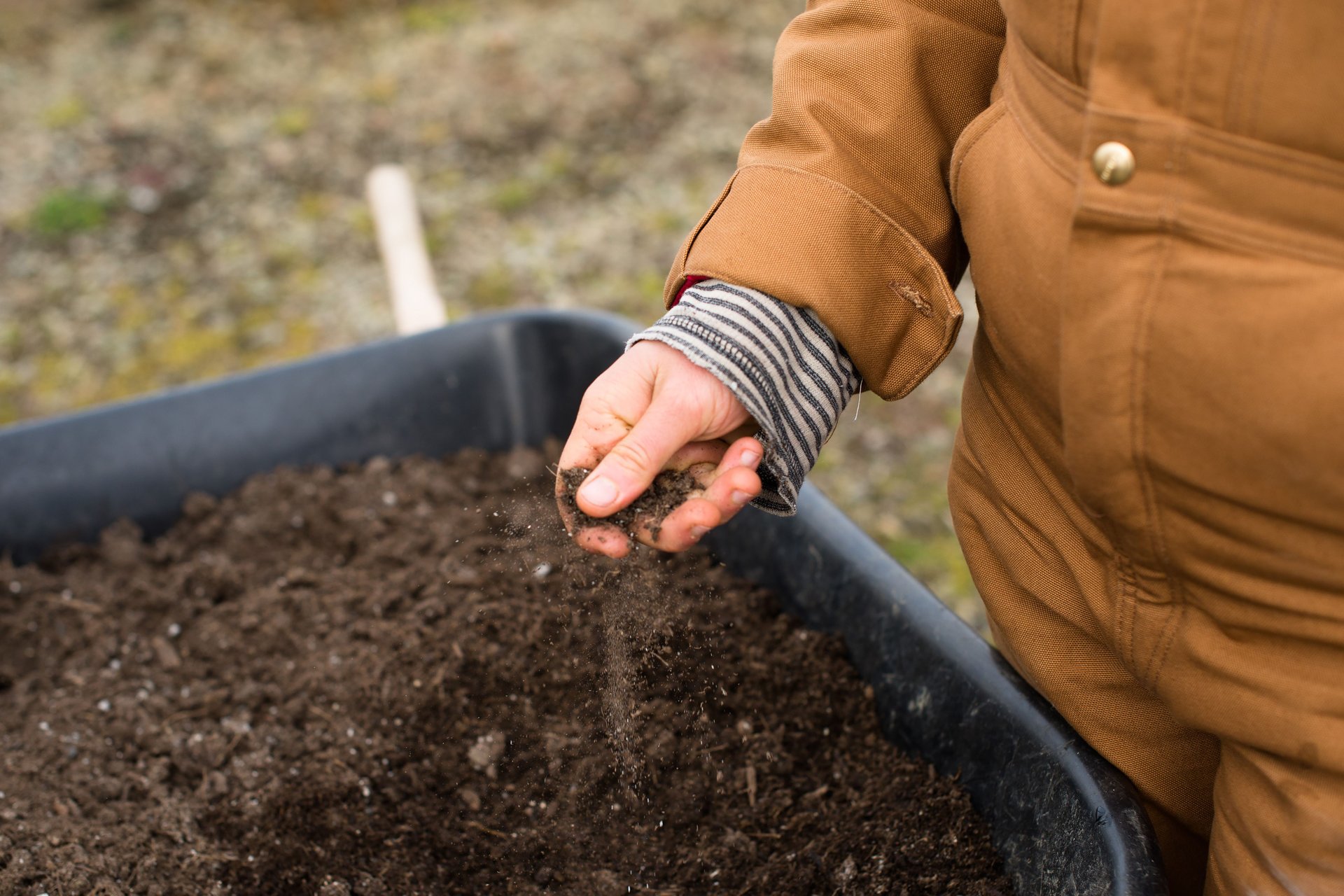
The importance of good soil health
Healthy soil is the foundation of agriculture. It supports crops, stores and filters water, cycles nutrients and provides a home for an extraordinary range of organisms.