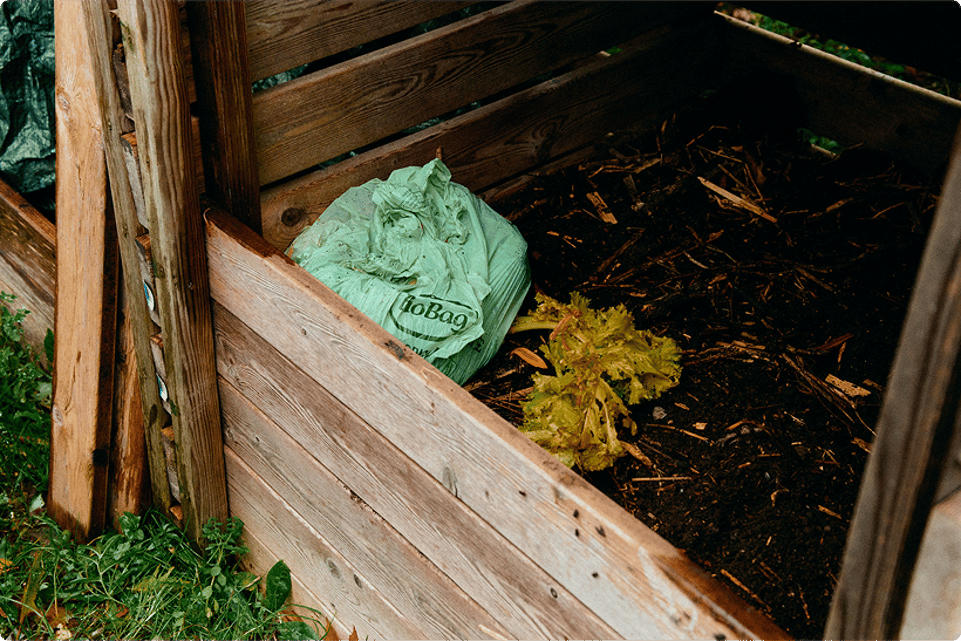
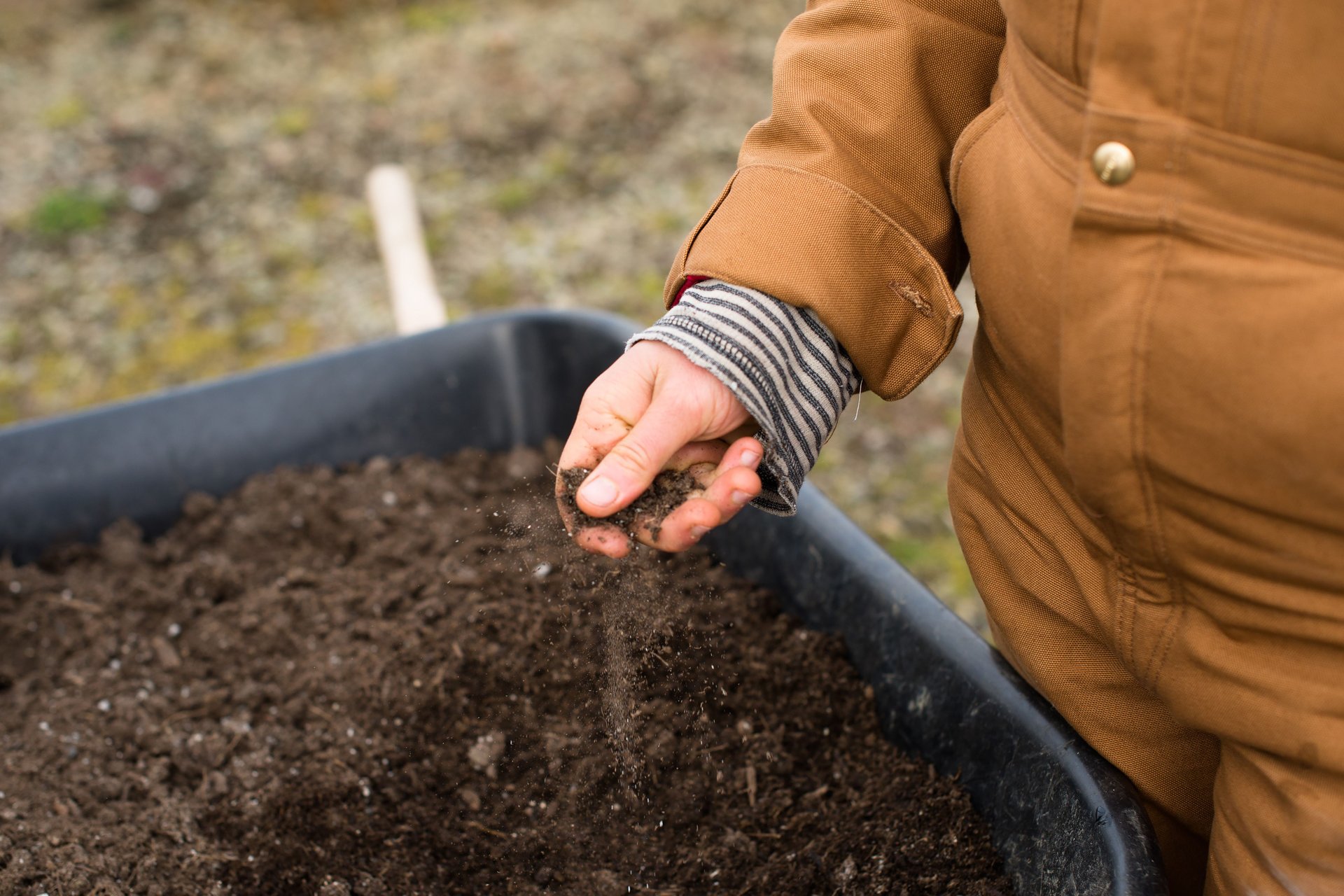
Yet soil across Europe is under increasing pressure. Erosion, declining organic matter, compaction, pollution and loss of biodiversity can all affect its ability to function.Plastic pollution is one part of this much larger challenge. Plastics can reach agricultural soil through several routes, including sewage sludge, contaminated compost, irrigation water and the use of agricultural plastics such as conventional mulch film.
The useful role of mulch film
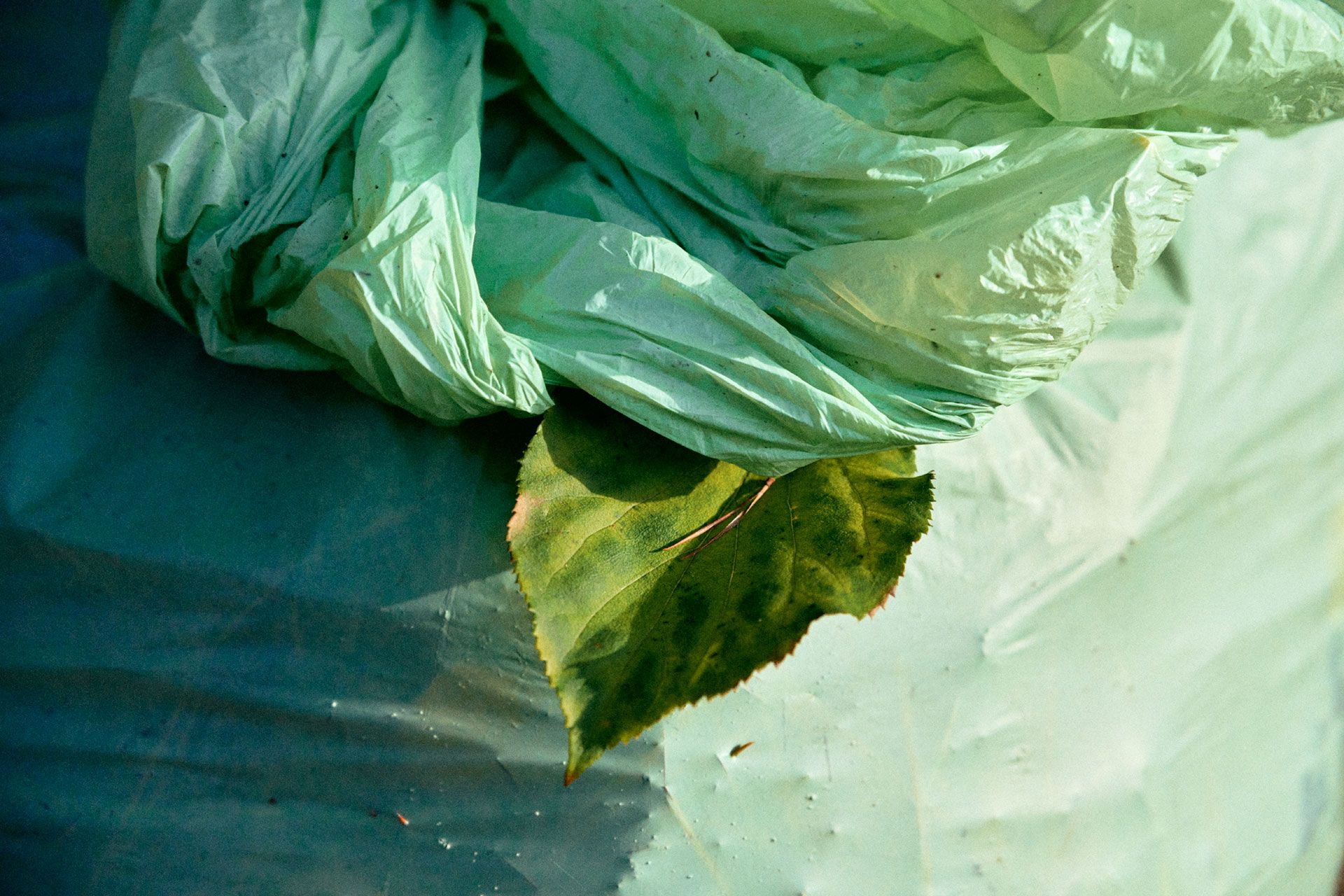
Mulch film is used in agriculture to cover the soil around growing crops. It can help control weeds, conserve moisture, regulate soil temperature and protect crops during cultivation. Conventional plastic mulch film performs these functions effectively, but it must normally be collected after use. Exposure to weather, agricultural machinery and repeated handling can cause thin films to tear. Recovering every piece from the field can therefore be difficult, and fragments left behind may gradually break into persistent microplastics.
This does not mean that all land using conventional mulch film becomes unsuitable for agriculture. It does mean that repeated plastic residues can contribute to the accumulation of plastic in agricultural soil and create a long-term management challenge.
Once plastic enters the soil
Conventional plastics do not readily biodegrade under natural soil conditions. Larger pieces can instead fragment into increasingly smaller particles that become mixed with soil, roots and organic matter. Removing widely dispersed microplastics from agricultural soil is extremely difficult without also disturbing the soil itself. Prevention is therefore important: the less persistent plastic that enters the soil, the less there is to accumulate over time.
Researchers are investigating how microplastics affect soil structure, water movement, microbial activity and plant growth. The findings vary according to the type, size and concentration of the particles and the conditions in the soil. Microplastics have also been detected in food, water, air and parts of the human body. However, research into their movement through crops and their long-term effects on human health is still developing. It is important not to present questions that are still being studied as settled conclusions.
An alternative designed for use in soil
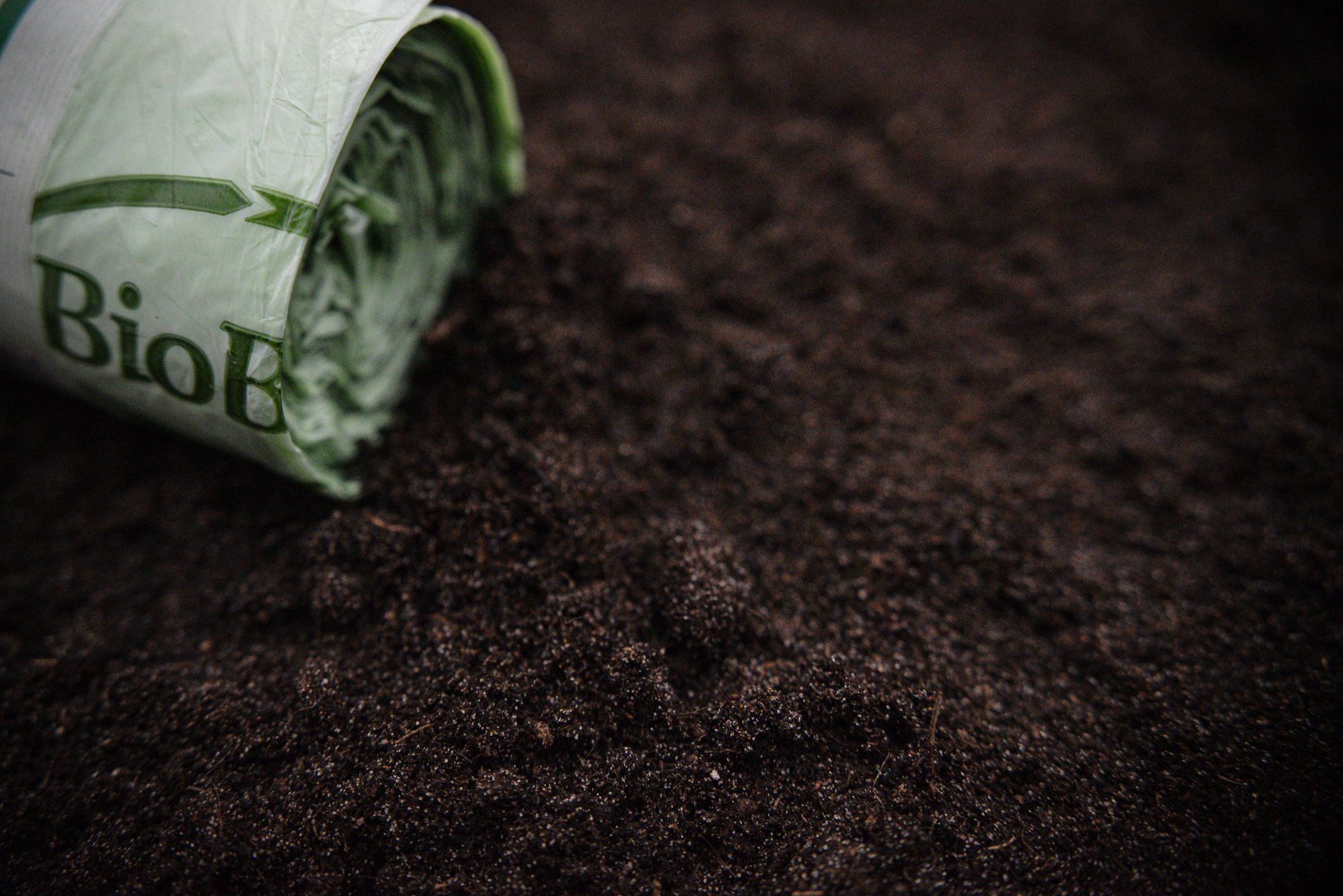
For applications where conventional mulch film is difficult to recover completely, certified soil-biodegradable mulch film can provide another option. Biobag offers soil-biodegradable mulch film made from Mater-Bi®. It is designed to provide the practical functions required during cultivation and, after use, to be incorporated into the soil in accordance with the product instructions. Under suitable soil conditions, naturally occurring microorganisms biodegrade the material, converting it into water, carbon dioxide and biomass without leaving persistent microplastics behind.
Because the film can be incorporated into the soil after use, farmers can avoid the separate collection and disposal stage required for conventional plastic mulch film. This may reduce labour and handling, although the practical and economic outcome will depend on the crop, location and farming system.
Certification matters
Not every product described as biodegradable is designed to biodegrade in agricultural soil. Biobag’s soil-biodegradable mulch film is certified OK biodegradable SOIL by TÜV AUSTRIA. This certification assesses biodegradation in soil, together with requirements relating to the material’s environmental safety under the conditions covered by the scheme.
Soil-biodegradability certification is different from industrial or home-compostability certification. The certification marking on the individual product shows the environment in which it has been assessed. Certified soil biodegradability is also not permission to leave products in nature. The film has a specific agricultural purpose and must be used and incorporated in accordance with the relevant product and cultivation instructions.
Protecting the soil beneath our crops
There is no single solution to every challenge facing agricultural soil. Protecting it requires careful land management, maintaining organic matter, preventing contamination and choosing materials that are suited to their intended use and end-of-life environment.
Where plastic mulch film provides an important agricultural function but complete retrieval is difficult, certified soil-biodegradable mulch film can help prevent persistent plastic fragments from accumulating in the soil.
Soil protection should not be a paradox. The materials used to support today’s crops should also respect the soil needed for tomorrow’s harvest.