ArticleComposting & Soil HealthEnvironment & ClimateMunicipalities & Public ProgrammesEveryone & Everywhere

Soil Alert

Written by The Biobag Team
biobag
Stay Inspired, Stay Connected!

Join the Biobag community and get practical tips, real stories, and updates on how compostable choices are making a difference in homes, cities, and businesses.

Get in touch
biobag

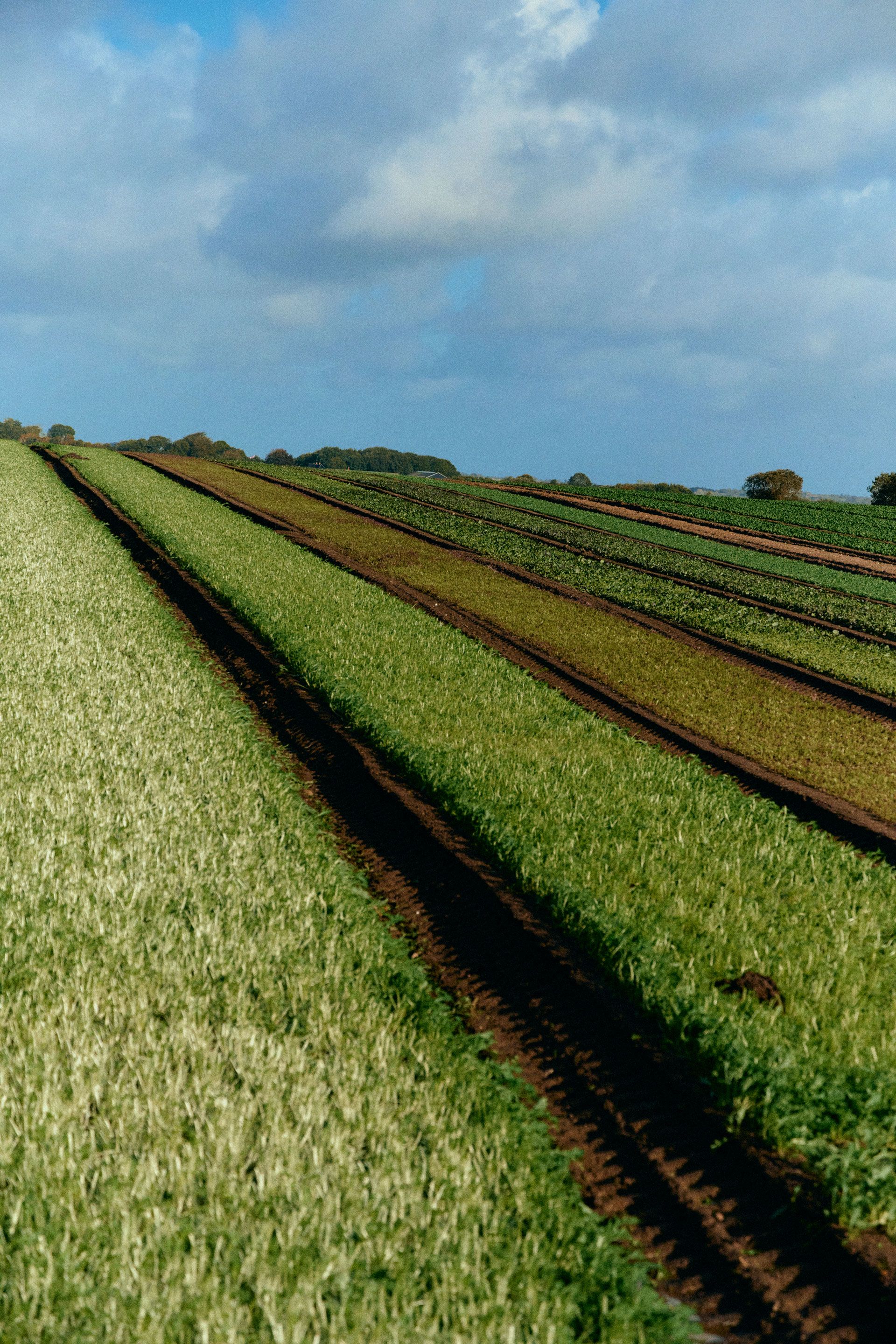
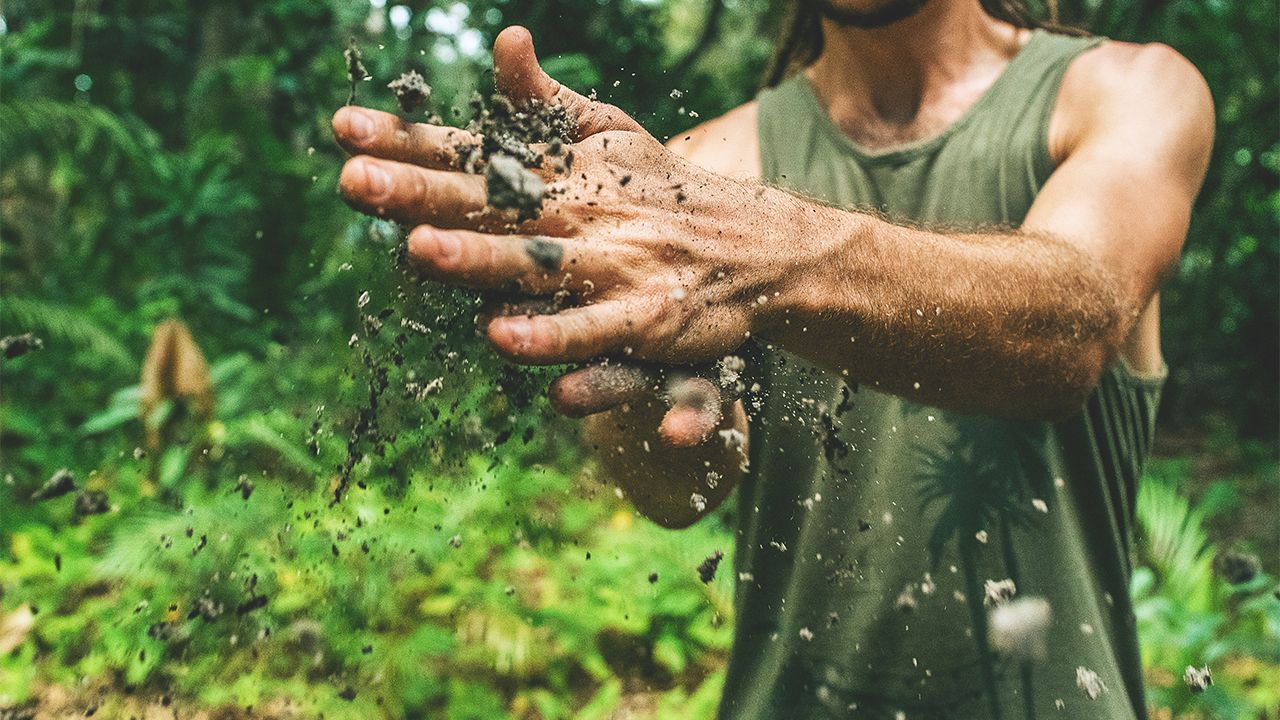
In the EU alone, 60-70% of our farmland is considered to be unhealthy. We need healthy farmland to be able to grow crops, fruits, and vegetables to feed the human population.

With the rate at which we exploit it, pollute it, and take away from it today - without giving anything back - it's not looking very good for soil health on this planet.

Care and protection of air, water, and the marine environment has taken centre stage in the global climate debate for decades. According to Plastic Change  however, the content of micro- and nanoplastics in agricultural soil is now estimated to be up to 4-23 times higher than its concentration in the ocean. This is surprising, given how much media space is offered to plastic in the ocean, and how little to plastic in the soil, and soil health in general. Of course, all plastic pollution is negative, regardless of the hosting element, but this knowledge makes it time to add soil health to the list of priorities.

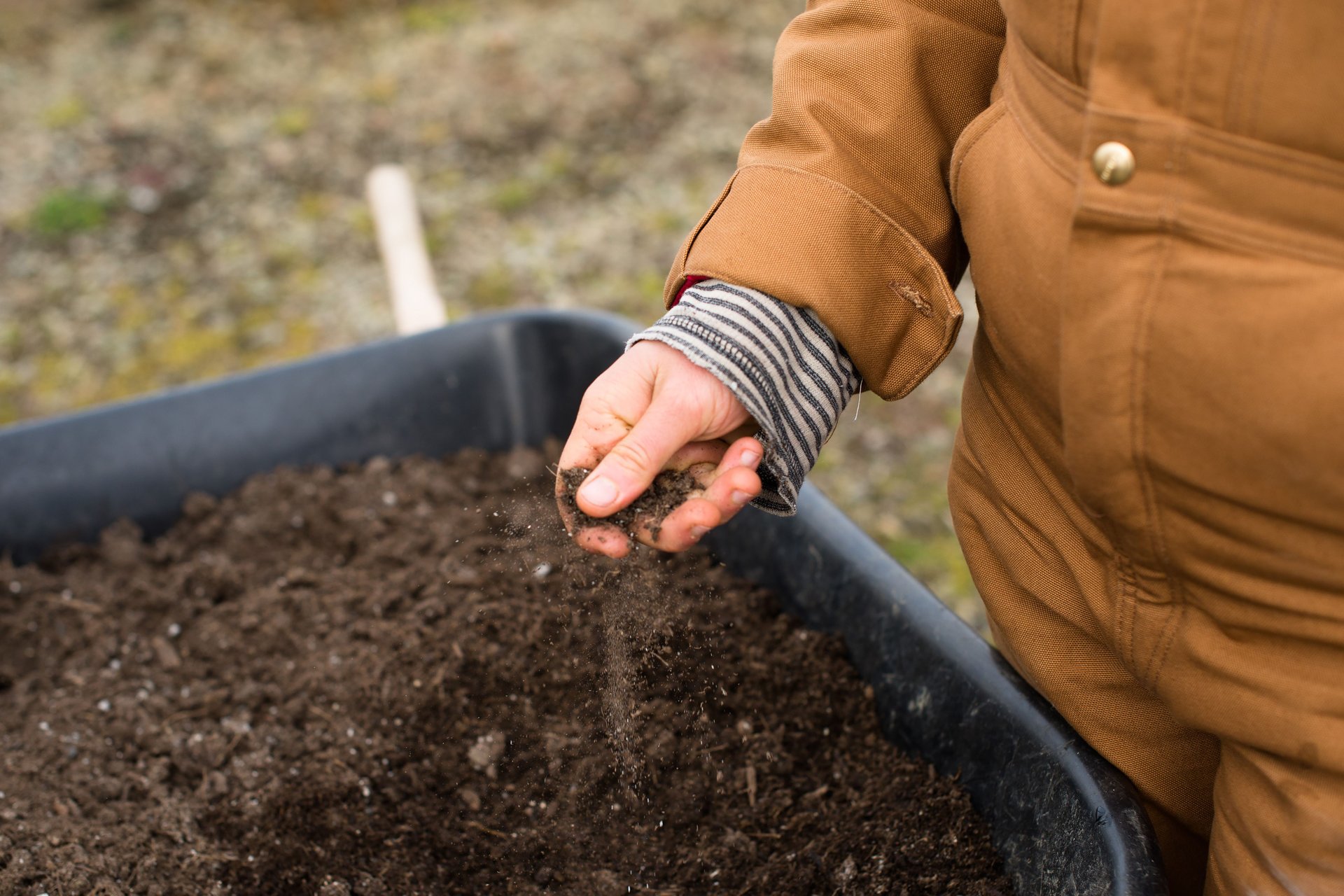
Soil plays a pivotal role in the circularity of the entire Bioeconomy, and is an essential starting point for our entire existence, not to mention the basis for all food chains and for biodiversity on earth. Its state of health is deteriorating fast, and as such, it should get a spot on that centre stage. With an extra spotlight, or two.

In a few more words, without healthy working soil, we will have no farmland left that is able to grow crops, fruits, and vegetables to feed us all. And with the rate at which we exploit it, pollute it, and take away from it, without giving anything back to it – we can’t afford to wait 1,000 years for a teeny tiny 2-3 centimetres.

There are two main concerns with the deteriorating soil health:

  1. We won't have any soil left.
  2. It can take up to 1,000 years to create a 2–3-centimetre layer of soil.
biobag

According to the United Nations Food and Agriculture Organization (FAO)3,4 the entire top layer of soil could be gone in 60 years, if the current rate of degradation continues. And with about a third of the world’s soil already degraded, we sort of have to do something quickly. Each year, approximately a billion tons of soil is lost due to erosion, and soil now suffers from loss of organic material, pollution, loss of biodiversity, salinization, overexploitation, and discharge of pollutants. Healthy soil would however strengthen our resilience and vulnerability to climate change, and so we need to focus on how to GIVE back to the Bioeconomy, and not only TAKE from it, in order to achieve a healthier soil.

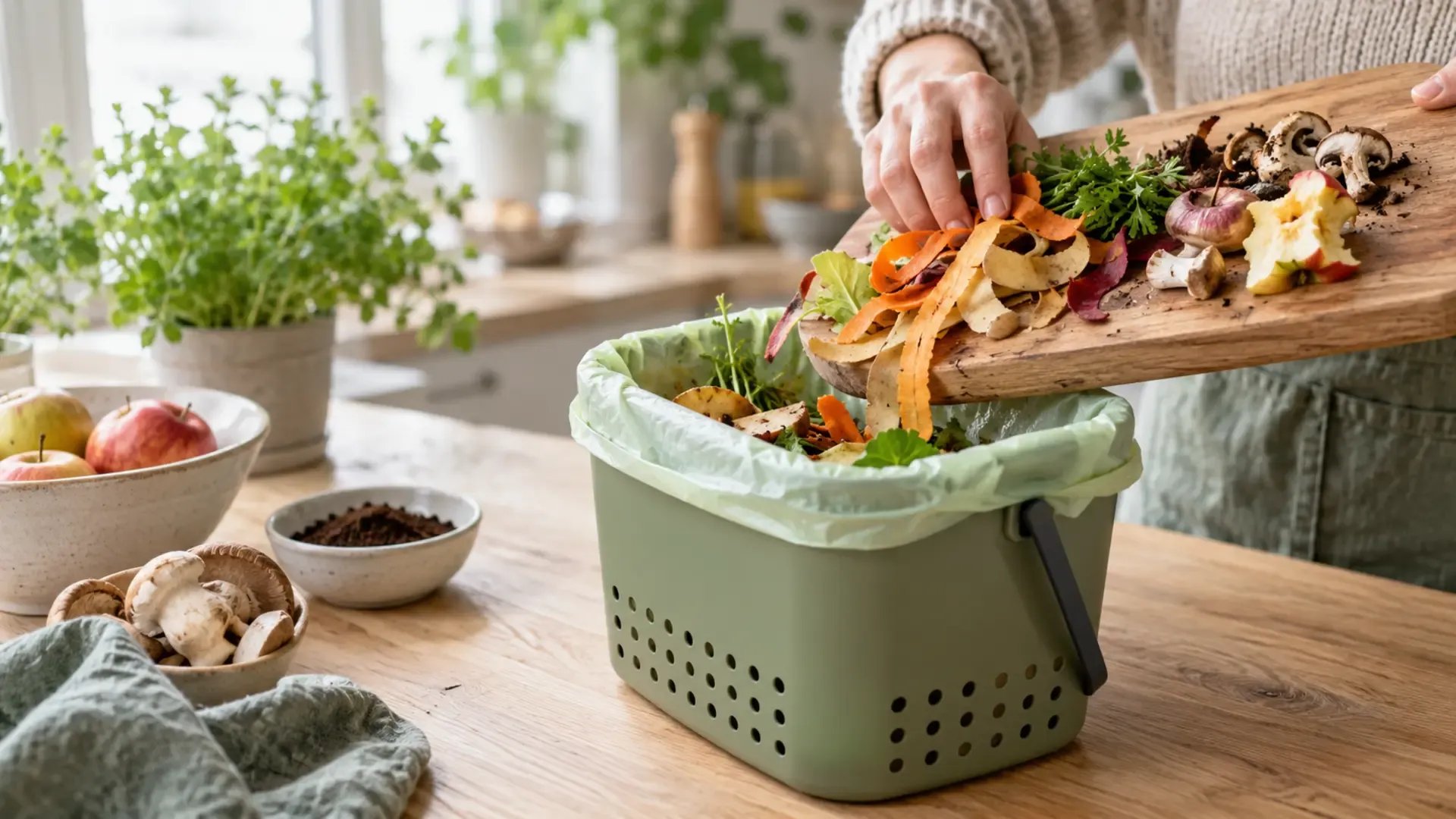
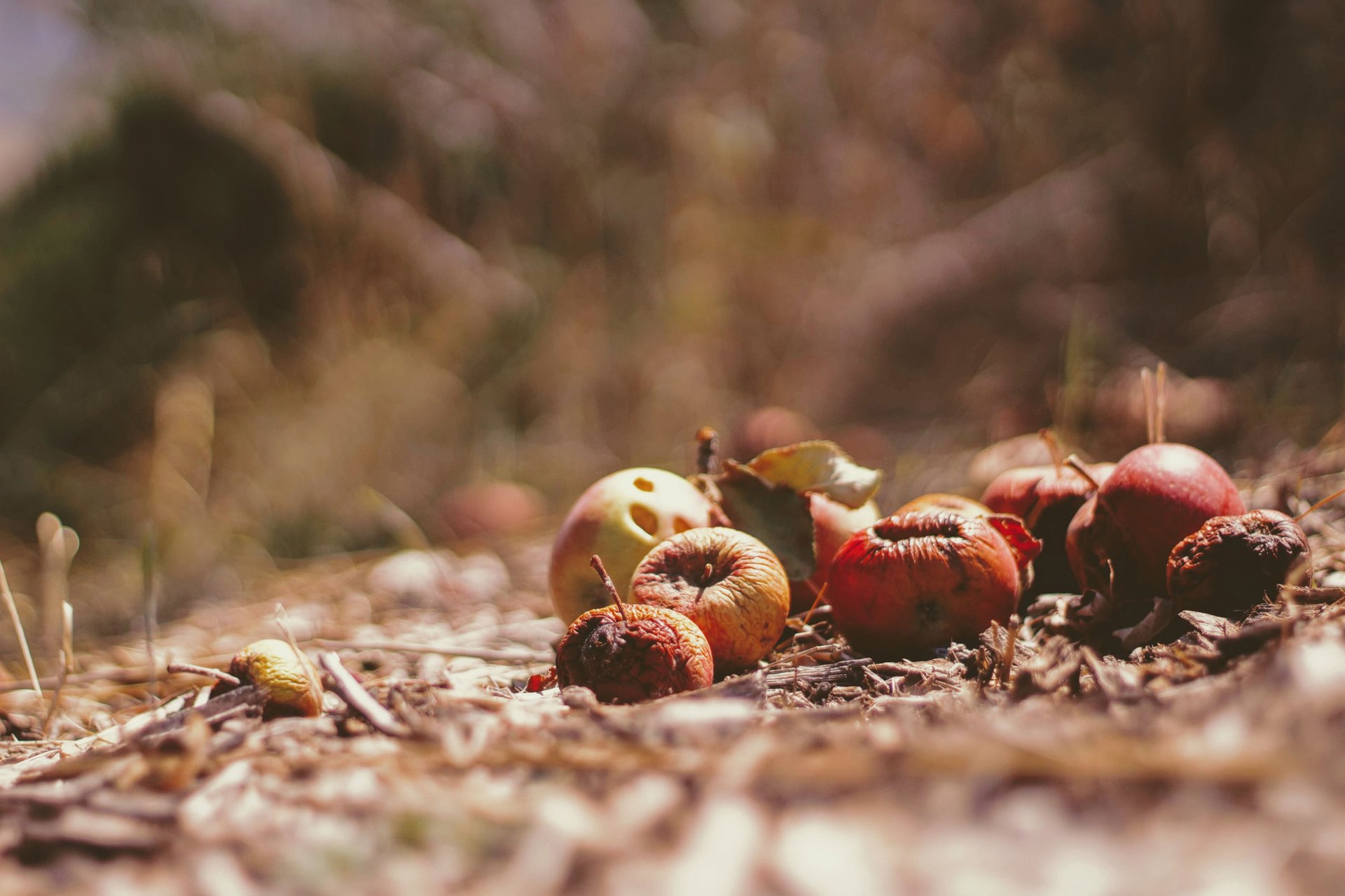
A great contributing solution is actually within reach. Literally. It just so happens that every year, you and I (and the rest of humankind) waste around 1.3 billion tonnes of food – leftovers, scraps, fruit peels, vegetable skins, etc. This represents about one-third of the total amount of food produced for human consumption annually. A colossal yet inevitable amount that we label as waste, BUT… to our soil and farmland, it is better than gold!

Recovering this valuable resource embedded in organic ‘waste’ is a massive and continuous potential source, that we can give back to the Bioeconomy. If we sort, collect, and compost this waste, and put it back onto the fields, its valuable nutrients and microorganisms will make the soil much healthier and even more resistant to e.g. drought and heavy rain. Most importantly, it will help maintain the soil fertile for growing food in a healthy and valuable circular economy. Giving all this organic material back to the soil will have a big and positive impact on the general soil quality, and thus collecting and composting the unfathomable amounts is a sustainable, good, and meaningful way to improve our soil.

And do it in a way that will not contaminate the waste with microplastic fractions along the way as it travels from kitchen to farmland. When using a conventional plastic waste bag, it’s inevitable that microplastic fractions will mix with the organic waste, and thus end up in the soil, when spread as compost. And since conventional plastic does not disappear, the plastic contamination of the farmland will accumulate with each new layer of compost that is spread. 

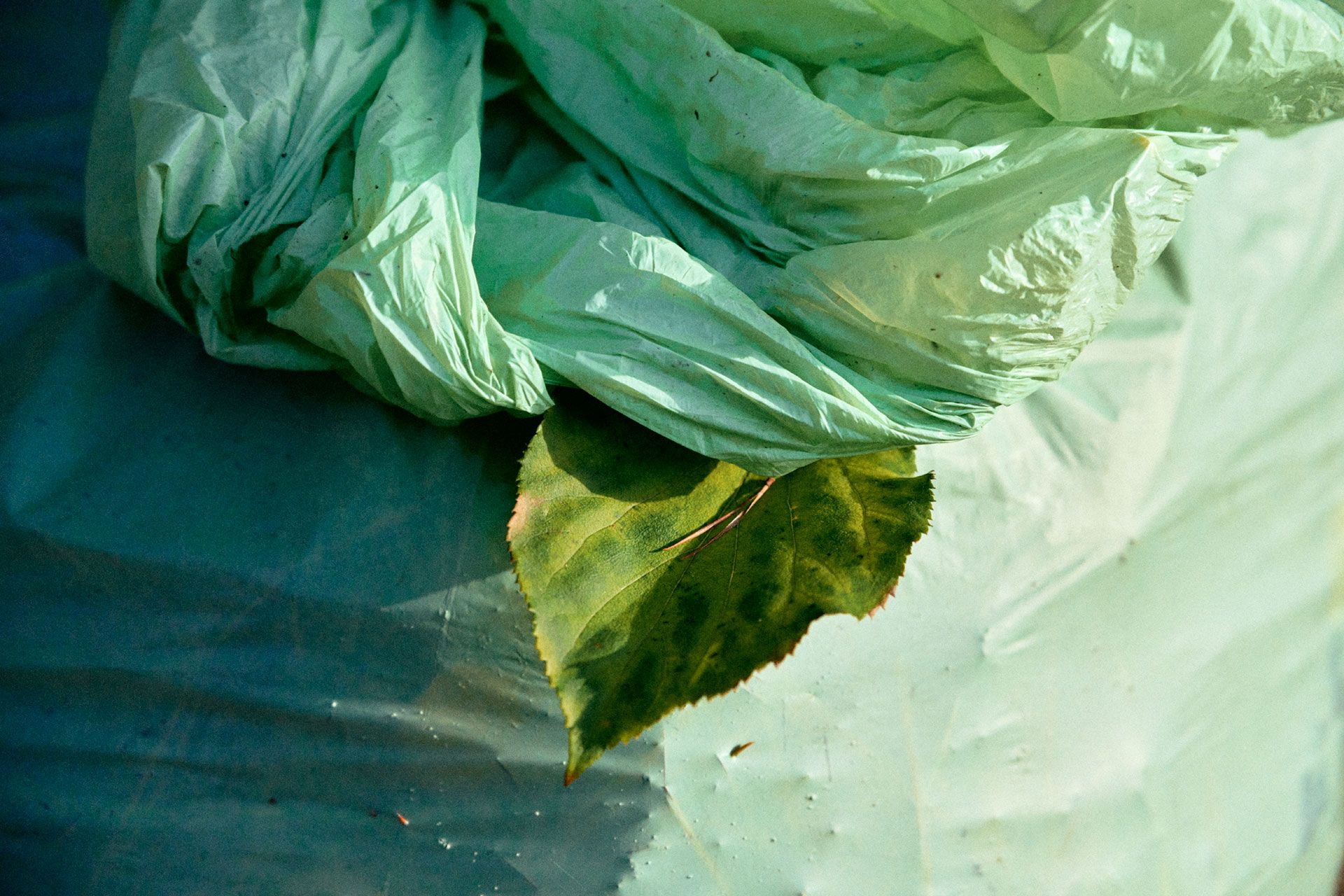
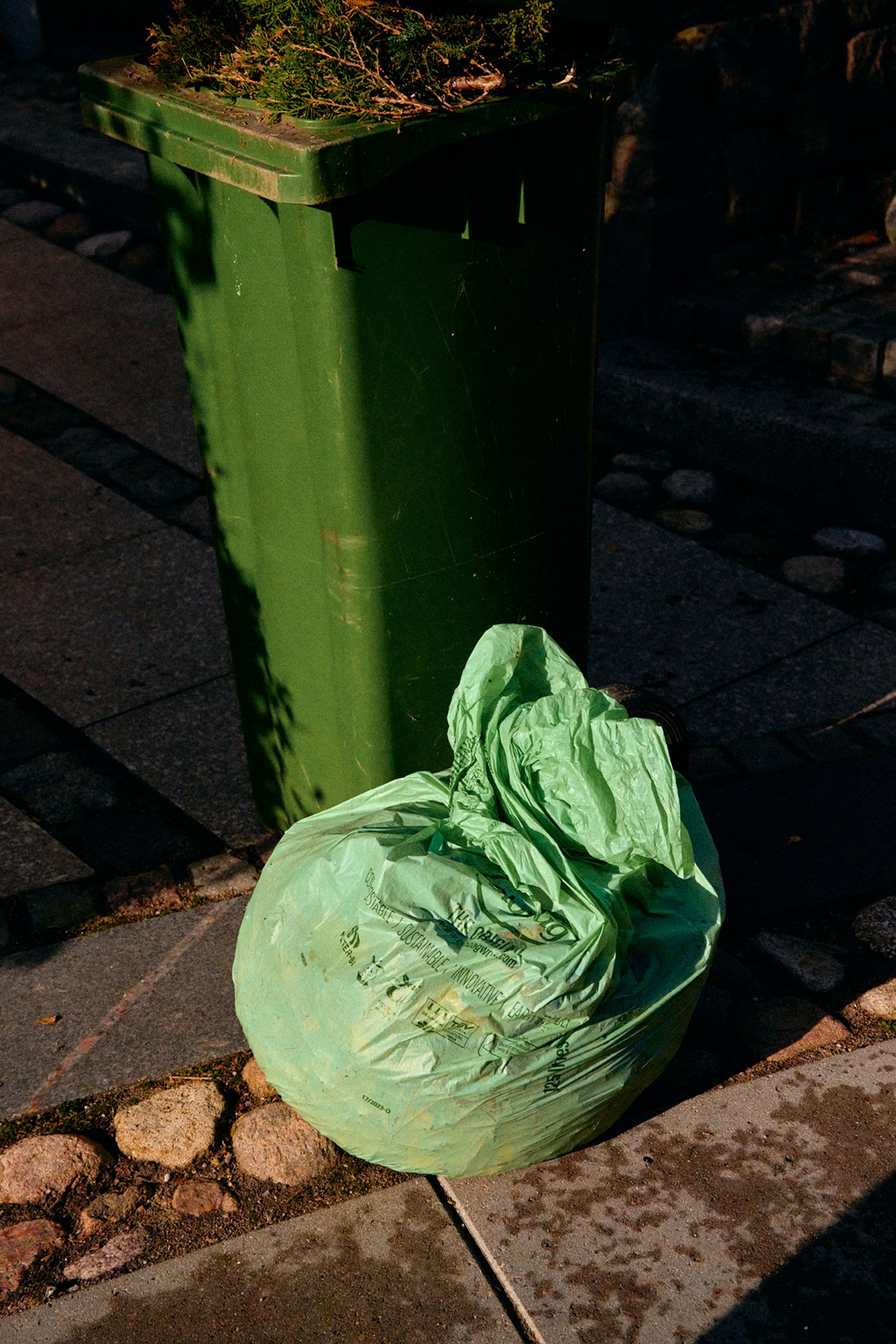
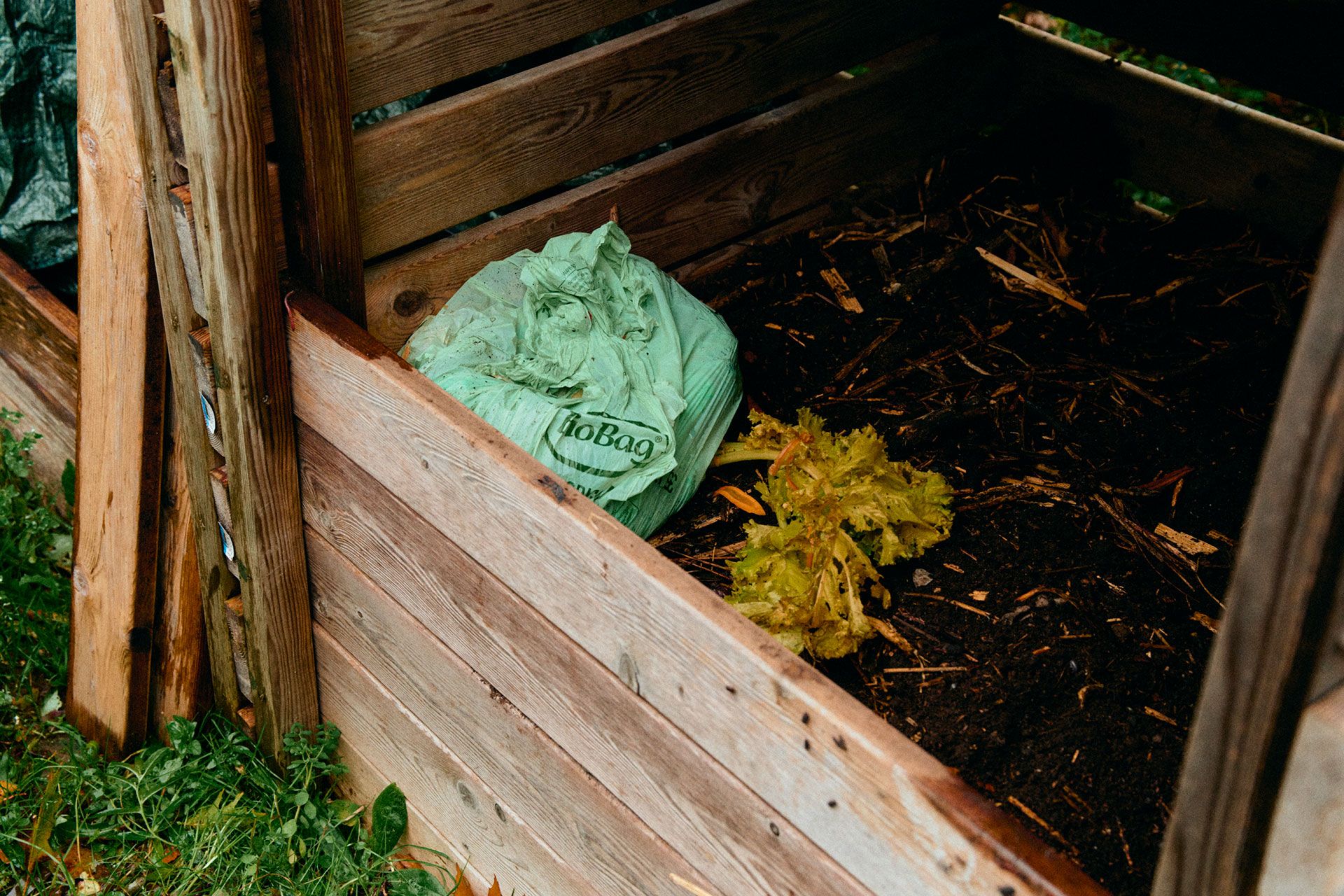
Changing the bag to a certified fully compostable version however, will completely eliminate the risk of this contamination. A fully compostable waste bag looks the same, and has the same functionalities as a conventional plastic one. But this particular bag, will become part of the waste it carries, and leave no persistent microplastic fractions in the compost or biopulp. Even if bits of the compostable bag ends up in the soil, it will not be harmful and eventually dissappear. 

Composting feeds the plants AND the soil, so really, we should all get behind sorting and collecting of our food waste.

As if it wasn’t enough, this type of bio bag has proven to have a hidden power on top of the obvious one of not producing microplastic. Studies in several EU countries have shown that if sorted food waste is collected in bio bags rather than in conventional plastic bags, the quantity as well as the quality of the collected food waste is greatly increased. Whaaaat!??? It’s a derived effect, and the true power of this bag, as it actually changes people’s behaviour for the better – leading to a much better quality compost, that will ultimately improve our soil.  So please, change the bag, and give back to the Bioeconomy…

Share this article:
Join Us in Making a Difference

Biobag explains composting's pivotal role in enhancing soil health. Explore sustainable practices and organic waste management for healthier, nutrient-rich soils.

Explore our products
Biobag Inspiration

Stories, tools, and ideas to help you make an impact.

Discover inspiring stories, expert advice, and practical tools to help you make sustainable choices, from composting smarter to supporting the circular economy. Our articles show where compostable solutions can make sense and how to build better habits at home, at work, or across entire communities.

Organic waste: an environmental threat or the best solution ever?

Organic waste: an environmental threat or the best solution ever?

Surprisingly, organic waste like left-over food, vegetable skins, fruit peels, etc. is one of the top-5 threats to global warming.

Composting & Soil HealthSustainability & ImpactEveryone & EverywhereMunicipalities & Public ProgrammesFood Service & HospitalityArticle
Nine reasons to choose Biobags

Nine reasons to choose Biobags

Organic waste and left-over foods make up more than 44% of global waste each year, adding up to almost 1 billion tons.

Sustainability & ImpactComposting & Soil HealthEveryone & EverywhereCommercial Business & InstitutionsMunicipalities & Public ProgrammesRetailers & GroceryArticle
The importance of good soil health

The importance of good soil health

Much of European farmland is sadly no longer suitable, or even able, to grow crops for human consumption.

Composting & Soil HealthEnvironment & ClimateEveryone & EverywhereFarmers & AgricultureArticle
Will compostable bioplastic be part of the EU's soil strategy?

Will compostable bioplastic be part of the EU's soil strategy?

Soil underpins our food systems and biodiversity, yet 60–70% in the EU is unhealthy. Each year a billion tons erode, costing agriculture about €1.25 billion.

Policy & RegulationsComposting & Soil HealthMunicipalities & Public ProgrammesFarmers & AgricultureCommercial Business & InstitutionsArticle
Microplastics are everywhere - but what are the consequences?

Microplastics are everywhere - but what are the consequences?

Microplastics are increasingly found in nature, and while their full impact is still unclear, they are seen as one of the biggest environmental challenges for humans and the planet.

Environment & ClimateSustainability & ImpactEveryone & EverywhereMunicipalities & Public ProgrammesArticle
Life depends on healthy soil

Life depends on healthy soil

Experts come with an interesting message about certified compostable waste bags that contradicts previous information!

Composting & Soil HealthSustainability & ImpactFarmers & AgricultureMunicipalities & Public ProgrammesEveryone & EverywhereArticle
Biobag Ireland UK is now certified by Cré for use in Irish food waste bins.

Biobag Ireland UK is now certified by Cré for use in Irish food waste bins.

Biobag Ireland UK is the first retail range of compostable bags certified for use in Irish food waste (brown) bins. Awarded by Cré IRELAND, this certification is the only Irish scheme providing independent assessment of compostable products.

Sustainability & ImpactComposting & Soil HealthEveryone & EverywhereMunicipalities & Public ProgrammesCommercial Business & InstitutionsRetailers & GroceryFood Service & HospitalityArticle
The role of bioplastic in a circular economy

The role of bioplastic in a circular economy

Biobags are made of Mater-Bi, a compostable material from Novamont, designed to move organic waste from landfills and incineration to biological decomposition, creating compost to enrich soil.

Composting & Soil HealthSustainability & ImpactMunicipalities & Public ProgrammesFarmers & AgricultureEveryone & EverywhereArticle
Study confirms Biobags disappear in natural environments

Study confirms Biobags disappear in natural environments

The results of a two year study in the USA have confirmed biodegradable plastic alternatives like Biobags help prevent plastic pollution.

Sustainability & ImpactEnvironment & ClimateEveryone & EverywhereCommercial Business & InstitutionsFood Service & HospitalityRetailers & GroceryArticle
Microorganisms biodegrade biodegradable plastics

Microorganisms biodegrade biodegradable plastics

An ETH Zurich and EAWAG study shows microorganisms can fully break down biodegradable plastics into natural components.

Sustainability & ImpactComposting & Soil HealthFarmers & AgricultureMunicipalities & Public ProgrammesCommercial Business & InstitutionsEveryone & EverywhereArticle
The ultimate guide to home composting: turn waste into garden gold!

The ultimate guide to home composting: turn waste into garden gold!

Composting is an eco-friendly way to turn organic waste into nutrient-rich soil for gardening and landscaping. Here’s how to start your own compost pile and understand the science behind it.

Composting & Soil HealthEnvironment & ClimateEveryone & EverywhereArticle

Turn inspiration into action

Our compostable solutions help transform organic waste into renewable energy and nutrient-rich compost to grow new life.

Explore Our Compostable Range
biobag

Get in touch

We will be happy to hear from you, so please write if you have questions about our products, want to meet one of our salespeople or you just have a great idea for a new product. Fill out the form and we will get back to you shortly.

I consent that you store my information and reach out to me in accordance with your Privacy Policy.