ArticleEnvironment & ClimateSustainability & ImpactEveryone & EverywhereMunicipalities & Public Programmes

Microplastics are everywhere - but what are the consequences?

Written by The Biobag Team
biobag
Stay Inspired, Stay Connected!

Join the Biobag community and get practical tips, real stories, and updates on how compostable choices are making a difference in homes, cities, and businesses.

Get in touch
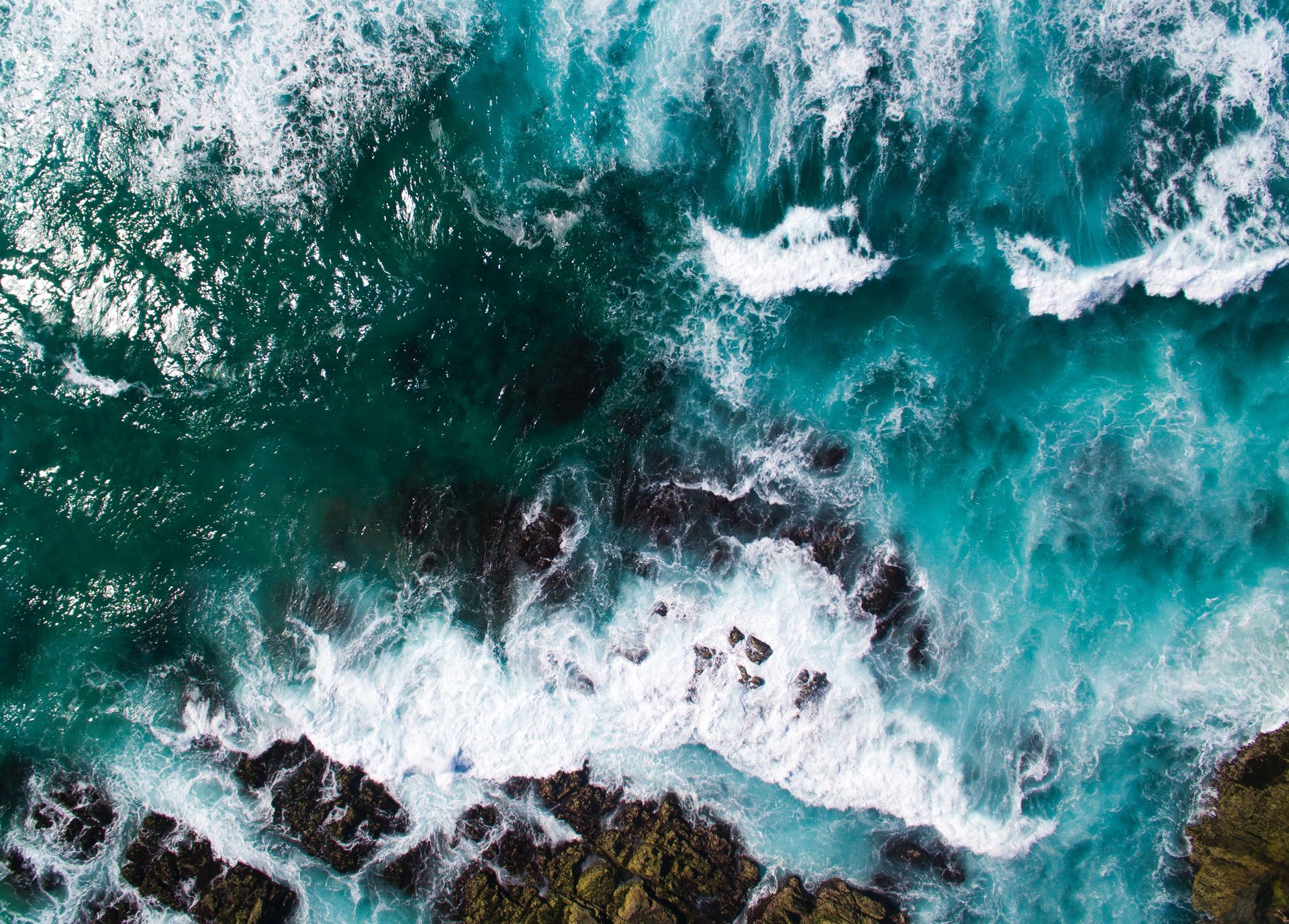
Biobag coastline

Microplastics are increasingly found in nature, and while it is not yet certain what the consequence of the tiny pieces of plastic will be, there is no doubt that this is a growing issue. In fact, scientists see microplastics as one of the biggest environmental challenges for both humans and nature.

What is the impact of microplastics on our health? The small pieces of plastic cannot be directly seen with the naked eye, but they are found in everything from the world’s oceans, in nature and in some of the foods we consume, such as honey and beer.

A study by Lund University in Sweden has shown that nanoplastics, which are even smaller pieces of plastic than microplastics, have a negative impact on fish. The study fed fish plankton that had eaten nanoplastics and showed that this has unpleasant consequences for the fish: They were brain damaged. However, the impact of microplastics on our health has not yet been scientifically proven, but it does indicate that the tiny pieces of plastic that can be found everywhere can have more harmful consequences than we realize at this time. 

Biobag Abstract

An other recent study published in the journal, Environmental Science and Technology, concludes that an average person eats approx. 50,000 particles of microplastics a year and breathes in about the same amount. The harm caused to humans by inhaling microplastics is not yet known. But experts say that the particularly harmful aspect of microplastics is that they can carry other airborne pollutants into our lungs and blood streams. These microplastic particles can cause cardiovascular disease, cancer and affect the immune and nervous systems.

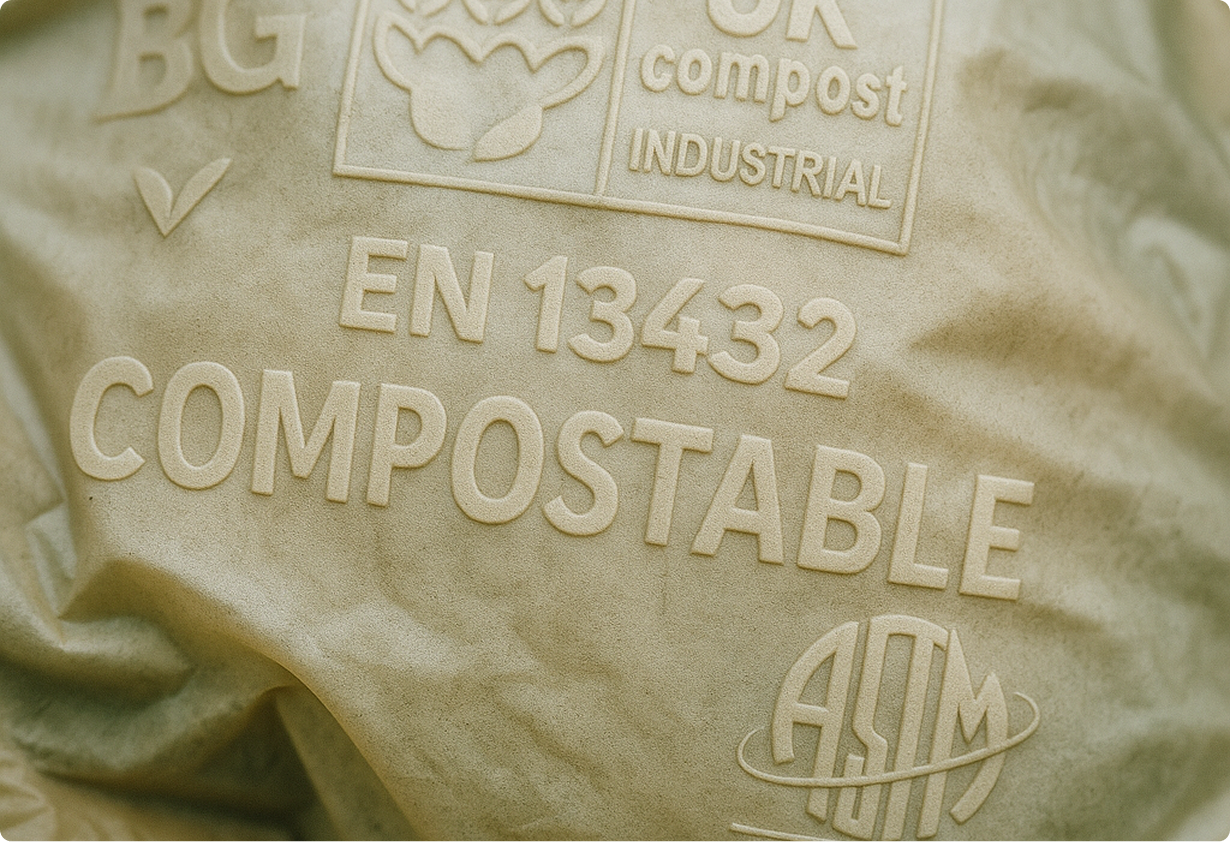
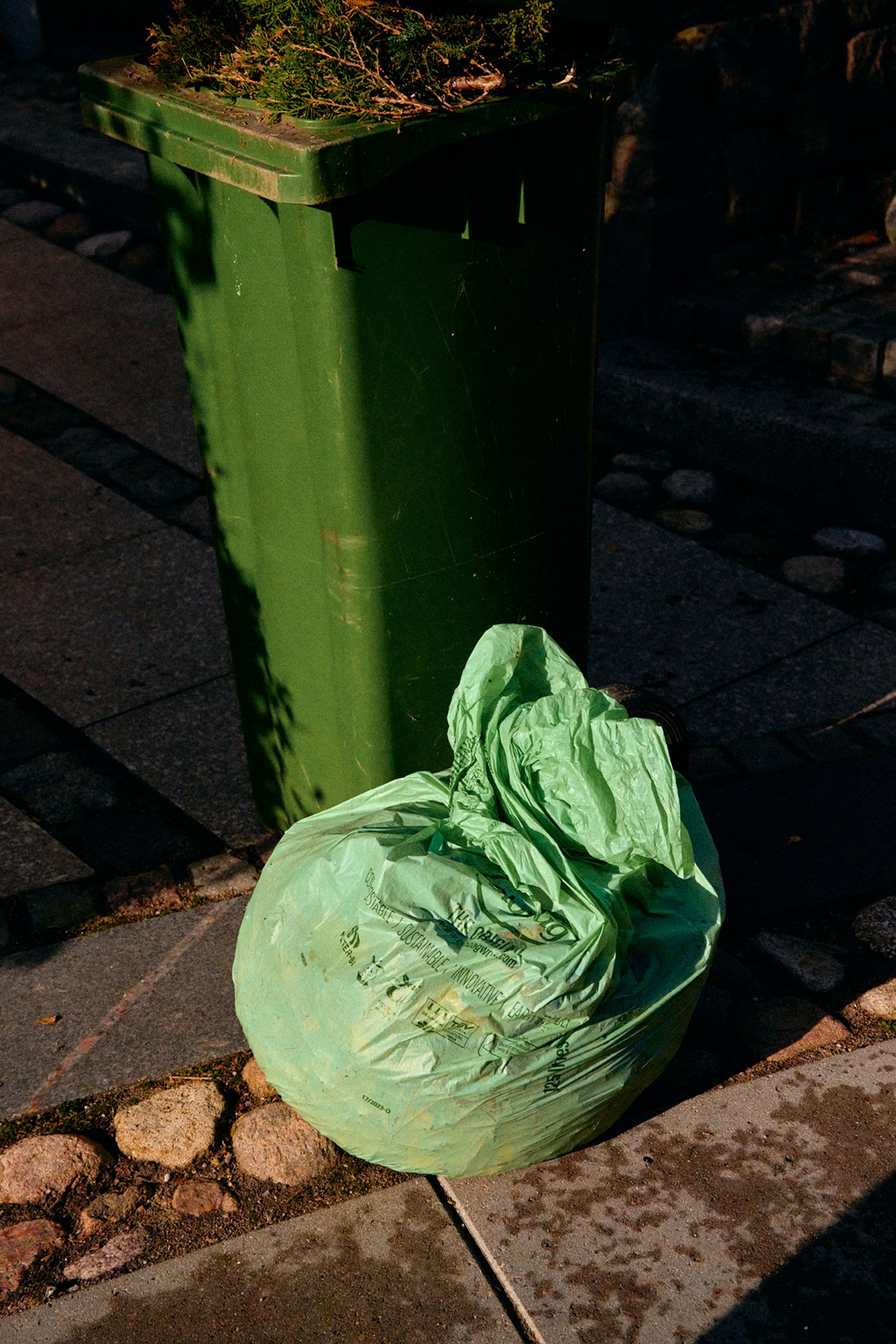
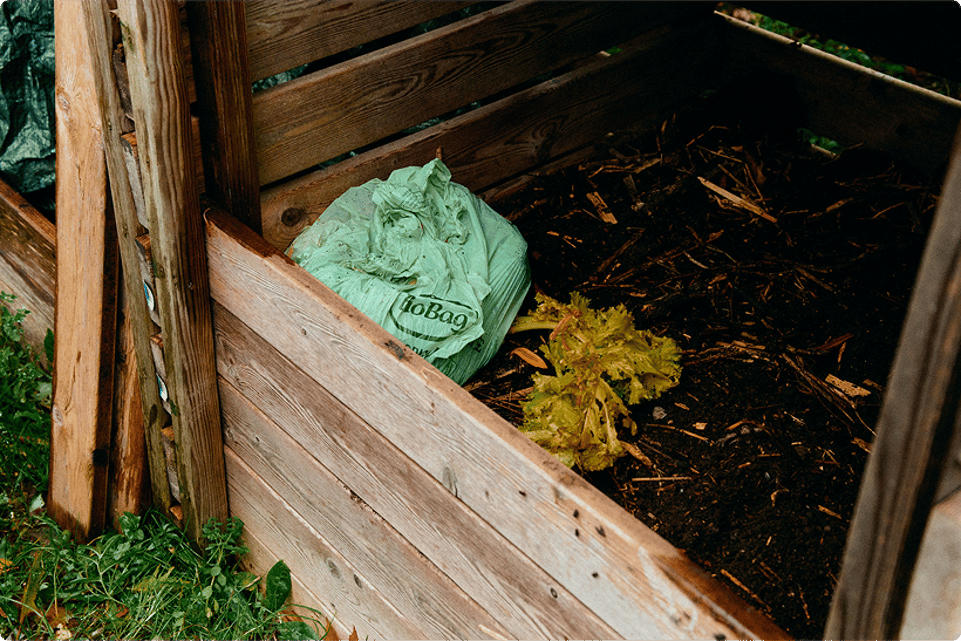
Our Biobag waste bags are made of compostable plastic, which means that the bags completely biodegrade and do not leave microplastics behind. Our compostable waste bags are therefore not only very suitable for organic waste sorting, they are also a good alternative to conventional plastic bags which can cause plastic pollution.

We must all make an effort to minimize plastic in nature

The most obvious action is, of course, to not throw plastic away in the countryside, but there are also other ways to avoid both plastic and microplastic pollution. We can think about minimizing the use of unnecessary plastics such as straws, shopping bags, cosmetics with plastic bits and water bottles, etc.

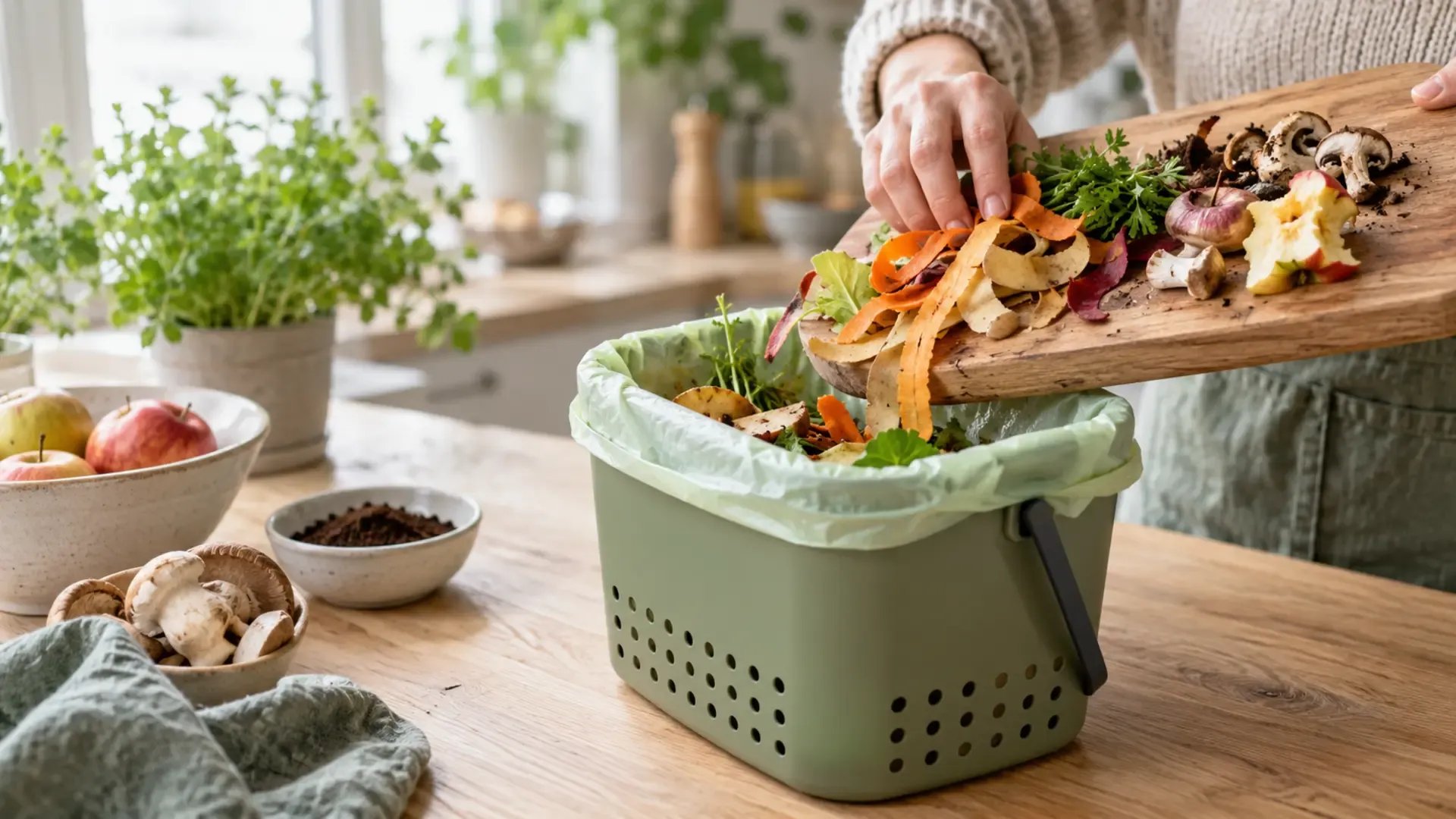
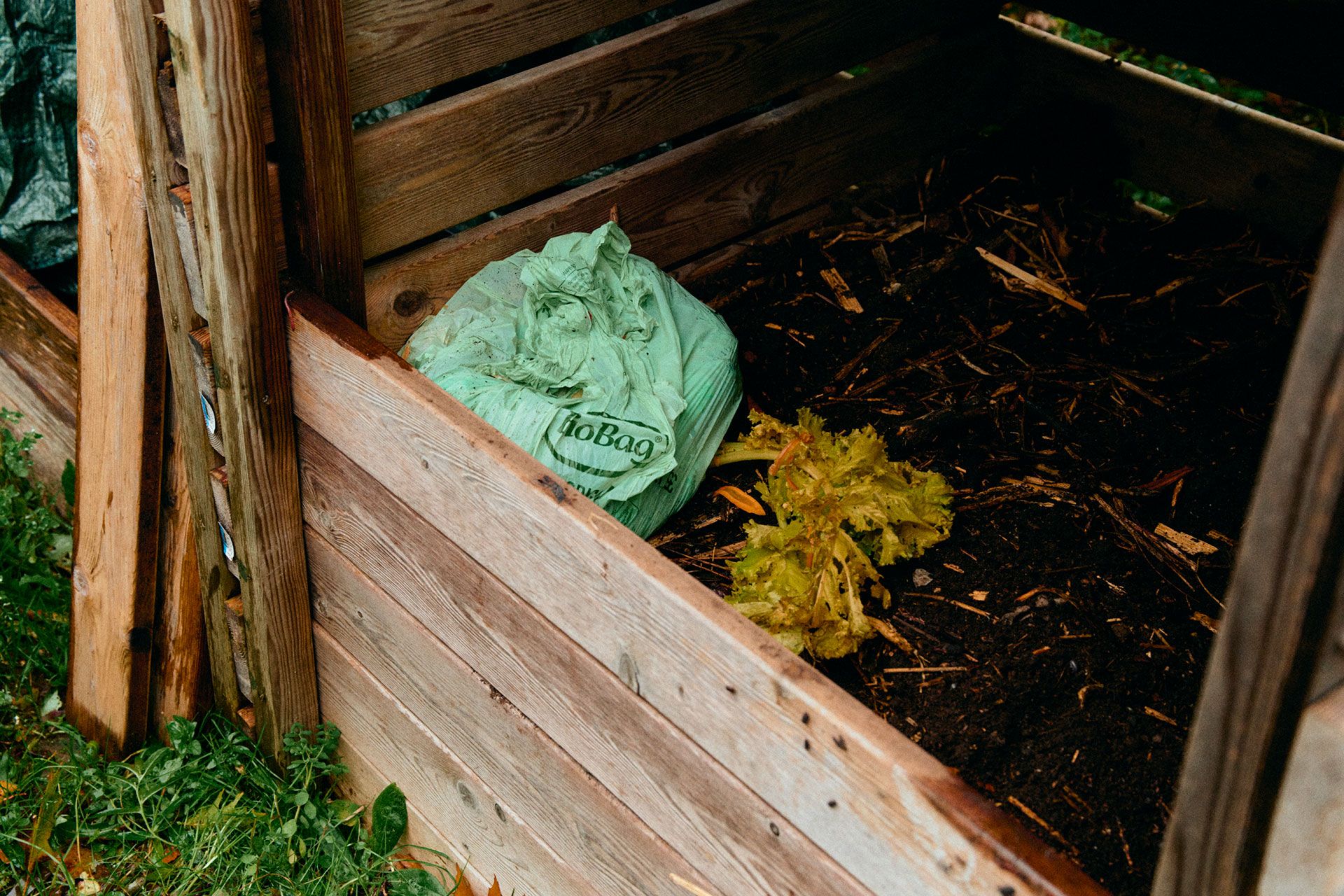
It makes sense to use a compostable Biobag that biodegrades with the bio waste. This avoids residues from conventional plastic bags ending up in compost used on agricultural land.

At the same time, we must replace conventional plastic products with more environmentally friendly products where appropriate. More and more municipalities are sorting organic waste from residents' kitchens, and it makes sense to use a compostable Biobag that will biodegrade along with the bio waste. This also prevents residues from the conventional plastic waste bag from being included in the compost formed from the food waste that is used on agricultural land. The use of compostable bio-bags also reduces the risk of microplastics in the bio residue from the biogas facilities.

Share this article:
Ready to take the Next Step?

Whether you need help choosing the right products or want guidance on rolling out compostable solutions across your business, we’re here to help.

Explore our products
Biobag Inspiration

Stories, tools, and ideas to help you make an impact.

Discover inspiring stories, expert advice, and practical tools to help you make sustainable choices, from composting smarter to supporting the circular economy. Our articles show where compostable solutions can make sense and how to build better habits at home, at work, or across entire communities.

Biobag is part of Novamont Group, which is proud to be a Certified B Corp™

Biobag is part of Novamont Group, which is proud to be a Certified B Corp™

We’re proud to share that Biobag Group has been independently verified through the B Corp Impact Assessment, achieving a score of 86.3.

Sustainability & ImpactEveryone & EverywhereArticle
A side order of microplastics, anyone?

A side order of microplastics, anyone?

Since its invention, humankind has produced app. 9 billion tons of conventional plastic. Sadly most of it is still here on Earth.

Sustainability & ImpactEveryone & EverywhereArticle
Organic waste: an environmental threat or the best solution ever?

Organic waste: an environmental threat or the best solution ever?

Surprisingly, organic waste like left-over food, vegetable skins, fruit peels, etc. is one of the top-5 threats to global warming.

Composting & Soil HealthSustainability & ImpactEveryone & EverywhereMunicipalities & Public ProgrammesFood Service & HospitalityArticle
Soil Alert

Soil Alert

In the EU alone, 60-70% of our farmland is considered to be unhealthy. We need healthy farmland to be able to grow crops, fruits, and vegetables to feed the human population.

Composting & Soil HealthEnvironment & ClimateMunicipalities & Public ProgrammesEveryone & EverywhereArticle
Nine reasons to choose Biobags

Nine reasons to choose Biobags

Organic waste and left-over foods make up more than 44% of global waste each year, adding up to almost 1 billion tons.

Sustainability & ImpactComposting & Soil HealthEveryone & EverywhereCommercial Business & InstitutionsMunicipalities & Public ProgrammesRetailers & GroceryArticle
The importance of good soil health

The importance of good soil health

Much of European farmland is sadly no longer suitable, or even able, to grow crops for human consumption.

Composting & Soil HealthEnvironment & ClimateEveryone & EverywhereFarmers & AgricultureArticle
Sustainable packaging from feathers and compostable plastic

Sustainable packaging from feathers and compostable plastic

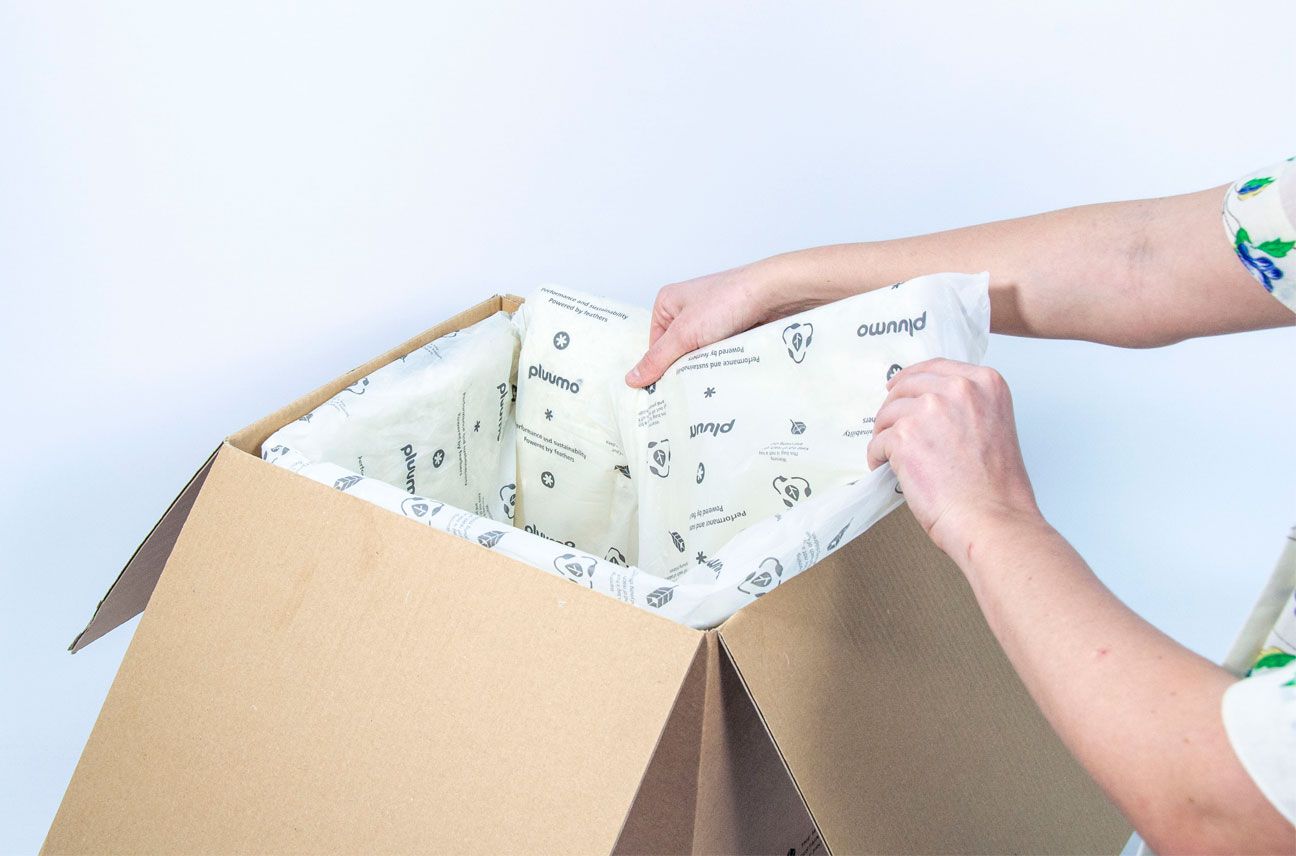
London-based startup Aeropowder created Pluumo, a high-performance insulation material that turns surplus feather waste into a sustainable alternative to polystyrene.

Product & Material Innovation Sustainability & ImpactRetailers & GroceryFood Service & HospitalityCommercial Business & InstitutionsArticle
Bioplastics recognised by United Nations as a sustainable alternative to conventional plastic

Bioplastics recognised by United Nations as a sustainable alternative to conventional plastic

Plastic is everywhere and has changed our daily lives. It is durable and convenient, but large amounts end up in nature, harming the environment, animals, and human health.

Sustainability & ImpactPolicy & RegulationsCommercial Business & InstitutionsFarmers & AgricultureMunicipalities & Public ProgrammesArticle
Life depends on healthy soil

Life depends on healthy soil

Experts come with an interesting message about certified compostable waste bags that contradicts previous information!

Composting & Soil HealthSustainability & ImpactFarmers & AgricultureMunicipalities & Public ProgrammesEveryone & EverywhereArticle
EU report concludes that bioplastics play an important role in circular economy

EU report concludes that bioplastics play an important role in circular economy

Conventional plastic has made life more convenient but also created major pollution for animals, humans, and the environment - and production keeps rising.

Policy & RegulationsSustainability & ImpactMunicipalities & Public ProgrammesFarmers & AgricultureCommercial Business & InstitutionsArticle
Biobag Ireland UK is now certified by Cré for use in Irish food waste bins.

Biobag Ireland UK is now certified by Cré for use in Irish food waste bins.

Biobag Ireland UK is the first retail range of compostable bags certified for use in Irish food waste (brown) bins. Awarded by Cré IRELAND, this certification is the only Irish scheme providing independent assessment of compostable products.

Sustainability & ImpactComposting & Soil HealthEveryone & EverywhereMunicipalities & Public ProgrammesCommercial Business & InstitutionsRetailers & GroceryFood Service & HospitalityArticle
Novamont Acquires Biobag and strengthens its leadership and global presence

Novamont Acquires Biobag and strengthens its leadership and global presence

Italy’s Novamont, a global leader in biochemicals and compostable bioplastics, has acquired Biobag Group, a Norway-based supplier of low-impact solutions for waste collection and packaging.

Sustainability & ImpactProduct & Material Innovation Everyone & EverywhereCommercial Business & InstitutionsMunicipalities & Public ProgrammesRetailers & GroceryFood Service & HospitalityArticle
The role of bioplastic in a circular economy

The role of bioplastic in a circular economy

Biobags are made of Mater-Bi, a compostable material from Novamont, designed to move organic waste from landfills and incineration to biological decomposition, creating compost to enrich soil.

Composting & Soil HealthSustainability & ImpactMunicipalities & Public ProgrammesFarmers & AgricultureEveryone & EverywhereArticle
Study confirms Biobags disappear in natural environments

Study confirms Biobags disappear in natural environments

The results of a two year study in the USA have confirmed biodegradable plastic alternatives like Biobags help prevent plastic pollution.

Sustainability & ImpactEnvironment & ClimateEveryone & EverywhereCommercial Business & InstitutionsFood Service & HospitalityRetailers & GroceryArticle
Microorganisms biodegrade biodegradable plastics

Microorganisms biodegrade biodegradable plastics

An ETH Zurich and EAWAG study shows microorganisms can fully break down biodegradable plastics into natural components.

Sustainability & ImpactComposting & Soil HealthFarmers & AgricultureMunicipalities & Public ProgrammesCommercial Business & InstitutionsEveryone & EverywhereArticle
The ultimate guide to home composting: turn waste into garden gold!

The ultimate guide to home composting: turn waste into garden gold!

Composting is an eco-friendly way to turn organic waste into nutrient-rich soil for gardening and landscaping. Here’s how to start your own compost pile and understand the science behind it.

Composting & Soil HealthEnvironment & ClimateEveryone & EverywhereArticle
Compostable bags and the circular economy initiative

Compostable bags and the circular economy initiative

An exciting European proposal on the Circular Economy Package in December 2015 paved the way for broader adoption of biodegradable materials across the EU.

Policy & RegulationsSustainability & ImpactCommercial Business & InstitutionsEveryone & EverywhereMunicipalities & Public ProgrammesRetailers & GroceryFood Service & HospitalityArticle

Turn inspiration into action

Our compostable solutions help transform organic waste into renewable energy and nutrient-rich compost to grow new life.

Explore Our Compostable Range
biobag

Get in touch

We will be happy to hear from you, so please write if you have questions about our products, want to meet one of our salespeople or you just have a great idea for a new product. Fill out the form and we will get back to you shortly.

I consent that you store my information and reach out to me in accordance with your Privacy Policy.