The EU continues to strengthen its approach to waste and the circular economy. The revised Waste Framework Directive includes binding food-waste reduction targets for 2030, while the Packaging and Packaging Waste Regulation introduces new requirements across the packaging value chain. The direction is clear: prevent waste, use resources more effectively and take greater responsibility for what happens to materials after use. But regulation alone raises a practical question: what does it actually take to make waste systems work?
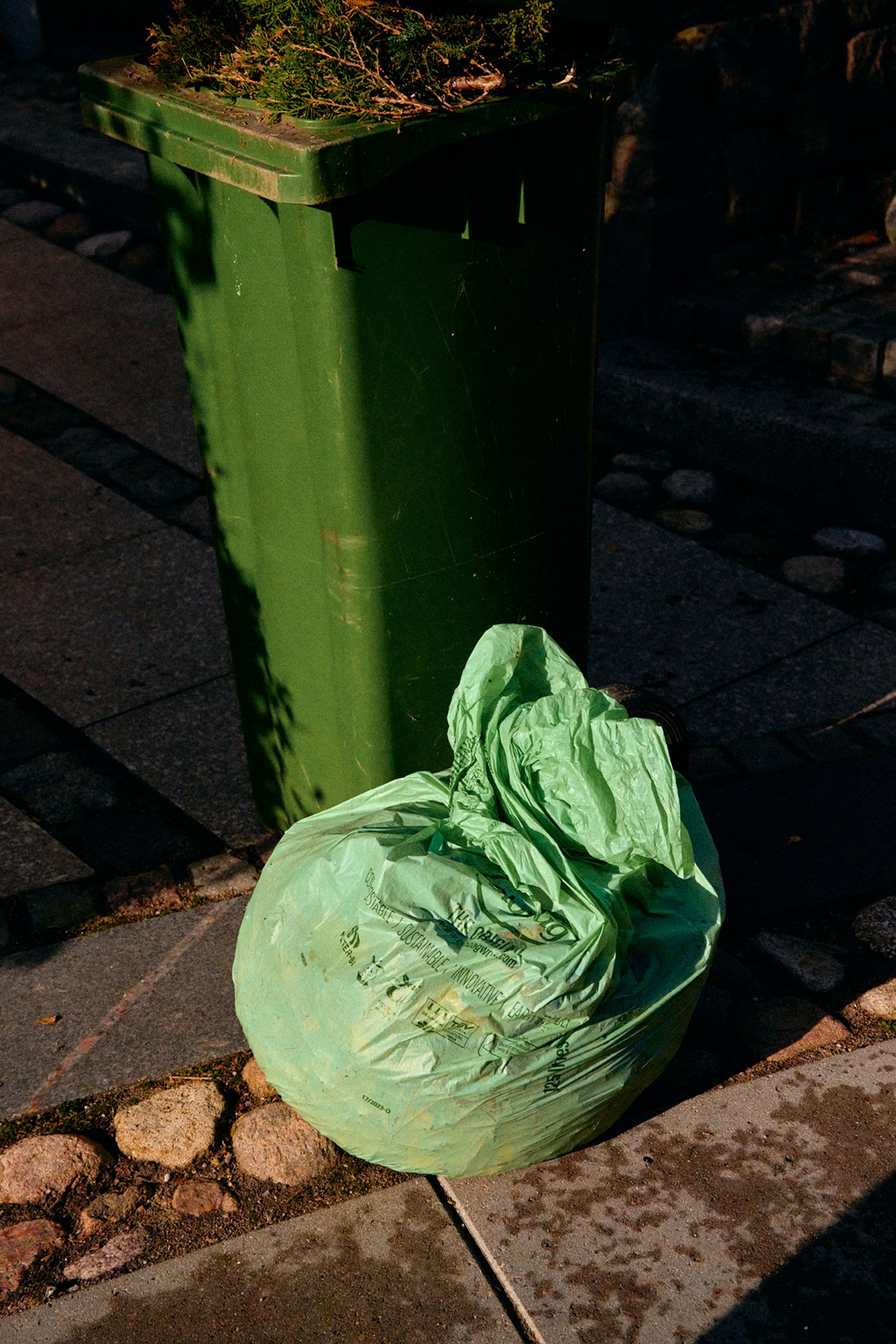
Food-waste collection shows what this means in practice. Across Europe, municipalities are working to improve the separate collection of organic waste. But introducing a collection system is only the beginning. Its success also depends on participation, low contamination and whether the collected waste can be treated effectively.
In other words, the challenge is not only creating the system, but making it function in real life. This is where regulation is starting to have a different effect. It is no longer only about setting targets or requirements, but about increasing the pressure on systems to deliver in practice. That shift changes the conversation. The question is no longer simply whether a solution exists, but whether it actually works from the kitchen to final treatment.
Because systems do not succeed in policy documents. They succeed or fail in everyday situations, in the kitchen, in shared waste rooms, and in how people actually behave.
You can have clear targets, strong regulation and well-designed systems on paper. But if participation is low, contamination increases, or the system is inconvenient to use, the outcome changes. Not because the policy is wrong, but because the system does not translate into everyday life.
Circular systems depend not only on ambition, but on how well they translate into everyday use. The success of food waste systems depends not only on policy, but on how well that policy translates into everyday practice.
Because that is where systems either hold together or break down. And this matters. Food waste is not just waste. When it is collected and treated correctly, it can be used to produce biogas or transformed into compost, keeping valuable organic resources in use. That requires more than infrastructure or regulation alone. It requires systems that are practical, intuitive, and aligned across the entire chain. If the system does not work in practice, that value is lost.