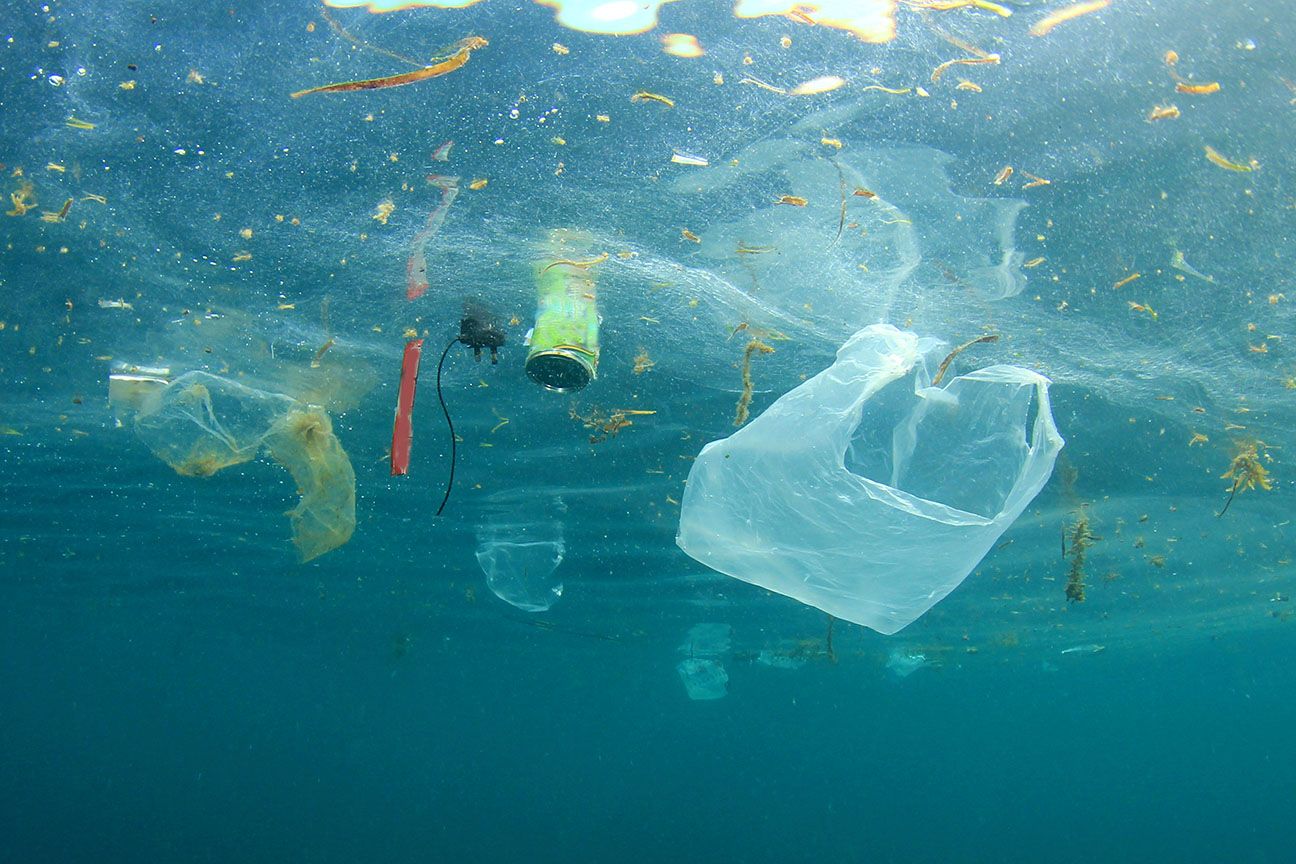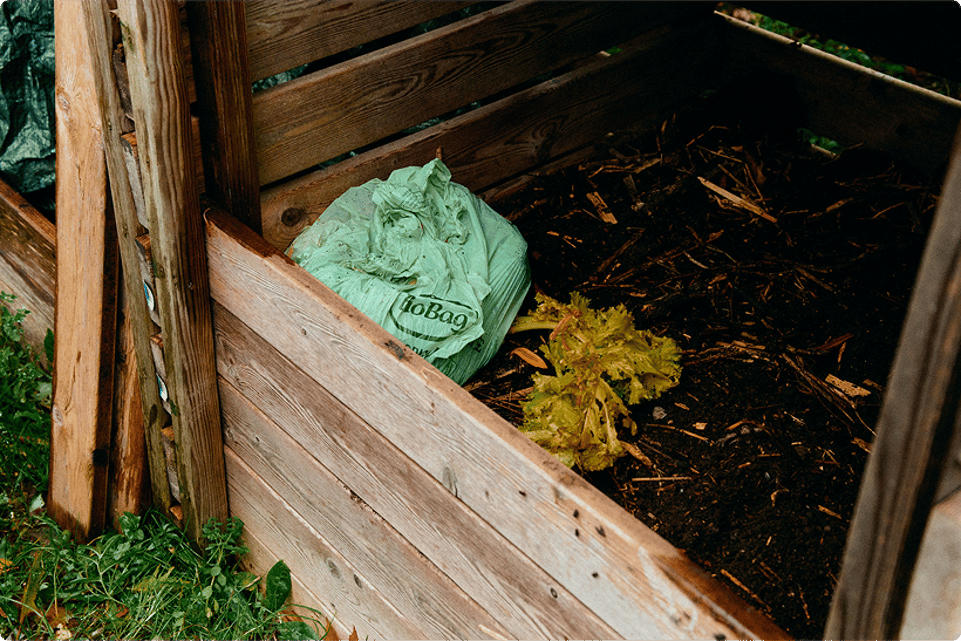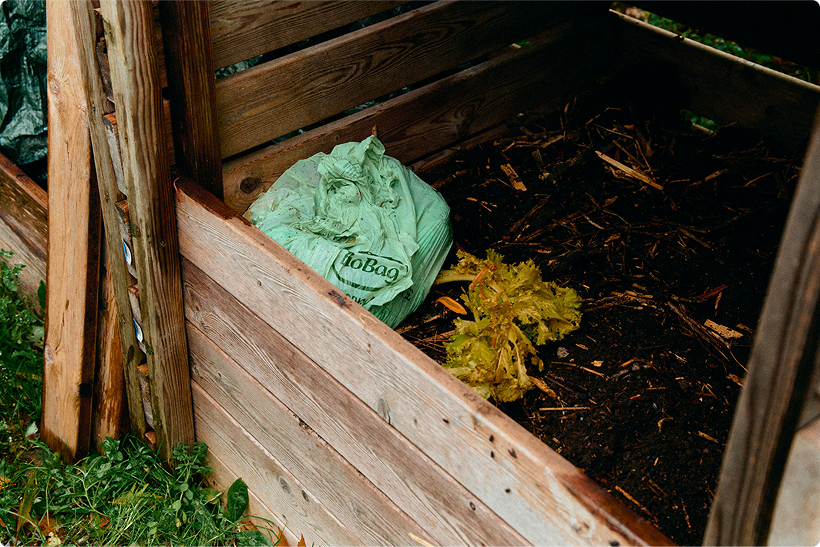

The EU developed a plastics strategy based on a circular economy’s principles to address limiting, reusing and recycling plastic products. The European Commission's Scientific Advice Mechanism (SAM) recently published a report concerning the Biodegradability of bioplastics in the environment.
The report concluded that bioplastics HAVE a role in the future sustainable management of waste and also in the circular economy. The report goes into depth about the advantageous utilisation of bioplastics and emphasises that bioplastics are not a quick fix or a replacement for conventional plastics. Where bioplastic is appropriate to use; however, it makes both good sense and offers excellent benefits. In sustainable waste management, waste fractions must be as clean as possible before recycling. The EU report concludes that in circumstances where it is challenging to separate plastic from organic material destined for composting or biogas, bioplastics are an appropriate and sustainable solution.
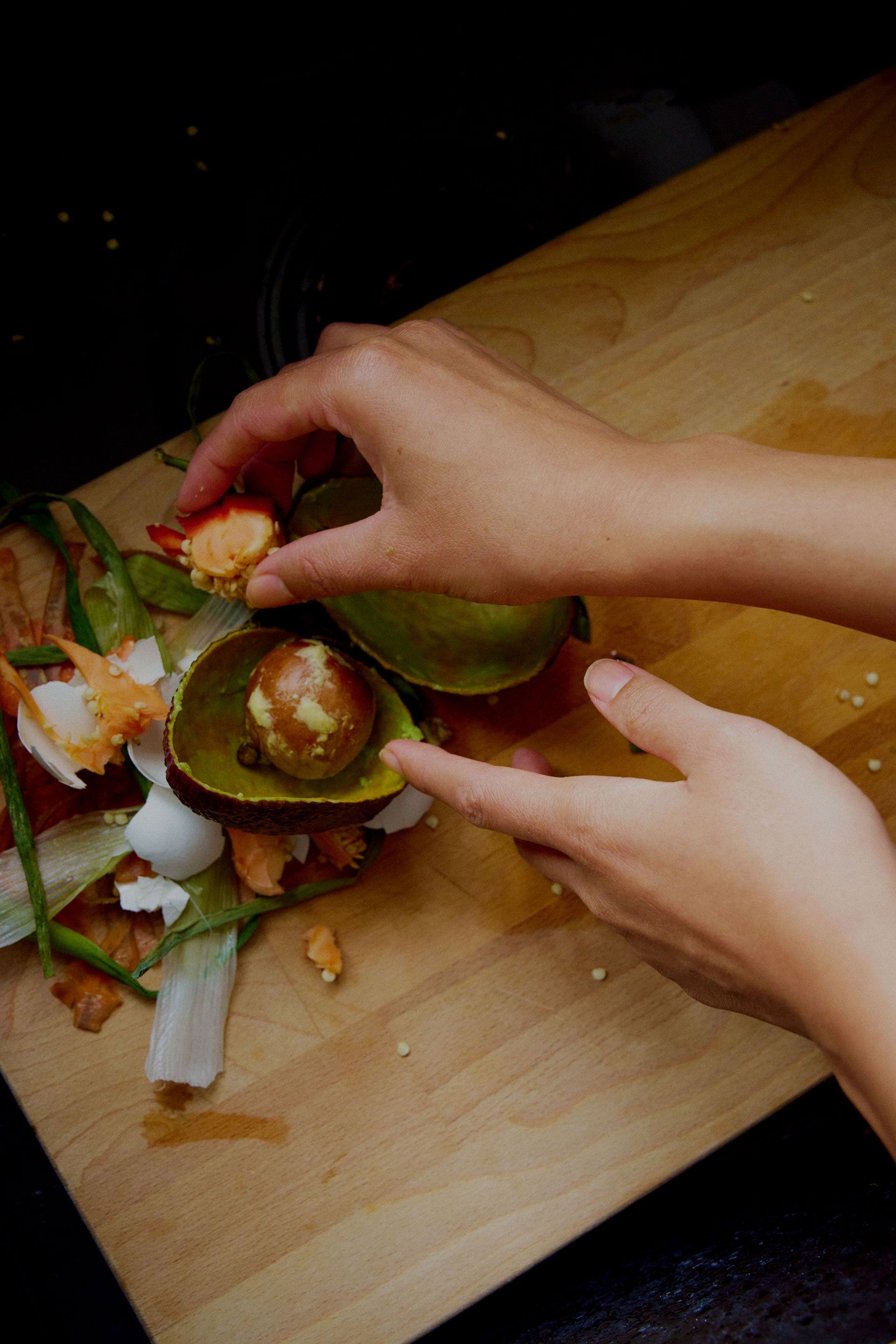
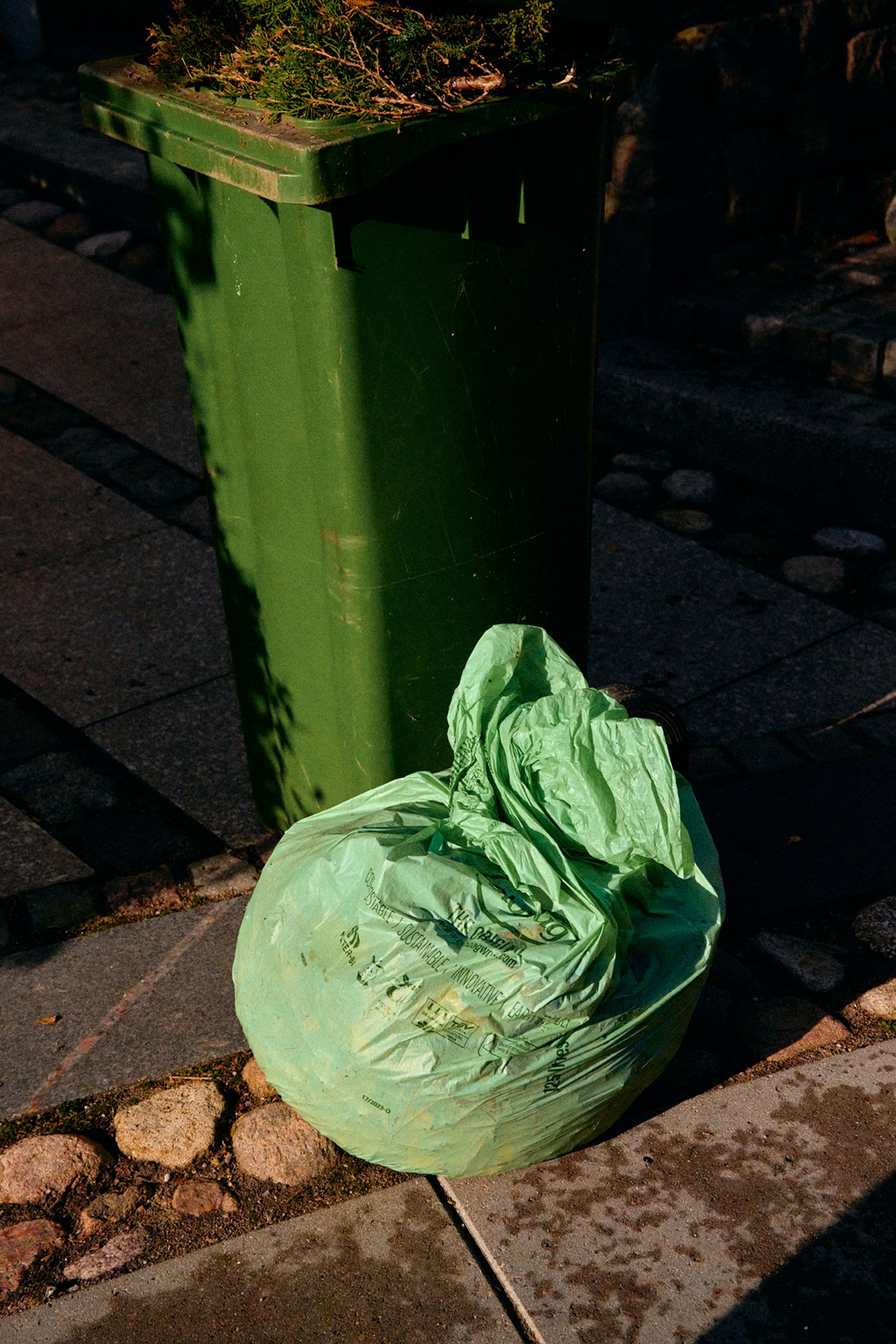
Plastic fractions highly contaminated with food waste cannot be recycled and are often therefore incinerated or, in worst cases, in some countries sent to landfill. By using compostable bioplastic to package food, the packaging can be composted together with the food waste.
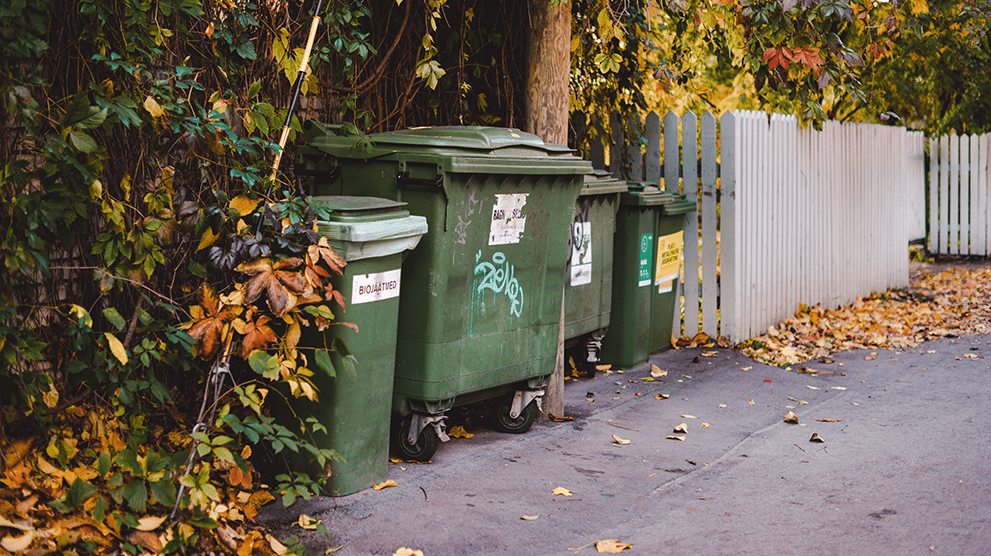
Several studies indicate that when food waste is collected using certified biodegradable waste bags, the amount of food waste collected increases, and the food waste fraction is cleaner. All factors that make the collection and treatment of food waste even more sustainable. Moreover, it ensures no fossil microplastic is spread on the fields because bio bags decompose entirely. Read more about the role of bioplastics in the circular economy here.
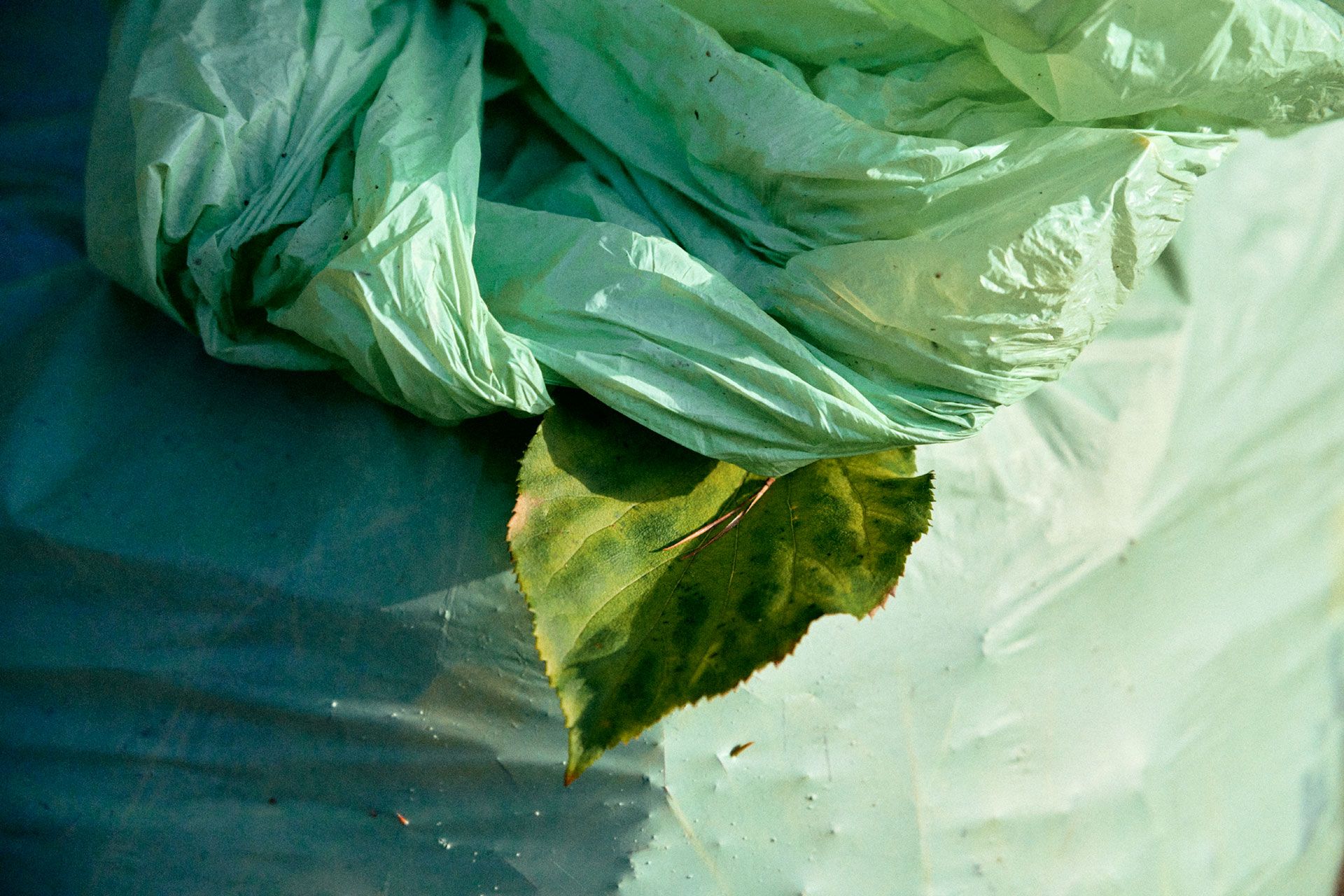
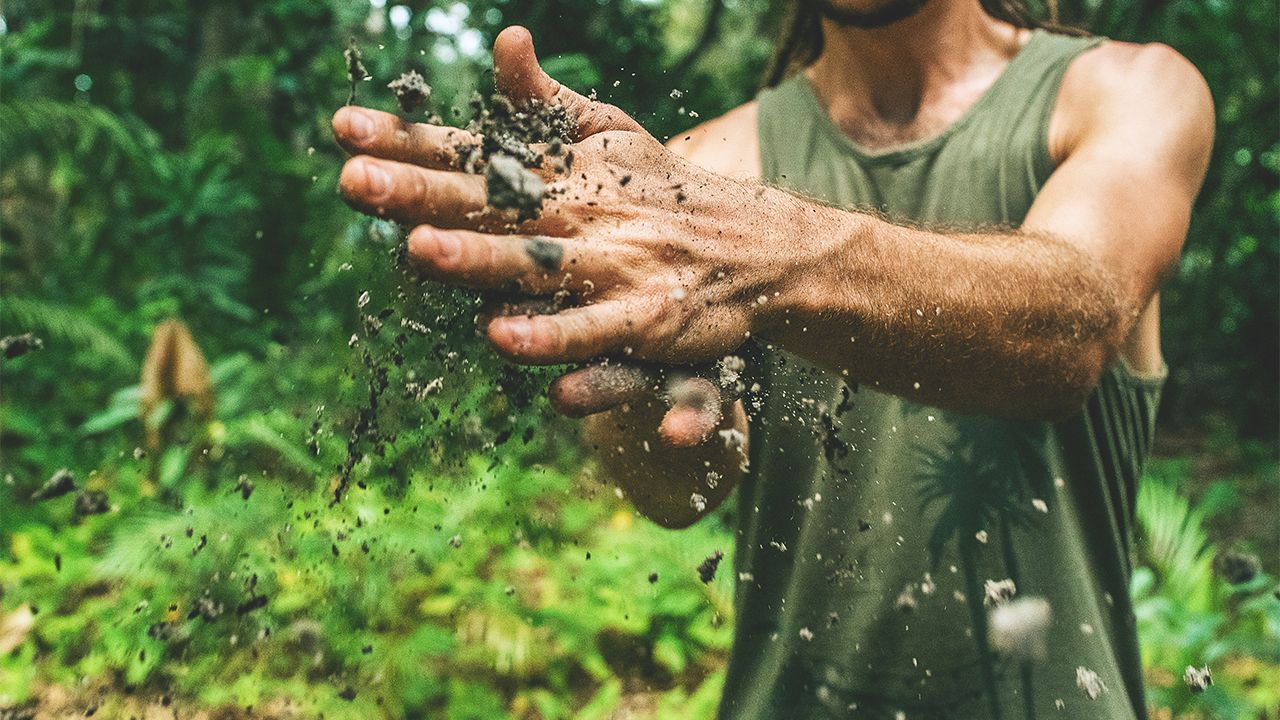
The report indicates the EU's plastics strategy has identified a need for legislation on bioplastics, providing clear and harmonised rules for defining biodegradable and compostable plastics. This will ensure bioplastic meet all the requirements in terms of degradability and those products that do not meet the criteria are banned to avoid contamination. Certification has always been a vital aspect of the Biobag brand. We very much welcome the introduction of clear legislation in this area. Since conventional plastic does not decompose, it remains in the soil. The amount of conventional plastic in the soil accumulates after every harvest and, in the long run, results in agricultural soil full of plastic residues. A compostable and biodegradable Mulch Film can simply be ploughed into the soil, where it will break down into water, carbon dioxide, and humus/biomass. Read more about BioAgri here.
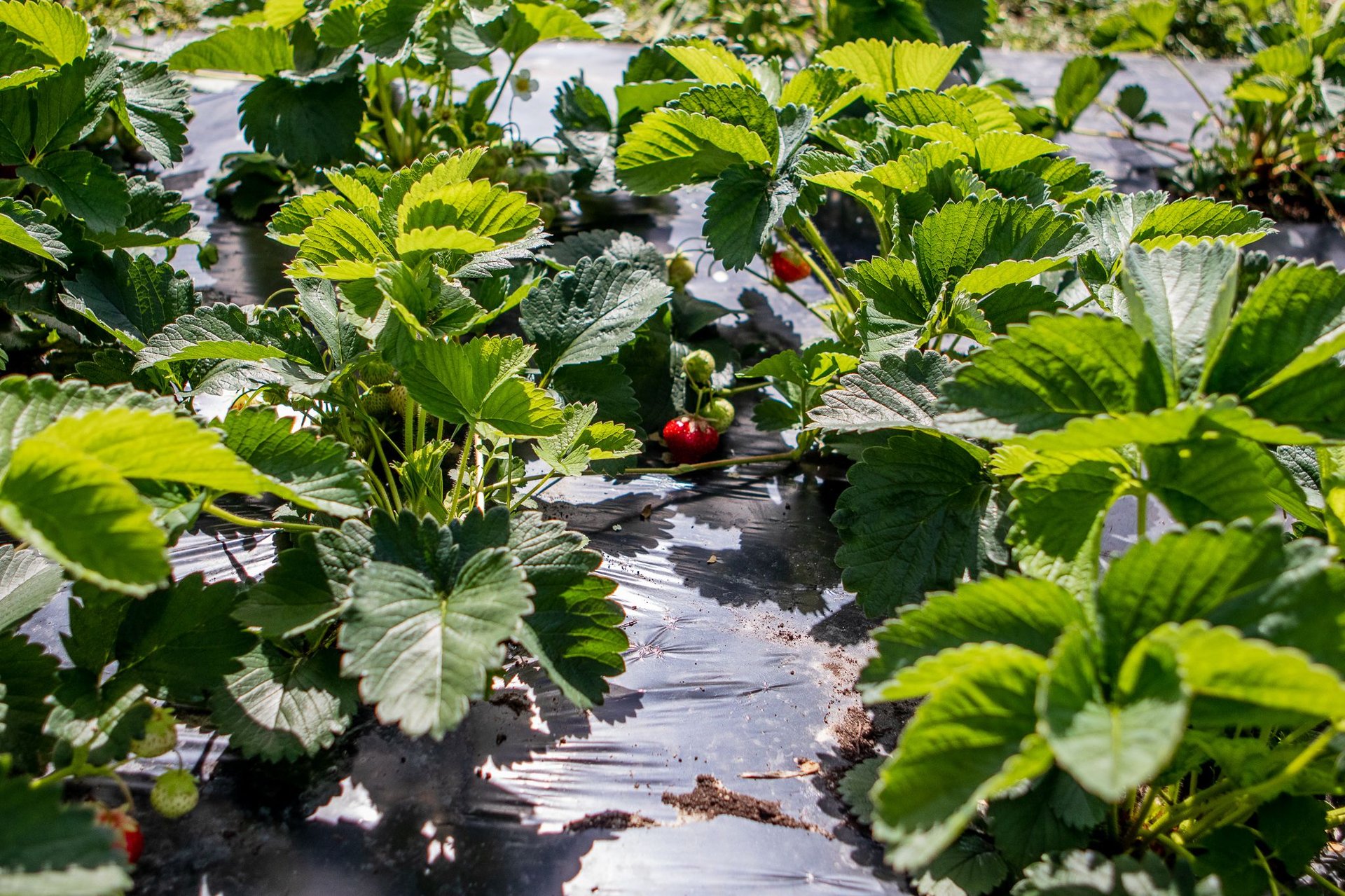
In agriculture, the use of conventional plastic mulch film is widespread in Europe. The report states that compostable bioplastic is an exceptionally environmentally friendly alternative. Mulch film must be removed from the fields after each harvest. It is difficult to capture all of the plastic, and many small pieces of plastic are often left in the ground.
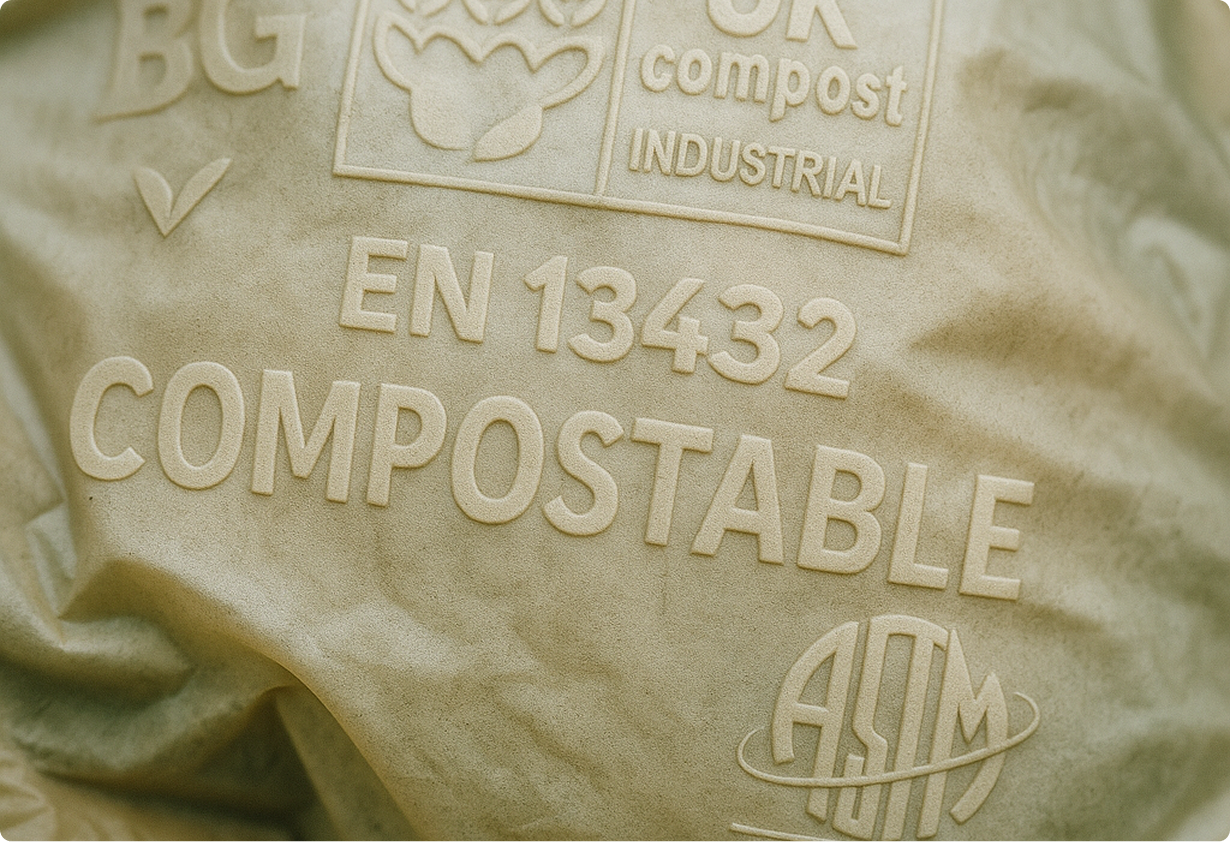
Our products’ certification provides clear information on how, and in which conditions, our products decompose. Read more about bioplastic certifications here
Biobag supports the EU report. It aligns with our vision for biodegradable plastic products. Our wide range of waste bags, sacks and liners for collecting organic waste and biodegradable mulch film support the areas the EU report pinpoint as advantageous to use biodegradable bags. As mentioned in the report, there is significant research, development, and ingenuity in waste management and plastic production. We continuously develop our products, and we want to remain at the forefront of best practice.