ArticleComposting & Soil HealthEnvironment & ClimateEveryone & Everywhere

Biogas and compost: different roles in the same system

Written by The Biobag Team
biobag
Stay Inspired, Stay Connected!

Join the Biobag community and get practical tips, real stories, and updates on how compostable choices are making a difference in homes, cities, and businesses.

Get in touch
Biobag recovery energy

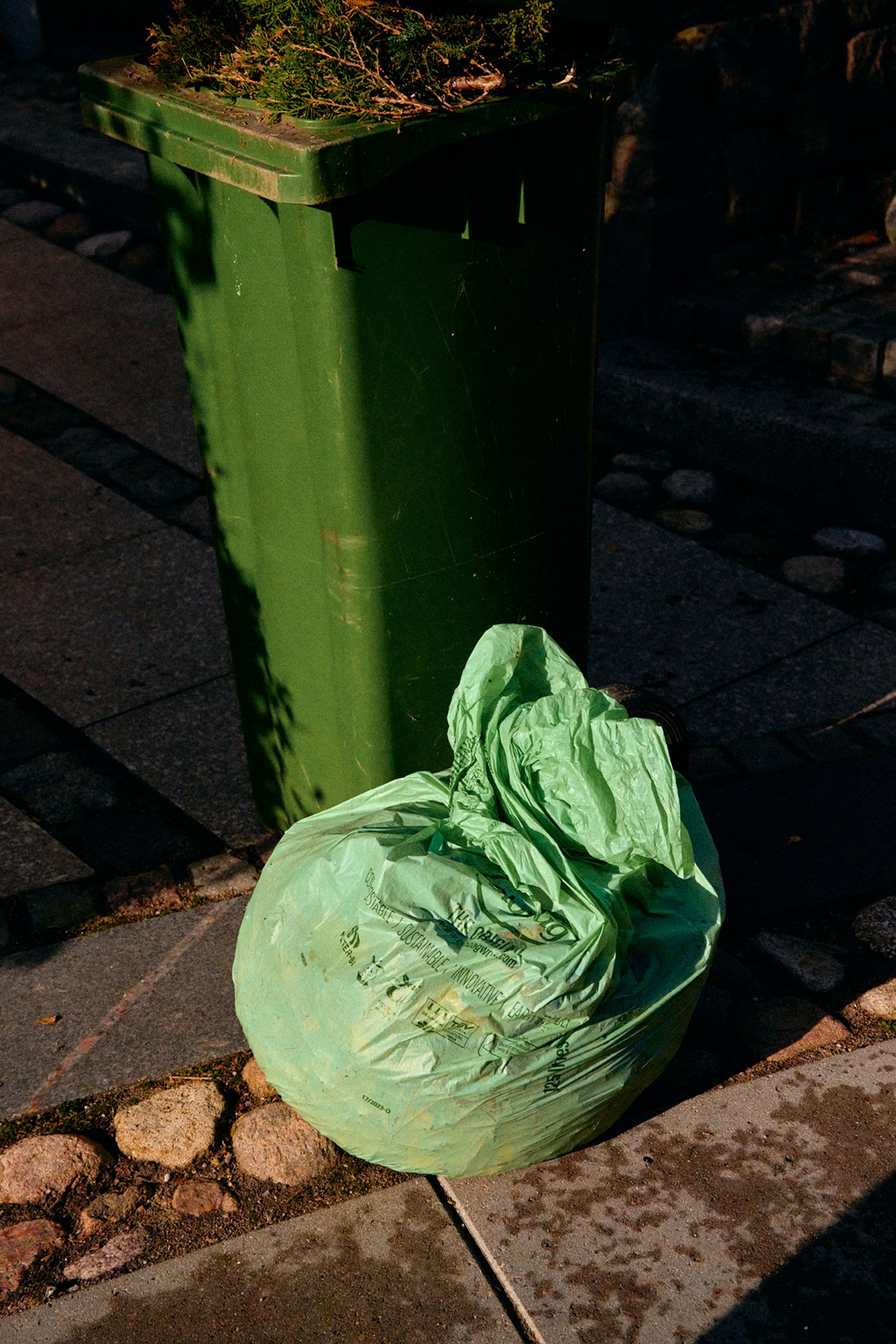
Organic waste is increasingly recognised as a resource. In many systems, it is collected and used to produce biogas, supporting renewable energy and reducing emissions. At the same time, another aspect is gaining attention: how organic matter is returned to the soil. Understanding this balance is becoming an important part of how we think about organic waste.

Organic waste is increasingly recognised as a resource. Across the Nordics, much of it is collected and directed towards biogas production, supporting renewable energy systems and reducing reliance on fossil fuels. This is an important part of the transition. At the same time, another challenge is becoming more visible: soil health.

When organic waste is treated through anaerobic digestion, energy is extracted in the form of biogas. What remains is digestate, a nutrient-rich material that can be applied to agricultural land. Digestate plays an important role as a fertiliser, returning nutrients such as nitrogen, phosphorus, and potassium back to the soil. However, during the digestion process, a significant share of the easily degradable carbon is converted into biogas during the digestion process, reducing the amount of organic matter that remains available for the soil (European Biogas Association).

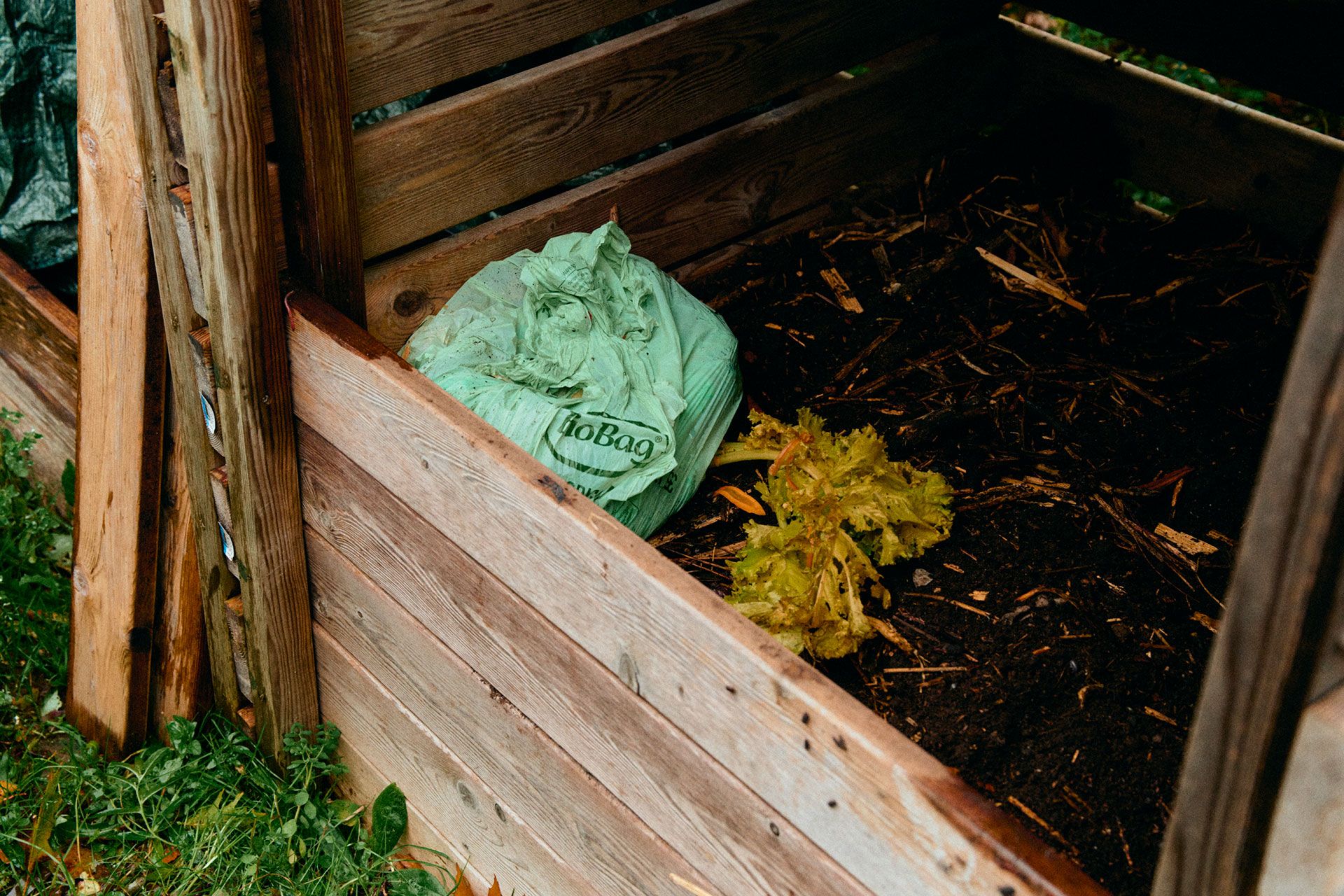
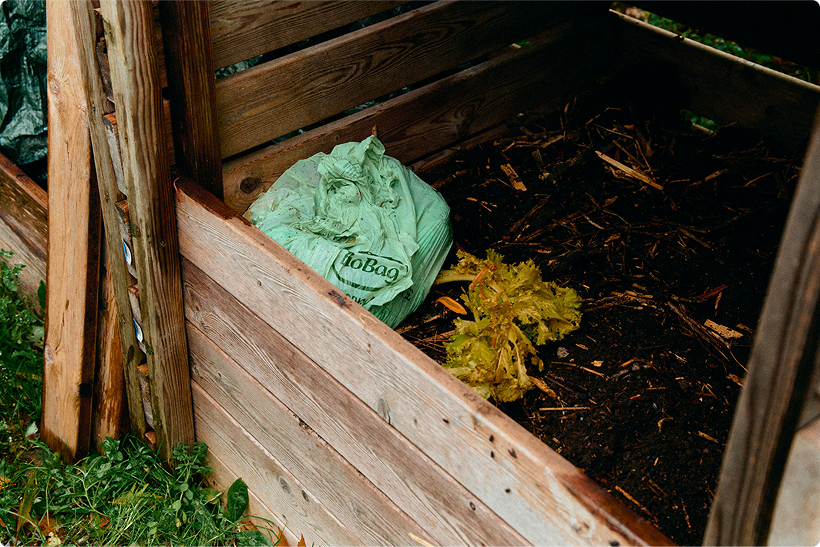
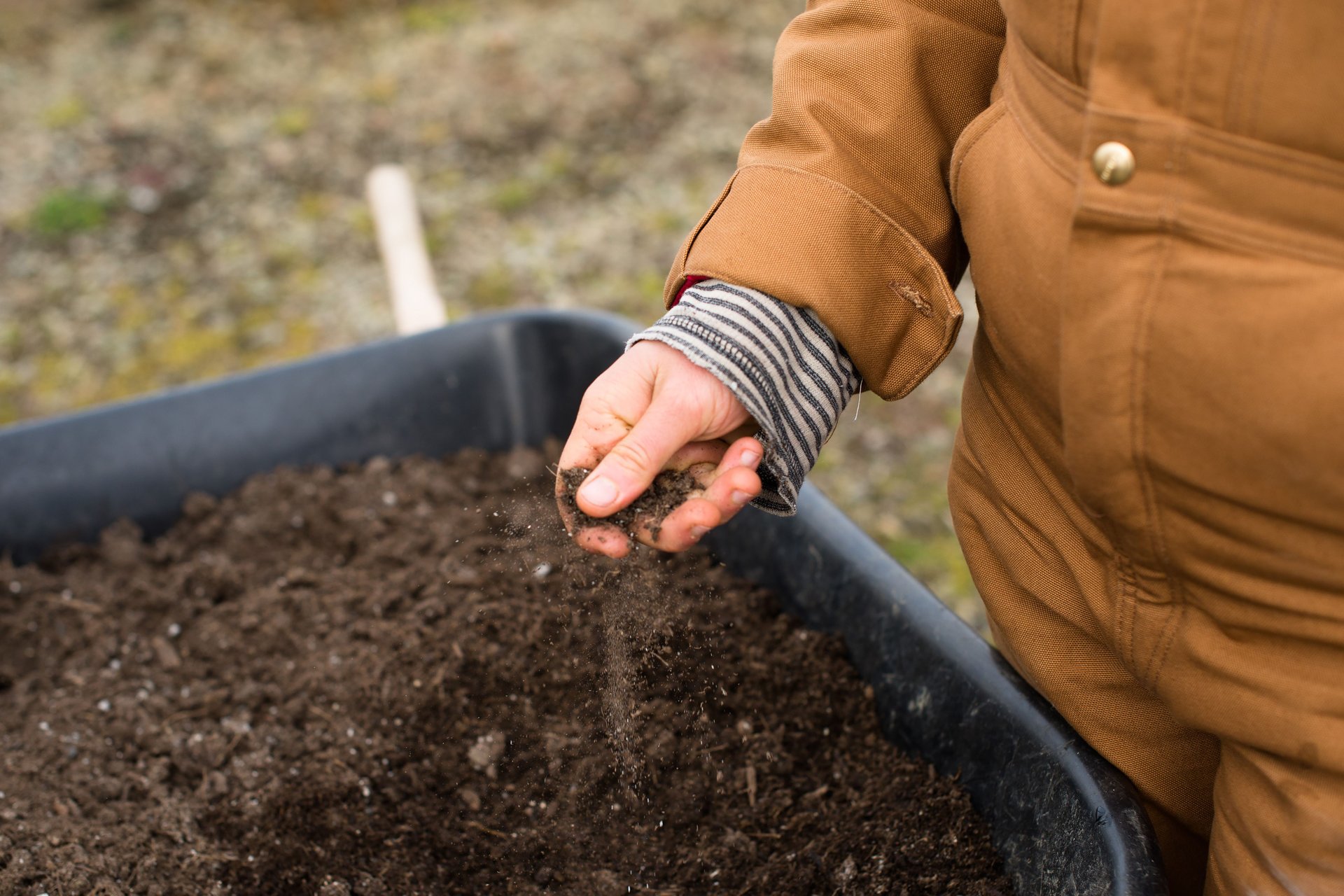
This is where the difference with compost becomes relevant. Compost is not primarily about nutrients, it is about structure and stability. It contributes to soil organic matter, water retention, microbial activity, and long-term soil resilience. These are all factors that are increasingly important in maintaining productive and healthy soils (as highlighted in guidance from Zero Waste Europe and the European Compost Network).

Biogas and compost are not competing solutions. They serve different roles within the same system.

In systems where organic waste is primarily directed towards energy recovery, a shift in how organic matter is returned to the soil can occur. Energy is recovered and nutrients are returned, but the organic matter needed to maintain soil quality over time is reduced. Research indicates that while digestate supports plant growth, combining it with compost can improve soil quality more effectively than using digestate alone (Frontiers in Microbiology, 2024).

This is why the conversation should not be framed as a choice between biogas and composting. They are not competing solutions, but different parts of the same system. Biogas contributes to energy and nutrient recovery, while compost supports soil health and long-term fertility. Both play a role, and both are needed.

Ultimately, the value of organic waste is not only determined by how much is collected, but also by what it becomes.

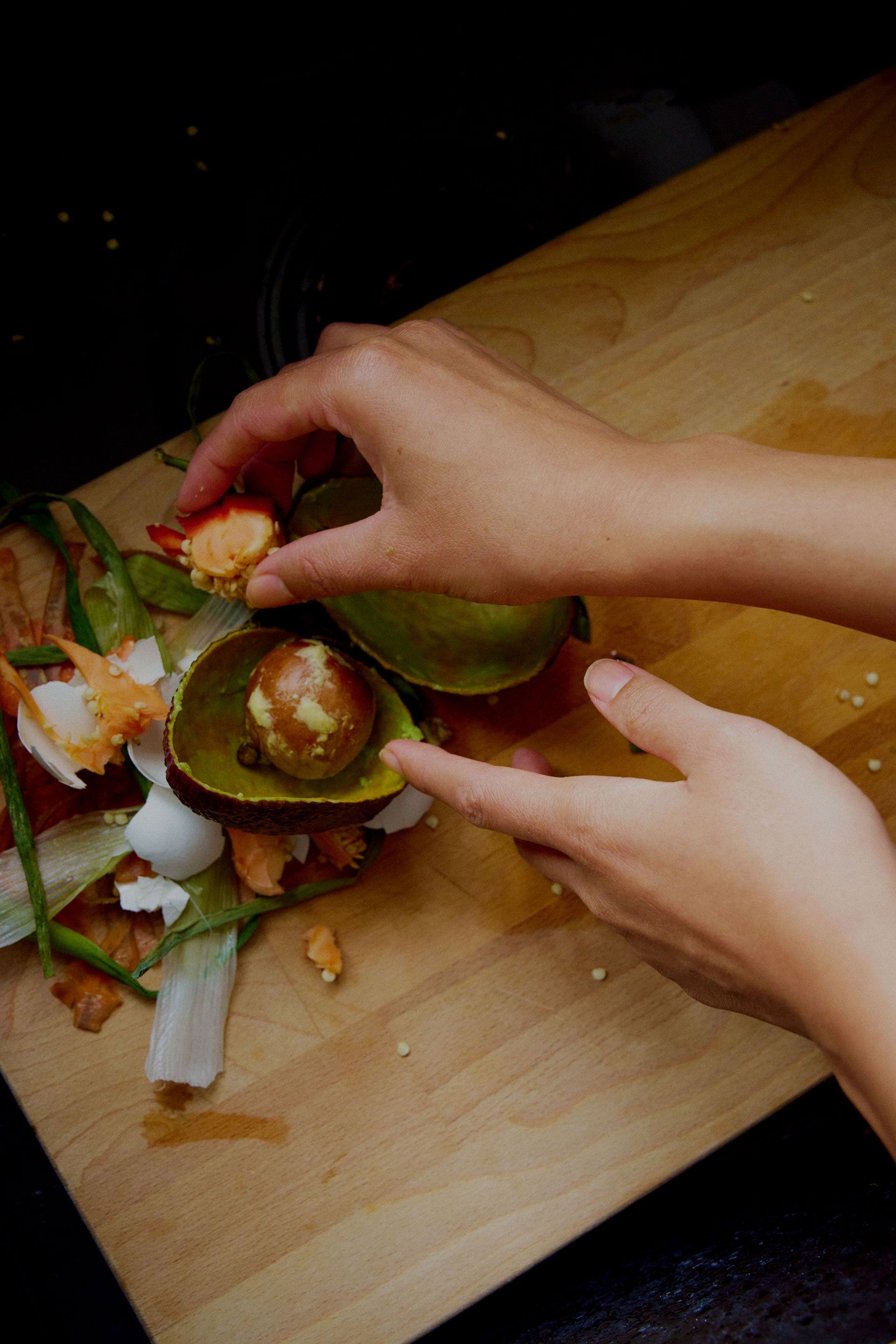
That depends on how it is sorted, how clean the stream is, and how it is processed. Because once contamination is introduced, the ability to return materials safely to soil can be reduced.

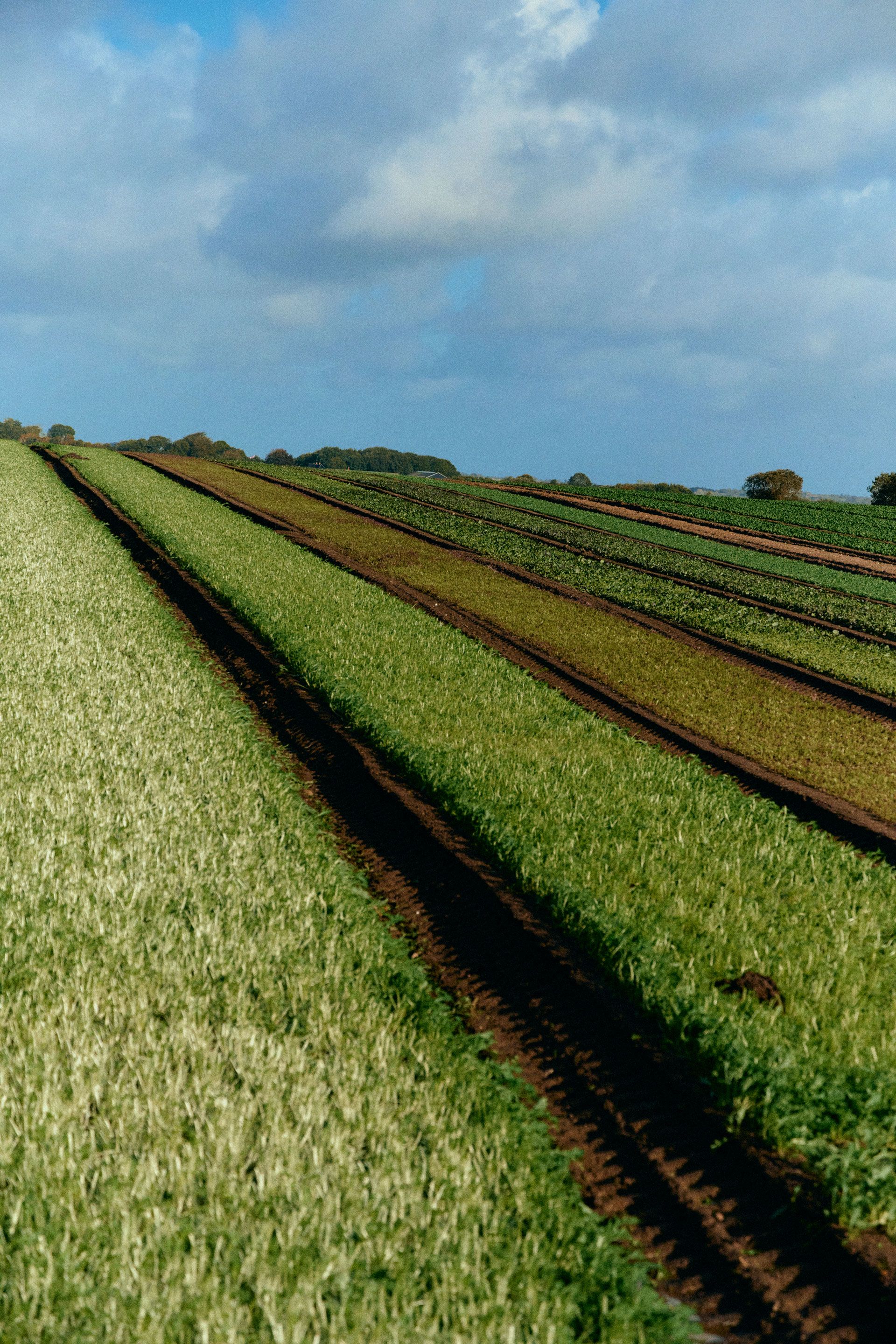
Organic waste sits at the intersection of multiple systems: waste management, energy production, and agriculture. Understanding its role requires looking beyond individual outputs and considering the balance between them. In the end, it is not just about recovering value but about where that value goes, and what it supports.
Share this article:
Ready to take the Next Step?

Whether you need help choosing the right products or want guidance on rolling out compostable solutions across your business, we’re here to help.

Explore our products
Biobag Inspiration

Stories, tools, and ideas to help you make an impact.

Discover inspiring stories, expert advice, and practical tools to help you make sustainable choices, from composting smarter to supporting the circular economy. Our articles show where compostable solutions can make sense and how to build better habits at home, at work, or across entire communities.

Organic waste: an environmental threat or the best solution ever?

Organic waste: an environmental threat or the best solution ever?

Surprisingly, organic waste like left-over food, vegetable skins, fruit peels, etc. is one of the top-5 threats to global warming.

Composting & Soil HealthSustainability & ImpactEveryone & EverywhereMunicipalities & Public ProgrammesFood Service & HospitalityArticle
Soil Alert

Soil Alert

In the EU alone, 60-70% of our farmland is considered to be unhealthy. We need healthy farmland to be able to grow crops, fruits, and vegetables to feed the human population.

Composting & Soil HealthEnvironment & ClimateMunicipalities & Public ProgrammesEveryone & EverywhereArticle
Nine reasons to choose Biobags

Nine reasons to choose Biobags

Organic waste and left-over foods make up more than 44% of global waste each year, adding up to almost 1 billion tons.

Sustainability & ImpactComposting & Soil HealthEveryone & EverywhereCommercial Business & InstitutionsMunicipalities & Public ProgrammesRetailers & GroceryArticle
The importance of good soil health

The importance of good soil health

Much of European farmland is sadly no longer suitable, or even able, to grow crops for human consumption.

Composting & Soil HealthEnvironment & ClimateEveryone & EverywhereFarmers & AgricultureArticle
Will compostable bioplastic be part of the EU's soil strategy?

Will compostable bioplastic be part of the EU's soil strategy?

Soil underpins our food systems and biodiversity, yet 60–70% in the EU is unhealthy. Each year a billion tons erode, costing agriculture about €1.25 billion.

Policy & RegulationsComposting & Soil HealthMunicipalities & Public ProgrammesFarmers & AgricultureCommercial Business & InstitutionsArticle
Microplastics are everywhere - but what are the consequences?

Microplastics are everywhere - but what are the consequences?

Microplastics are increasingly found in nature, and while their full impact is still unclear, they are seen as one of the biggest environmental challenges for humans and the planet.

Environment & ClimateSustainability & ImpactEveryone & EverywhereMunicipalities & Public ProgrammesArticle
Life depends on healthy soil

Life depends on healthy soil

Experts come with an interesting message about certified compostable waste bags that contradicts previous information!

Composting & Soil HealthSustainability & ImpactFarmers & AgricultureMunicipalities & Public ProgrammesEveryone & EverywhereArticle
Biobag Ireland UK is now certified by Cré for use in Irish food waste bins.

Biobag Ireland UK is now certified by Cré for use in Irish food waste bins.

Biobag Ireland UK is the first retail range of compostable bags certified for use in Irish food waste (brown) bins. Awarded by Cré IRELAND, this certification is the only Irish scheme providing independent assessment of compostable products.

Sustainability & ImpactComposting & Soil HealthEveryone & EverywhereMunicipalities & Public ProgrammesCommercial Business & InstitutionsRetailers & GroceryFood Service & HospitalityArticle
The role of bioplastic in a circular economy

The role of bioplastic in a circular economy

Biobags are made of Mater-Bi, a compostable material from Novamont, designed to move organic waste from landfills and incineration to biological decomposition, creating compost to enrich soil.

Composting & Soil HealthSustainability & ImpactMunicipalities & Public ProgrammesFarmers & AgricultureEveryone & EverywhereArticle
Study confirms Biobags disappear in natural environments

Study confirms Biobags disappear in natural environments

The results of a two year study in the USA have confirmed biodegradable plastic alternatives like Biobags help prevent plastic pollution.

Sustainability & ImpactEnvironment & ClimateEveryone & EverywhereCommercial Business & InstitutionsFood Service & HospitalityRetailers & GroceryArticle
Microorganisms biodegrade biodegradable plastics

Microorganisms biodegrade biodegradable plastics

An ETH Zurich and EAWAG study shows microorganisms can fully break down biodegradable plastics into natural components.

Sustainability & ImpactComposting & Soil HealthFarmers & AgricultureMunicipalities & Public ProgrammesCommercial Business & InstitutionsEveryone & EverywhereArticle
The ultimate guide to home composting: turn waste into garden gold!

The ultimate guide to home composting: turn waste into garden gold!

Composting is an eco-friendly way to turn organic waste into nutrient-rich soil for gardening and landscaping. Here’s how to start your own compost pile and understand the science behind it.

Composting & Soil HealthEnvironment & ClimateEveryone & EverywhereArticle

Turn inspiration into action

Our compostable solutions help transform organic waste into renewable energy and nutrient-rich compost to grow new life.

Explore Our Compostable Range
biobag

Get in touch

We will be happy to hear from you, so please write if you have questions about our products, want to meet one of our salespeople or you just have a great idea for a new product. Fill out the form and we will get back to you shortly.

I consent that you store my information and reach out to me in accordance with your Privacy Policy.