
ArticlePolicy & RegulationsSustainability & ImpactMunicipalities & Public ProgrammesFarmers & AgricultureCommercial Business & Institutions

European scientific report examines where biodegradable plastics can play a role

Written by The Biobag Team
biobag
Stay Inspired, Stay Connected!

Join the Biobag community and get practical tips, real stories, and updates on how compostable choices can make a difference in homes, cities, and businesses.

Get in touch
Biobag microorganism

Plastic has changed everyday life and provides valuable functionality in many applications. However, the production, use and disposal of plastic have also created a significant pollution problem.

Reducing unnecessary plastic use, reusing suitable products and improving collection and recycling are essential parts of addressing this challenge. For certain applications, biodegradable or compostable plastics may also have a specific role, but only when they are designed for the environment in which they will be treated.

SAPEA, a consortium of European scientific academies, published an evidence review titled Biodegradability of plastics in the open environment. The report was prepared as part of the European Commission’s Scientific Advice Mechanism and informed advice from the Commission’s Group of Chief Scientific Advisors. It examined the circumstances in which biodegradable plastics may offer benefits and emphasised the importance of using them only in suitable, clearly defined applications.

Biodegradable plastics are not a solution to littering. Their potential value depends on the application, the receiving environment and the conditions required for biodegradation.

Different materials for different systems

The term “bioplastics” can refer to materials with very different properties. A plastic may be biobased, biodegradable, compostable or a combination of these. A biobased plastic is not automatically biodegradable, and a biodegradable plastic will not necessarily break down in every environment.

Industrial composting, home composting and biodegradation in agricultural soil are different processes. Products intended for these environments require different testing and certification.

The scientific review highlighted the need for clear definitions, appropriate standards and reliable information about where and how a product biodegrades. It also recognised that biodegradable plastics may be valuable in specific applications where conventional plastic is difficult to collect or where the product is used together with organic material.

Compostable products and organic waste

Some products become heavily contaminated with food during use and may be difficult to recycle mechanically. Certified compostable products can have a role in selected applications when the product and its contents are intended to enter a compatible organic-waste treatment system.

This does not mean that all food packaging can be composted. The packaging must be certified for the relevant composting environment, and the local collection and treatment system must accept it.

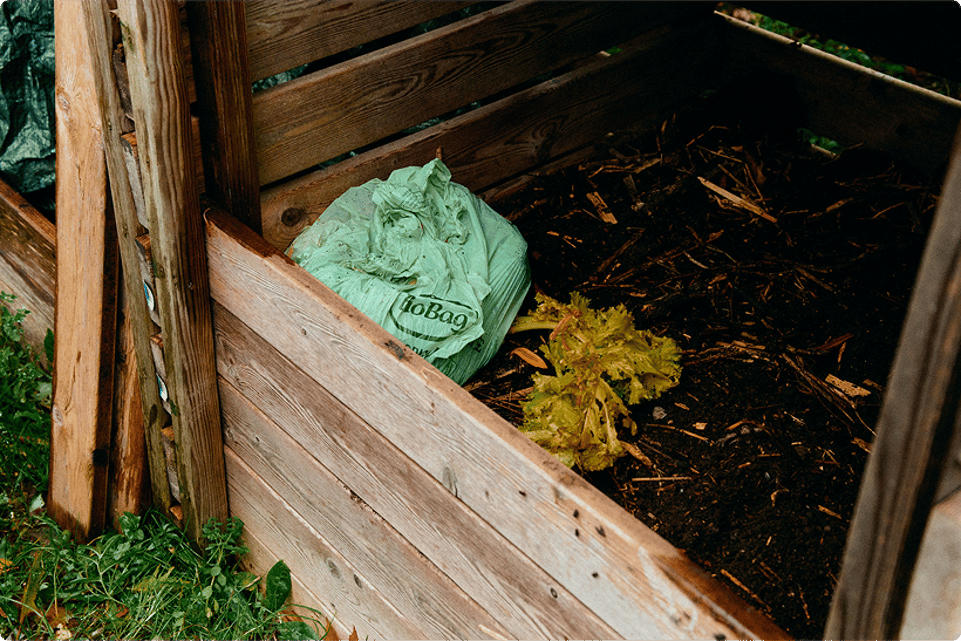
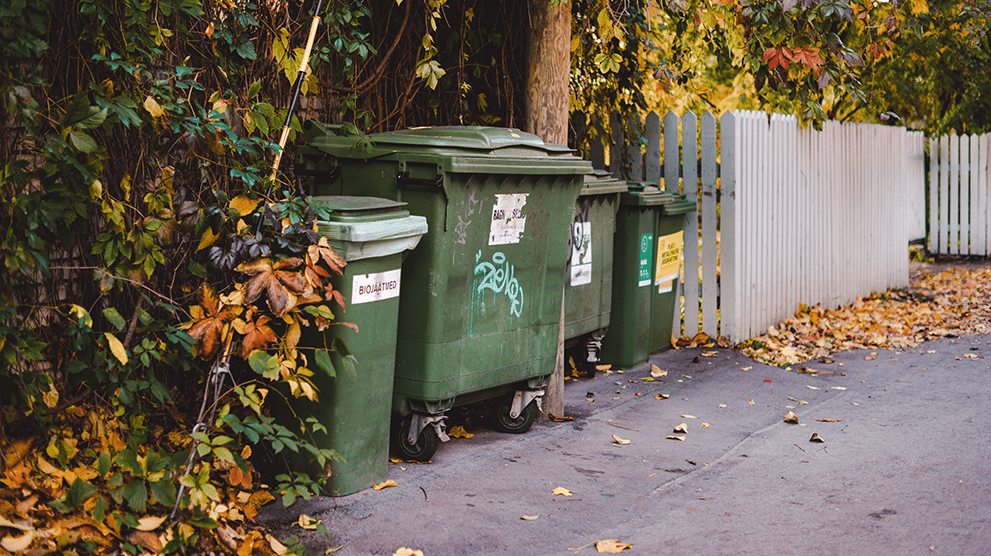
Certified compostable bags can also support the separate collection of food waste. Evidence from individual municipalities and collection trials indicates that providing suitable bags can make food-waste sorting more convenient and may improve participation or reduce contamination from conventional plastic bags.

Under the composting conditions specified by their certification, certified compostable bags biodegrade without leaving persistent microplastics behind. Their performance outside those conditions should not be assumed.
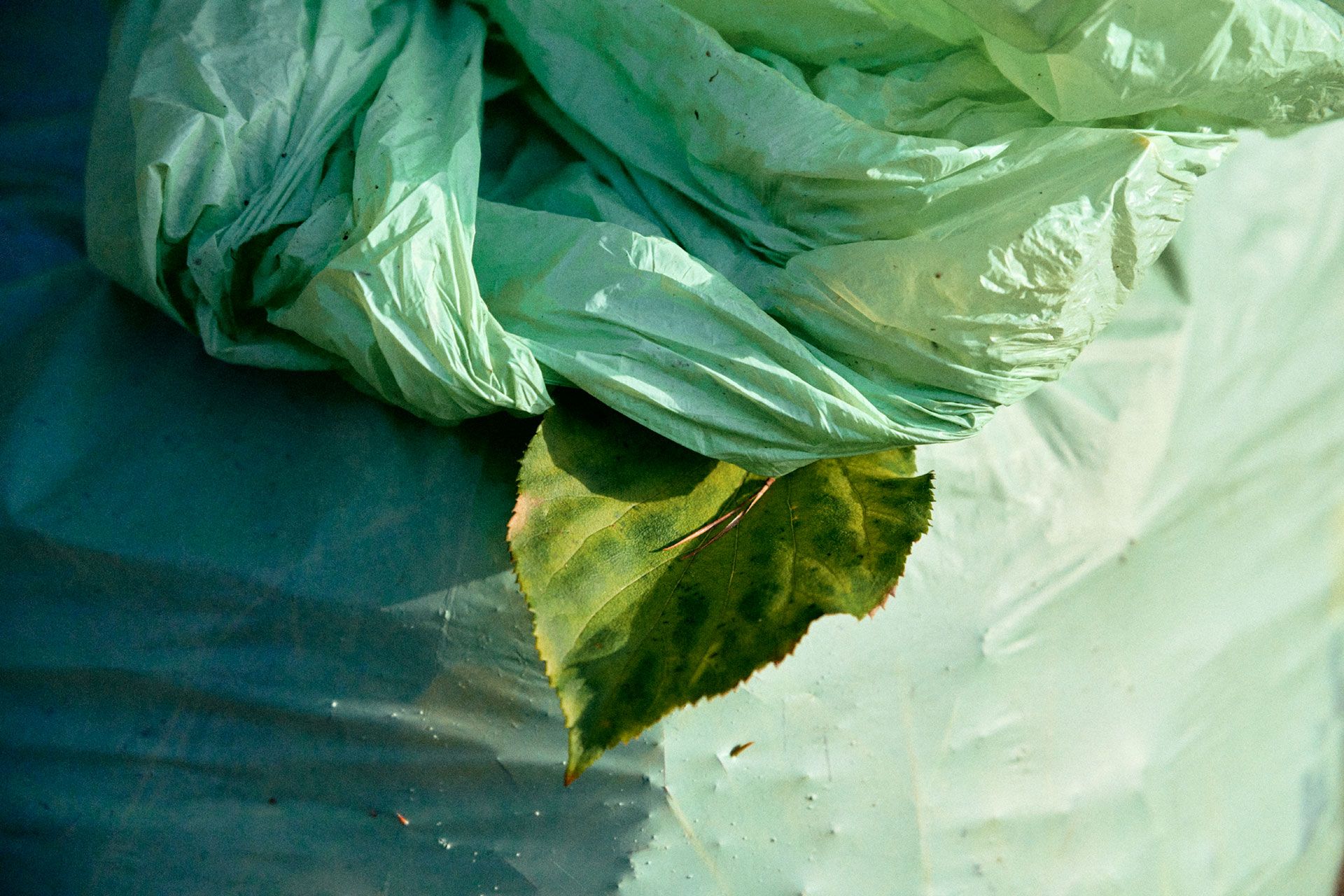
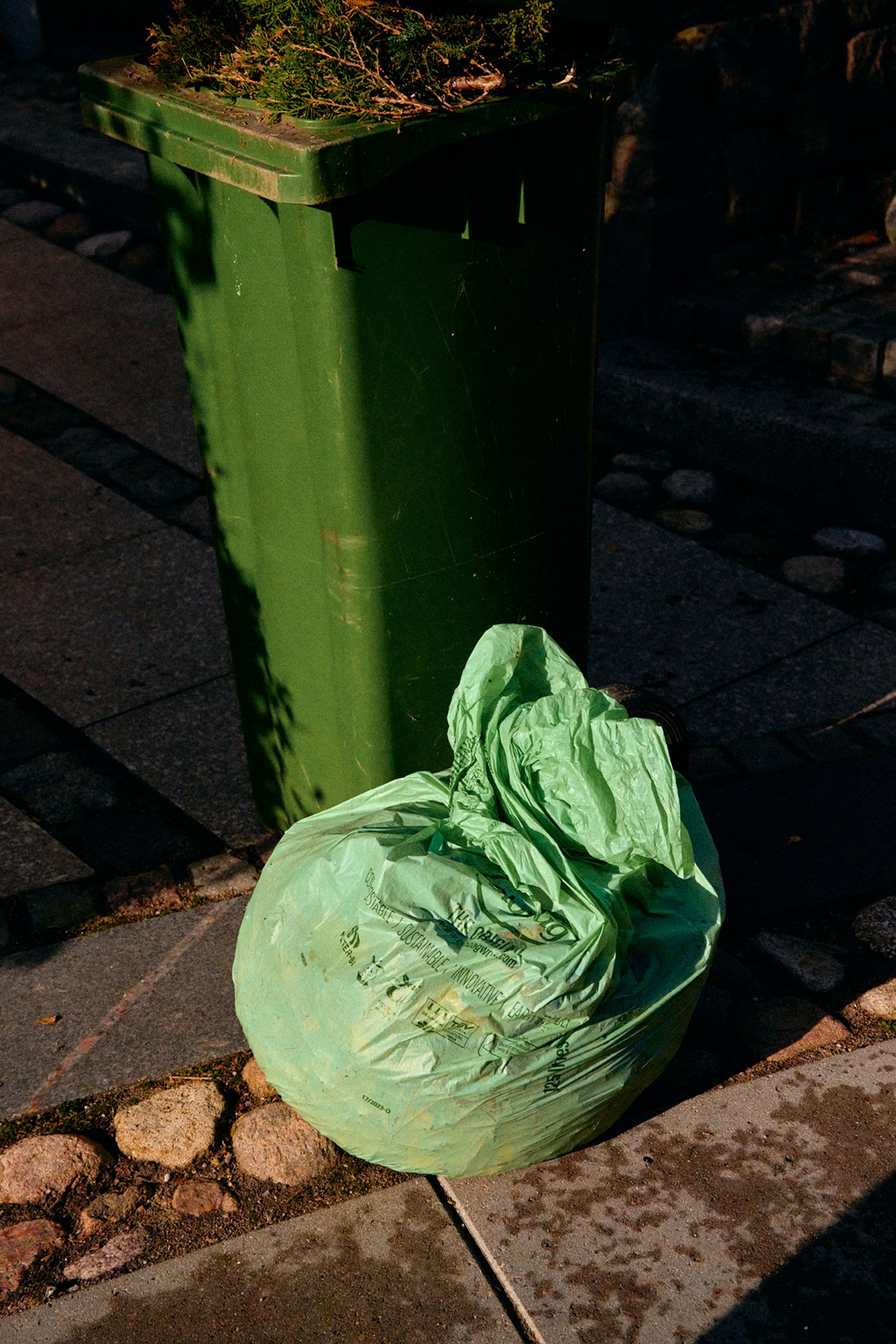
Biobag bag of leaves

Clear standards and certification matter

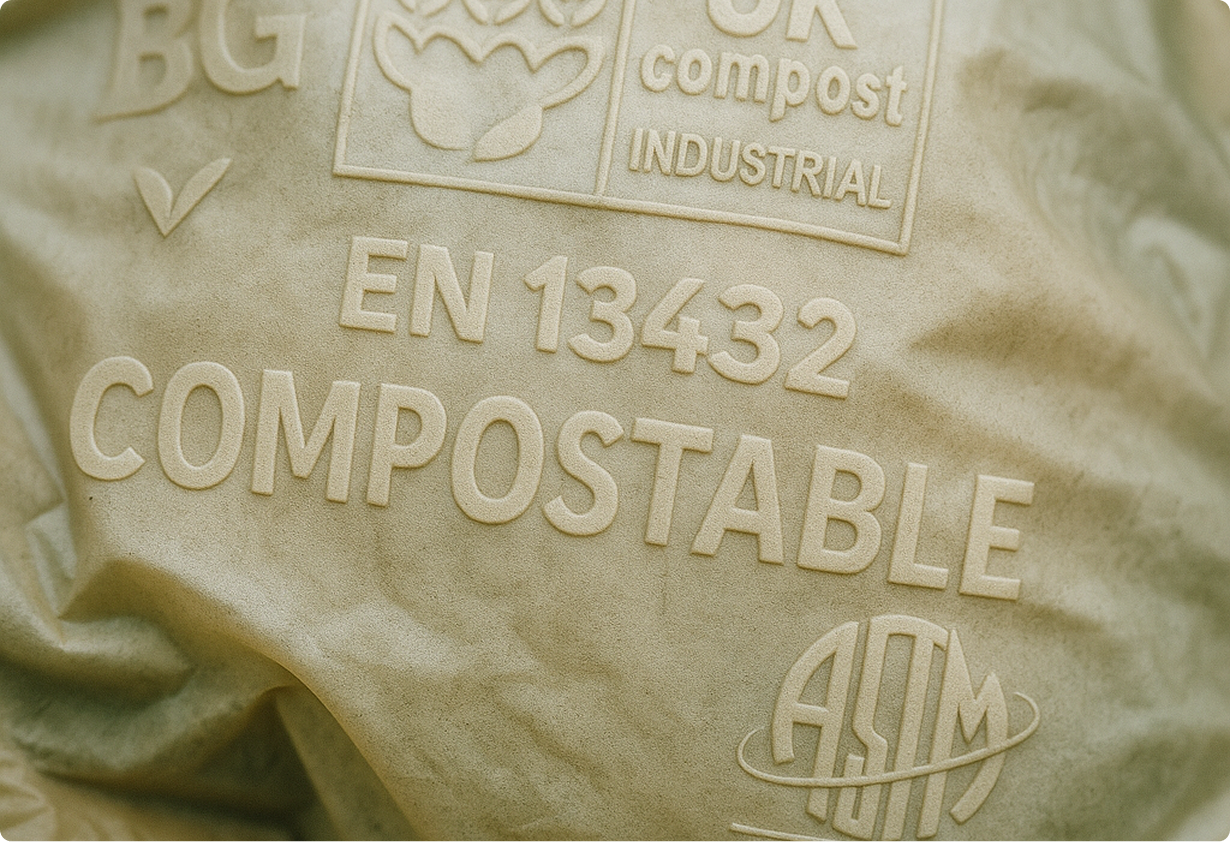
Clear standards help distinguish products developed for specific biological treatment environments from products carrying vague or unsupported biodegradability claims. EN 13432 specifies requirements for packaging recoverable through industrial composting and biodegradation. Certification schemes can independently verify that products meet the applicable requirements.

Certification has always been central to Biobag. It provides information about the environment and conditions for which a product has been assessed. It does not give permission to litter or suggest that a product will biodegrade everywhere. The EU has since developed a policy framework for biobased, biodegradable and compostable plastics. The framework similarly emphasises that these materials should be used for suitable applications and that their environmental benefits and trade-offs must be assessed carefully.

Soil-biodegradable mulch film

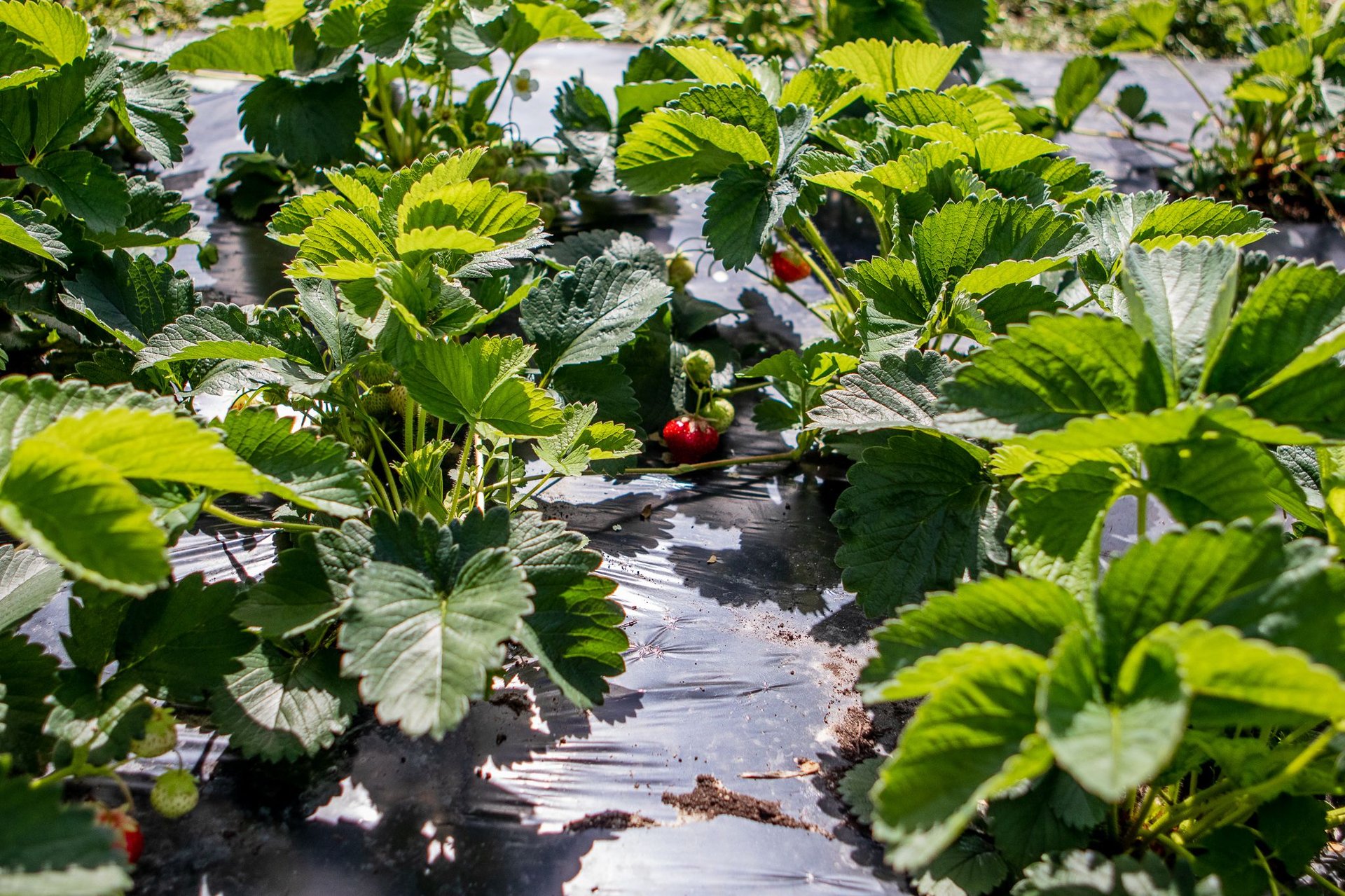
Agricultural mulch films help regulate soil temperature, suppress weeds and reduce water evaporation. Conventional plastic mulch film must normally be removed after use, but complete retrieval can be difficult when the material tears and small fragments remain in the soil.

Soil-biodegradable mulch film is designed for this particular application. After performing its function during the crop cycle, certified film can be incorporated into the soil according to the product instructions. Under suitable conditions, soil microorganisms convert it into water, carbon dioxide and biomass without leaving persistent microplastics behind.

EN 17033 specifies requirements and testing methods for biodegradable mulch films intended for agriculture and horticulture. Soil biodegradability must not be inferred from an industrial or home-composting certification. Read more about BioAgri soil-biodegradable mulch film.

Biobag’s approach

Biobag supports a targeted approach to biodegradable and compostable products. Our certified compostable bags, sacks and liners are designed for applications connected to organic-waste collection and treatment. Our BioAgri mulch film is developed and certified specifically for biodegradation in agricultural soil.

Each product must be used in the application and end-of-life environment covered by its certification. This is how biodegradable and compostable materials can perform their intended role within practical circular systems.

Research, standards and waste-treatment technologies will continue to develop. Biobag will continue working to ensure that our products meet clearly defined needs and are supported by appropriate testing and certification.
Share this article:
Ready to take the Next Step?

Whether you need help choosing the right certified compostable product or want guidance on finding a solution for a specific application and waste system, we’re here to help.

Explore our products
Biobag Inspiration

Stories, tools, and ideas to help you make an impact.

Discover inspiring stories, expert advice, and practical tools to help you make informed choices, from improving composting routines to supporting the circular economy. Our articles show where compostable solutions can make sense and how to build better habits at home, at work, or across entire communities.

Compostable certifications explained

Understanding what certification marks cover and why local waste infrastructure matters. Compostability certifications define the conditions under which a product is expected to break down. Here, we explain the differences between industrial and home composting, the main certification schemes and why local waste infrastructure still matters.

Policy & RegulationsSustainability & ImpactEveryone & EverywhereArticle

From policy to practice: what it takes to make food waste systems work

The EU continues to strengthen its approach to waste and circular economy. On paper, this makes sense. But in practice, it raises a more difficult question: what does it actually take to make waste systems work?

Policy & RegulationsSustainability & ImpactEveryone & EverywhereArticle

Biobag is part of Novamont Group, which is proud to be a Certified B Corp™

We are proud to share an important milestone: Biobag Group has been assessed as part of Novamont Group’s B Corp Certification.

Sustainability & ImpactEveryone & EverywhereArticle

A side order of microplastics, anyone?

Since its invention, humankind has produced an estimated 9.2 billion tonnes of plastic. Around 7 billion tonnes of it has already become waste.

Sustainability & ImpactEveryone & EverywhereArticle

Organic waste: an environmental threat or the best solution ever?

Organic waste is natural. But the amount we generate and what happens to it after disposal can create a serious environmental challenge.

Composting & Soil HealthSustainability & ImpactEveryone & EverywhereMunicipalities & Public ProgrammesFood Service & HospitalityArticle

Nine reasons to choose compostable Biobags

Food waste is produced every day. How we collect and treat it determines whether its valuable resources are lost or kept in use.

Sustainability & ImpactComposting & Soil HealthEveryone & EverywhereCommercial Business & InstitutionsMunicipalities & Public ProgrammesRetailers & GroceryArticle

Turning surplus feathers into insulated packaging with compostable film

London-based start-up Aeropowder developed Pluumo, an insulated packaging material made using surplus feathers.

Product & Material Innovation Sustainability & ImpactRetailers & GroceryFood Service & HospitalityCommercial Business & InstitutionsArticle

What role can compostable products play in protecting soil?

Soil is the foundation of our food systems and an essential home for biodiversity. Yet an estimated 60–70% of soils in the EU are considered unhealthy.

Policy & RegulationsComposting & Soil HealthMunicipalities & Public ProgrammesFarmers & AgricultureCommercial Business & InstitutionsArticle

FAO highlights biodegradable alternatives for selected agricultural plastic applications

Plastic has become part of everyday life. Its durability and functionality make it useful in many applications, but plastic that is not properly collected and managed can remain in the environment and contribute to long-term pollution.

Sustainability & ImpactPolicy & RegulationsCommercial Business & InstitutionsFarmers & AgricultureMunicipalities & Public ProgrammesArticle

Microplastics are everywhere - but what are the consequences?

Microplastics have been found across the environment, from oceans and rivers to agricultural soil and the air we breathe. Scientists are still working to understand exactly what this means for ecosystems and human health.

Environment & ClimateSustainability & ImpactEveryone & EverywhereMunicipalities & Public ProgrammesArticle

Life depends on healthy soil

Healthy soil supports food production, biodiversity and resilient ecosystems. Keeping organic-waste streams clean is one of the ways we can help protect this valuable resource.

Composting & Soil HealthSustainability & ImpactFarmers & AgricultureMunicipalities & Public ProgrammesEveryone & EverywhereArticle

Biobag retail bags receive Cré certification for Irish food-waste bins

Biobag UK & Ireland’s retail range of compostable bags received Cré certification for use in Irish food-waste bins. At the time of the award, it was reported as the first retail range of compostable bags to receive this certification.

Sustainability & ImpactComposting & Soil HealthEveryone & EverywhereMunicipalities & Public ProgrammesCommercial Business & InstitutionsRetailers & GroceryFood Service & HospitalityArticle

Novamont acquires Biobag and strengthens its global presence

Italian company Novamont, a leader in the development and production of biochemicals and compostable bioplastics, announced that it had acquired Biobag Group, a Norway-based supplier of certified compostable solutions for waste collection and packaging.

Sustainability & ImpactProduct & Material Innovation Everyone & EverywhereCommercial Business & InstitutionsMunicipalities & Public ProgrammesRetailers & GroceryFood Service & HospitalityArticle

The role of bioplastic in a circular economy

Biobags are made of Mater-Bi, a family of biodegradable and compostable bioplastics developed by Novamont. These materials are designed for specific applications where biodegradability or compostability can support the collection and biological treatment of organic waste.

Composting & Soil HealthSustainability & ImpactMunicipalities & Public ProgrammesFarmers & AgricultureEveryone & EverywhereArticle

Compostable bags and the circular economy initiative

An exciting European proposal on the Circular Economy Package in December 2015 paved the way for broader adoption of biodegradable materials across the EU.

Policy & RegulationsSustainability & ImpactCommercial Business & InstitutionsEveryone & EverywhereMunicipalities & Public ProgrammesRetailers & GroceryFood Service & HospitalityArticle

Turn inspiration into action

Our compostable solutions can support transforming organic waste into renewable energy and nutrient-rich compost to grow new crops.

Explore Our Compostable Range
biobag

Get in touch

We will be happy to hear from you, so please write if you have questions about our products, want to meet one of our salespeople or you just have a great idea for a new product. Fill out the form and we will get back to you shortly.

I consent that you store my information and reach out to me in accordance with your Privacy Policy.