European soils face pressure from erosion, pollution, declining organic matter, soil sealing, biodiversity loss, compaction and salinisation. Healthy soils support food production, store and filter water, provide habitats and help landscapes respond to drought and heavy rainfall.
Recognising their importance, the European Commission adopted the EU Soil Strategy for 2030 to improve the protection, restoration and sustainable use of soil. The long-term ambition is for all EU soil ecosystems to be in a healthy condition by 2050.
Protecting soil requires action across agriculture, waste management and the wider circular economy. This includes reducing pollution, returning suitable organic matter to the soil and preventing persistent plastic from entering biological cycles.
How can compostable products contribute?
Compostable products are not a universal solution to plastic pollution. Their role is most relevant in specific applications where they help collect organic waste or are used together with material intended for biological treatment.
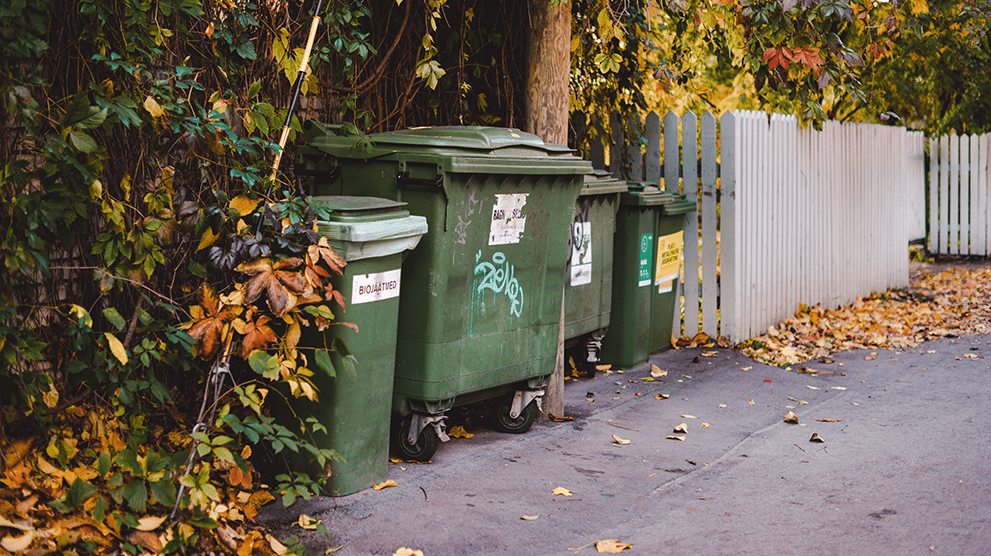
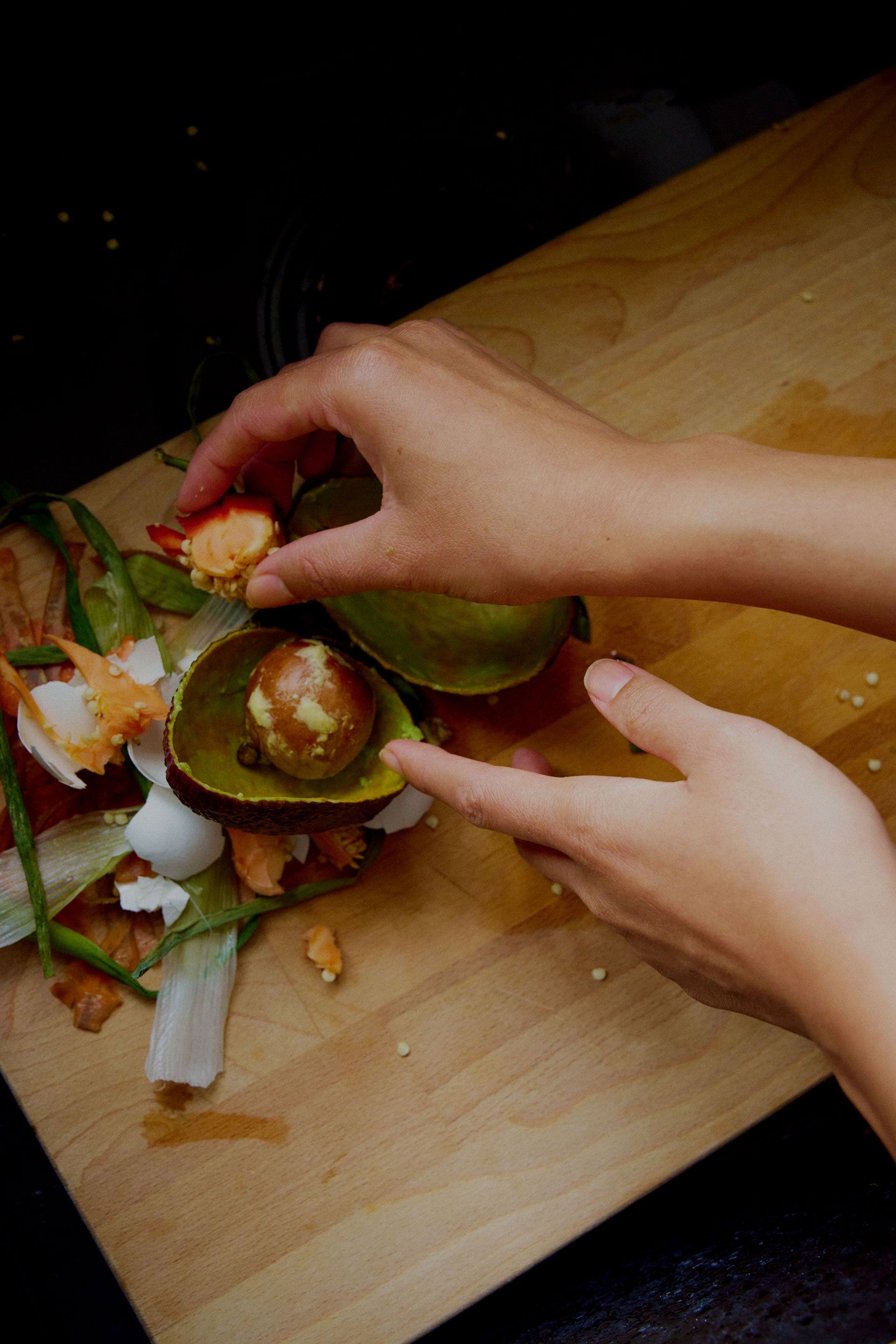
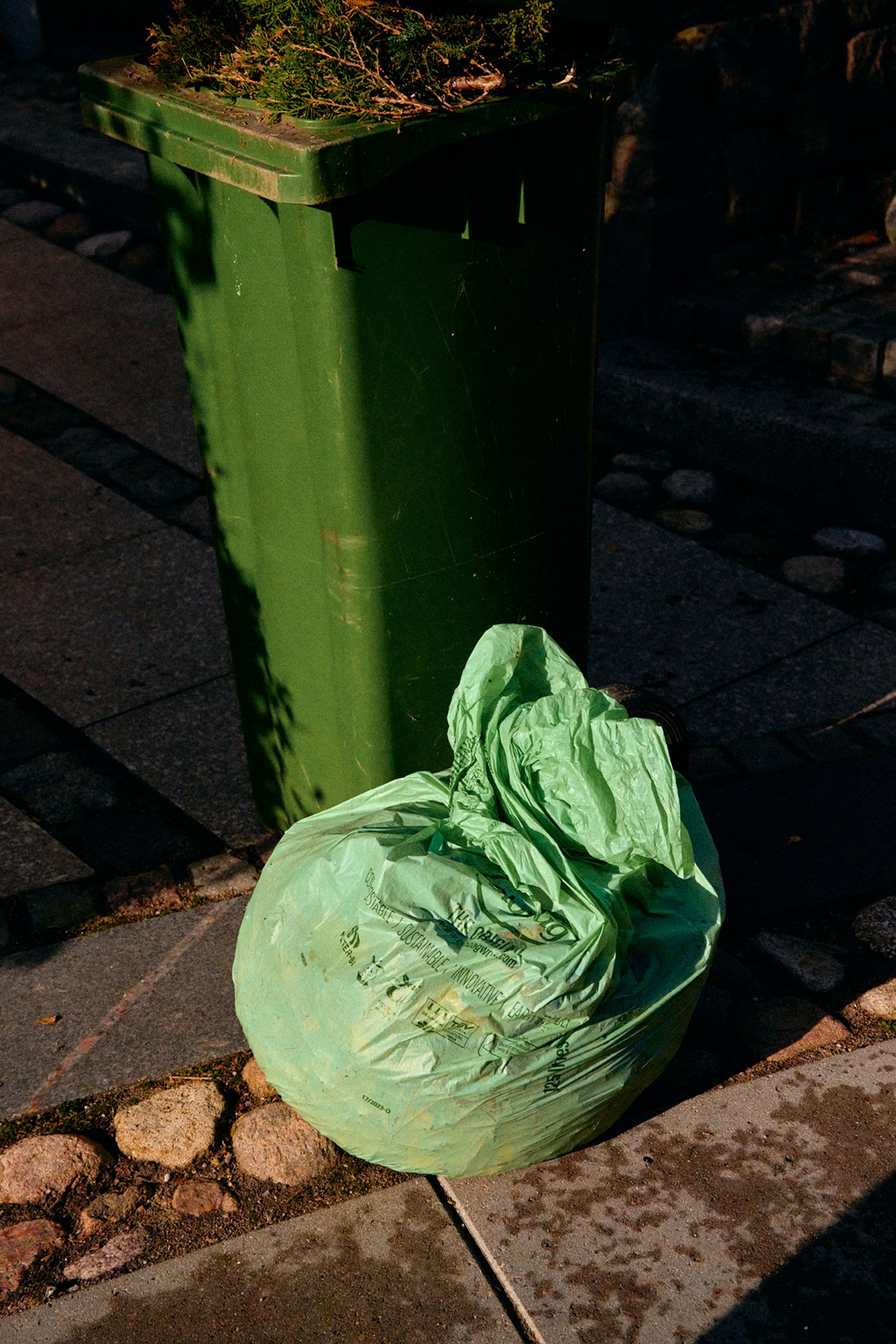
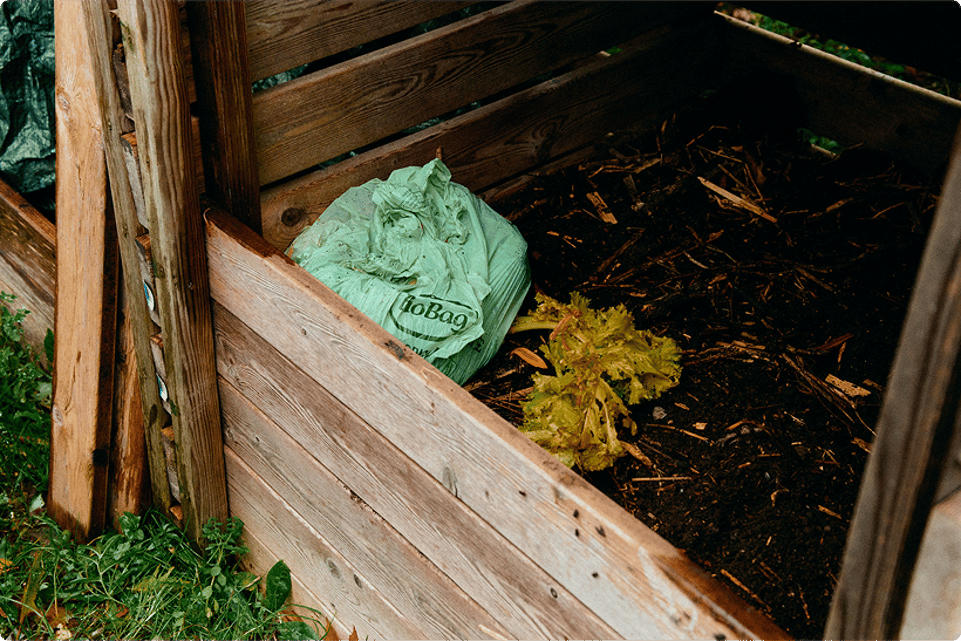
Separately collected food and garden waste can be treated through composting or anaerobic digestion. Depending on the treatment process, this can produce compost or digestate that returns organic matter or nutrients to agricultural soil.Certified compostable bags can support this system by making food-waste collection simpler and more hygienic. In properly designed collection schemes, providing suitable bags may also help people participate and sort their food waste correctly.
The purpose is not simply to replace every conventional plastic product with a compostable alternative. It is to use compostable products where their properties offer a practical benefit and where a compatible collection and treatment system exists.
From food waste to biogas, compost and digestate
The treatment of food waste differs between countries, municipalities and individual facilities. Some systems use industrial composting, while others use anaerobic digestion to produce biogas. Certain facilities combine biological treatment processes.
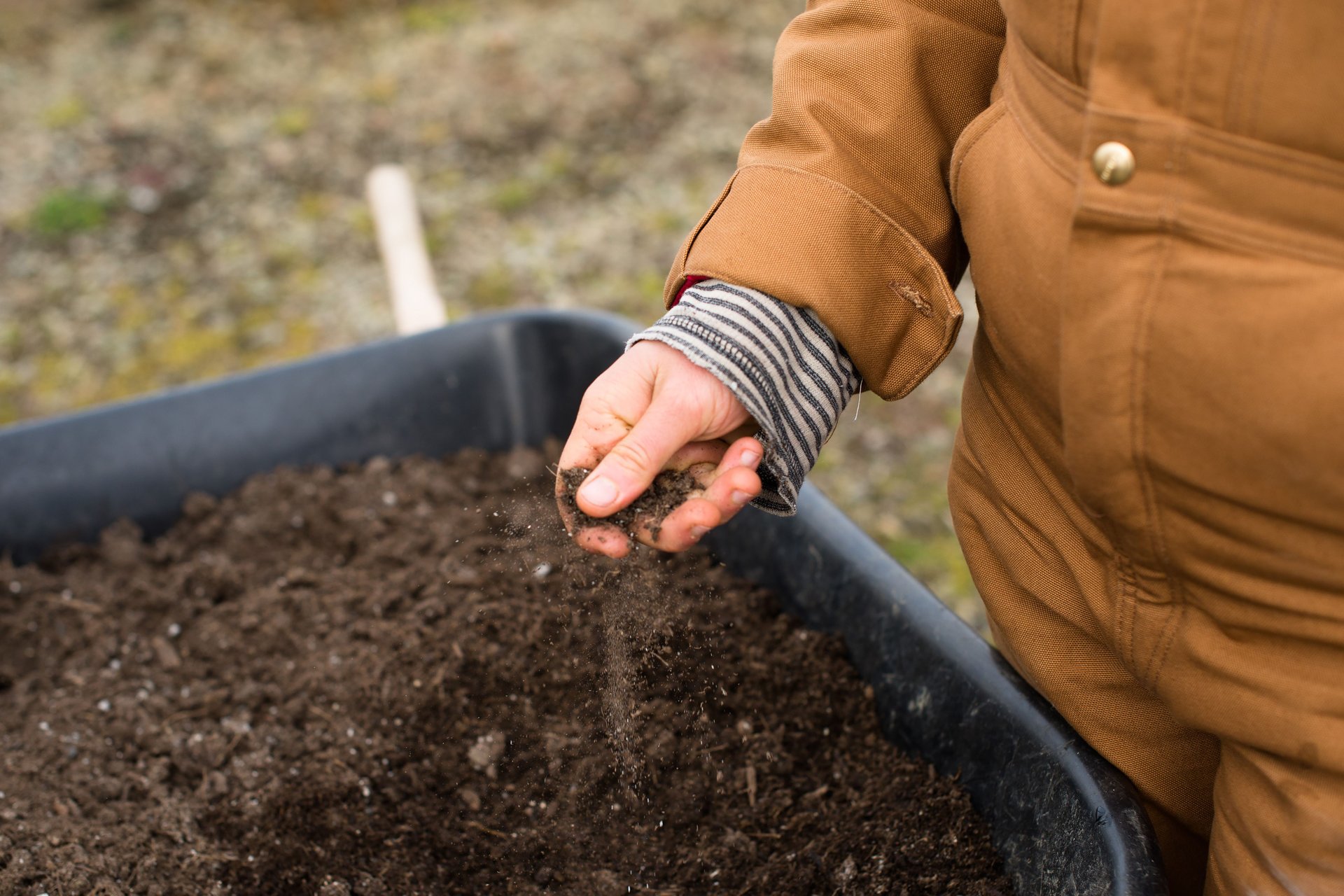
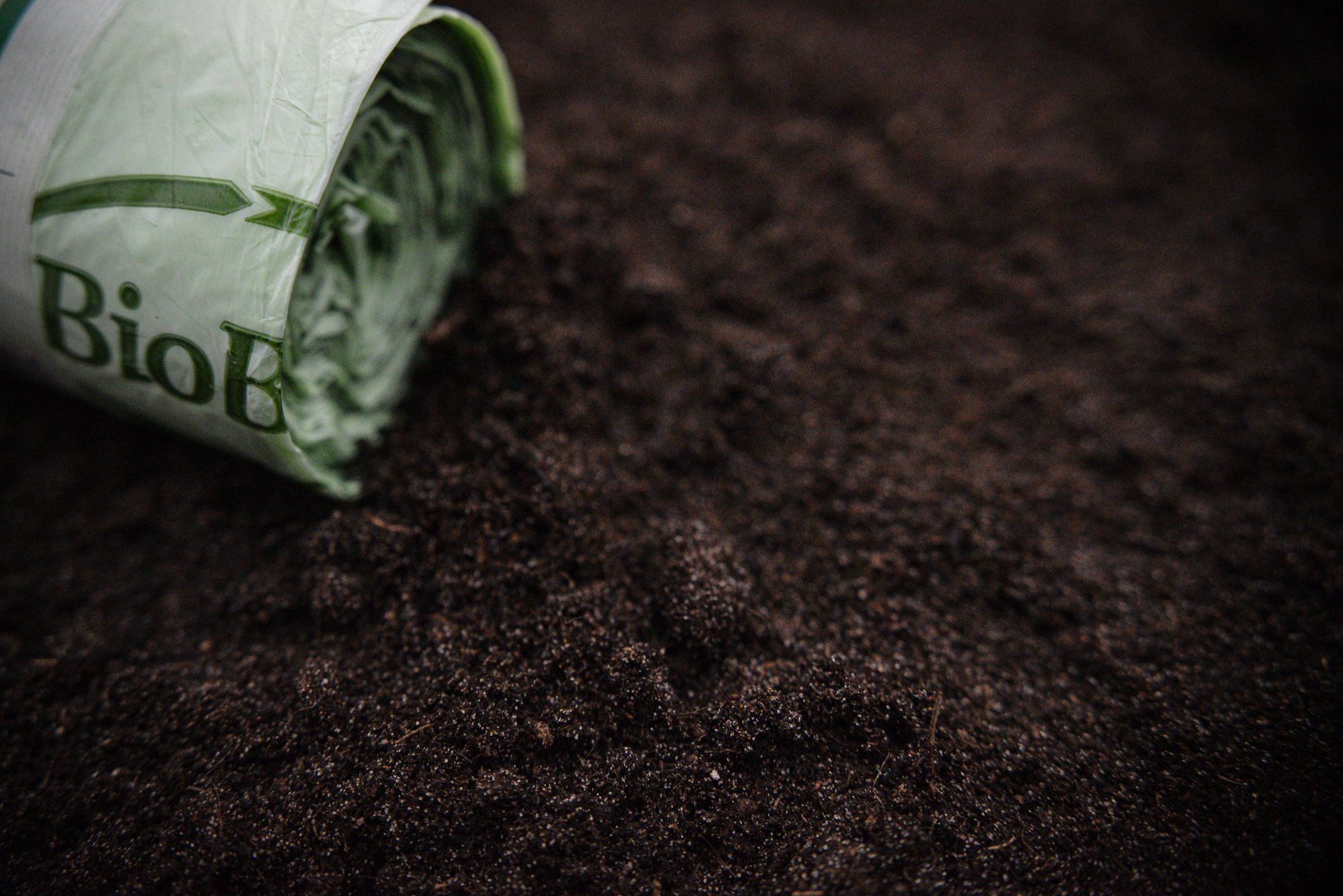
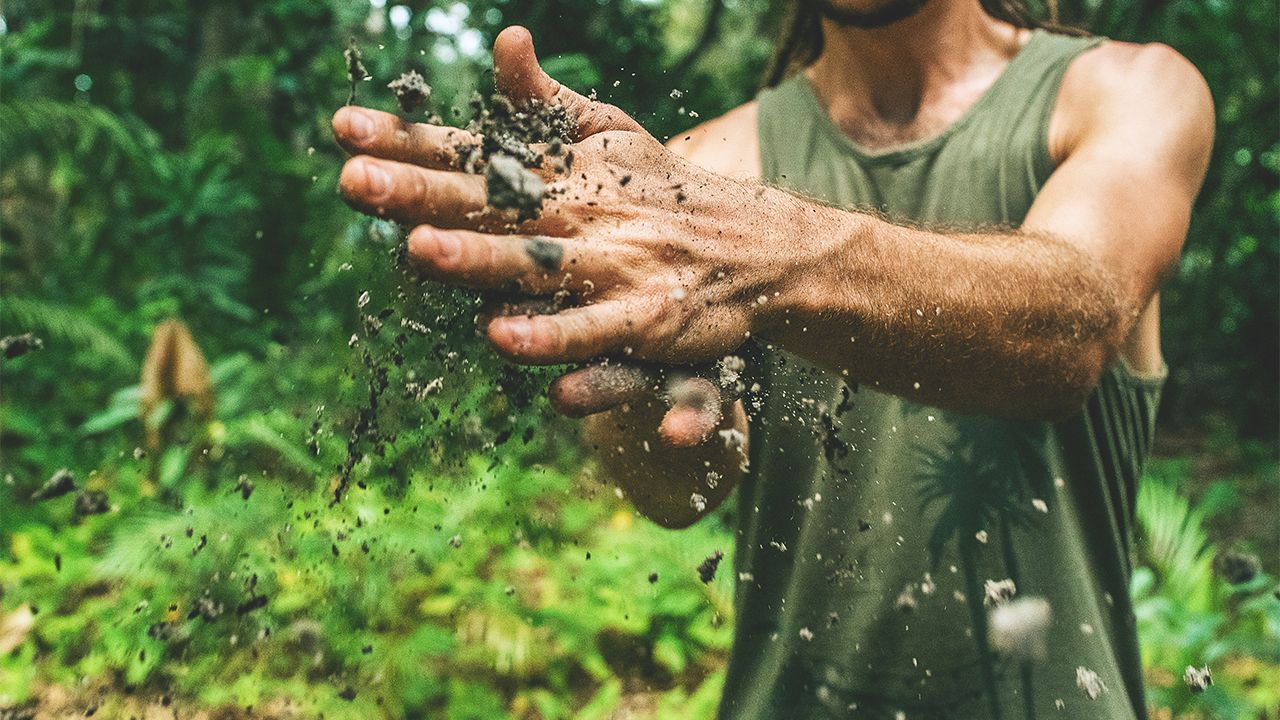
Biogas can contribute to renewable energy production. The material remaining after anaerobic digestion, known as digestate, contains nutrients and can be used on agricultural land. Compost can contribute stable organic matter and support soil structure, water retention and biological activity.
Both processes can keep valuable resources from organic waste in use. Their success, however, depends on collecting a sufficiently clean organic-waste stream and preventing conventional plastic and other unwanted materials from entering it.
Why certification and correct disposal matter
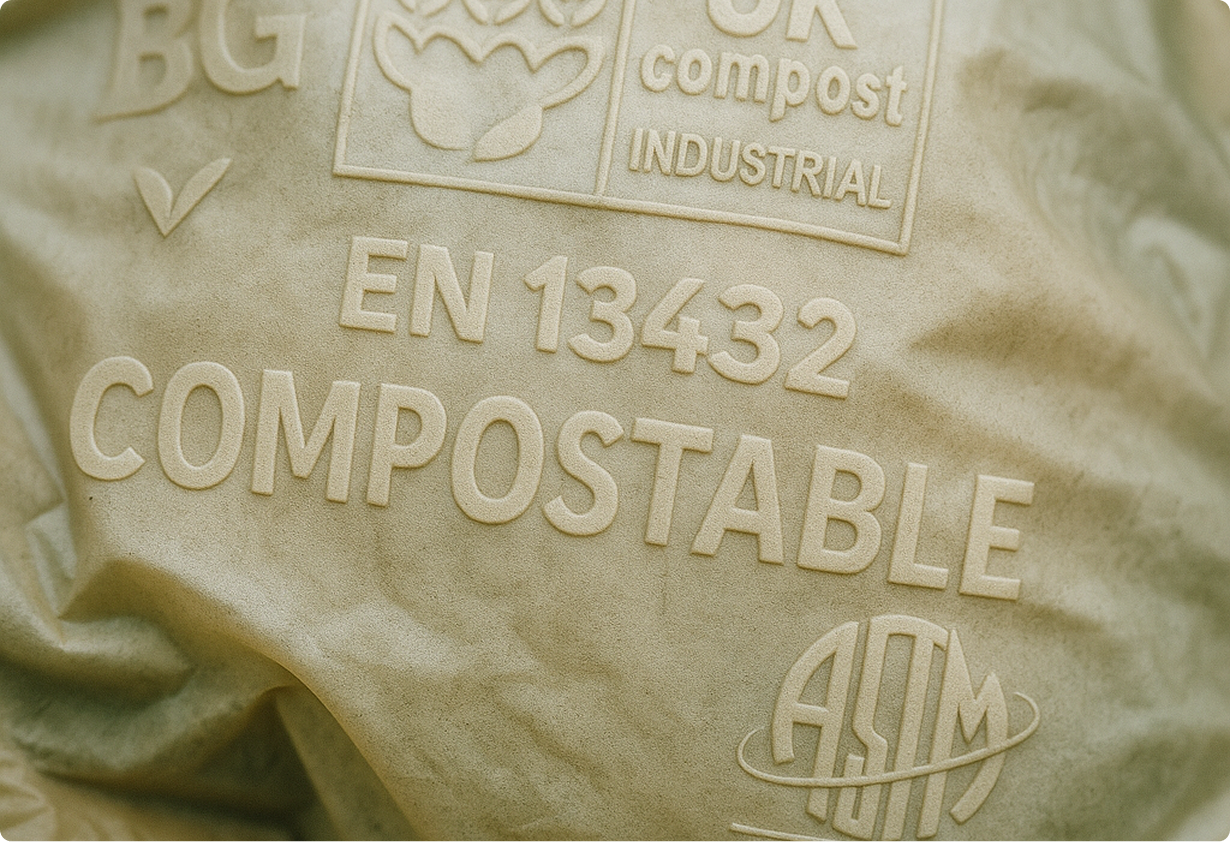
Compostable bags are assessed for particular treatment environments. For example, EN 13432 specifies requirements for packaging intended for recovery through industrial composting. Independent certification schemes verify whether products meet the applicable requirements.
A compostable bag must therefore be used and disposed of according to its certification and the instructions of the local waste system. Certification for industrial or home composting does not mean that a bag is designed to biodegrade when discarded in nature or left in agricultural soil.
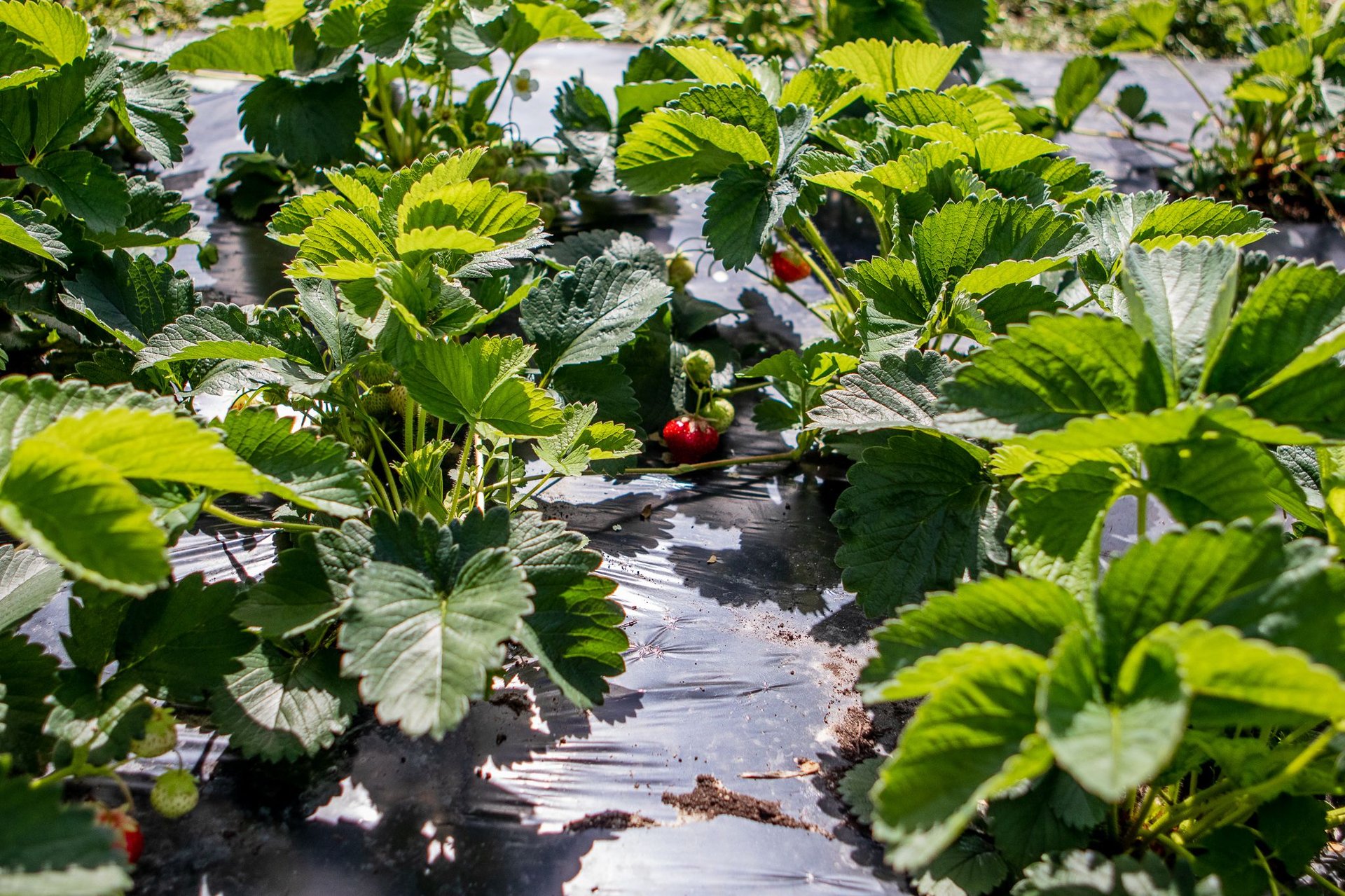
Products intended to biodegrade directly in soil, such as certain agricultural mulch films, require different testing and certification. The compostability of a food-waste bag and the soil biodegradability of an agricultural film are not interchangeable claims.
The EU’s policy framework for biobased, biodegradable and compostable plastics also recognises that these materials should be used for suitable applications and under clearly defined conditions.
Keeping persistent plastic out of biological waste
When conventional plastic bags enter organic-waste treatment, facilities aim to remove them during pre-treatment. However, small fragments may remain and can potentially enter compost or digestate.
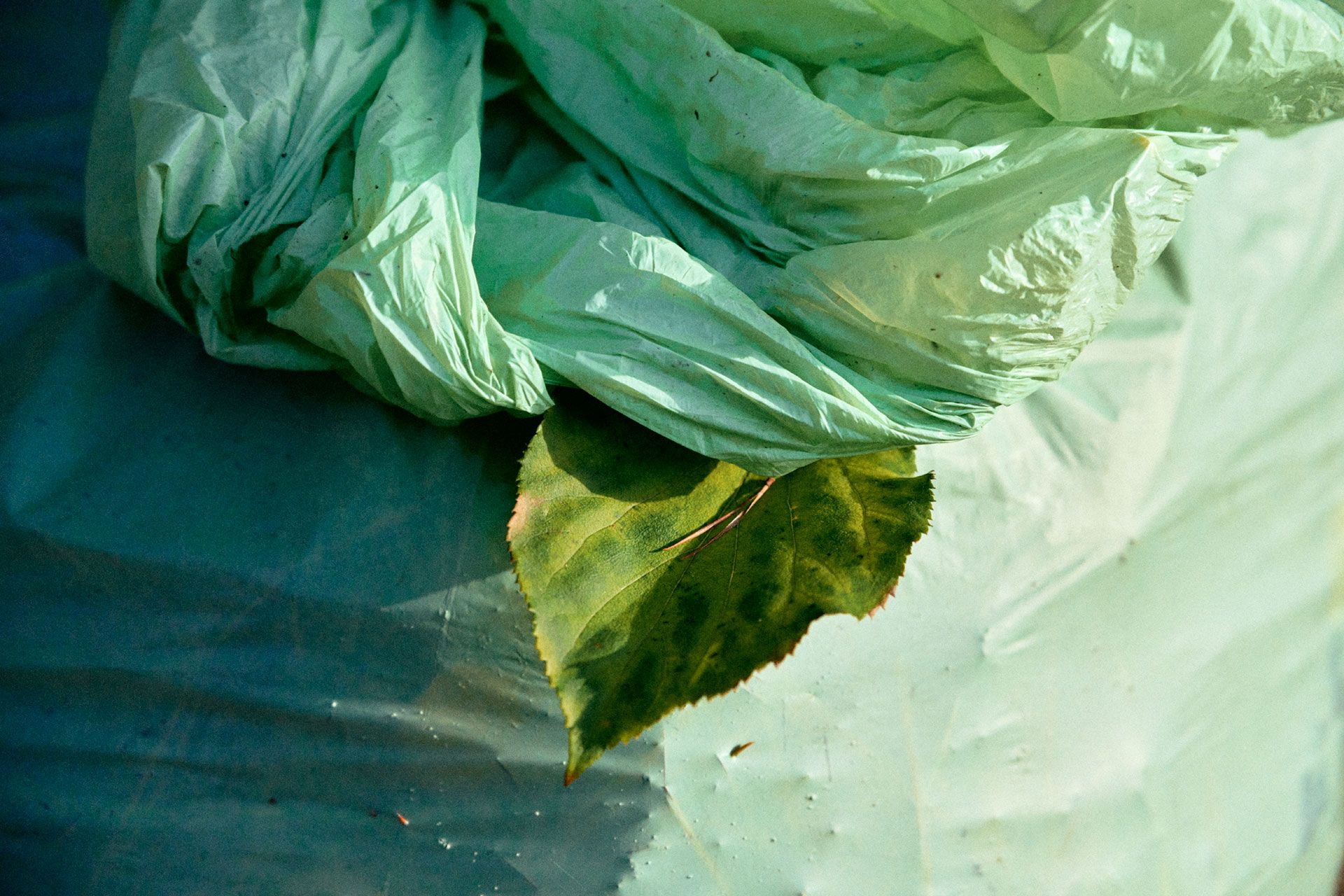
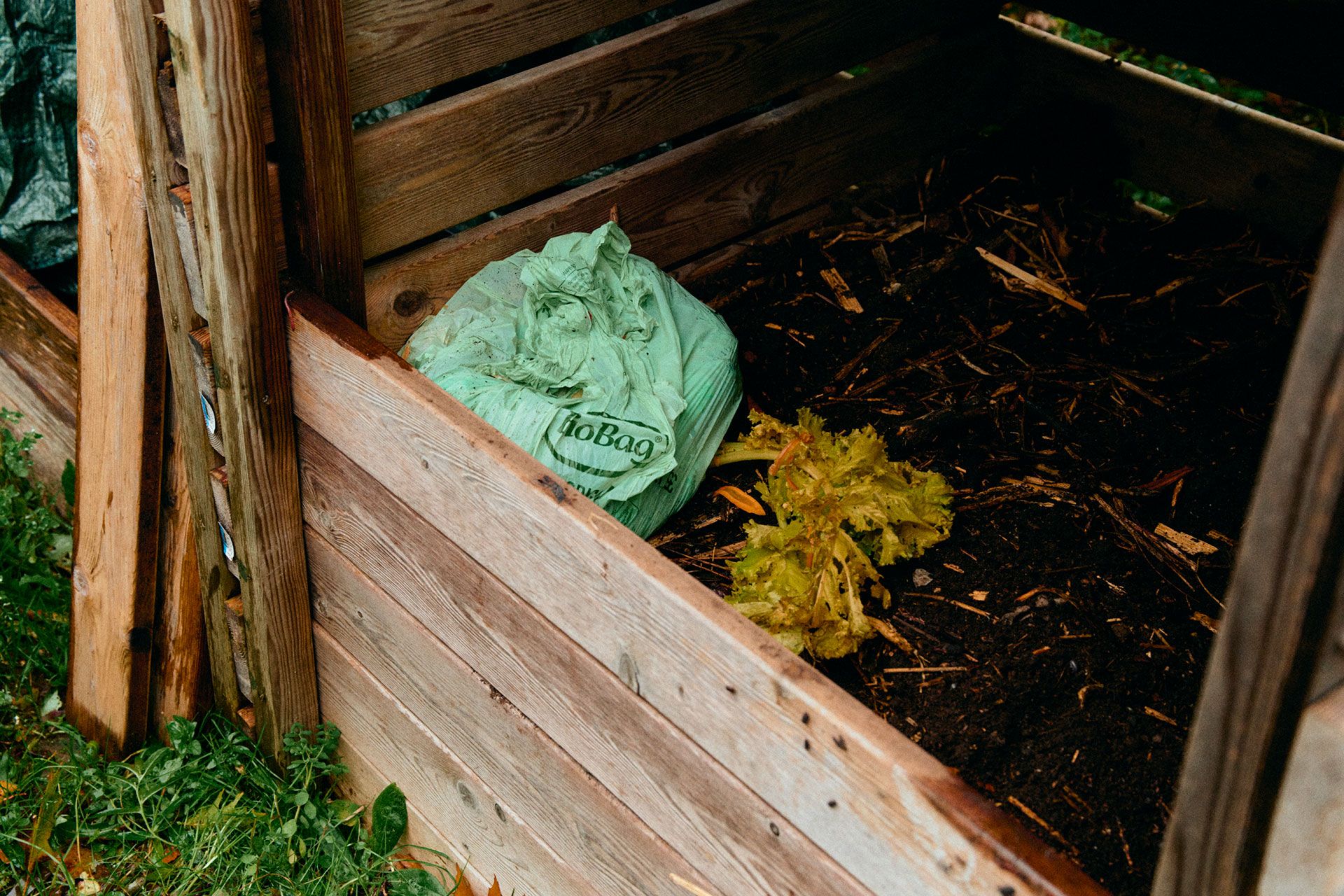
Where certified certified compostable bags are accepted and effectively treated within the local organic-waste system, they can help reduce the risk of persistent plastic bag fragments entering the resulting material. Under the composting conditions specified by their certification, the bags biodegrade without leaving persistent microplastics behind.
This does not mean that compostable bags can be discarded anywhere. It means they are designed for a defined biological process and should be used where that process is available.
Giving organic resources back to the soil
Protecting soil requires more than one product or material. It means reducing unnecessary plastic use, collecting organic waste separately, keeping biological waste streams clean and producing compost and digestate of a quality suitable for agricultural use.
Certified compostable bags can support this process where they are accepted as part of a compatible food-waste collection system. Used in the right application and treated under the right conditions, they can help organic waste complete its journey from the kitchen back into biological cycles.