Farmers & Agriculture
Healthy soil is at the heart of sustainable farming. By using soil biodegradable mulch film, farmers can improve crop performance while protecting the long-term health of their land. It’s a simple change that keeps the soil free from persistent microplastics and supports a more resilient agricultural system.
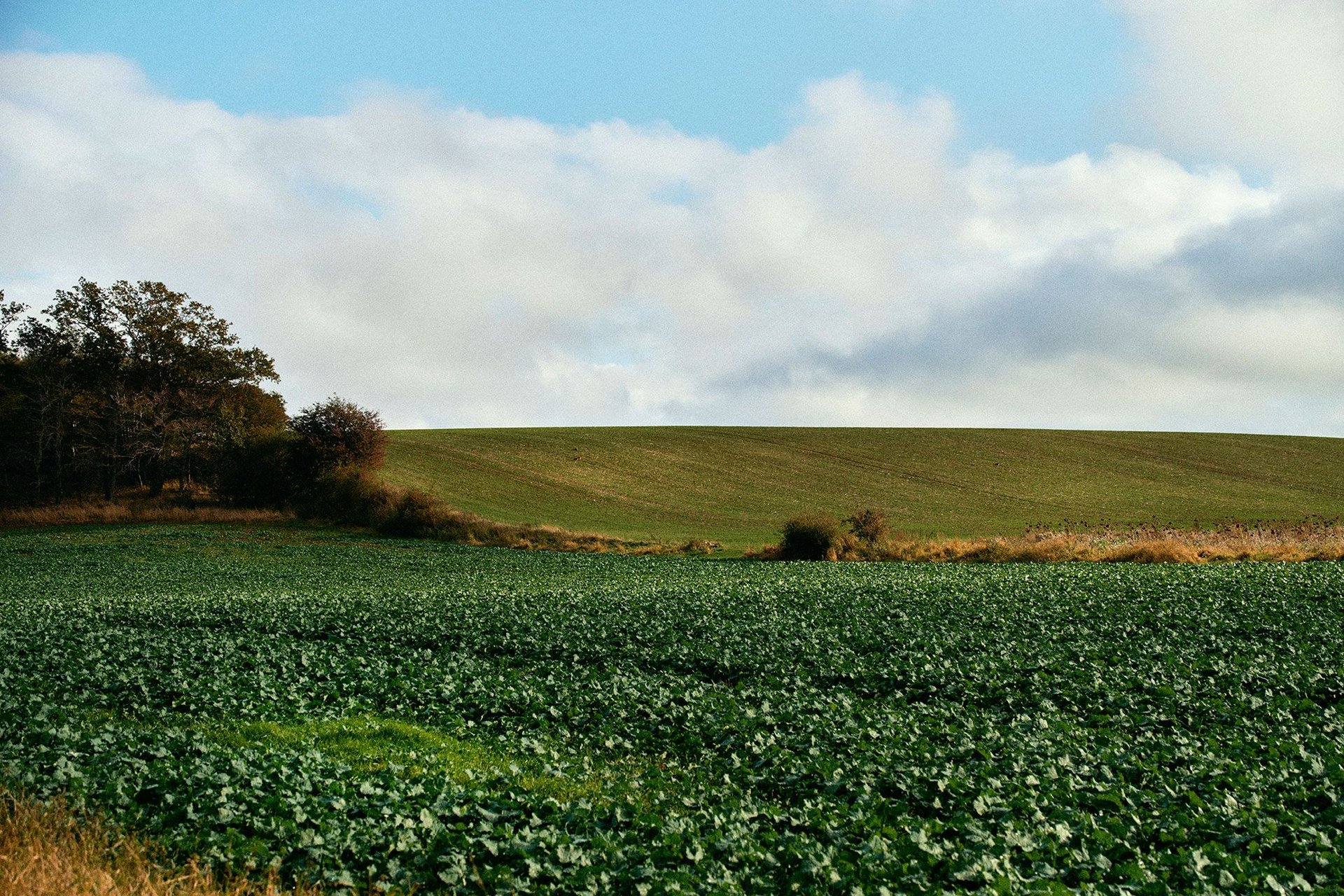
Healthy soil is where it all begins.
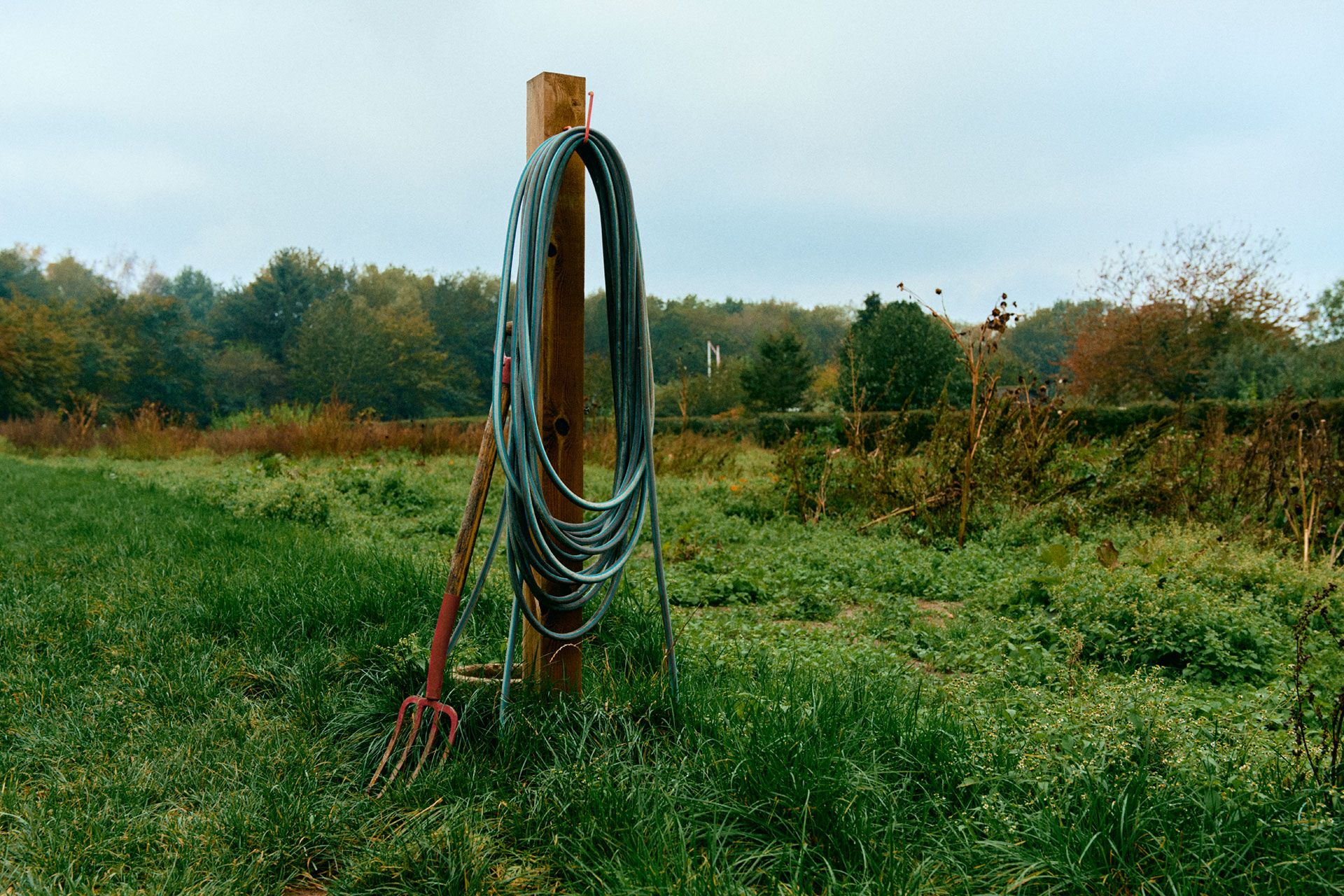
Soil is the foundation of every harvest, yet plastic residues from agricultural films can contribute to microplastic contamination in farmland. When conventional mulch film fragments remain in the field, they can build up in the soil over time.
Certified soil-biodegradable mulch film offers a different path. During the growing season, it helps regulate soil temperature, retain moisture and support germination. When the season ends, the film can be tilled into the soil, where microorganisms convert it into water, carbon dioxide and biomass under suitable conditions—leaving no persistent microplastics behind.
No film to collect. No persistent plastic fragments. A simpler end to the season and a clean start for the next crop.
Why switch to soil biodegradable mulch film?
Certified soil-biodegradable mulch film supports key growing functions, including crop protection, moisture retention and soil-temperature management. After use, it can be tilled into the soil, where it biodegrades under the specified conditions without leaving persistent microplastics behind.

Protect soil health
Breaks down naturally into water, carbon dioxide, and organic matter, leaving no persistent microplastics behind. Helps maintain soil fertility and long-term productivity.

Save time and labour
Can be ploughed directly into the soil after harvest, saving time and cost on collection and disposal while simplifying field preparation.
Maintain performance
Delivers the same agronomic benefits as traditional mulch: stable soil temperature, moisture retention, faster germination, and fewer weeds, all without persistent residues.
Cost-effective in the long run
The initial cost may be higher, but removing the need to collect and dispose of used film can reduce end-of-season labour and handling costs. The result is a practical investment across the full growing cycle.
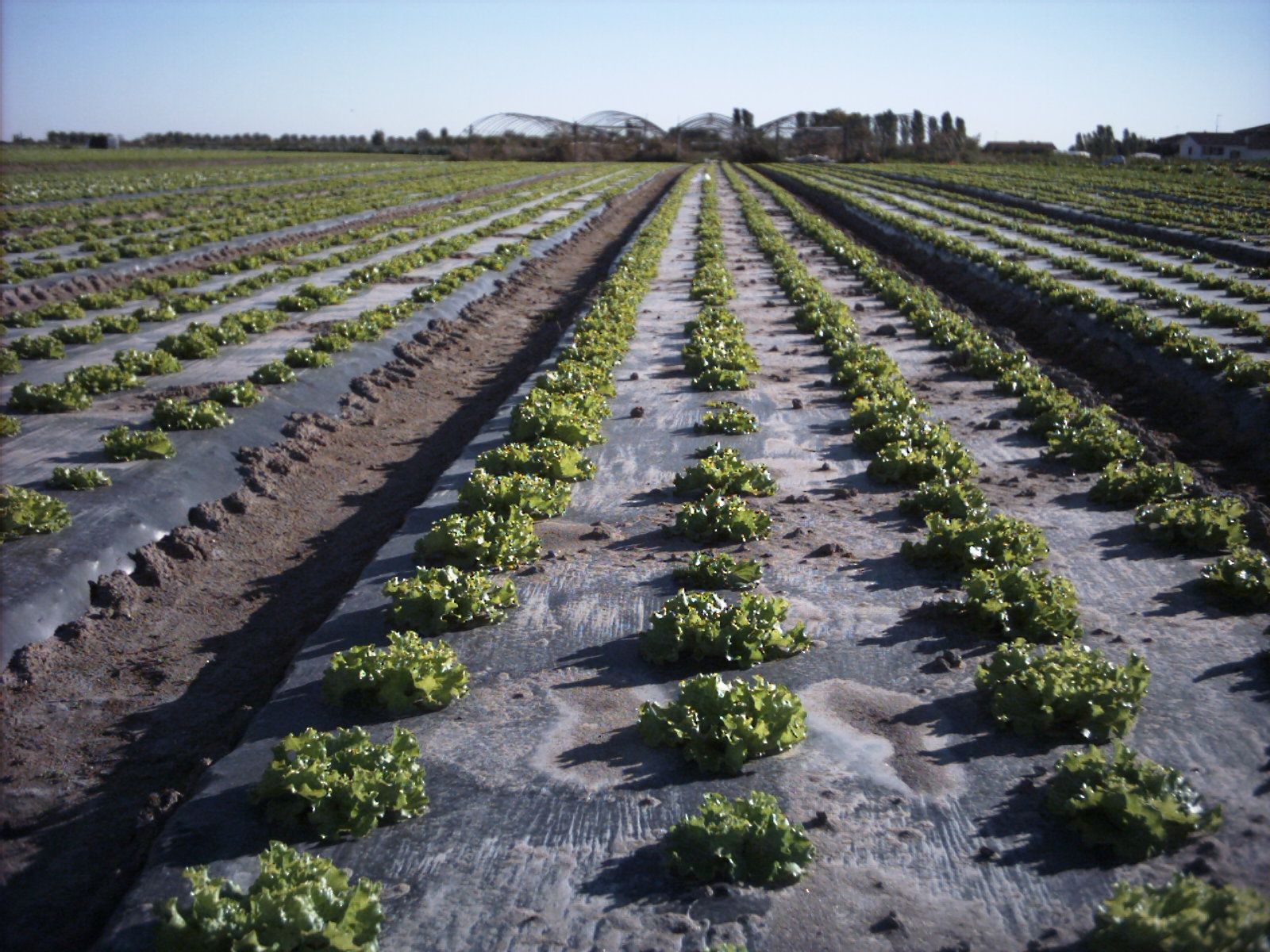
Mulch Film that works with your soil
Our soil biodegradable mulch film supports weed control, moisture retention, and crop development, while being designed to break down in soil after use. No collection, no disposal, just a solution that fits modern farming practices and long-term soil care.
Still Have Questions? We've Got Answers.
Whether you're just getting started or already using Biobag, find practical information about composting, certifications, materials, and how to get the most out of our products.
Stories, tools, and ideas to help you make an impact.
Discover inspiring stories, expert advice, and practical tools to help you make informed choices, from improving composting routines to supporting the circular economy. Our articles show where compostable solutions can make sense and how to build better habits at home, at work, or across entire communities.
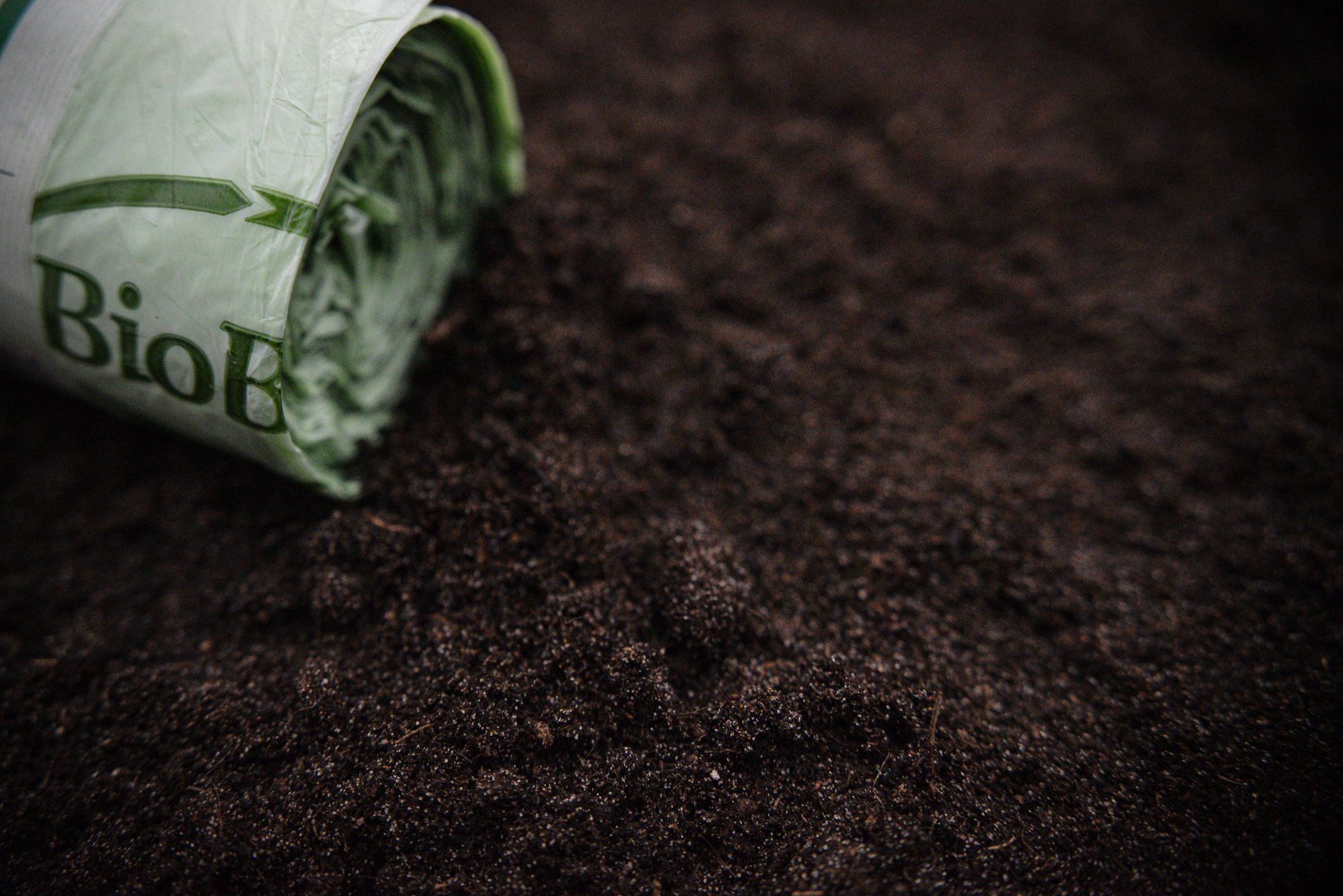
Soil Alert
An estimated 60–70% of soils in the EU are unhealthy. Yet healthy soil is essential for producing food, supporting biodiversity and keeping natural cycles working.
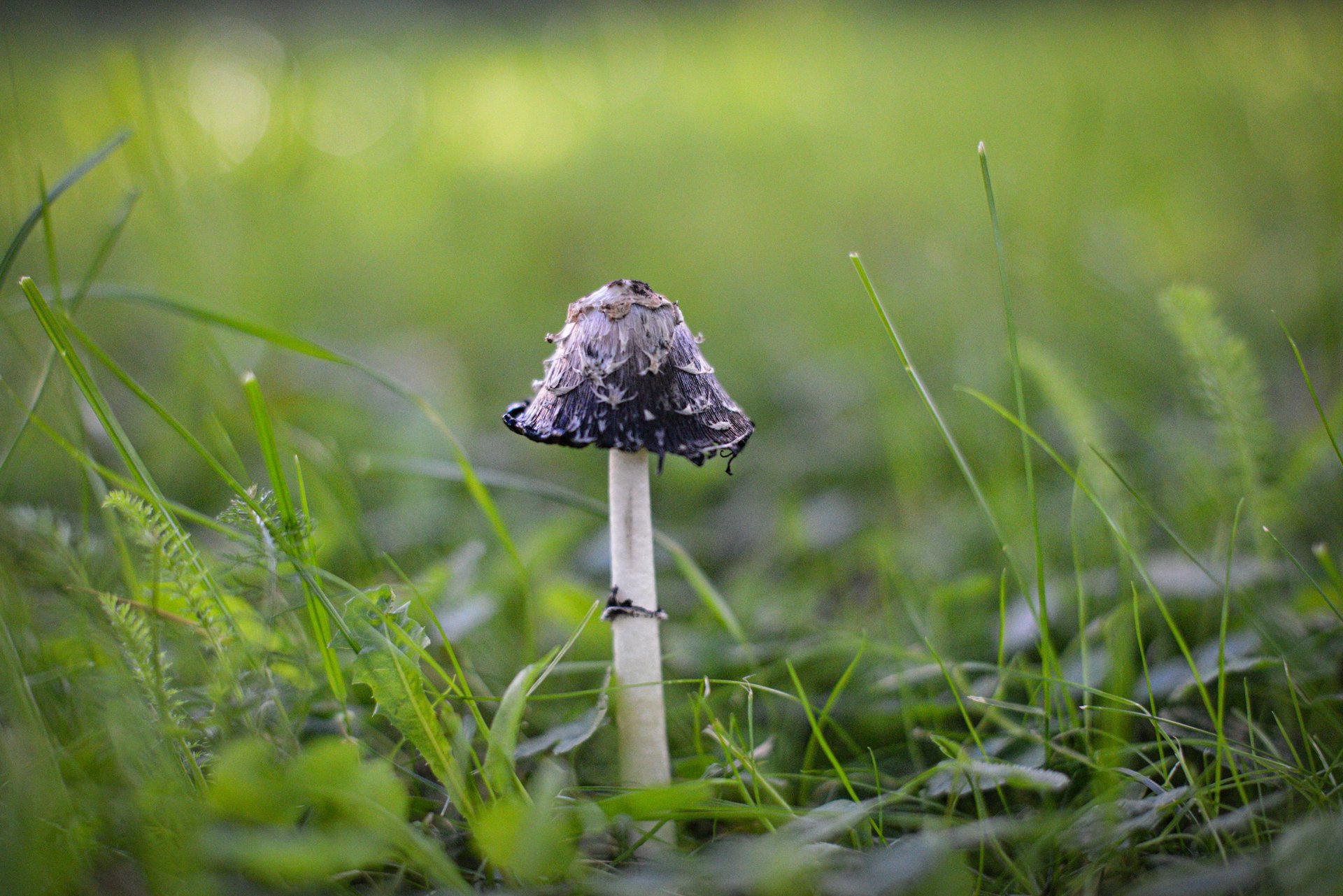
Life depends on healthy soil
Healthy soil supports food production, biodiversity and resilient ecosystems. Keeping organic-waste streams clean is one of the ways we can help protect this valuable resource.

Microplastics are everywhere - but what are the consequences?
Microplastics have been found across the environment, from oceans and rivers to agricultural soil and the air we breathe. Scientists are still working to understand exactly what this means for ecosystems and human health.