Commercial Business & Waste Management
Organic waste is part of everyday operations, but how it’s managed matters. Certified compostable bags can make separate collection easier and support better waste initiatives. They help organic waste reach composting or biogas production, keeping valuable resources in use.
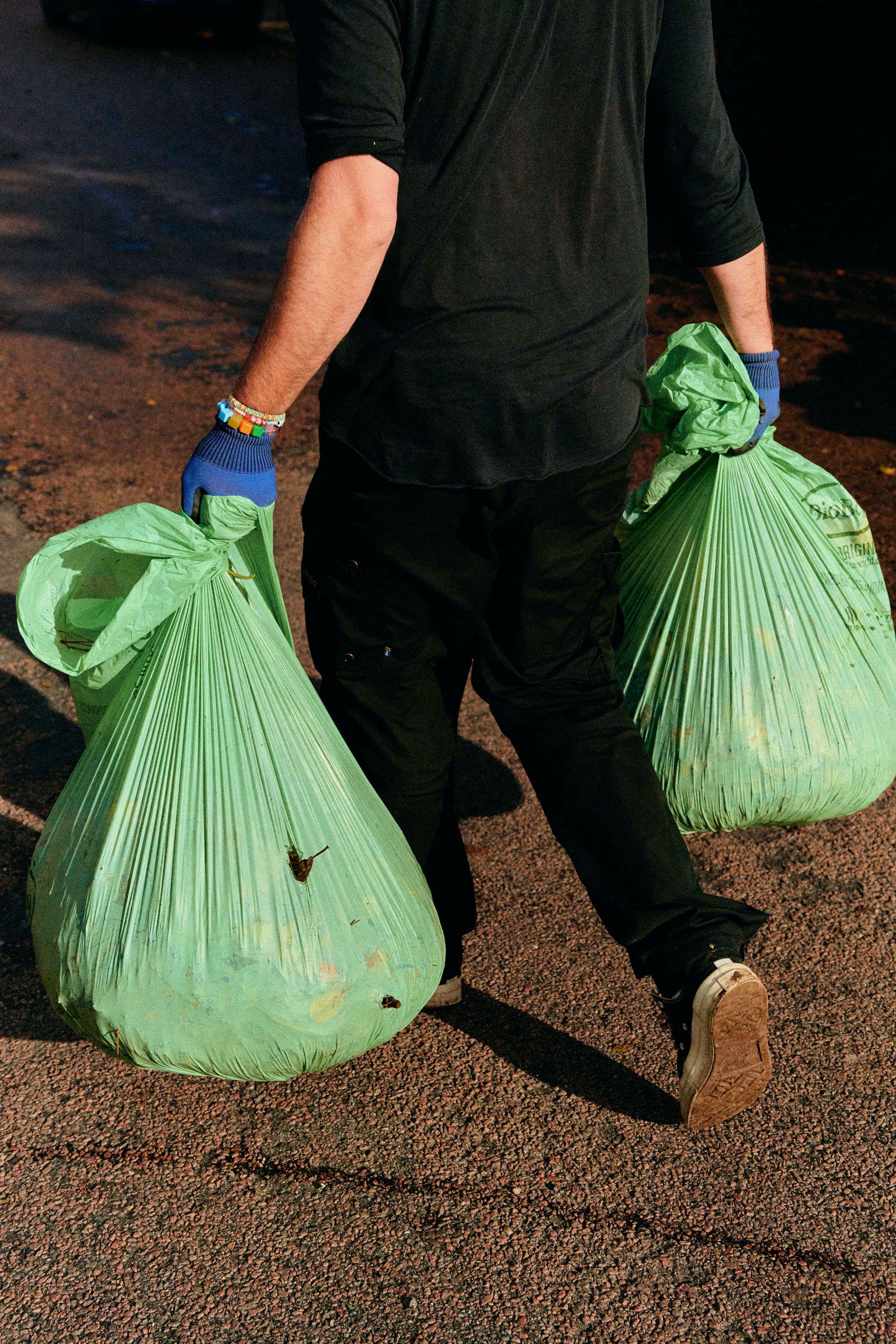
Organic waste is inevitable. Wasting its value doesn’t have to be.
Hotels, restaurants, bars, catering, cafeterias, retail stores, wholesalers, health care facilities, educational institutions and office buildings generate organic waste every day. How that waste is collected and managed determines what can happen next. Using certified compostable bags can make food waste collection and sorting easier, helping organic waste reach composting or biogas production where suitable local systems are available. This keeps valuable organic resources in use and supports the Bioeconomy.
When collected and treated correctly, organic waste can be used to produce biogas or transformed into compost that returns organic matter and nutrients to the soil. Conventional plastic contamination can reduce the quality of these biological waste streams and introduce persistent plastic fragments into the resulting compost or digestate.
Certified compostable bags are designed for biological waste collection and treatment under the conditions specified by their certification. Where they are accepted by the local waste system, they can support cleaner organic waste collection without leaving persistent microplastics behind.
Why switch to Biobags?
For commercial kitchens, food service operations, institutions, and other high capacity settings, switching to certified compostable bags is a simple step with practical impact. It can make food waste collection easier, support better waste routines and help keep valuable organic resources in use.
Prevent persistent microplastic pollution
Certified compostable bags are designed to break down together with the food waste they collect, under the conditions specified by their certification, leaving no persistent microplastics behind.
Support better waste routines
Switching to certified compostable bags is a simple and visible action that makes separate food waste collection easier.
Reduce handling and transport costs
Biobags are breathable, allowing moisture to evaporate and waste to dry, reducing total weight and transport costs.
Recover valuable resources
Collected food waste can be converted into biogas or nutrient-rich compost, creating renewable energy and healthy soil.

Improve hygiene and convenience
Compostable bags keep food waste contained and tidy, making collection cleaner and easier to manage.
Small Step. Big Impact
Changing the bag you use for food waste is a small step that can improve collection routines and help keep valuable organic resources in use.
.png)
“Equipping our buckets, Toters and cans with Biobags allows us to offer the cleanest service possible while mitigating cleaning. Compostable bags allow us to collect, spot clean and keep it moving.”
Compostable bin liners and bags for commercia kitchens, hospitality, healthcare, retail, grocery, offices, and others in waste management.
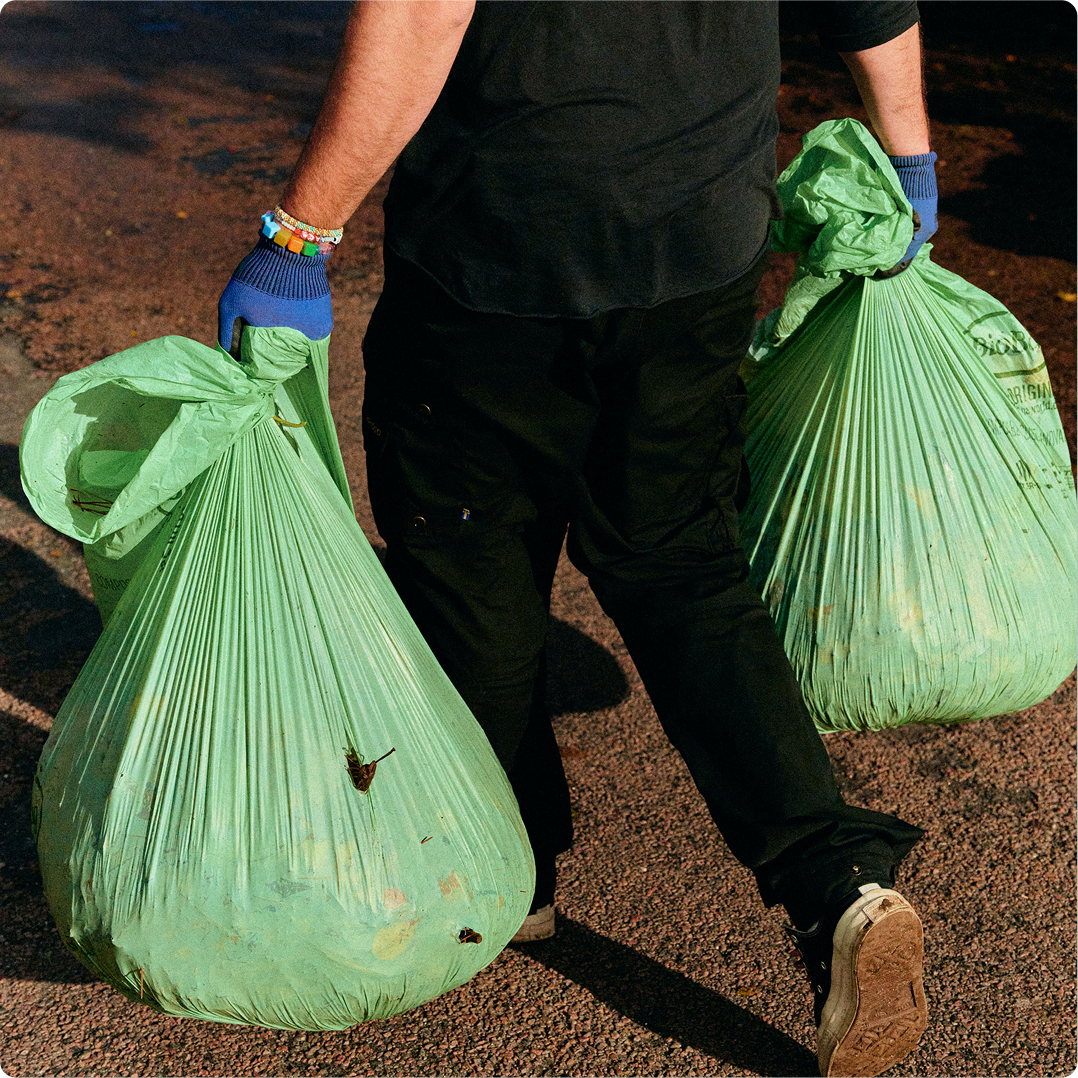
Compostable Container Liners
Biobag’s container liners are certified compostable waste bags designed to line larger containers and bins. They help keep containers clean and easy to manage.
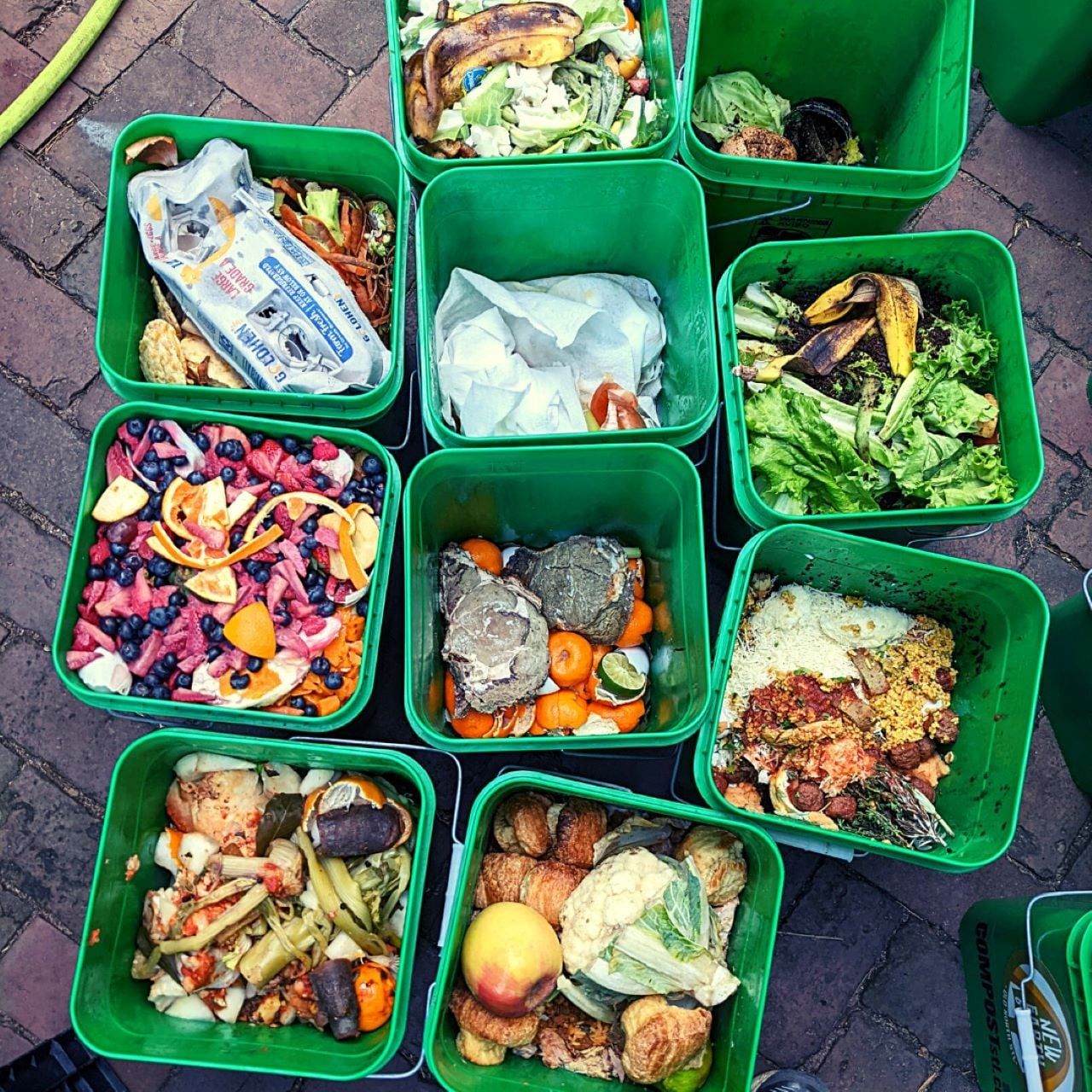
Food scrap collection buckets
Biobag’s buckets, bins and bag dispensers are designed to support convenient food waste collection in homes, kitchens, and other professional environments.

Dog Waste Bags & Park Dispensers
Biobag pet waste bags and dispensers support cleaner outdoor spaces and responsible waste handling.
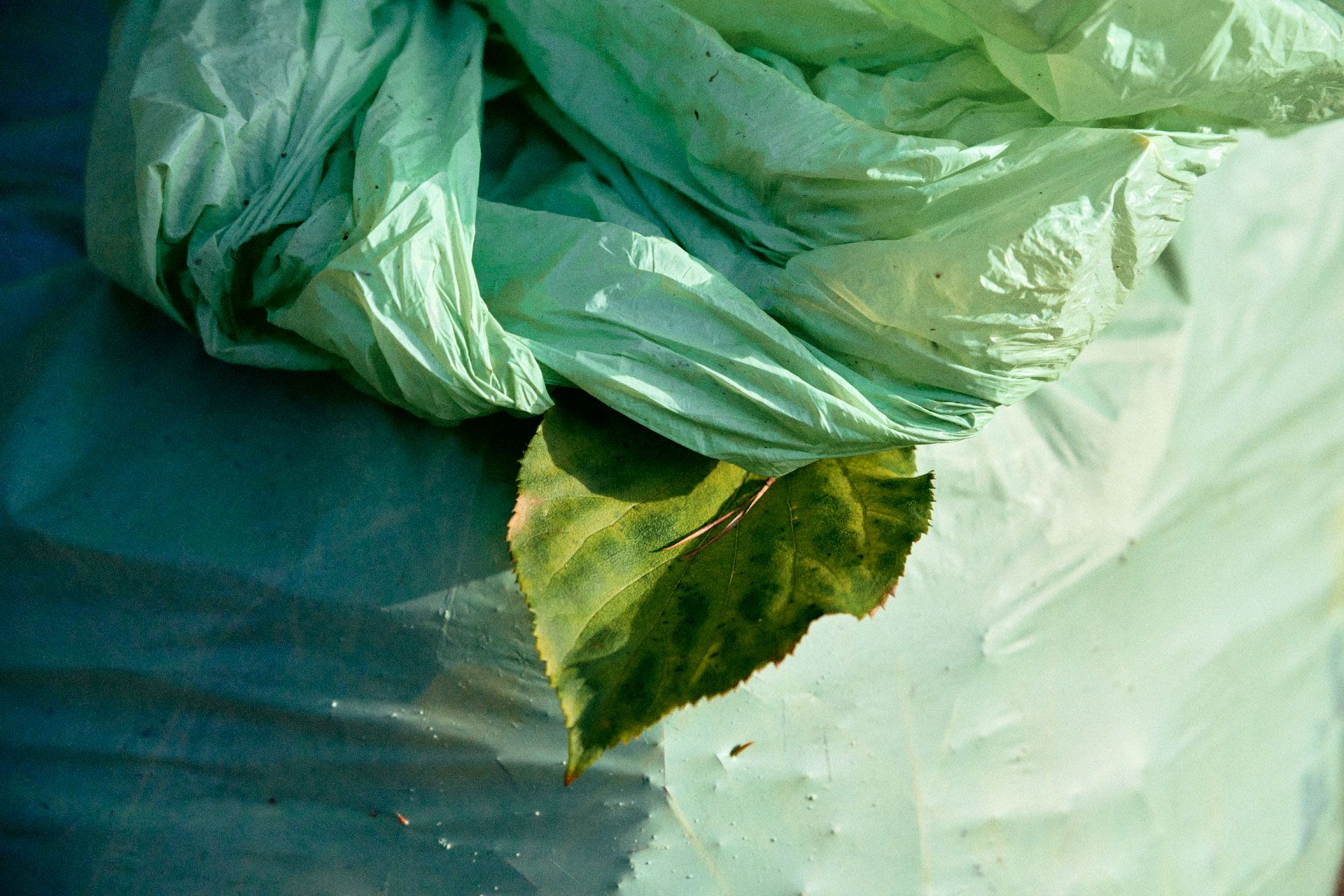
Compostable Lawn & Leaf bags
Ideally used for the collection of lawn, grass, and other yard waste for municipal and community composting.
Biobag’s certified compostable solutions for professional, high-volume use.


Still Have Questions? We've Got Answers.
Whether you're just getting started or already using Biobag, find practical information about composting, certifications, materials, and how to get the most out of our products.
Stories, tools, and ideas to help you make an impact.
Discover inspiring stories, expert advice, and practical tools to help you make informed choices, from improving composting routines to supporting the circular economy. Our articles show where compostable solutions can make sense and how to build better habits at home, at work, or across entire communities.
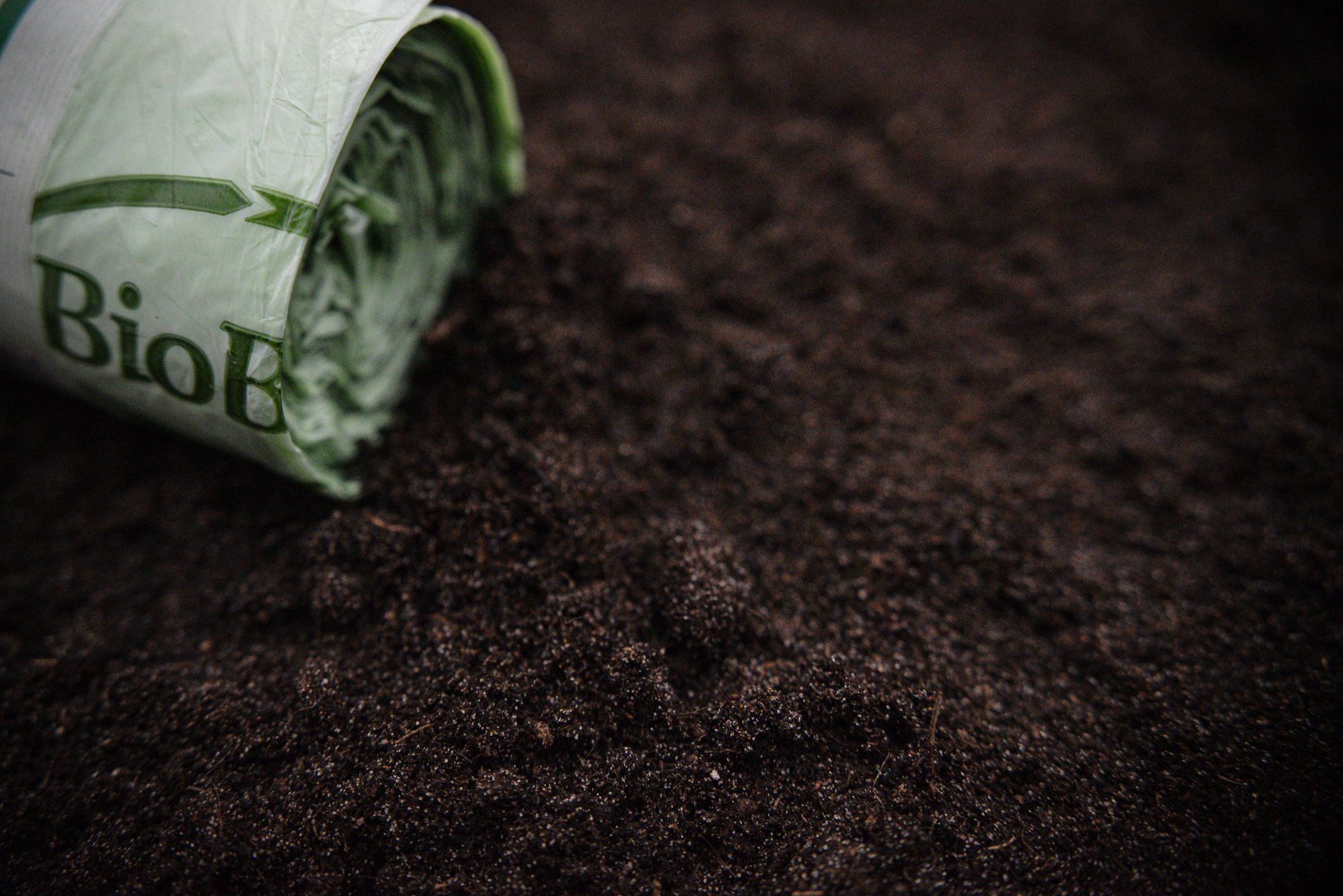
Soil Alert
An estimated 60–70% of soils in the EU are unhealthy. Yet healthy soil is essential for producing food, supporting biodiversity and keeping natural cycles working.
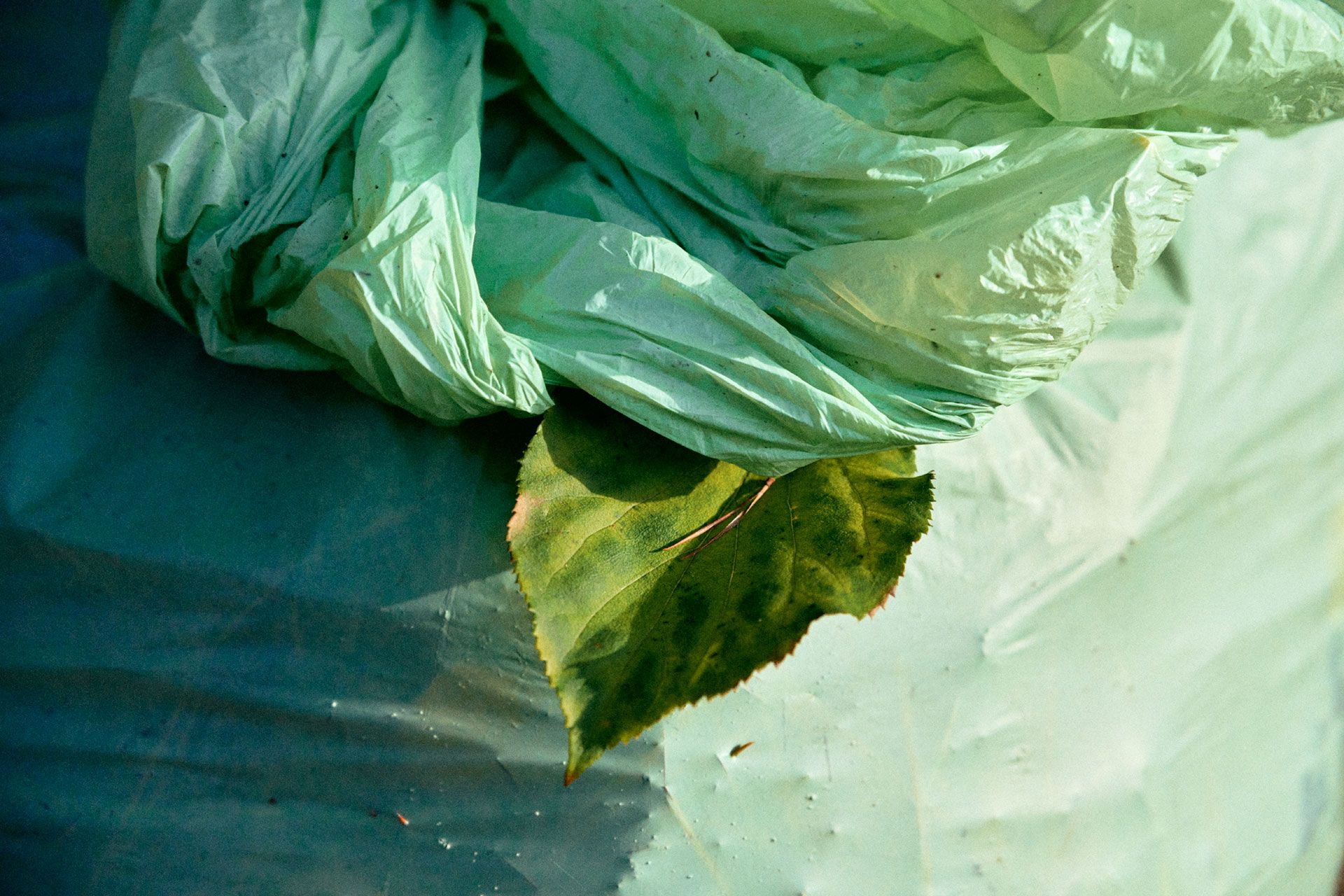
Nine reasons to choose Biobags
Organic waste and left-over foods make up more than 44% of global waste each year, adding up to almost 1 billion tons.
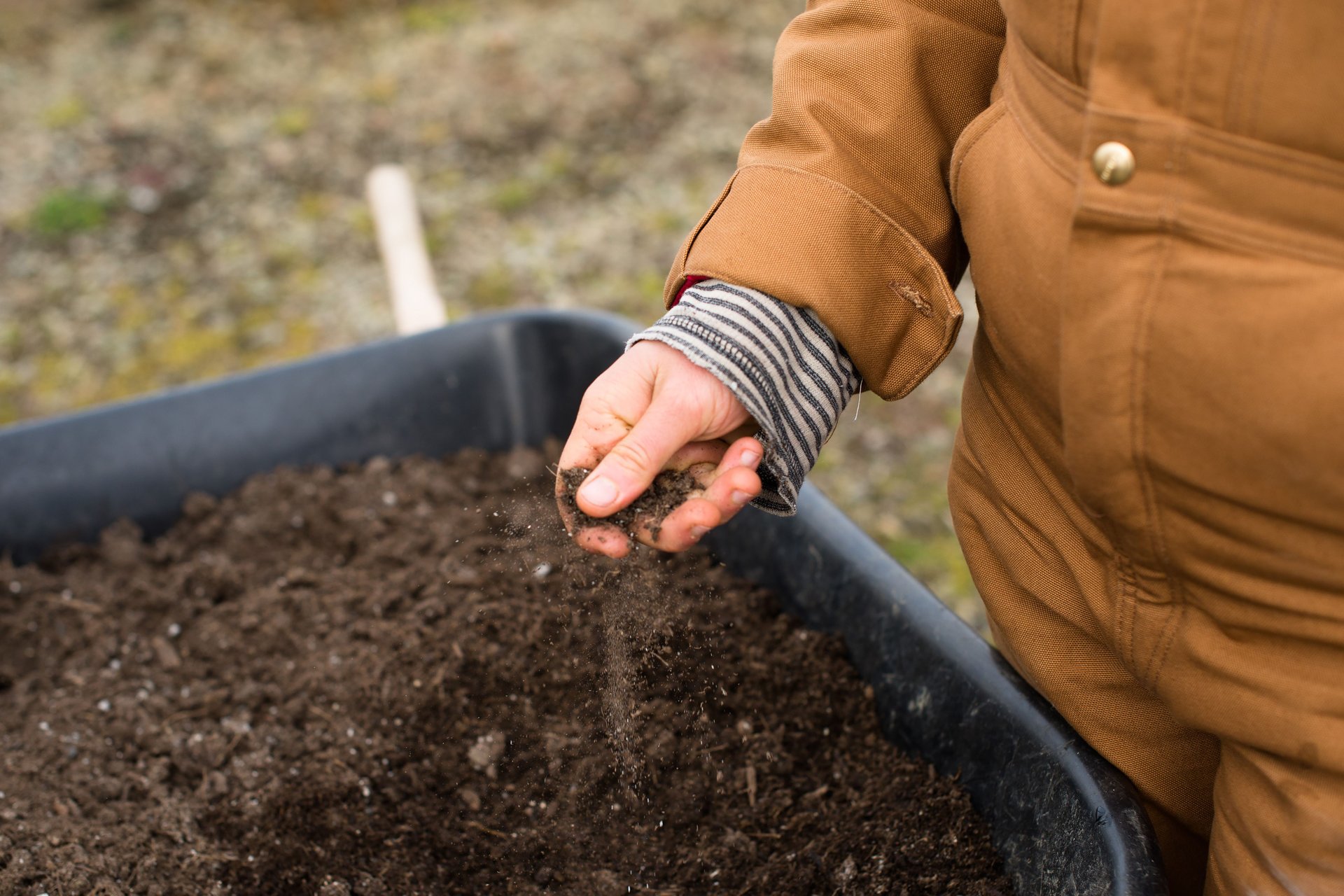
The importance of good soil health
Healthy soil is the foundation of agriculture. It supports crops, stores and filters water, cycles nutrients and provides a home for an extraordinary range of organisms.