Everyone & Everywhere
Better food waste habits start at home. Certified compostable bags make food scraps easier to collect and help organic waste reach composting or biogas production, where it can be transformed into valuable compost or renewable energy.
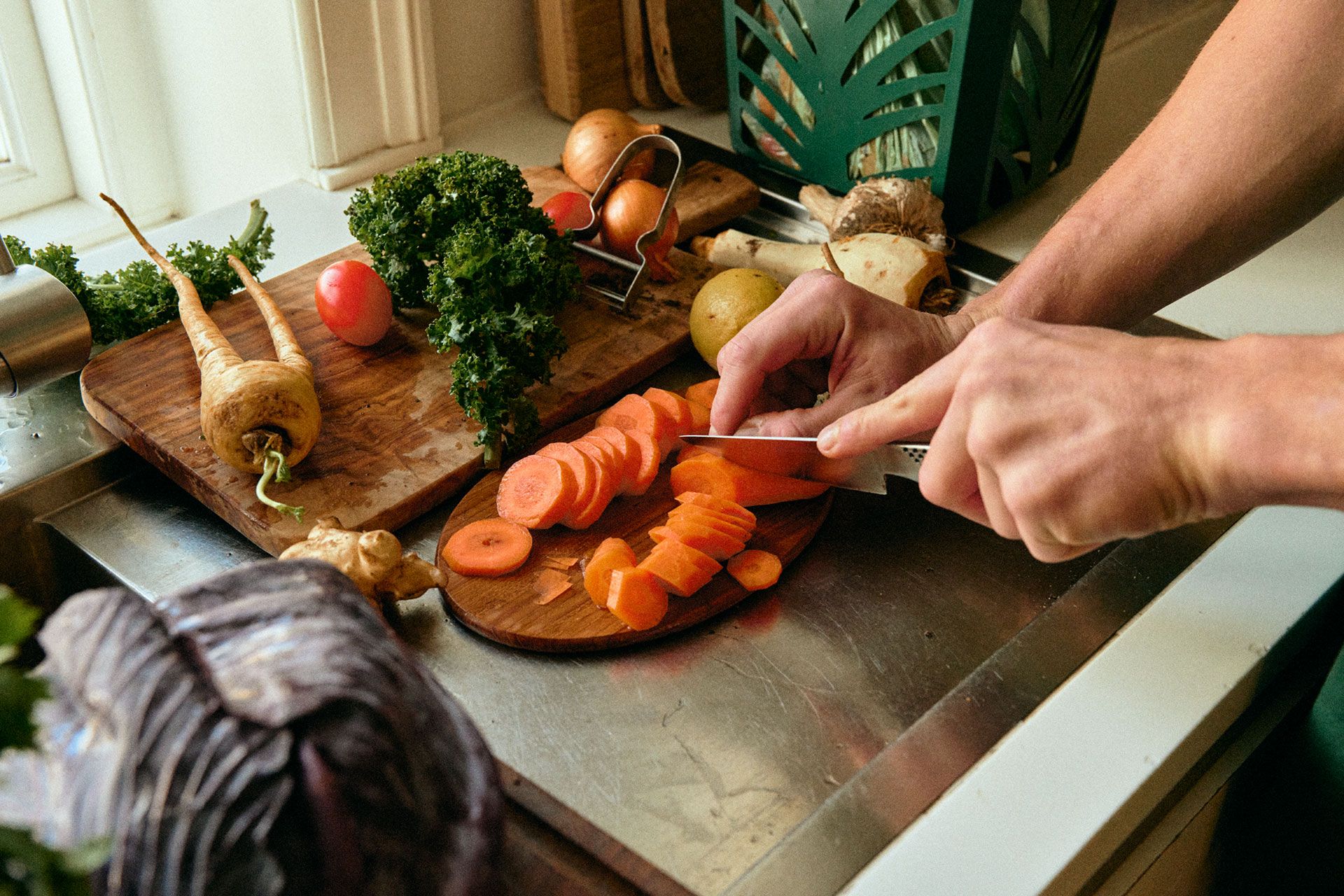
Why use a compostable bag at home?
Food and green waste account for almost one billion tons of municipal waste worldwide each year. Separating food scraps from trash or other landfill-bound waste allows them to be recovered through composting or biogas production, converting waste into valuable compost and renewable energy.
Make sorting simple
Compostable bags make collecting food scraps and organic waste easy, clean and hygienic.
Leave no persistent microplastics
Certified compostable bags biodegrade under the conditions specified by their certification without leaving persistent microplastics behind.
Divert as much as you can
Replace the conventional plastic items you use with compostable alternatives where possible and where composting is available. Otherwise, try to start composting in your backyard or community garden.

Reuse with purpose
Reuse suitable compostable shopping bags and produce bags at home to collect food waste, giving each bag a useful second purpose.

Lead by example
Your actions can inspire family, friends, and neighbors to start sorting and switching to compostables too. Positive change spreads quickly.
Small Change. Big Impact.
Sorting food waste helps it reach composting or biogas production, keeping valuable organic resources in use.
Small changes made by many people, everywhere, make a big difference.
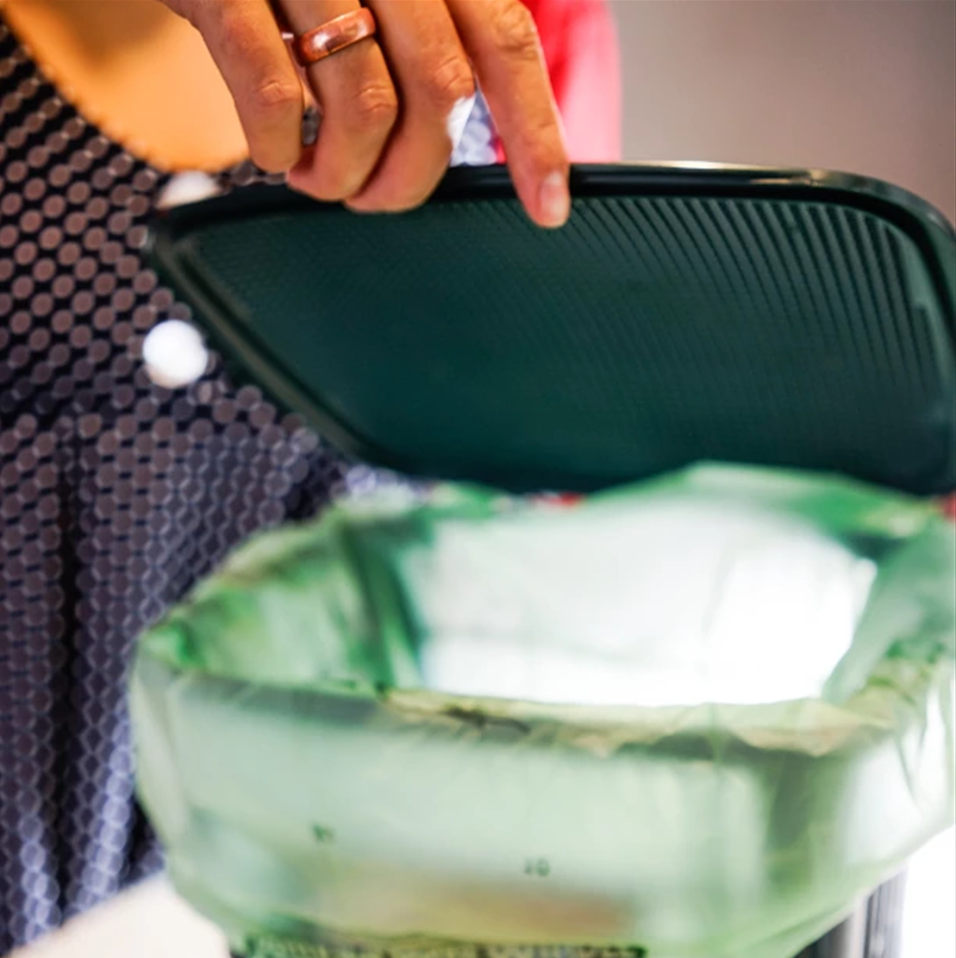
How to use compostable bags at home?
In the kitchen, Biobags are ideal for collecting food scraps, coffee grounds and other organic waste, helping keep your kitchen clean and making sorting simple. For garden waste, they make it easy to gather leaves, grass clippings and small branches for suitable composting or municipal collection. Biobag shopping bags and produce bags can also be reused at home for collecting organic waste, giving them a useful second purpose.
For the best experience, change your bag every two to three days to prevent moisture building up. Store unused bags in a cool, dry and dark place. Biobags generally have a shelf life of 12 to 18 months from production, depending on the product and storage conditions. Always check the certification and follow your local collection guidance.
Compostable solutions for everyday life


Compostable products for everyday use, making it easier to sort waste at home and outdoors.
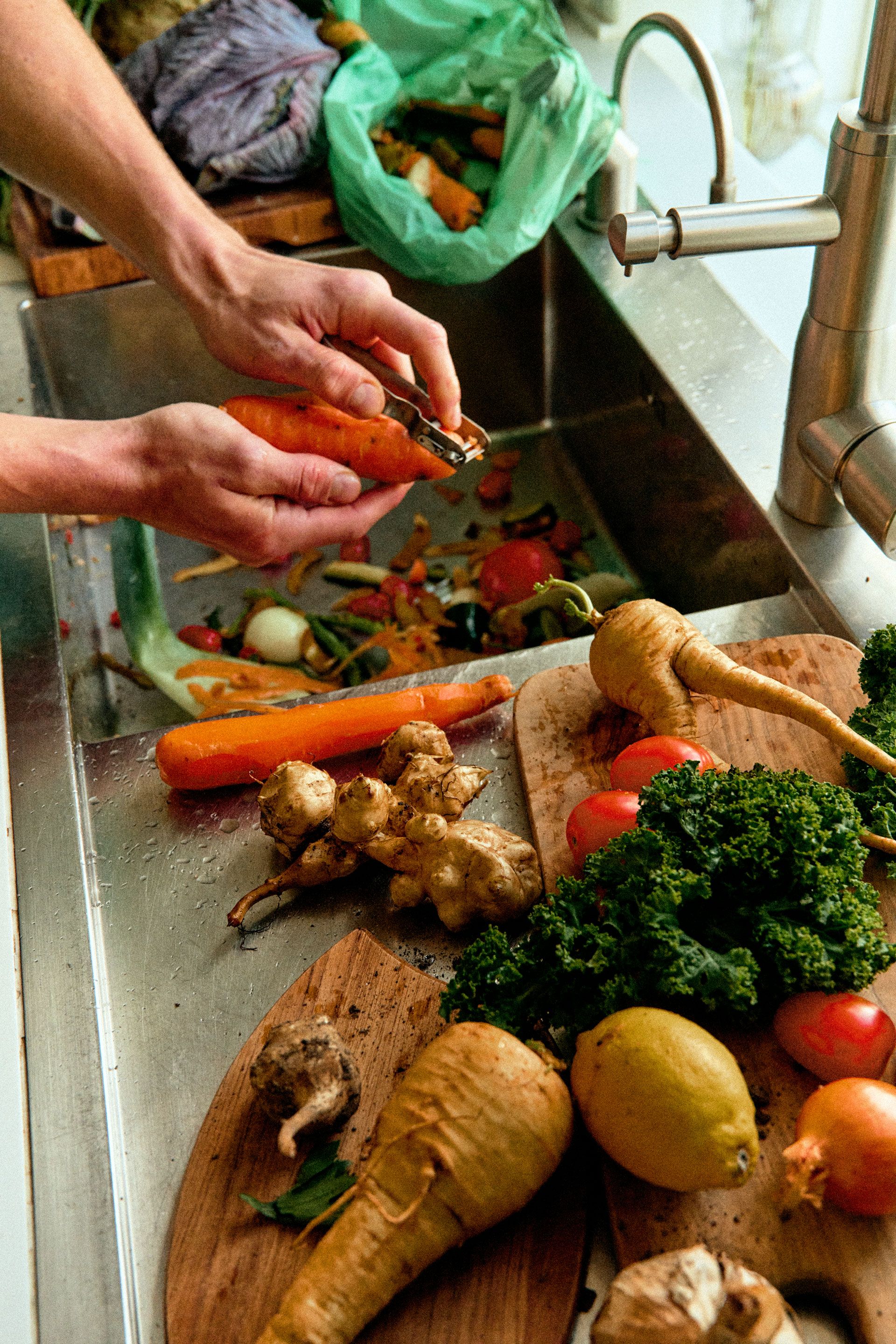
Household Food Scrap bags
Biobag’s small food scrap liners are certified compostable waste bags designed for organic waste in kitchens and small food waste bins.
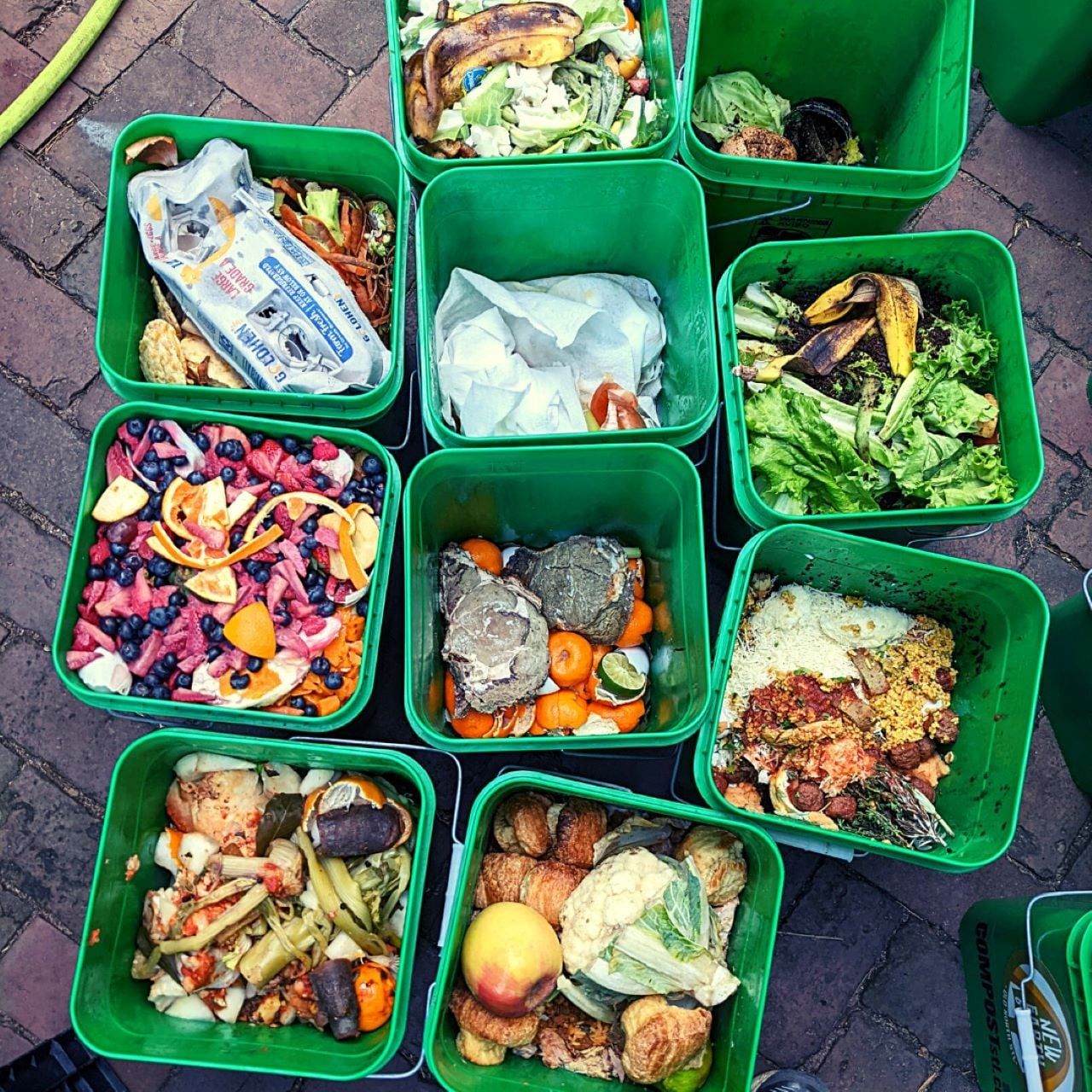
Food scrap collection buckets
Biobag’s buckets, bins and bag dispensers are designed to support convenient food waste collection in homes, kitchens, and other professional environments.
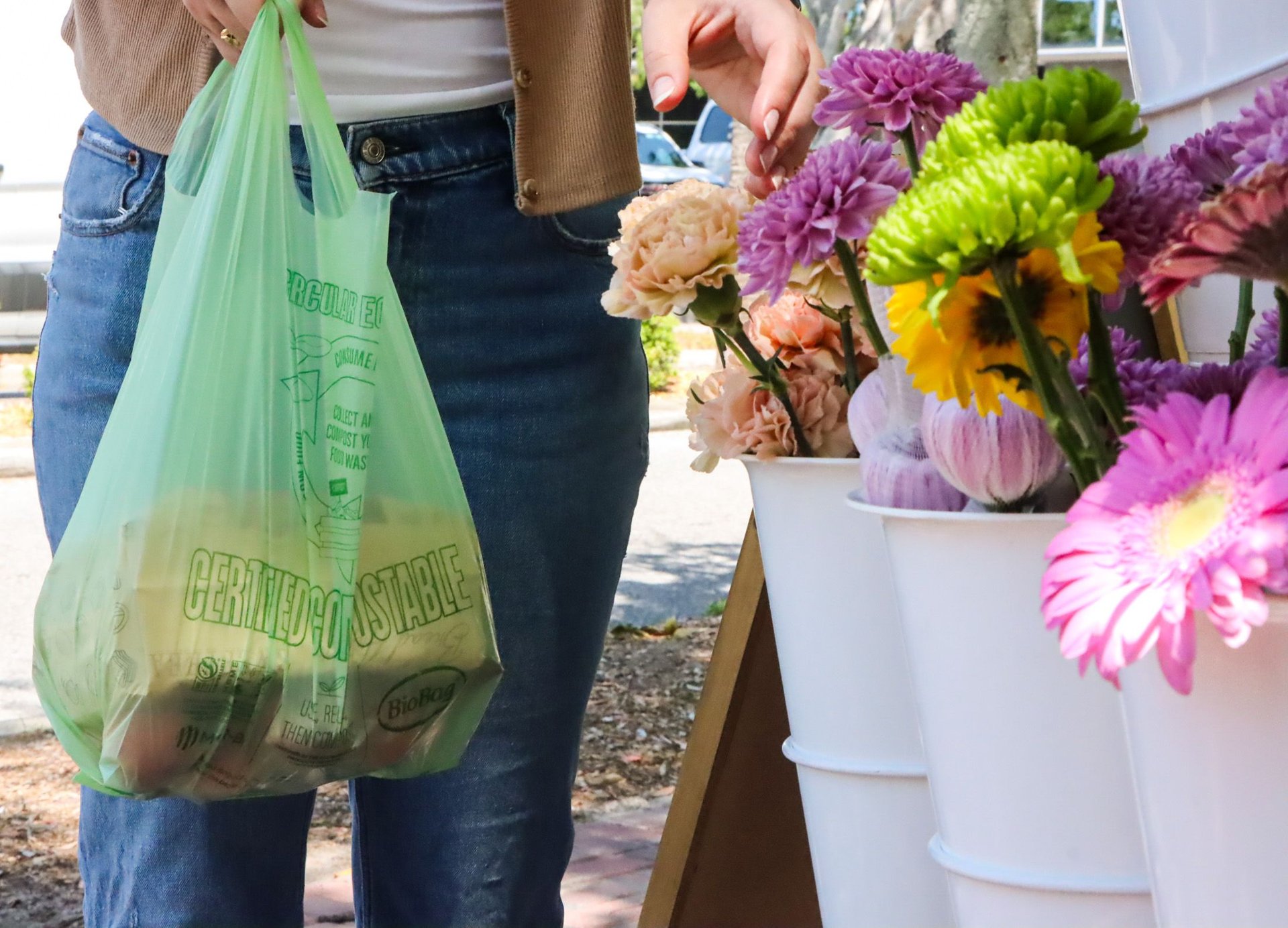
Shopping, Produce Bags & Dispenser
Biobag offers certified compostable shopping bags and produce bags, along with bag dispensers designed for farmers markets, retail and grocery stores.
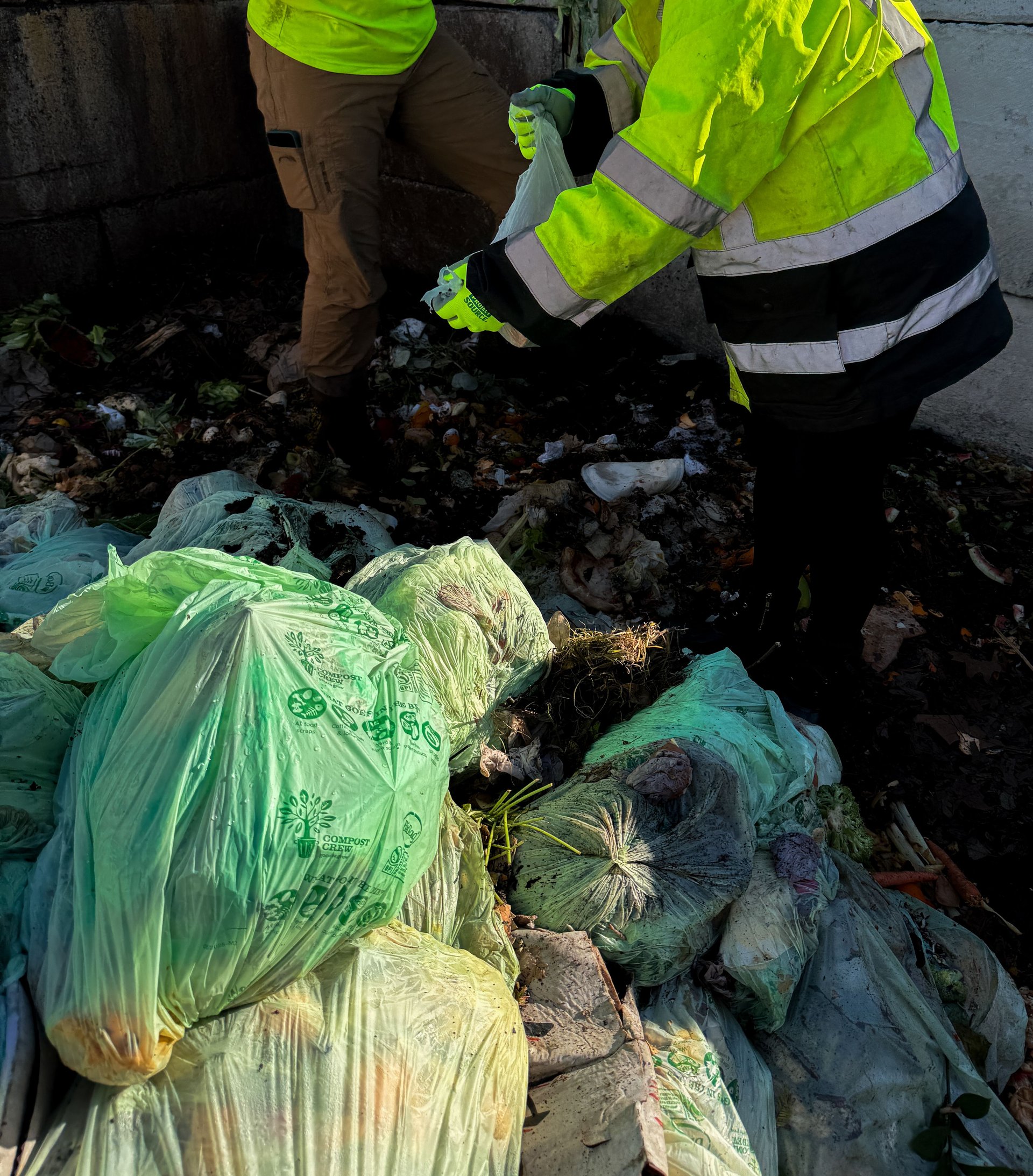
Compostable Container Liners
Biobag’s container liners are certified compostable waste bags designed to line larger containers and bins. They help keep containers clean and easy to manage.
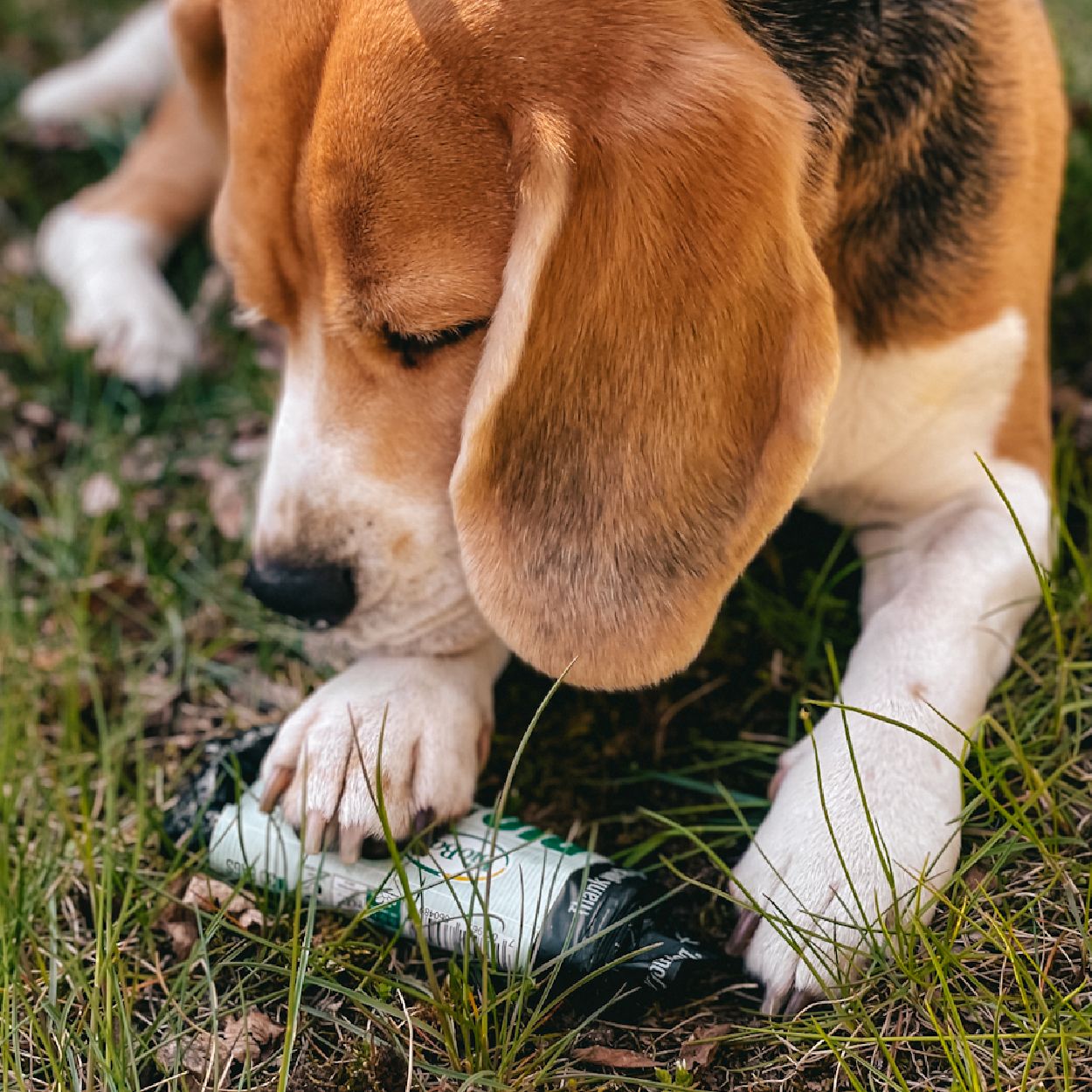
Pet Waste Bags
Biobag dog waste bags and dispensers support cleaner outdoor spaces and responsible waste handling.
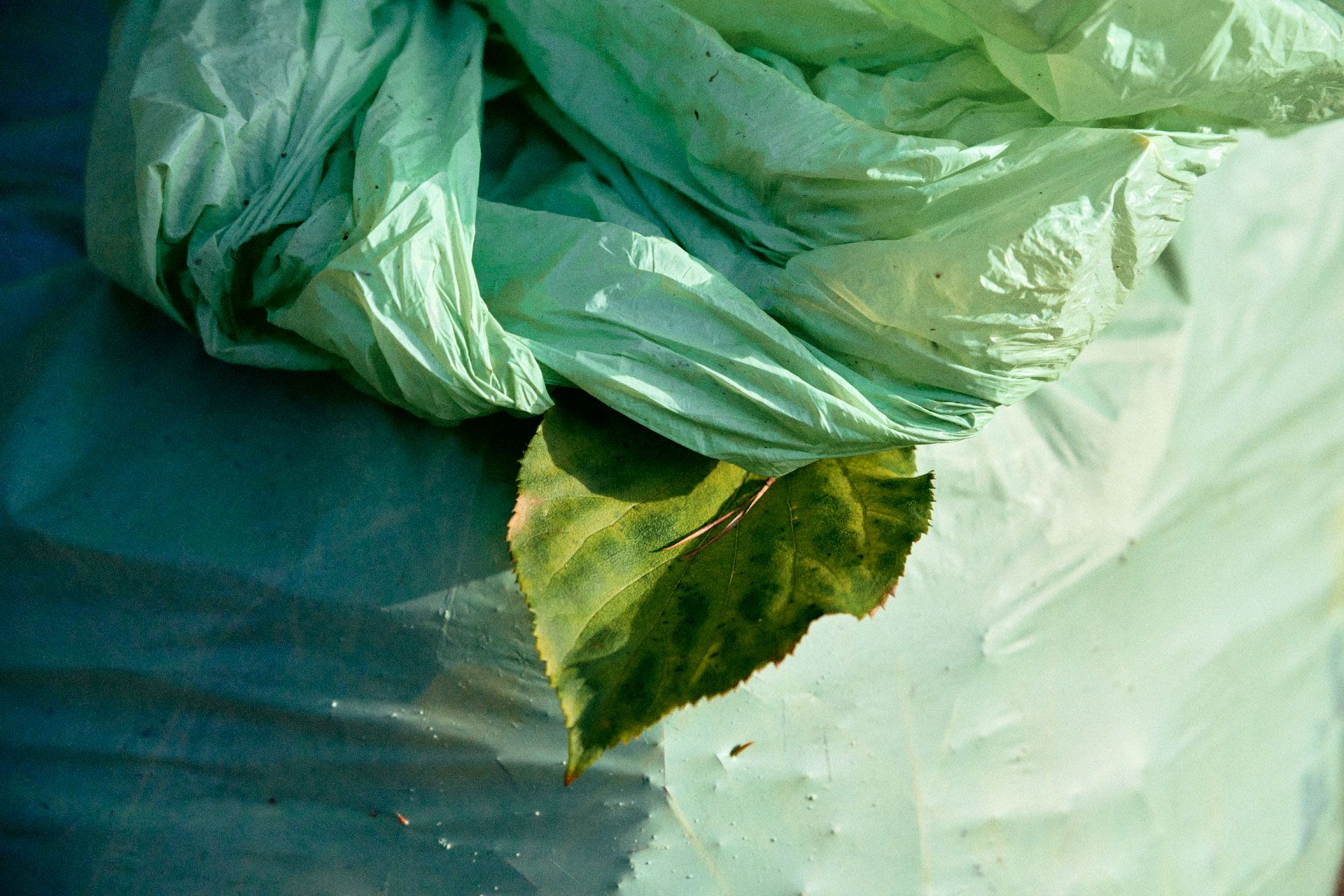
Compostable Lawn & Leaf bags
Ideally used for the collection of lawn, grass, and other yard waste for municipal and community composting.
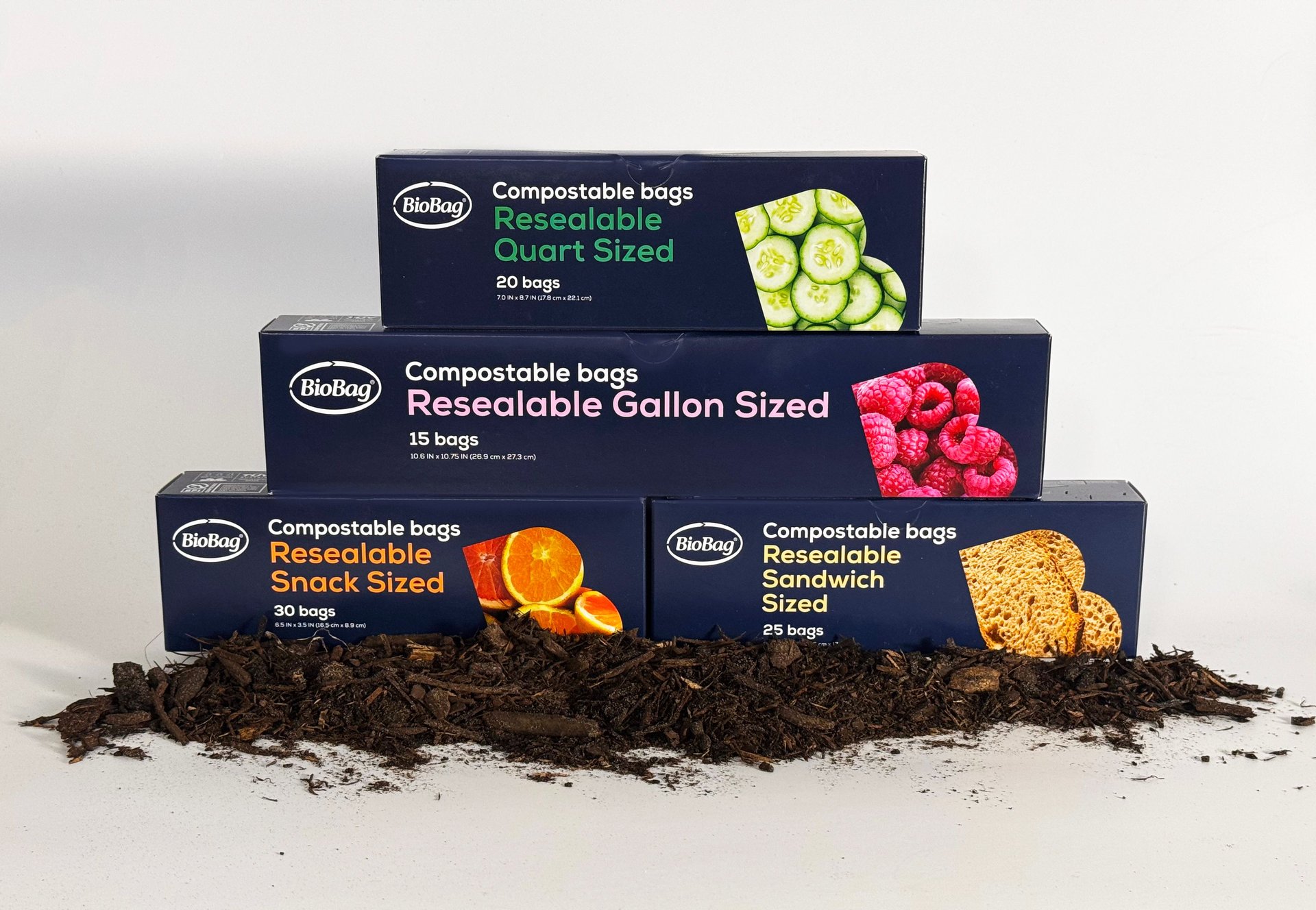
Resealable Bags
Biobag’s compostable resealable bags are an easy way to reduce your personal conventional plastic consumption.
Still Have Questions? We've Got Answers.
Whether you're just getting started or already using Biobag, find practical information about composting, certifications, materials, and how to get the most out of our products.
Stories, tools, and ideas to help you make an impact.
Discover inspiring stories, expert advice, and practical tools to help you make informed choices, from improving composting routines to supporting the circular economy. Our articles show where compostable solutions can make sense and how to build better habits at home, at work, or across entire communities.
A side order of microplastics, anyone?
Since its invention, humankind has produced an estimated 9.2 billion tonnes of plastic. Around 7 billion tonnes of it has already become waste.
Nine reasons to choose Biobags
Organic waste and left-over foods make up more than 44% of global waste each year, adding up to almost 1 billion tons.
The importance of good soil health
Healthy soil is the foundation of agriculture. It supports crops, stores and filters water, cycles nutrients and provides a home for an extraordinary range of organisms.