ArticleSustainability & ImpactEveryone & Everywhere

A side order of microplastics, anyone?

Written by The Biobag Team
biobag
Stay Inspired, Stay Connected!

Join the Biobag community and get practical tips, real stories, and updates on how compostable choices are making a difference - in homes, cities, and businesses.

Get in touch
biobag

Since its invention, humankind has produced an estimated 9.2 billion tonnes of plastic. Around 7 billion tonnes of it has already become waste.

Plastic has become part of almost every area of modern life. It is versatile, durable and often inexpensive to produce. But those same qualities create a problem when plastic becomes waste.

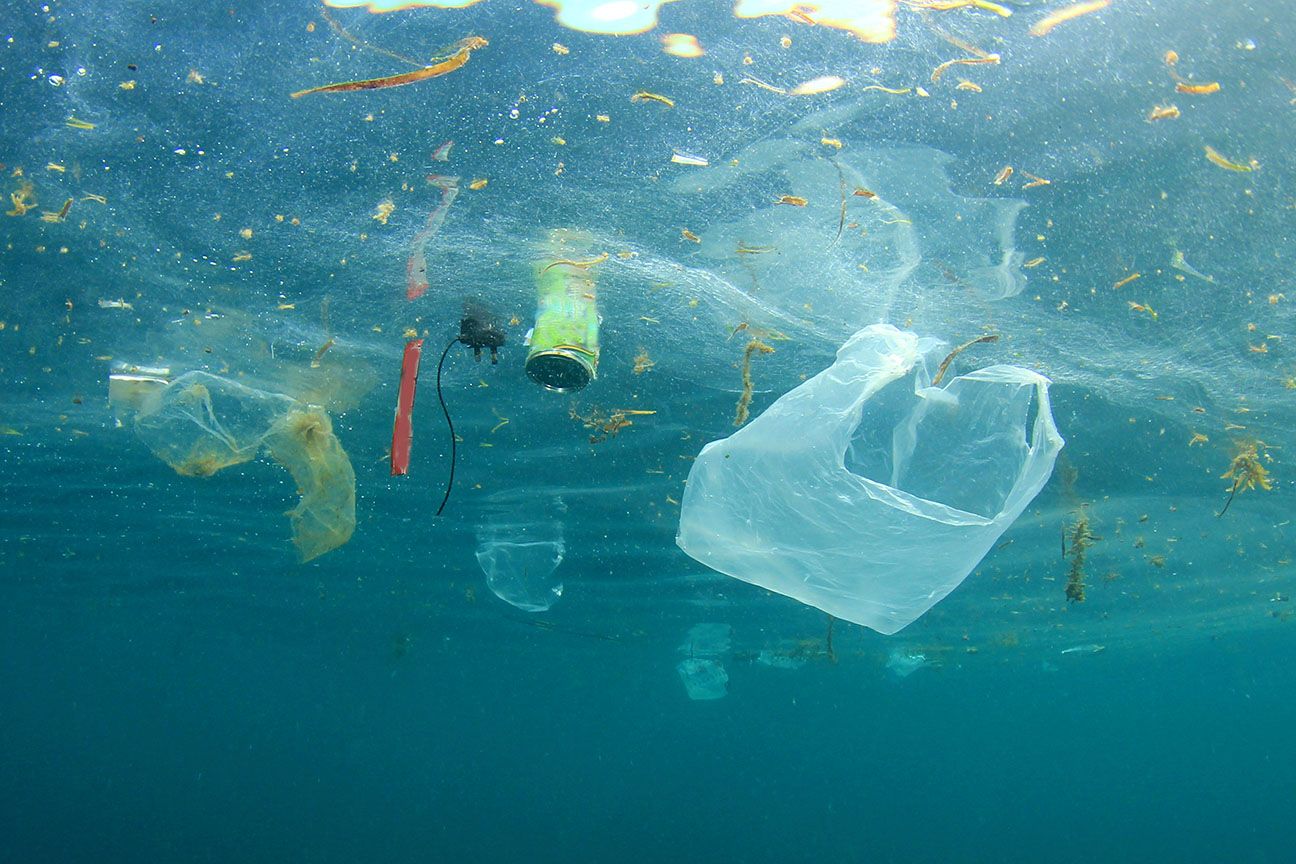
Many conventional plastics do not readily biodegrade. Instead, they can gradually fragment into smaller and smaller particles, including microplastics. These particles have now been detected throughout the environment, including in water, soil and air. According to the United Nations Environment Programme, approximately 9.2 billion tonnes of plastic have been produced since the 1950s, of which around 7 billion tonnes have become waste.

Microplastics are difficult to avoid

People can be exposed to microplastics through food, water and the air we breathe. Indoors, synthetic textiles, furniture, carpets and other materials can release small plastic fibres that become part of household dust. Researchers have also detected microplastics in different parts of the human body. However, research into what this exposure means for human health is still developing. The World Health Organization has identified important gaps in the available evidence and the need for further research.

We encounter microplastics through food, water and air. What these exposures mean for our health is still being studied.

Plastic is valuable. Plastic pollution is not.

Plastic performs important functions in everything from food protection to healthcare. The problem is not solved by treating every plastic product in the same way. Different applications require different approaches.

Reducing unnecessary plastic use, reusing products and improving collection and recycling are all essential. But globally, only a limited share of plastic waste is currently recycled. This means that better materials, better product design and better waste systems must also form part of the solution.

Human behaviour plays an important role. A waste system can be carefully designed, but it will only work if people understand it and can use it correctly in everyday life.
biobag

Where compostable products can make sense

Certified compostable products are not intended to replace conventional plastic in every application. Their role is most relevant in situations where a product is used together with organic waste and can enter a compatible collection and treatment system.

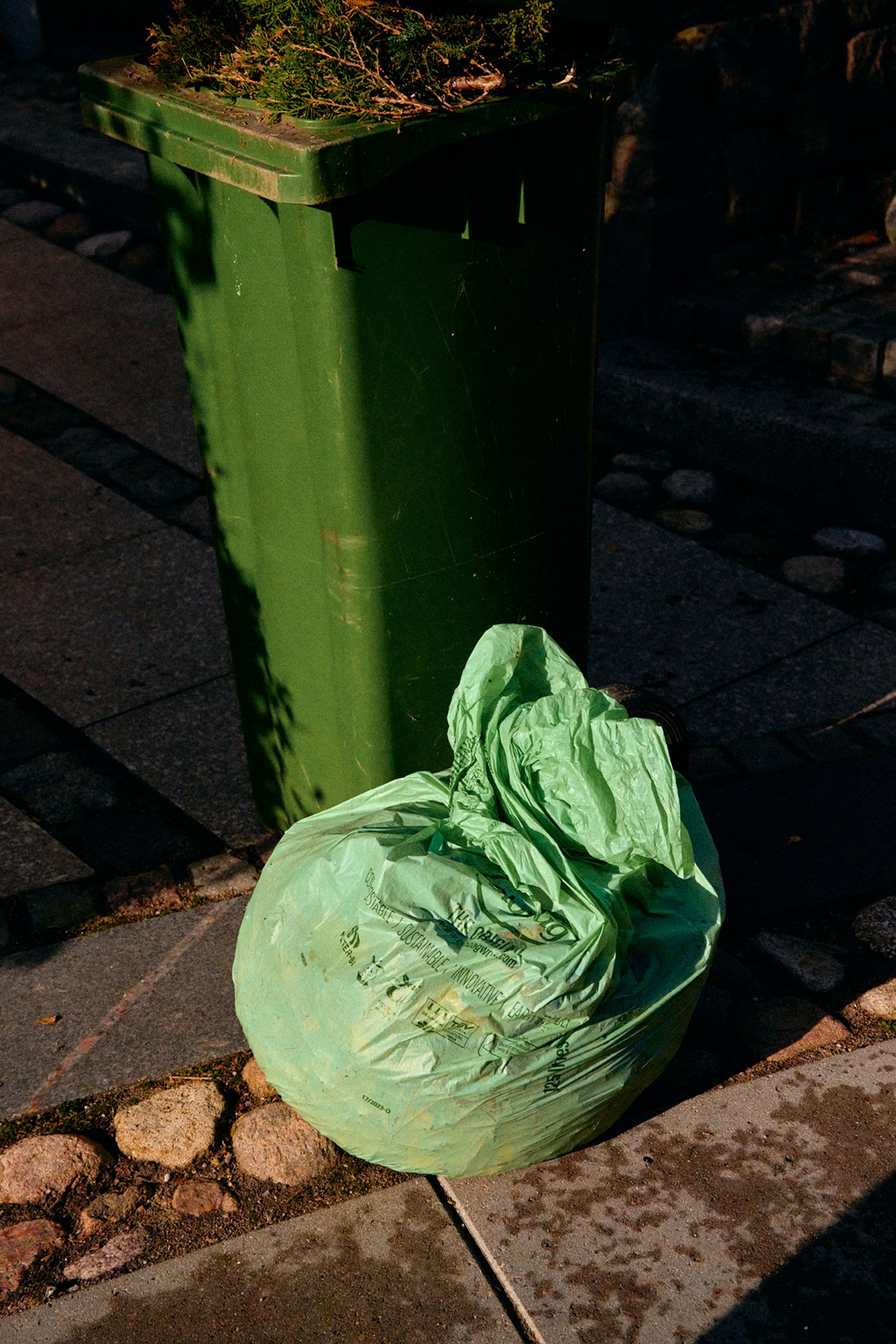
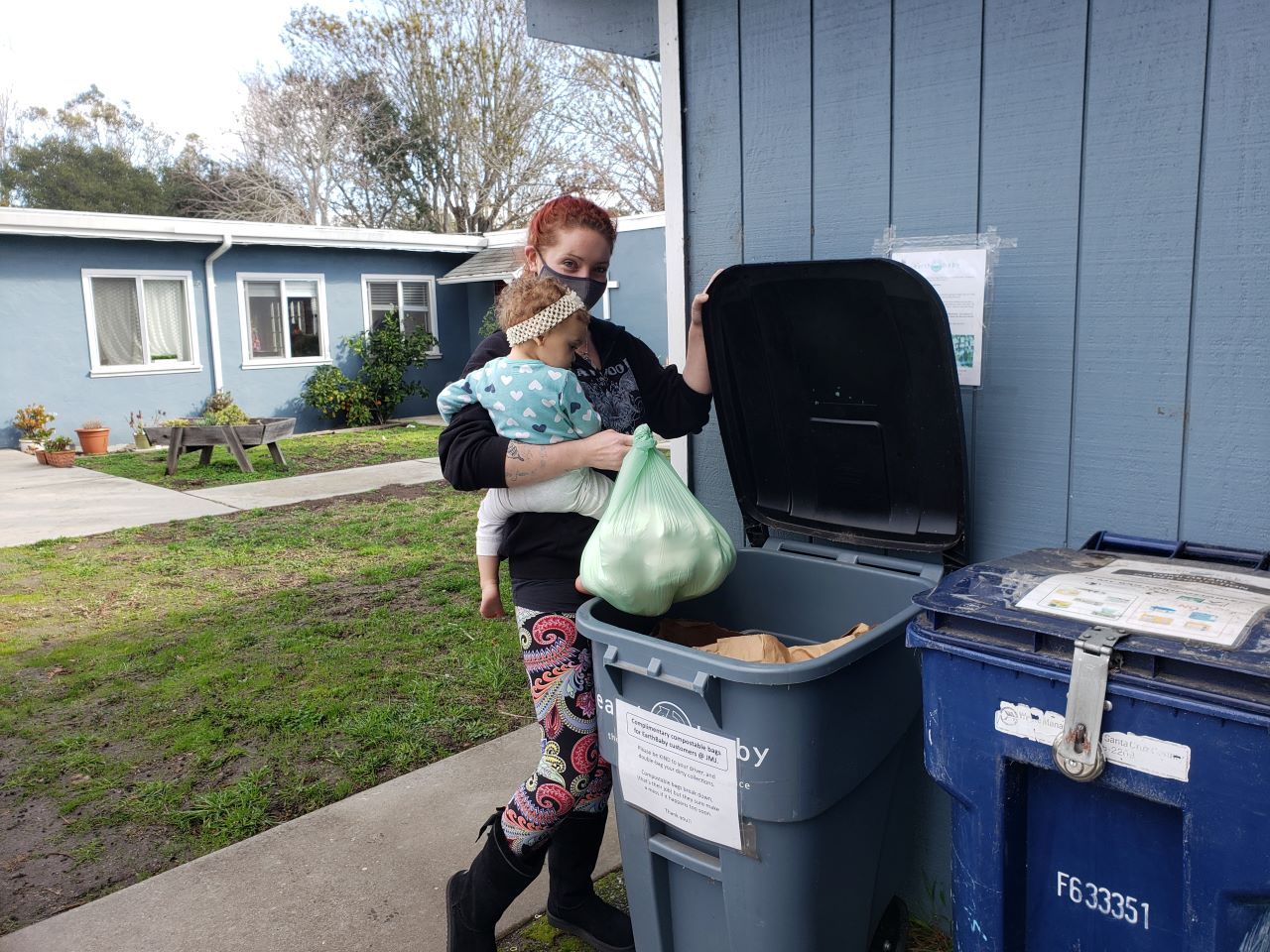
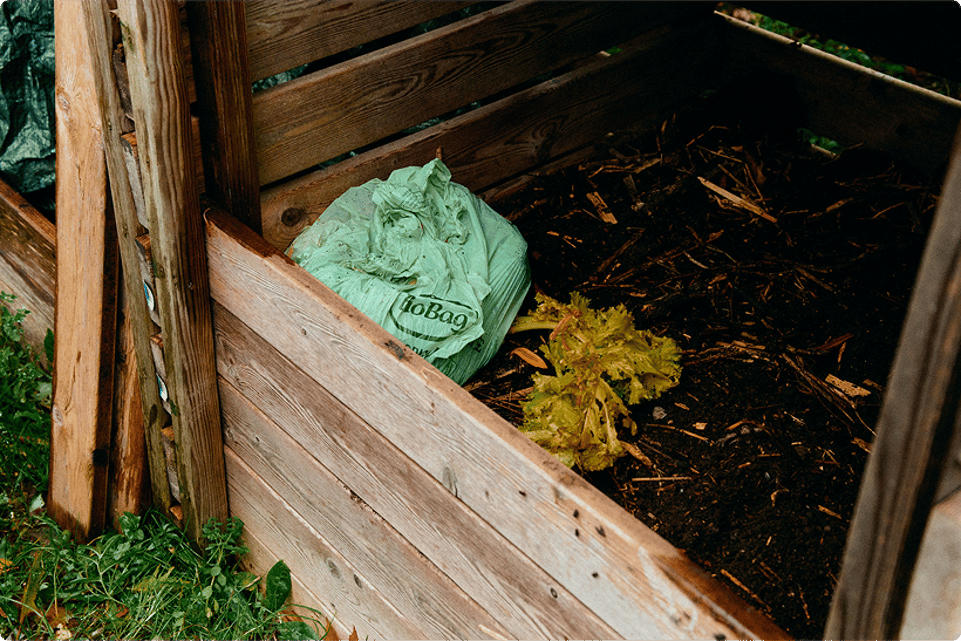
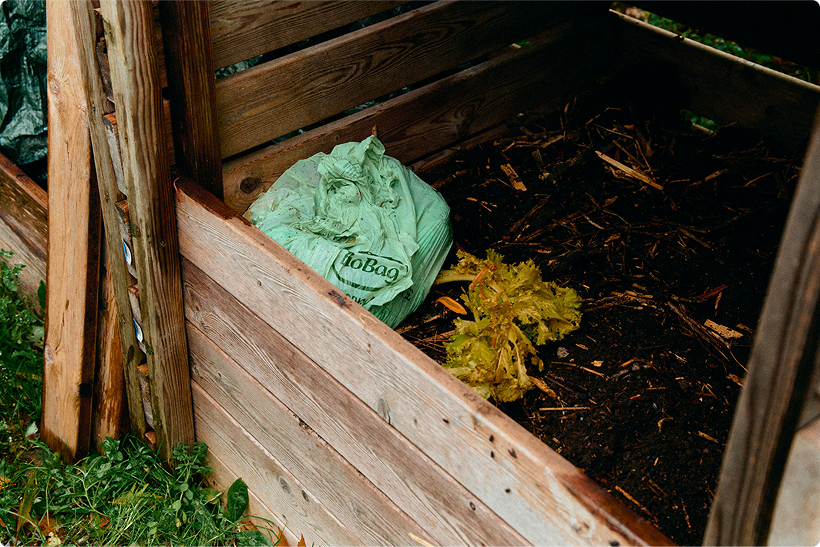
Certified compostable bags can make food-waste collection cleaner and easier. Where they are accepted and effectively treated within the local organic-waste system, they can also help reduce the risk of persistent conventional plastic fragments entering compost or digestate.

The certification marking on each product explains the composting environment for which it has been assessed. Depending on the product, this may be industrial composting or home composting.

Compostable does not mean that a product can be left in nature. Biobag products must still be collected, sorted and treated correctly. No bag should ever be littered, whether it is conventional or compostable.

Designed to work with everyday habits

At Biobag, we believe that meaningful change becomes more achievable when it fits into everyday life. Collecting food waste is already part of the daily routine in many homes and businesses. Using a certified compostable bag can make that routine simpler without requiring people to change everything they do.

It is a small adjustment within an existing habit, designed to support cleaner organic-waste collection and keep persistent conventional plastic out of biological waste streams.

There is no single material that can solve plastic pollution. The way forward is to use less where possible, reuse and recycle wherever appropriate, and choose certified compostable products for applications where compostability provides a clear function. It is about choosing the right product for the right purpose and making sure it reaches the system it was designed for.
Share this article:
Join Us in Making a Difference

Explore the issue of microplastics infiltrating our food chain. Learn about the concerning reality of plastic contamination in everyday meals.

Explore our products
Biobag Inspiration

Stories, tools, and ideas to help you make an impact.

Discover inspiring stories, expert advice, and practical tools to help you make sustainable choices, from composting smarter to supporting the circular economy. Our articles show where compostable solutions can make sense and how to build better habits at home, at work, or across entire communities.

Community Hero September 2026: Adirondack Worm Farm

Welcome to Biobag's Community Heroes series!

Composting & Soil HealthCommunity HeroesSustainability & ImpactEveryone & EverywhereCommercial Business & InstitutionsFarmers & AgricultureArticle

Community Hero August 2026: Compost Junction

Welcome to Biobag's Community Heroes series!

Composting & Soil HealthCommunity HeroesSustainability & ImpactEveryone & EverywhereCommercial Business & InstitutionsFarmers & AgricultureArticle

Community Hero July 2026: Hillside Solutions

Welcome to Biobag's Community Heroes series!

Composting & Soil HealthCommunity HeroesSustainability & ImpactEveryone & EverywhereCommercial Business & InstitutionsFarmers & AgricultureArticle

Community Hero June 2026: Compost Collective KC

Welcome to Biobag's Community Heroes series!

Composting & Soil HealthCommunity HeroesSustainability & ImpactEveryone & EverywhereCommercial Business & InstitutionsFarmers & AgricultureArticle

Community Hero November 2025: Cultivate Food Rescue

Welcome to Biobag's Community Heroes series!

Sustainability & ImpactCommunity HeroesCommercial Business & InstitutionsEveryone & EverywhereFood Service & HospitalityArticle

Community Hero October 2025: Hoop Compost

Welcome to Biobag's Community Heroes series!

Sustainability & ImpactProduct & Material InnovationCommunity HeroesCommercial Business & InstitutionsEveryone & EverywhereArticle

Biobag is part of Novamont Group, which is proud to be a Certified B Corp™

We are proud to share an important milestone: Biobag Group has been assessed as part of Novamont Group’s B Corp Certification.

Sustainability & ImpactEveryone & EverywhereArticle

Organic waste: an environmental threat or the best solution ever?

Organic waste is natural. But the amount we generate and what happens to it after disposal can create a serious environmental challenge.

Composting & Soil HealthSustainability & ImpactEveryone & EverywhereMunicipalitiesFood Service & HospitalityArticle

Nine reasons to choose Biobags

Organic waste and left-over foods make up more than 44% of global waste each year, adding up to almost 1 billion tons.

Sustainability & ImpactComposting & Soil HealthEveryone & EverywhereCommercial Business & InstitutionsMunicipalitiesRetailersArticle

Community Hero July 2023: Four Hands for Healing Light

Welcome to Biobag's Community Heroes series!

Sustainability & ImpactCommunity HeroesEveryone & EverywhereFarmers & AgricultureArticle

Community Hero May 2023: GA College Composting

Welcome to Biobag's Community Heroes series!

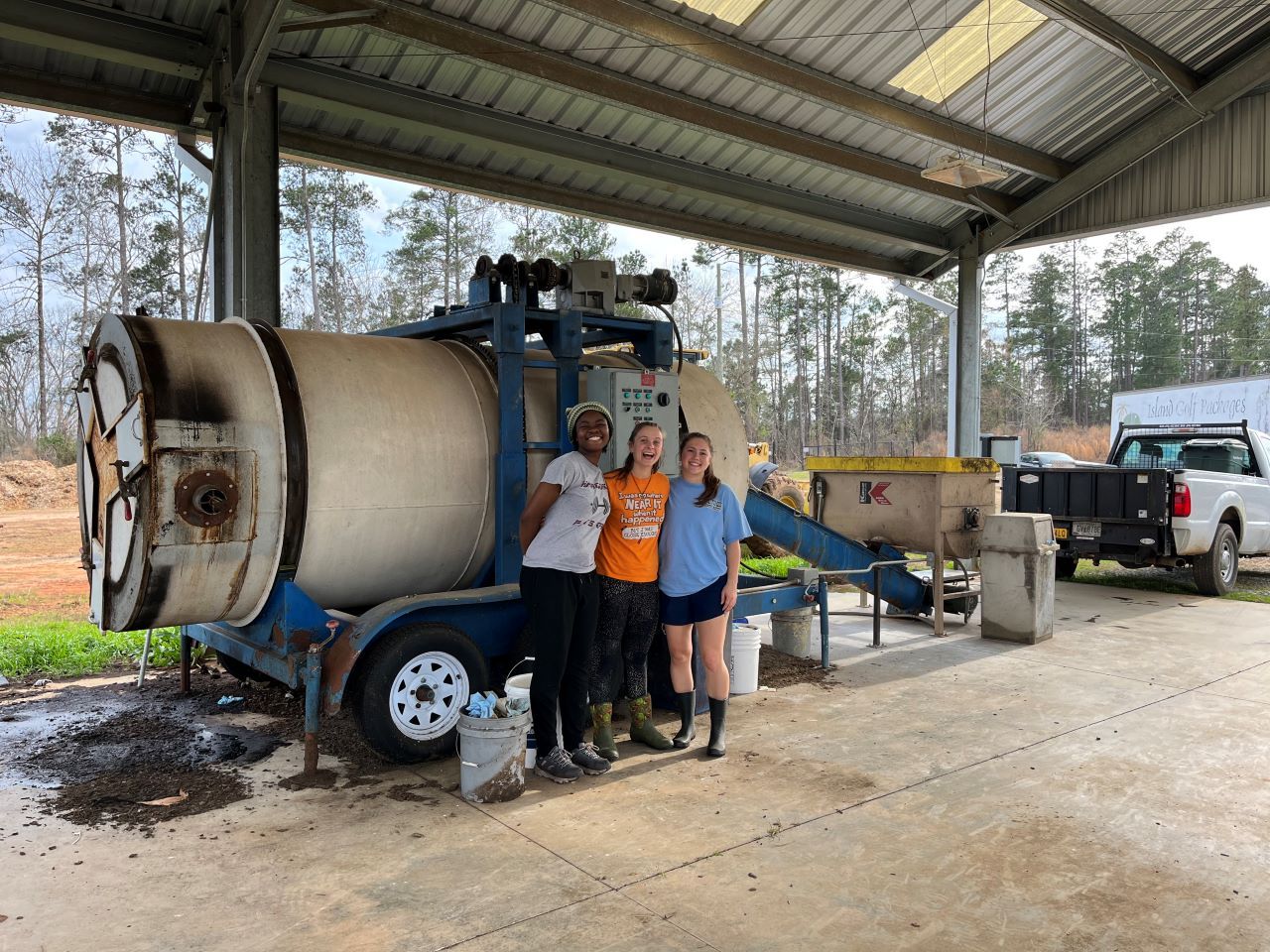
Sustainability & ImpactComposting & Soil HealthCommunity HeroesEveryone & EverywhereArticle

Sustainable packaging from feathers and compostable plastic

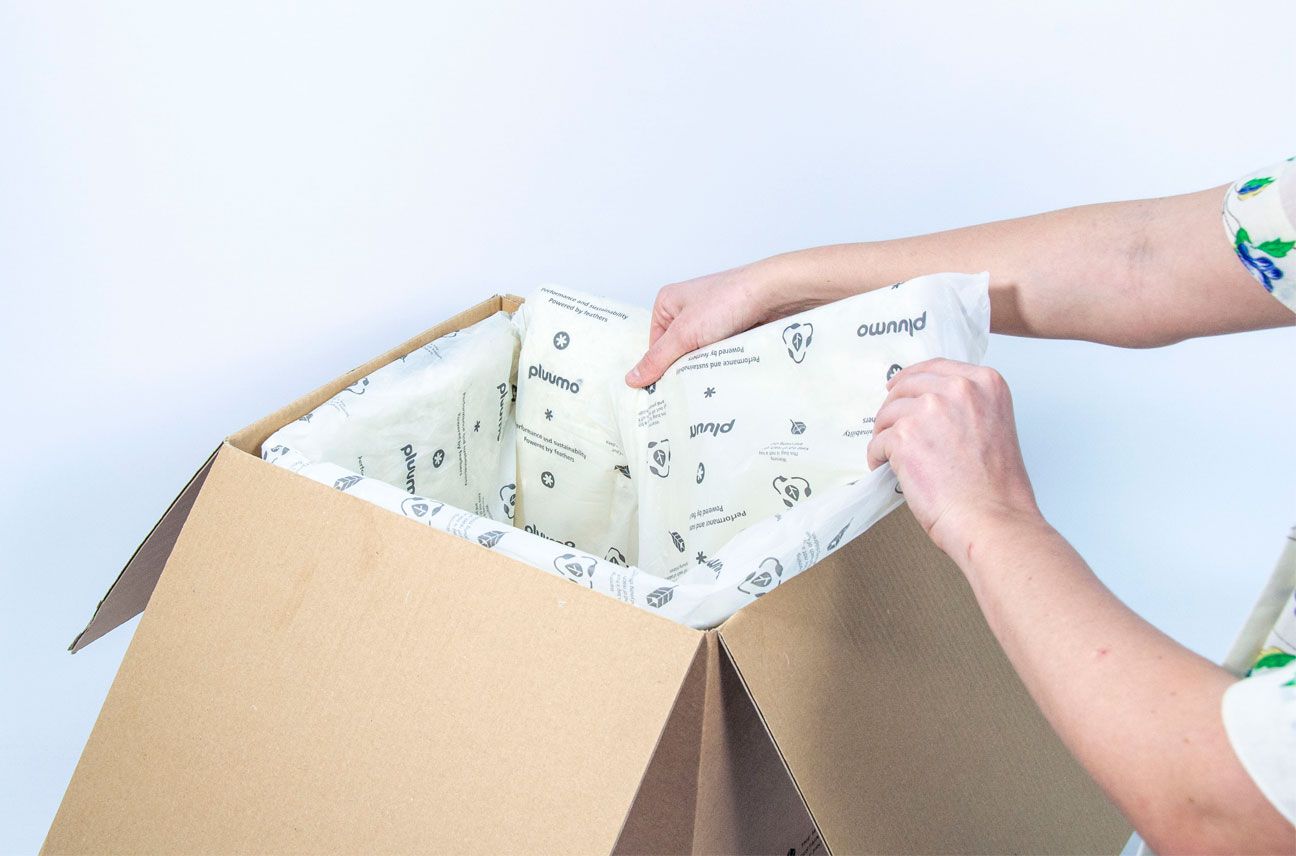
London-based startup Aeropowder created Pluumo, a high-performance insulation material that turns surplus feather waste into a sustainable alternative to polystyrene.

Product & Material InnovationSustainability & ImpactRetailersFood Service & HospitalityCommercial Business & InstitutionsArticle

Bioplastics recognised by United Nations as a sustainable alternative to conventional plastic

Plastic is everywhere and has changed our daily lives. It is durable and convenient, but large amounts end up in nature, harming the environment, animals, and human health.

Sustainability & ImpactPolicy & RegulationsCommercial Business & InstitutionsFarmers & AgricultureMunicipalitiesArticle

Microplastics are everywhere - but what are the consequences?

Microplastics have been found across the environment, from oceans and rivers to agricultural soil and the air we breathe. Scientists are still working to understand exactly what this means for ecosystems and human health.

Sustainability & ImpactEveryone & EverywhereMunicipalitiesArticle

Life depends on healthy soil

Healthy soil supports food production, biodiversity and resilient ecosystems. Keeping organic-waste streams clean is one of the ways we can help protect this valuable resource.

Composting & Soil HealthSustainability & ImpactFarmers & AgricultureMunicipalitiesEveryone & EverywhereArticle

EU report concludes that bioplastics play an important role in circular economy

Conventional plastic has made life more convenient but also created major pollution for animals, humans, and the environment - and production keeps rising.

Policy & RegulationsSustainability & ImpactMunicipalitiesFarmers & AgricultureCommercial Business & InstitutionsArticle

Biobag Ireland UK is now certified by Cré for use in Irish food waste bins.

Biobag Ireland UK is the first retail range of compostable bags certified for use in Irish food waste (brown) bins. Awarded by Cré IRELAND, this certification is the only Irish scheme providing independent assessment of compostable products.

Sustainability & ImpactComposting & Soil HealthEveryone & EverywhereMunicipalitiesCommercial Business & InstitutionsRetailersFood Service & HospitalityArticle

Community Hero April 2021: Earth Diaper

Welcome to Biobag's Community Heroes series!

Sustainability & ImpactCommunity HeroesComposting & Soil HealthEveryone & EverywhereArticle

Novamont acquires Biobag and strengthens its global presence

Italian company Novamont, a leader in the development and production of biochemicals and compostable bioplastics, announced that it had acquired Biobag Group, a Norway-based supplier of certified compostable solutions for waste collection and packaging.

Sustainability & ImpactProduct & Material InnovationEveryone & EverywhereCommercial Business & InstitutionsMunicipalitiesRetailersFood Service & HospitalityArticle

The role of bioplastic in a circular economy

Biobags are made of Mater-Bi, a family of biodegradable and compostable bioplastics developed by Novamont. These materials are designed for specific applications where biodegradability or compostability can support the collection and biological treatment of organic waste.

Composting & Soil HealthSustainability & ImpactMunicipalitiesFarmers & AgricultureEveryone & EverywhereArticle

Community Hero September 2020: Heather Gardens Green Team

Welcome to Biobag's Community Heroes series!

Sustainability & ImpactCommunity HeroesEveryone & EverywhereArticle

Community Hero April 2020: Pinellas Community Compost

Welcome to Biobag's Community Heroes series!

Community HeroesSustainability & ImpactEveryone & EverywhereArticle

Study confirms Biobags disappear in natural environments

The results of a two year study in the USA have confirmed biodegradable plastic alternatives like Biobags help prevent plastic pollution.

Sustainability & ImpactEnvironment & ClimateEveryone & EverywhereCommercial Business & InstitutionsFood Service & HospitalityRetailersArticle

Microorganisms biodegrade biodegradable plastics

An ETH Zurich and EAWAG study shows microorganisms can fully break down biodegradable plastics into natural components.

Sustainability & ImpactComposting & Soil HealthFarmers & AgricultureMunicipalitiesCommercial Business & InstitutionsEveryone & EverywhereArticle

Compostable bags and the circular economy initiative

An exciting European proposal on the Circular Economy Package in December 2015 paved the way for broader adoption of biodegradable materials across the EU.

Policy & RegulationsSustainability & ImpactCommercial Business & InstitutionsEveryone & EverywhereMunicipalitiesRetailersFood Service & HospitalityArticle

Turn inspiration into action

Our compostable solutions help transform organic waste into renewable energy and nutrient-rich compost to grow new life.

Explore Our Compostable Range
biobag

Get in touch

We will be happy to hear from you, so please write if you have questions about our products, want to meet one of our salespeople or you just have a great idea for a new product. Fill out the form and we will get back to you shortly.

I consent that you store my information and reach out to me in accordance with your Privacy Policy