Each month, we will highlight community heroes that are making a difference in their communities and working to make their local environments cleaner and healthier.
This month, we are taking a look at GA College Composting in GA!
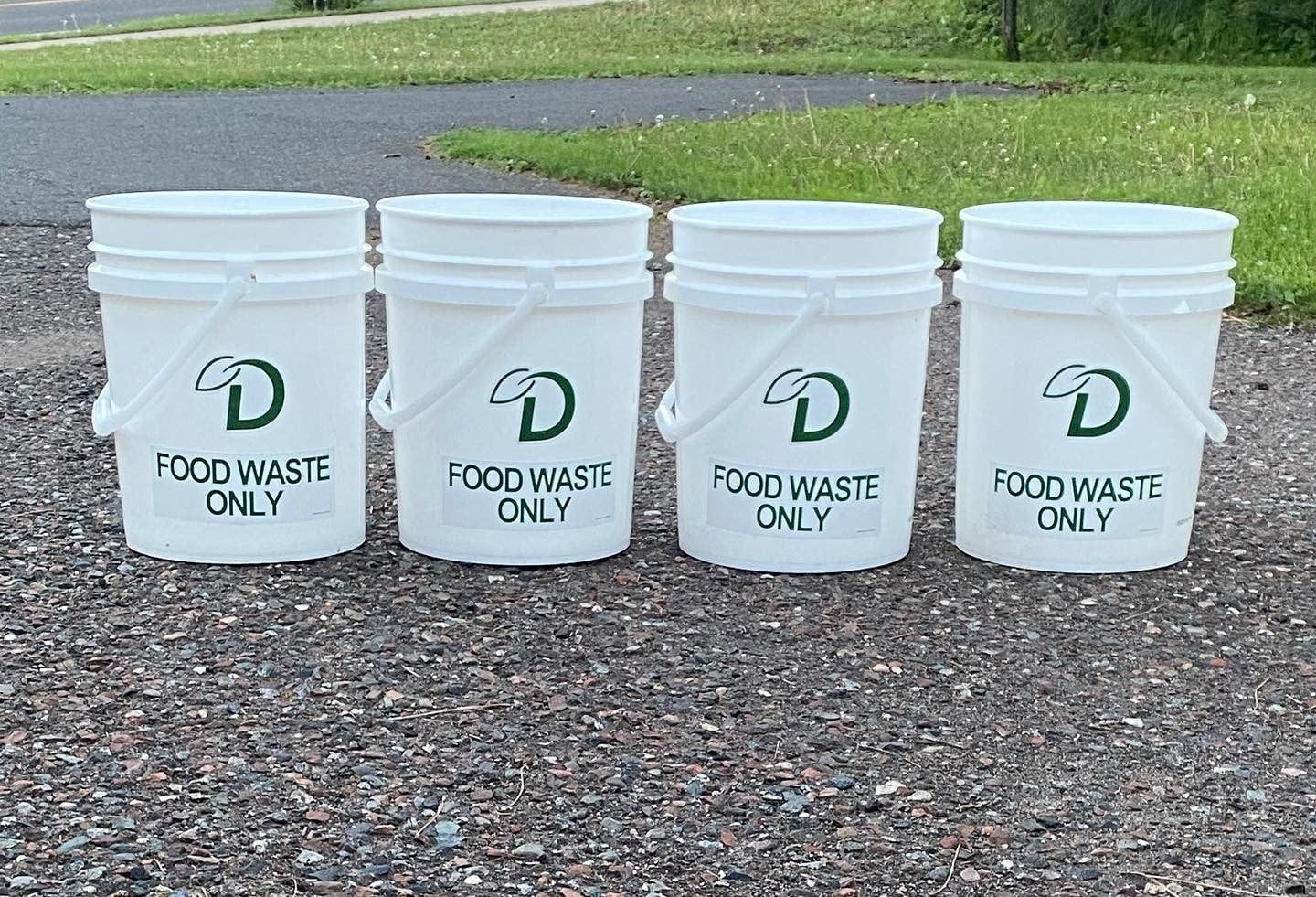
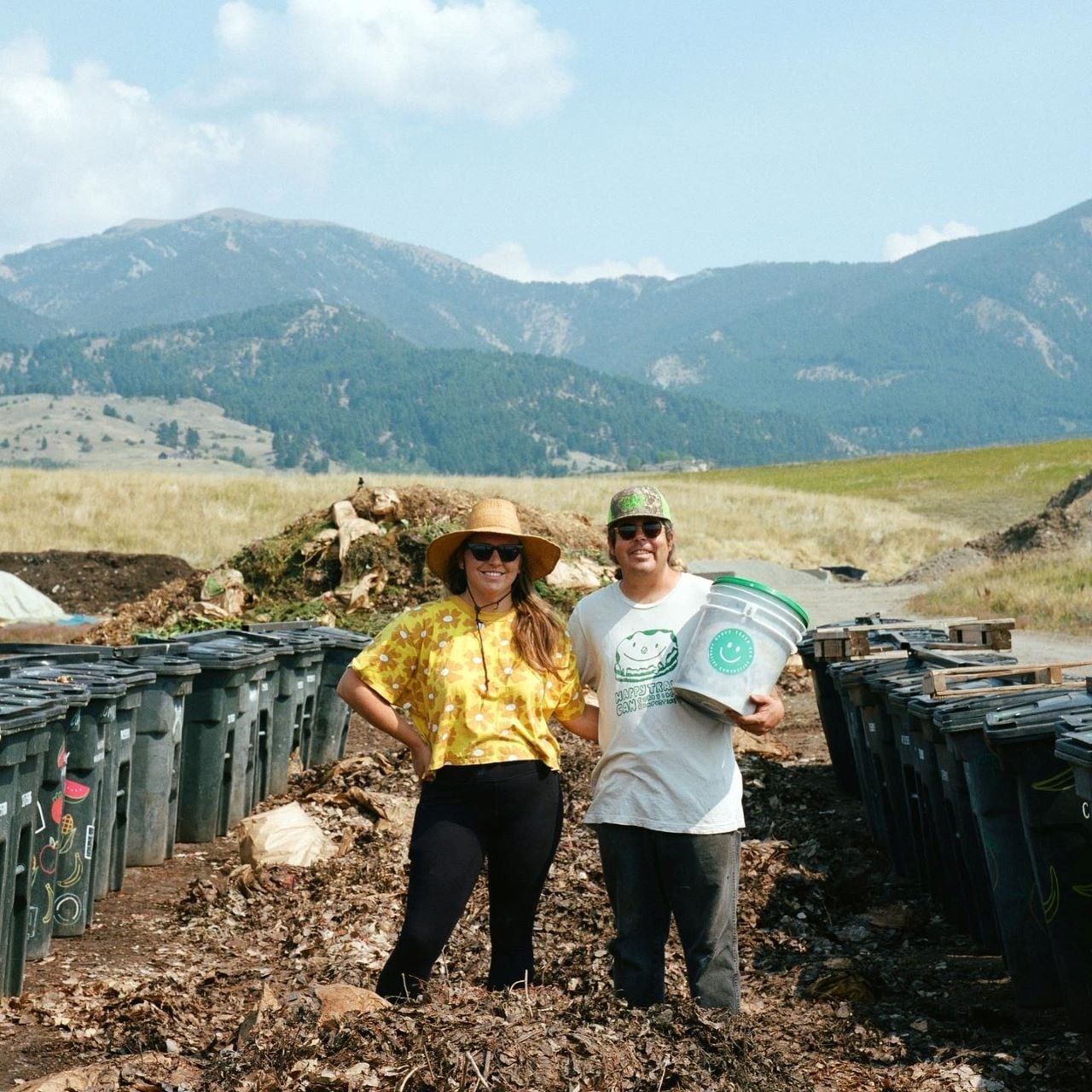
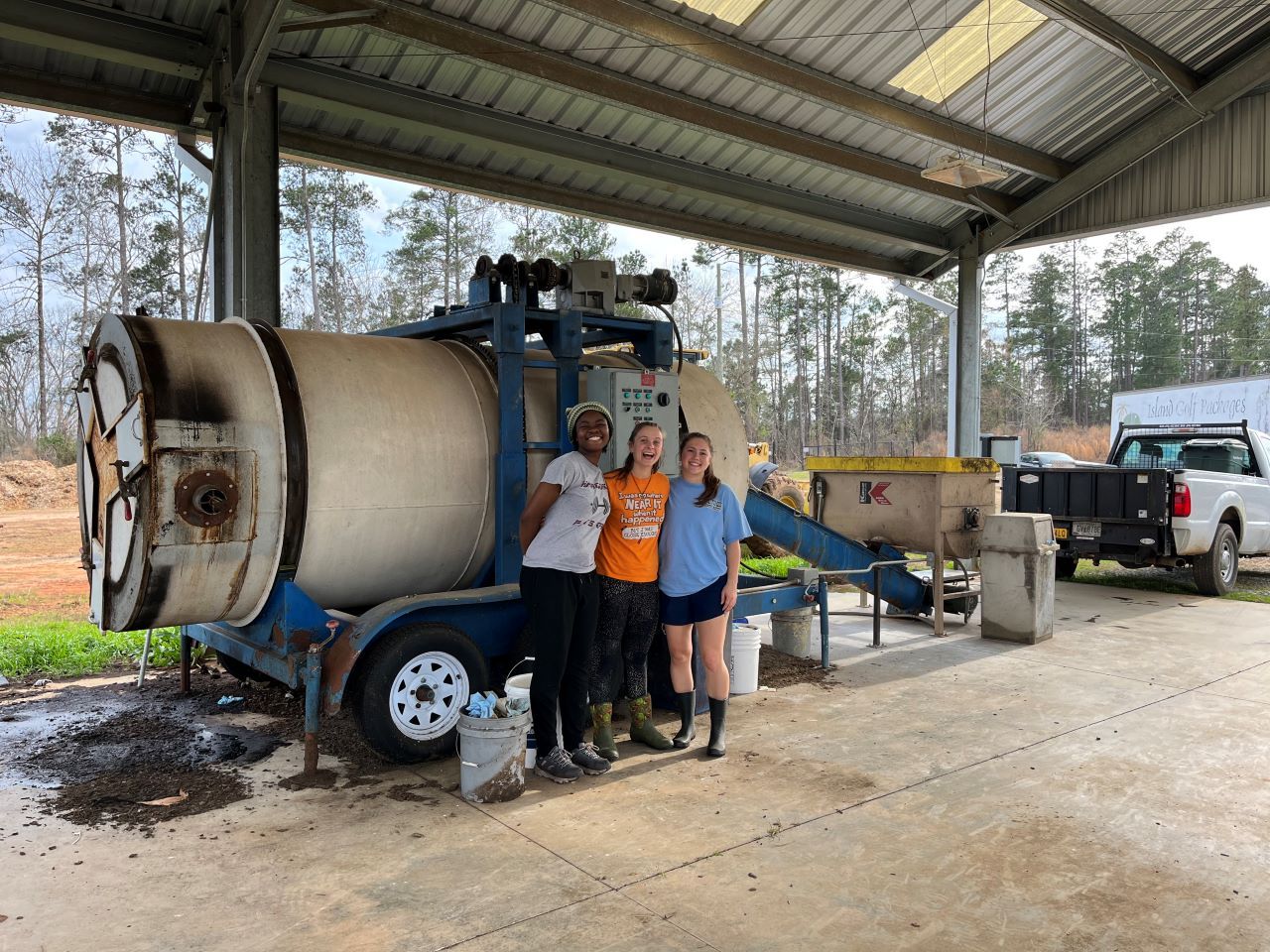
GA College Composting is a program started by the students at GA College & State University in Milledgeville, GA. Biobag Associate spoke to Anna Lippy, a Compost Intern in the Office of Sustainability at GA College & State University, about the program. Their interview is transcribed below.
What led you to start your composting operation?
Our campus compost program started in a professor’s backyard as an assignment for a Soil and Environmental Quality course. The assignment involved making a greenhouse for a community project, and students were inspired to have a small compost system at the greenhouse. Then, this interest further drove students to draft a proposal for a campus compost machine in 2016. Since then, we have diverted over 60,000 pounds of food from our dining hall that otherwise would have been sent to the landfill.
The main point of contact for sustainability at Georgia College is the Office of Sustainability. Housed in the Department of Biological and Environmental Science, the office serves to monitor, analyze, and promote projects that help the campus to conserve resources, promote sustainable behaviors, and educate our campus and the surrounding community. Georgia College has been recognized by the U.S. Department of Education as a Green Ribbon School for its postsecondary sustainability efforts and leadership in facilities, health, and environmental stewardship. Georgia College is additionally recognized as a Bronze institution by AASHE, the leading association for the advancement of sustainability in higher education.
Who do you serve and how can people get in touch with you if they want to start composting?
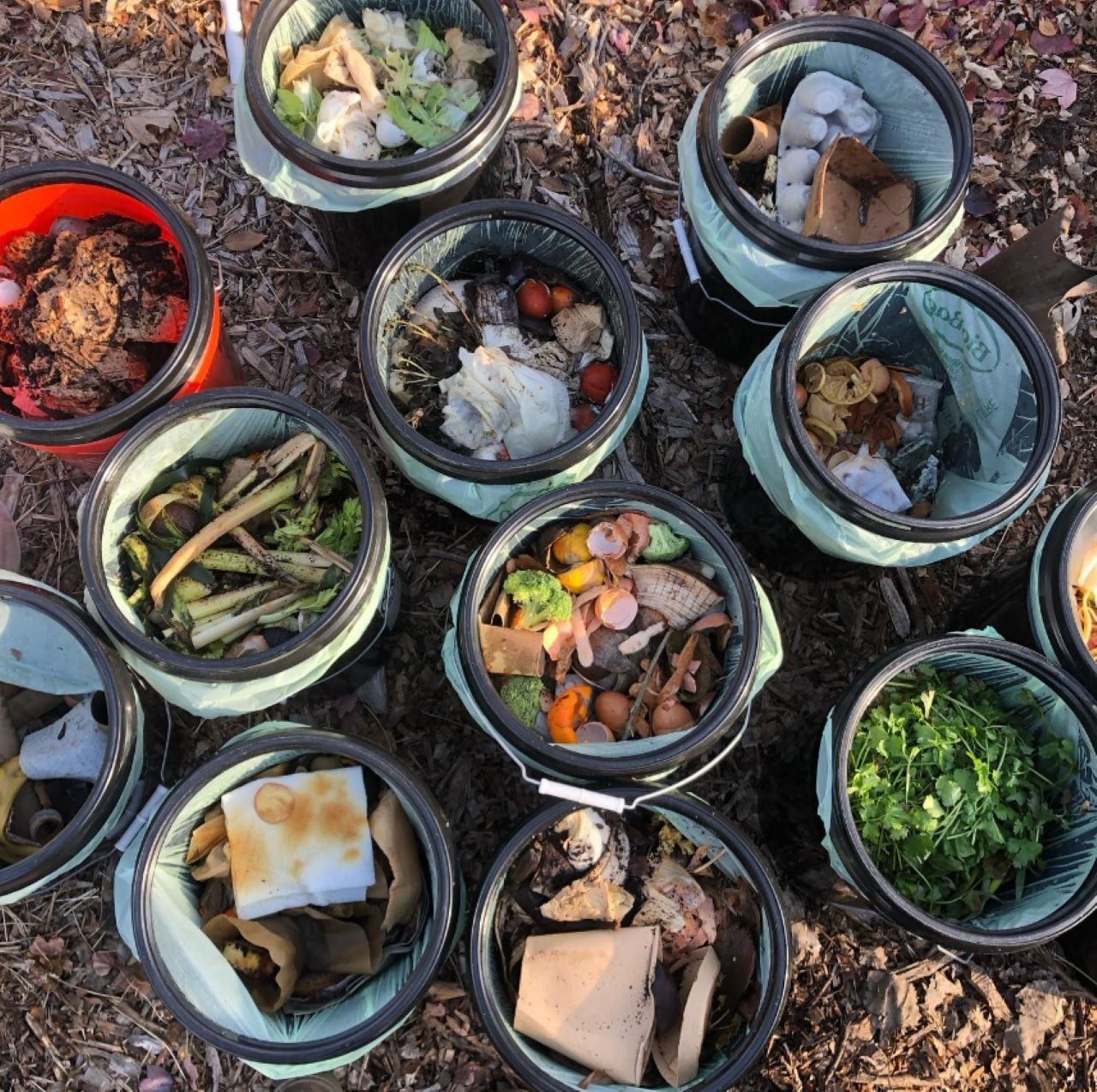
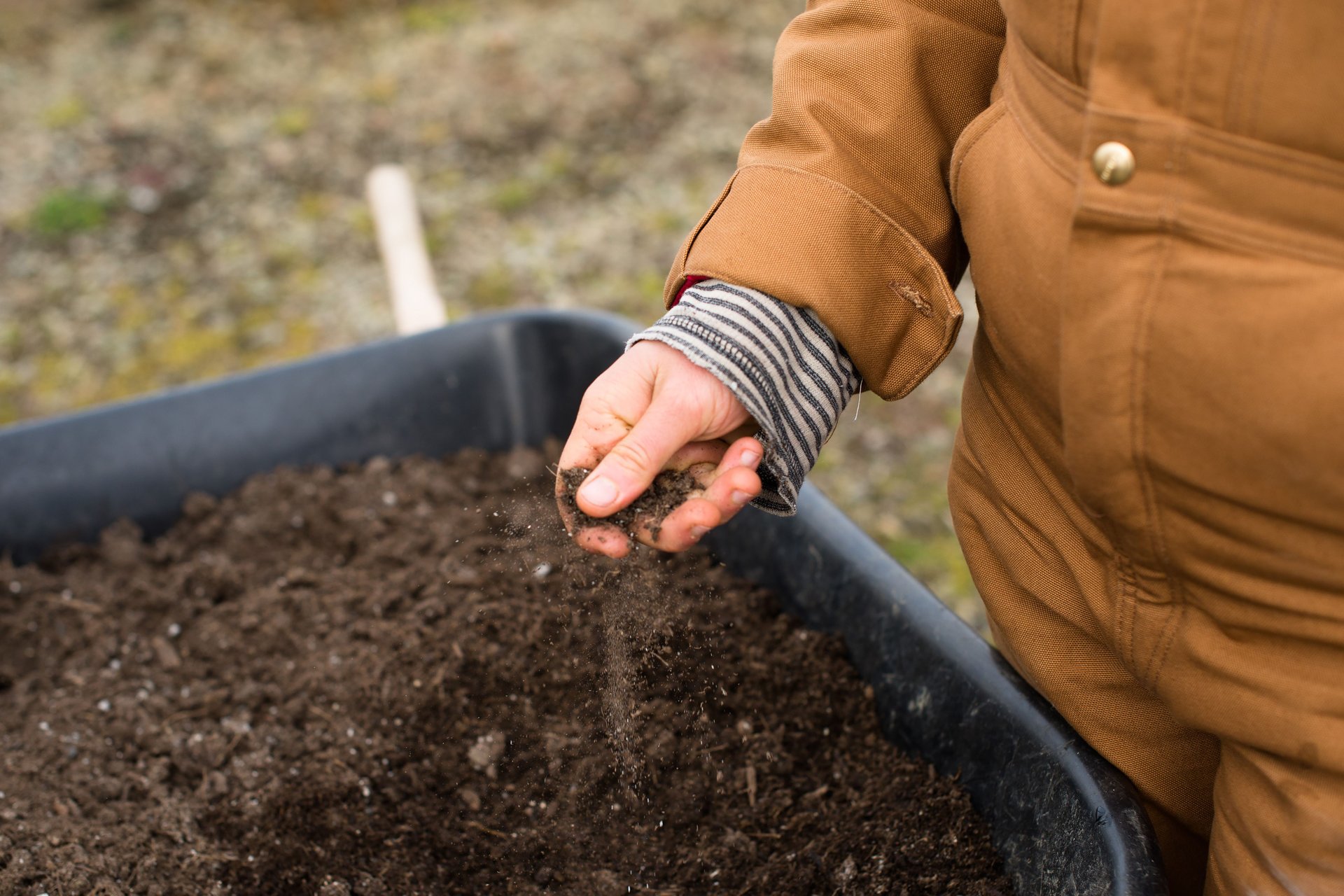
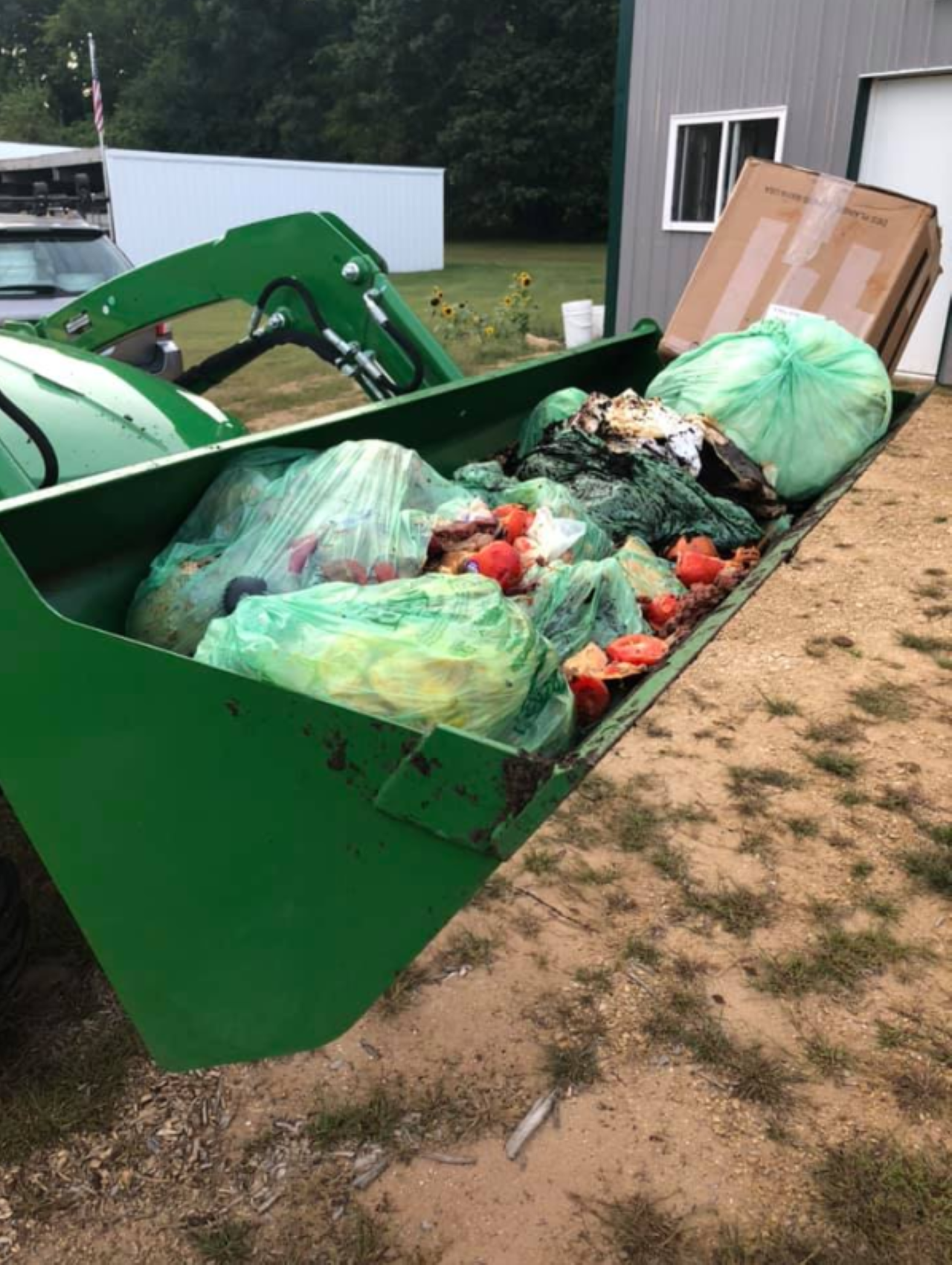
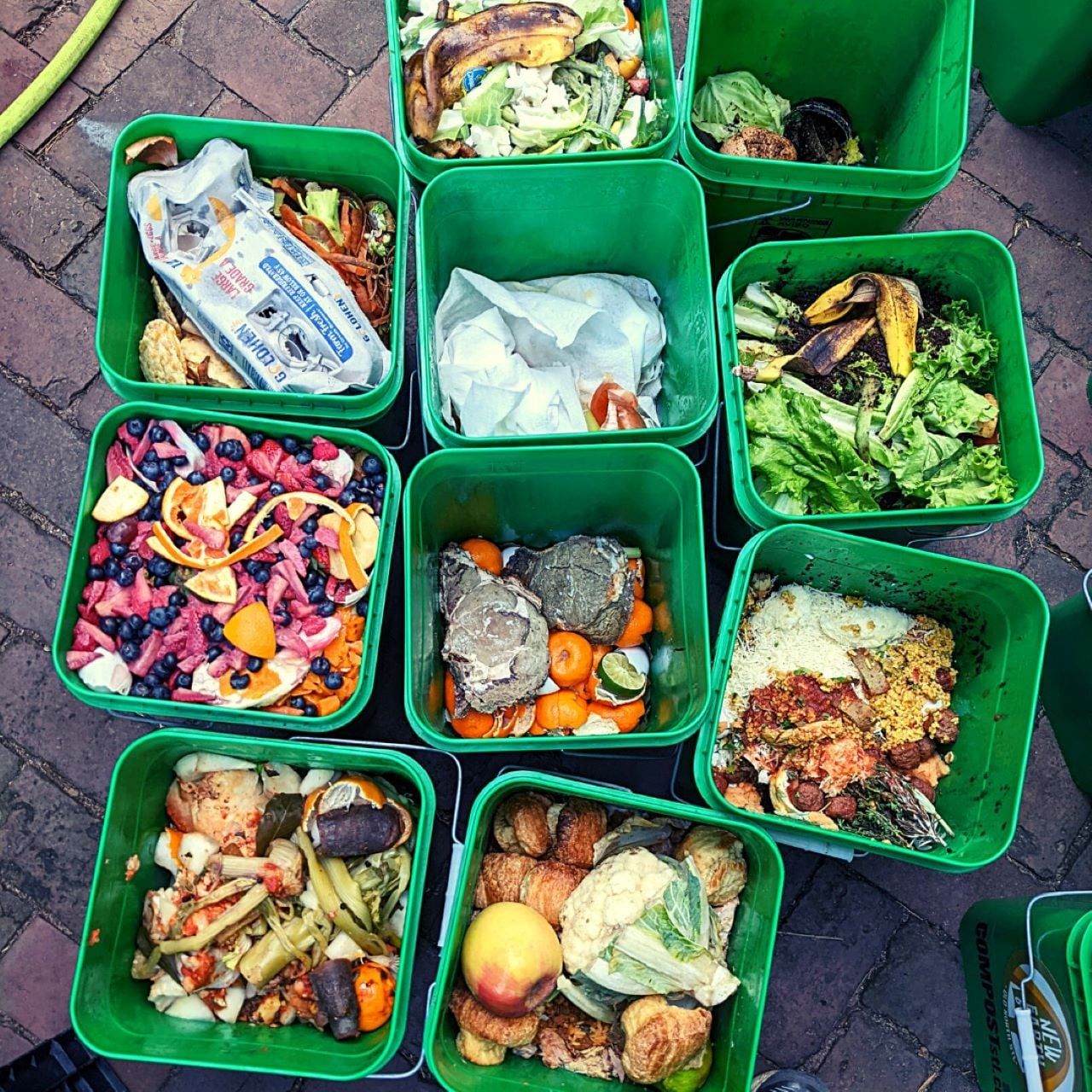
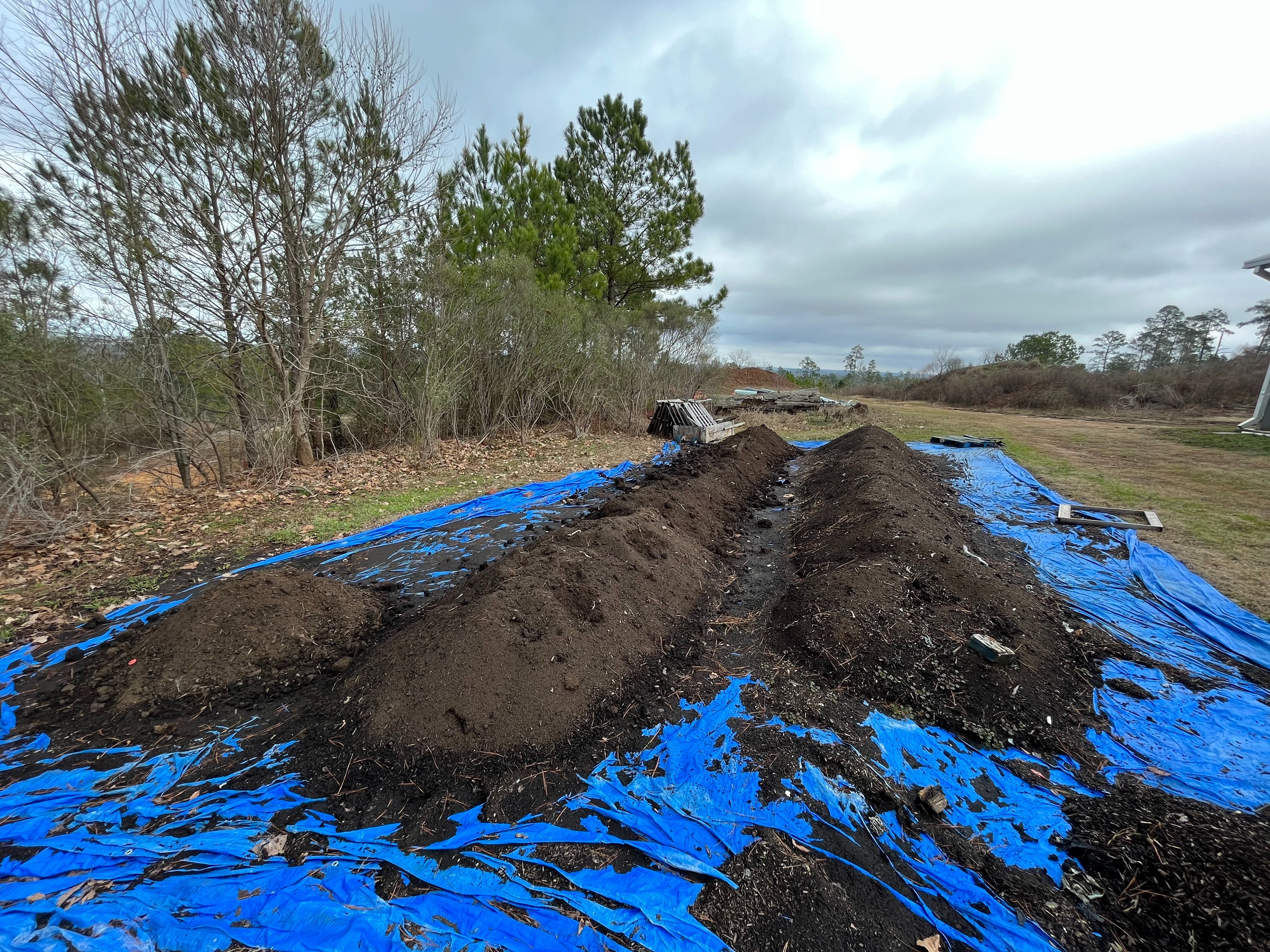
We collect the food waste from our university dining services from both back and front of house. This includes the pre-consumer waste, which is the excess food that isn’t served to students, and post-consumer waste, which is the food that gets scraped off students’ plates. The compost we produce is then used in our organic campus garden where students can learn about organic farming practices and community members can rent out garden beds. Currently, one of our interns is working on creating a business plan for selling our finished compost material to local farmers and gardeners as her senior capstone project.
How much organic material do you typically take in on a weekly basis?
Our team accepts about 1,000 pounds of food waste each week.
Feel free to add any additional information about your operation as you see fit.
We add locally sourced, untreated saw dust and woodchips to our food residuals to get a balanced carbon to nitrogen ratio.
Our compost is used in campus research labs.
.jpg)