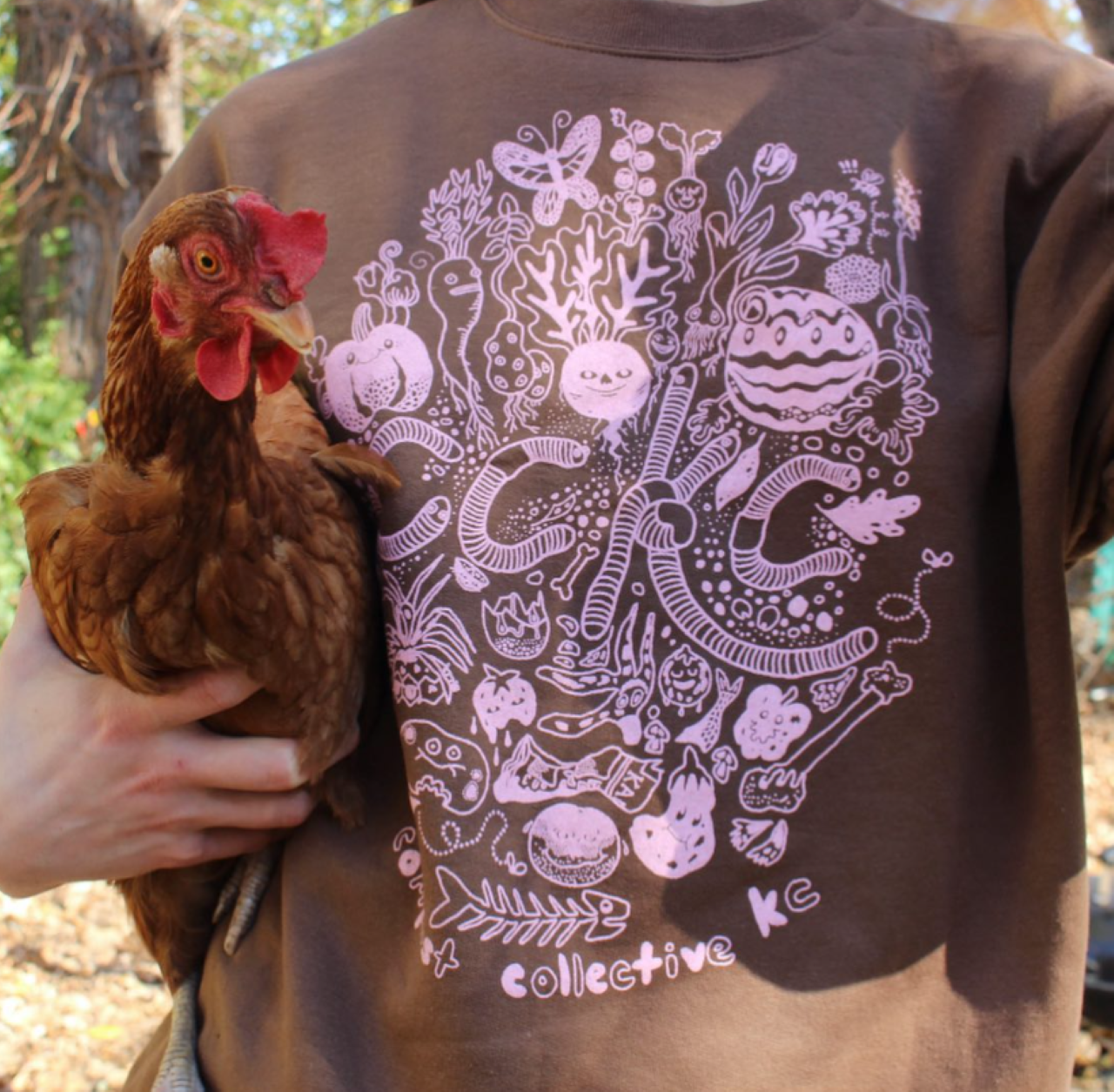
Each month, we will highlight community heroes that are making a difference in their communities and working to make their local environments cleaner and healthier.
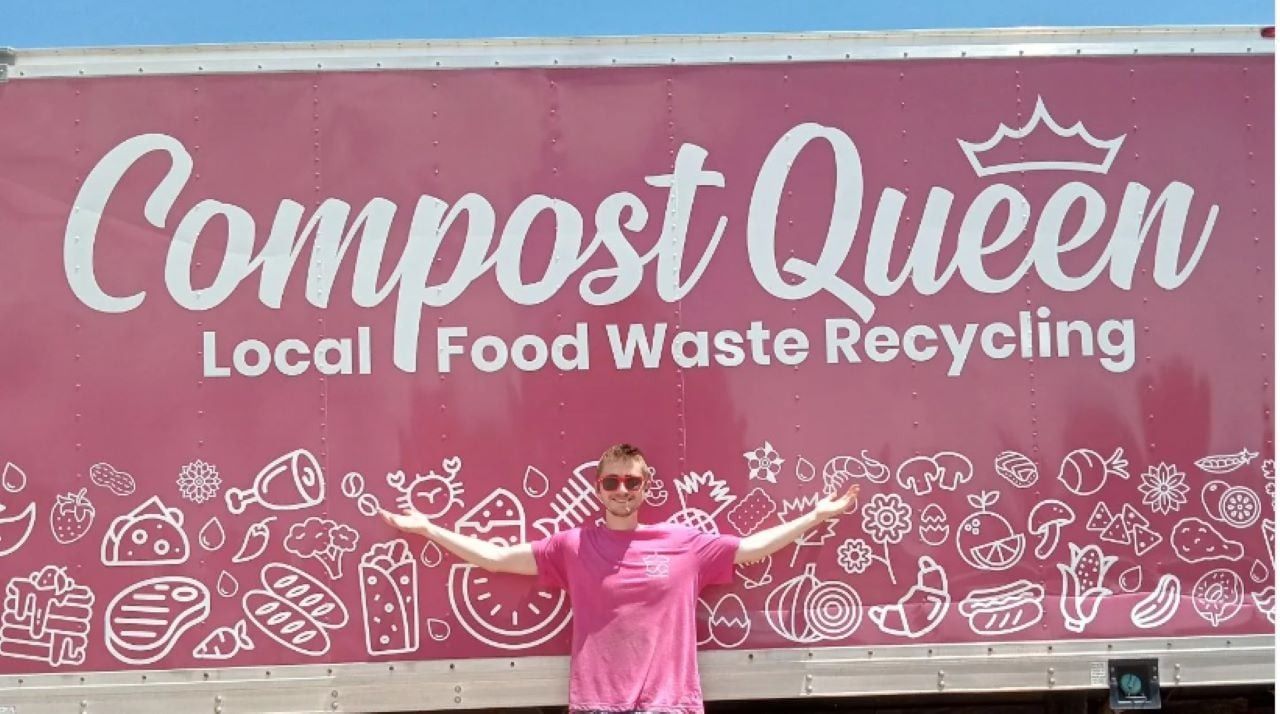
This month, we are taking a look at Compost Collective KC in MO!
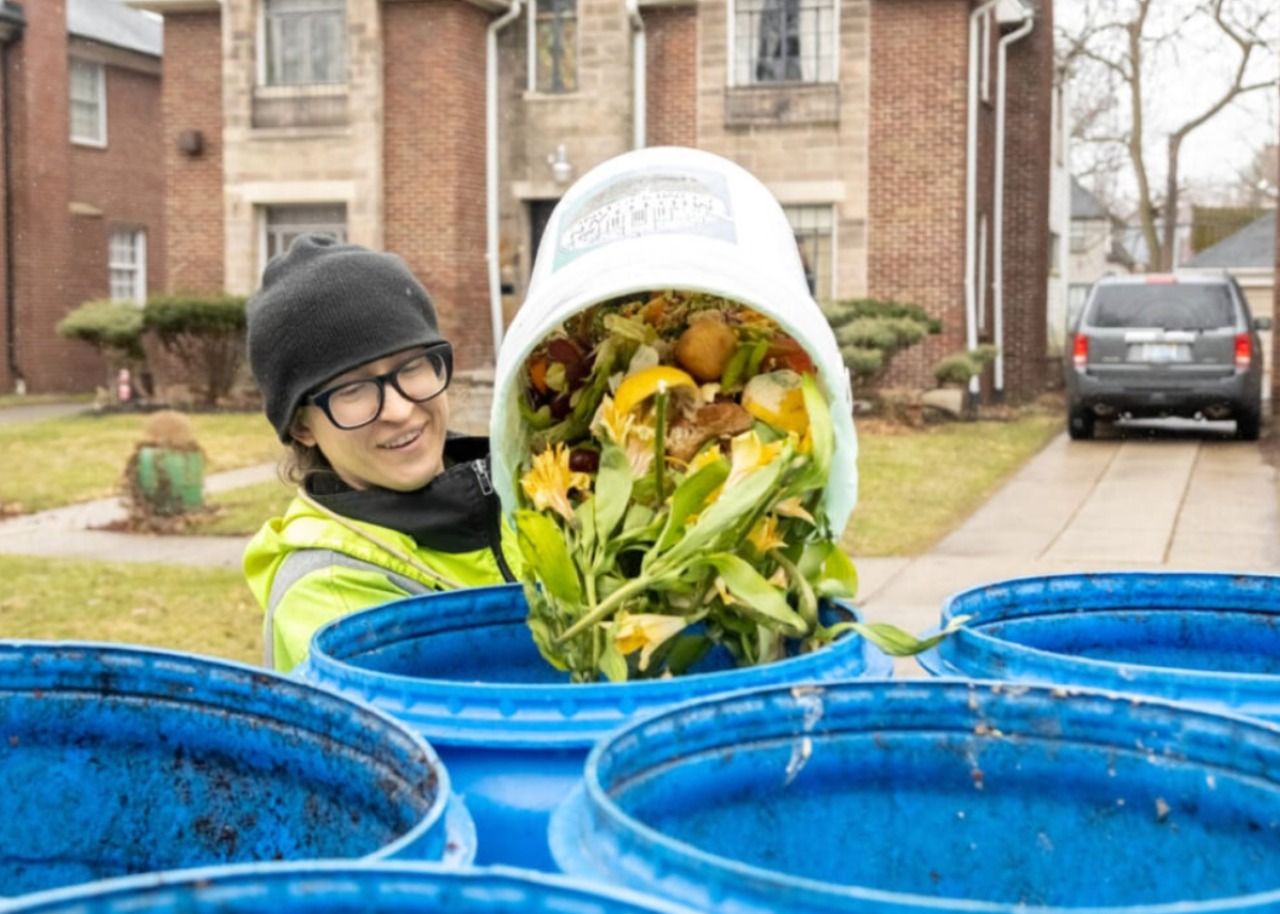
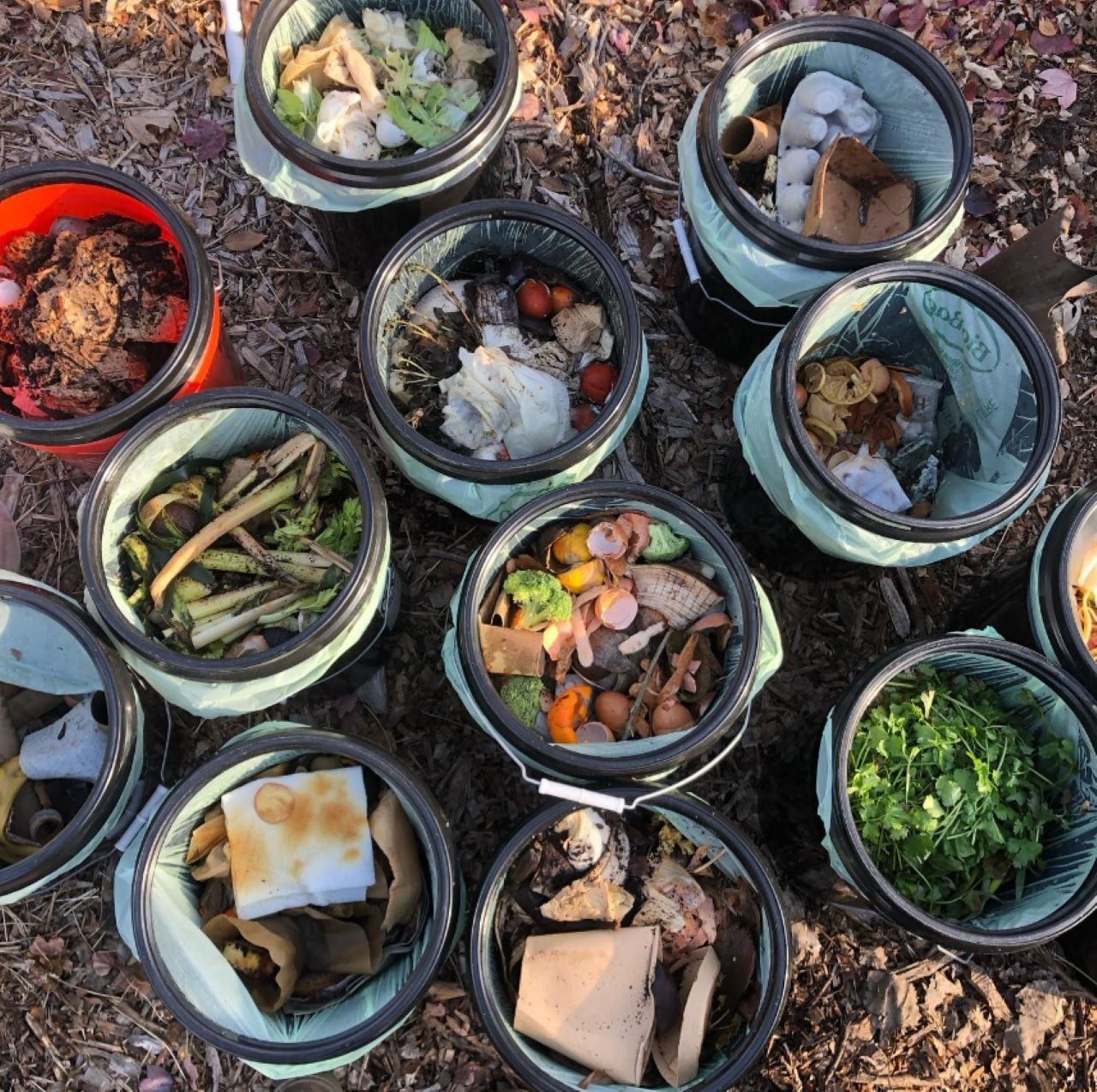
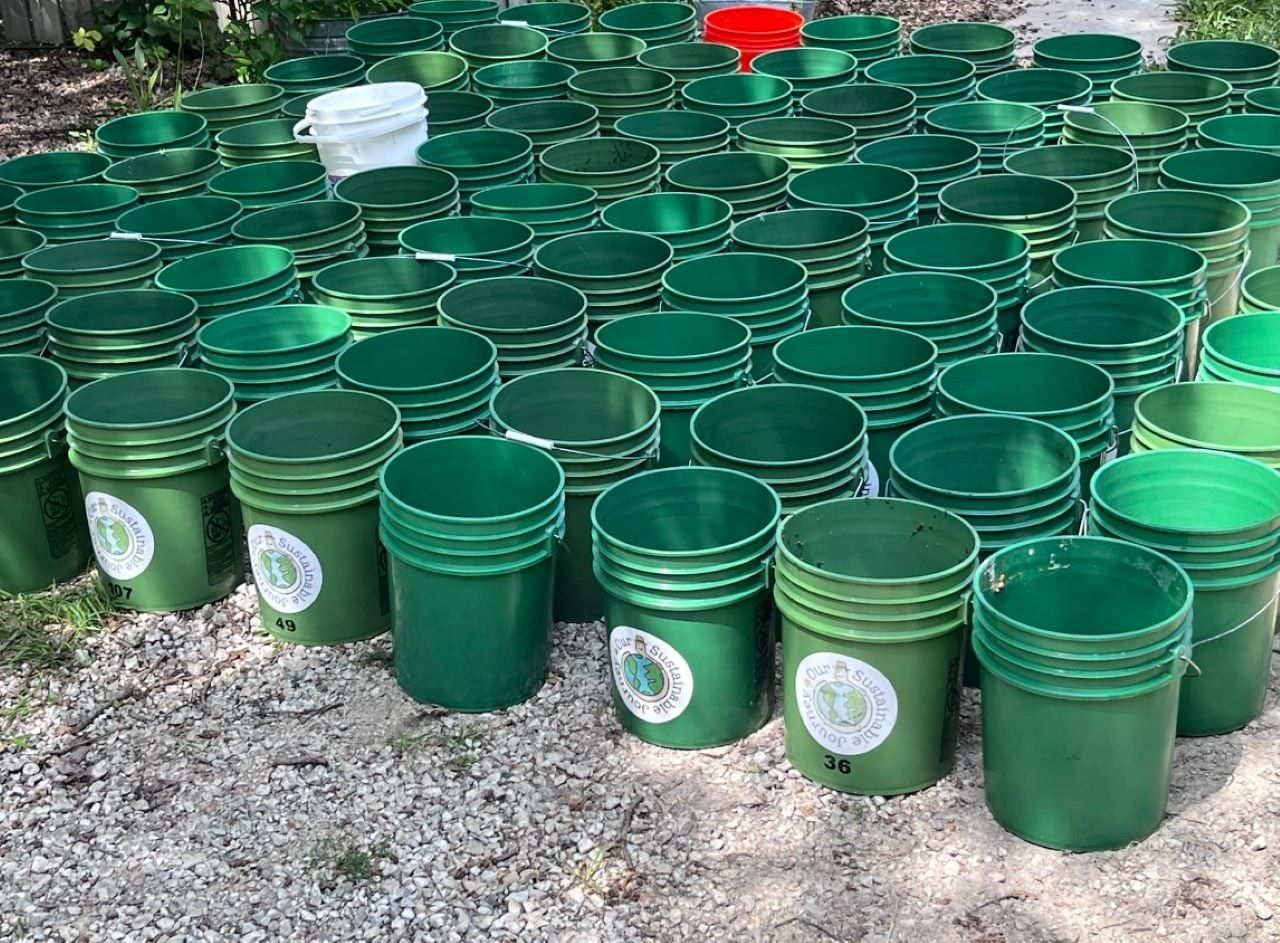
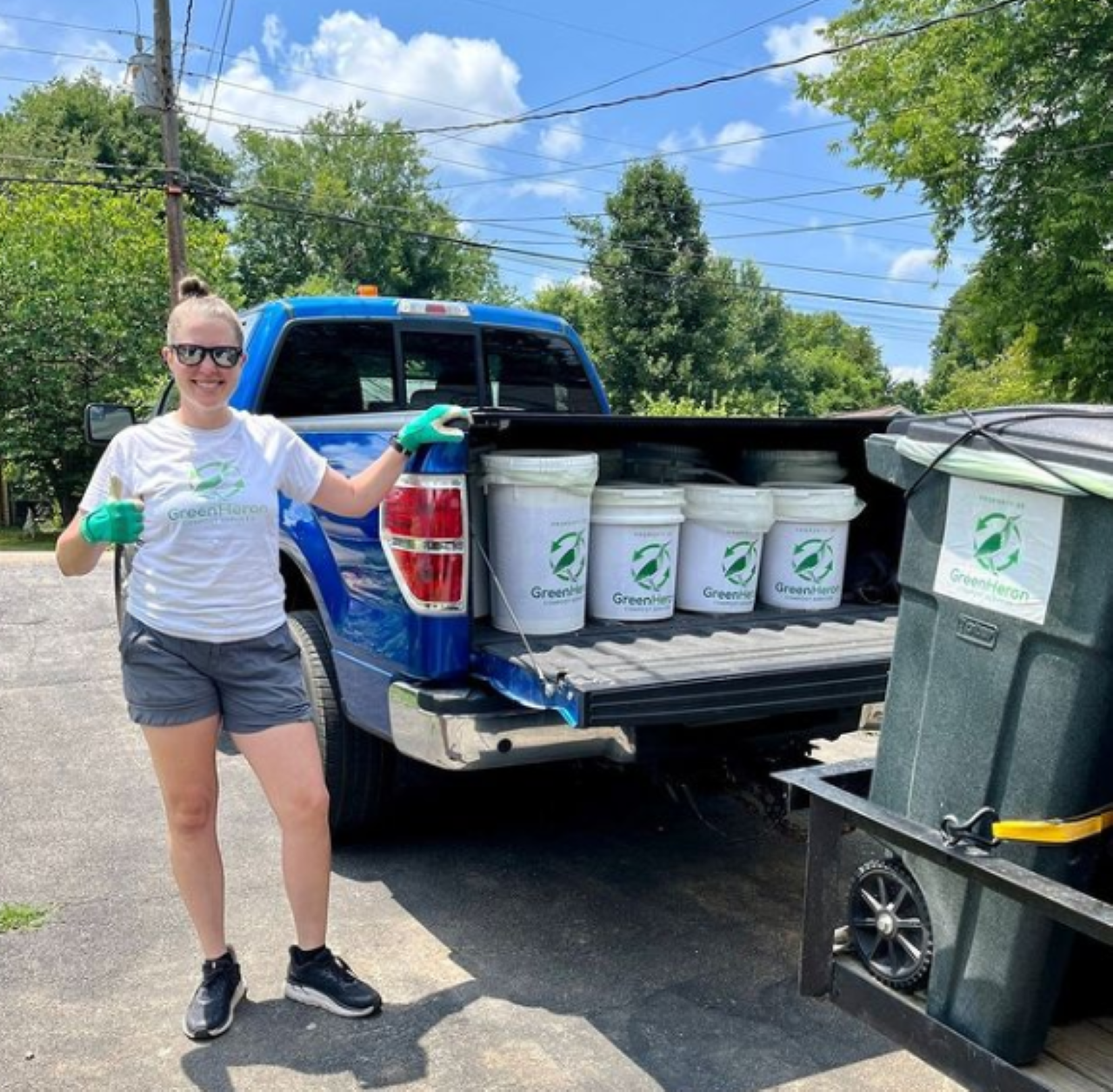
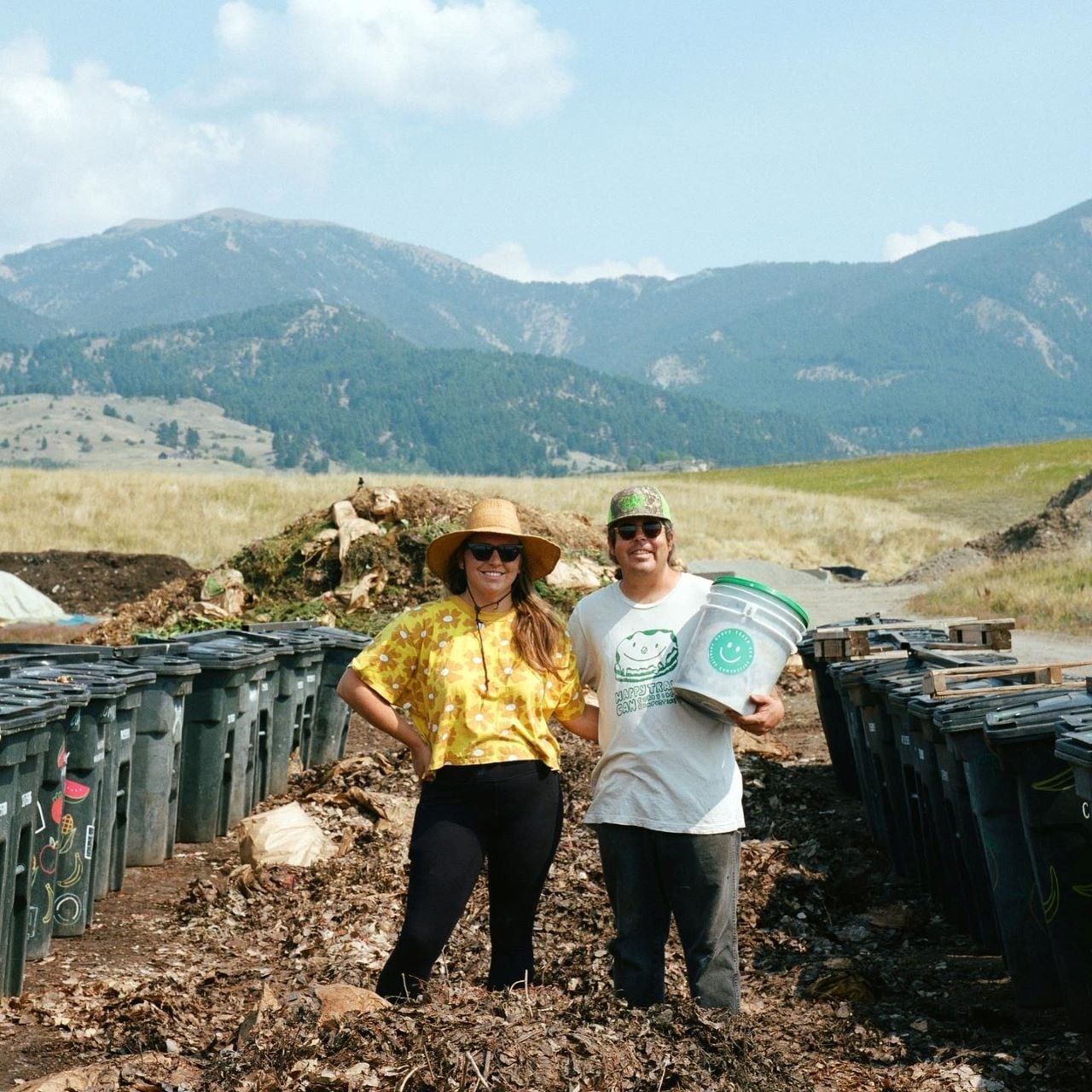
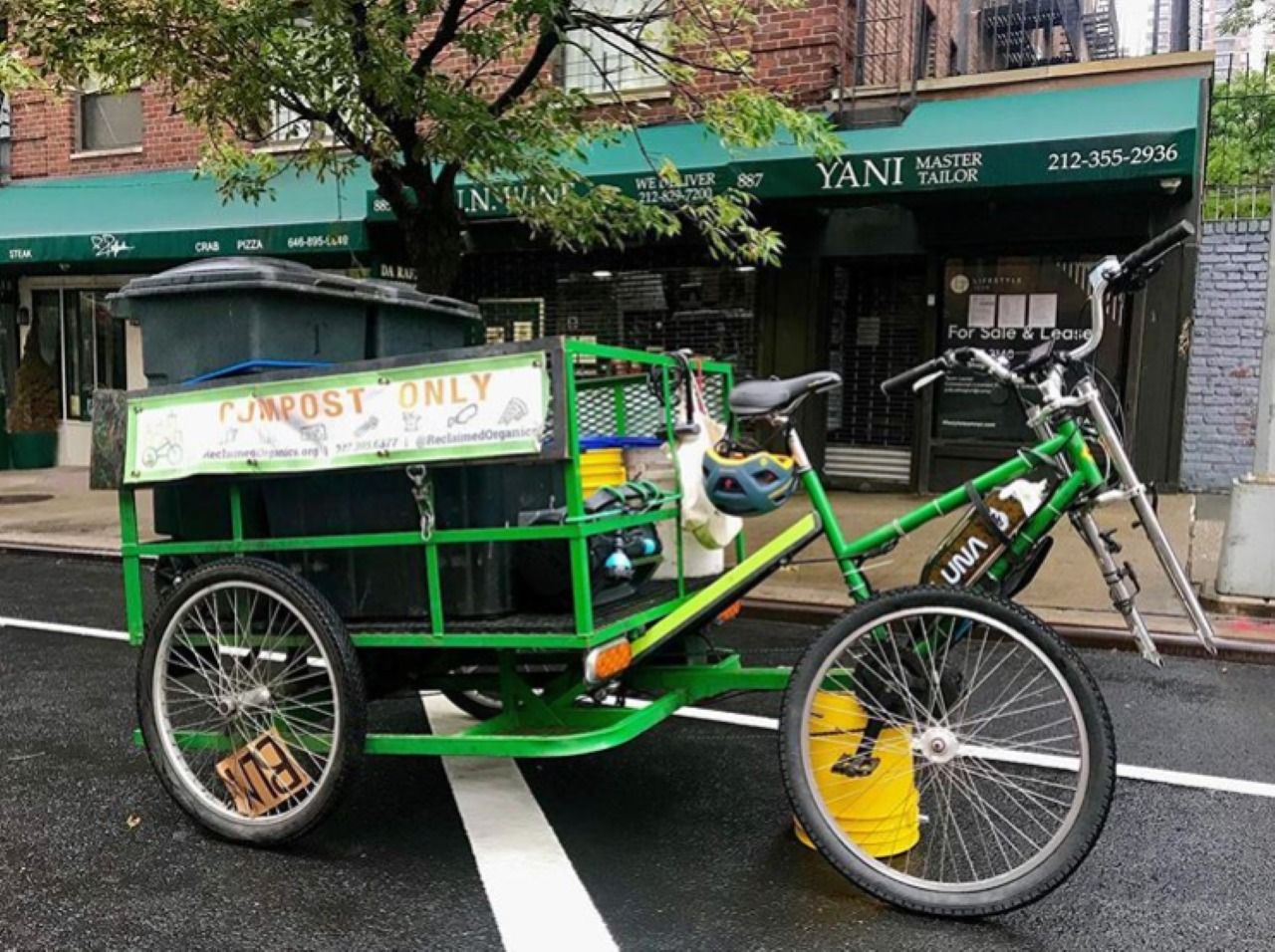
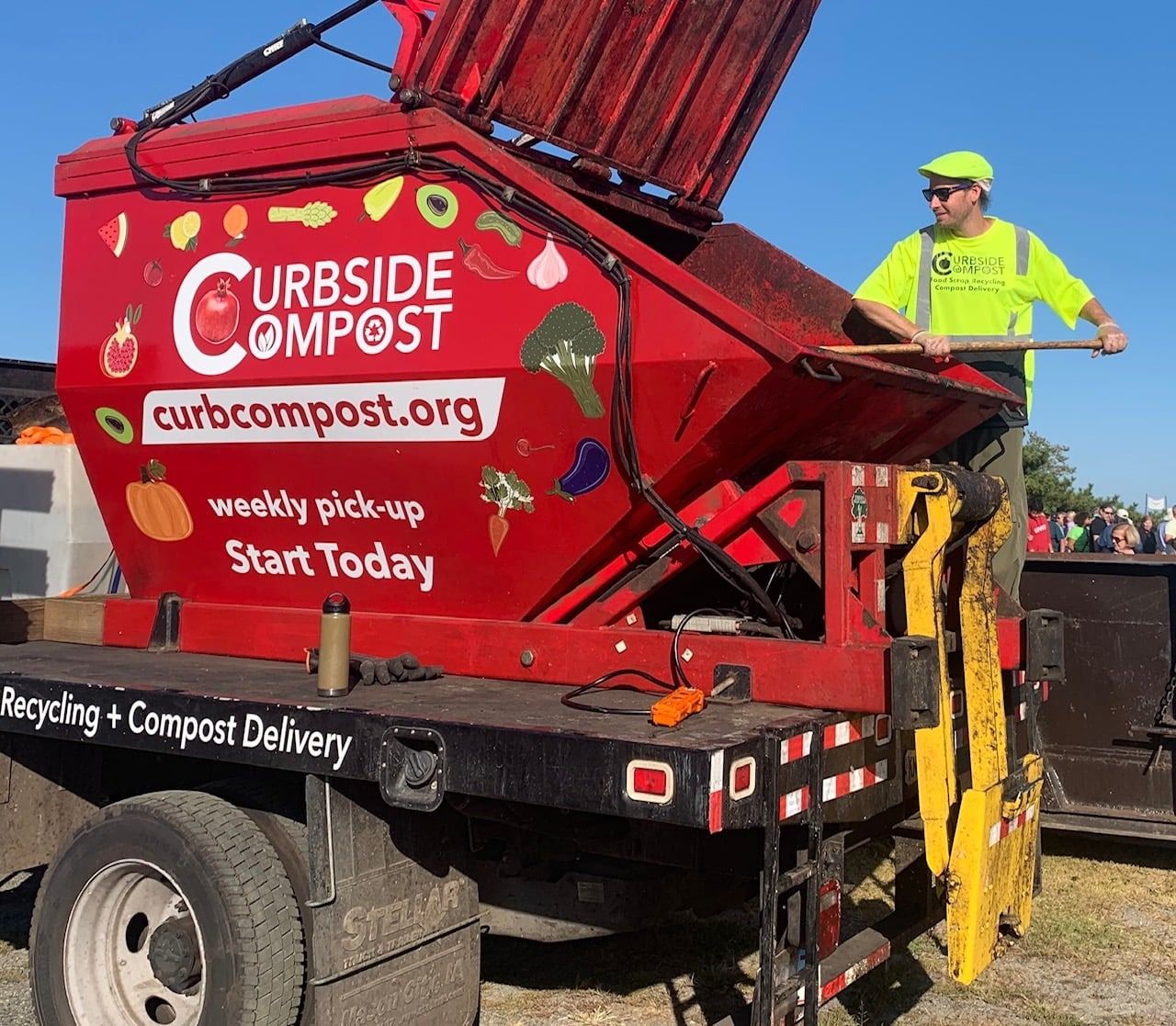
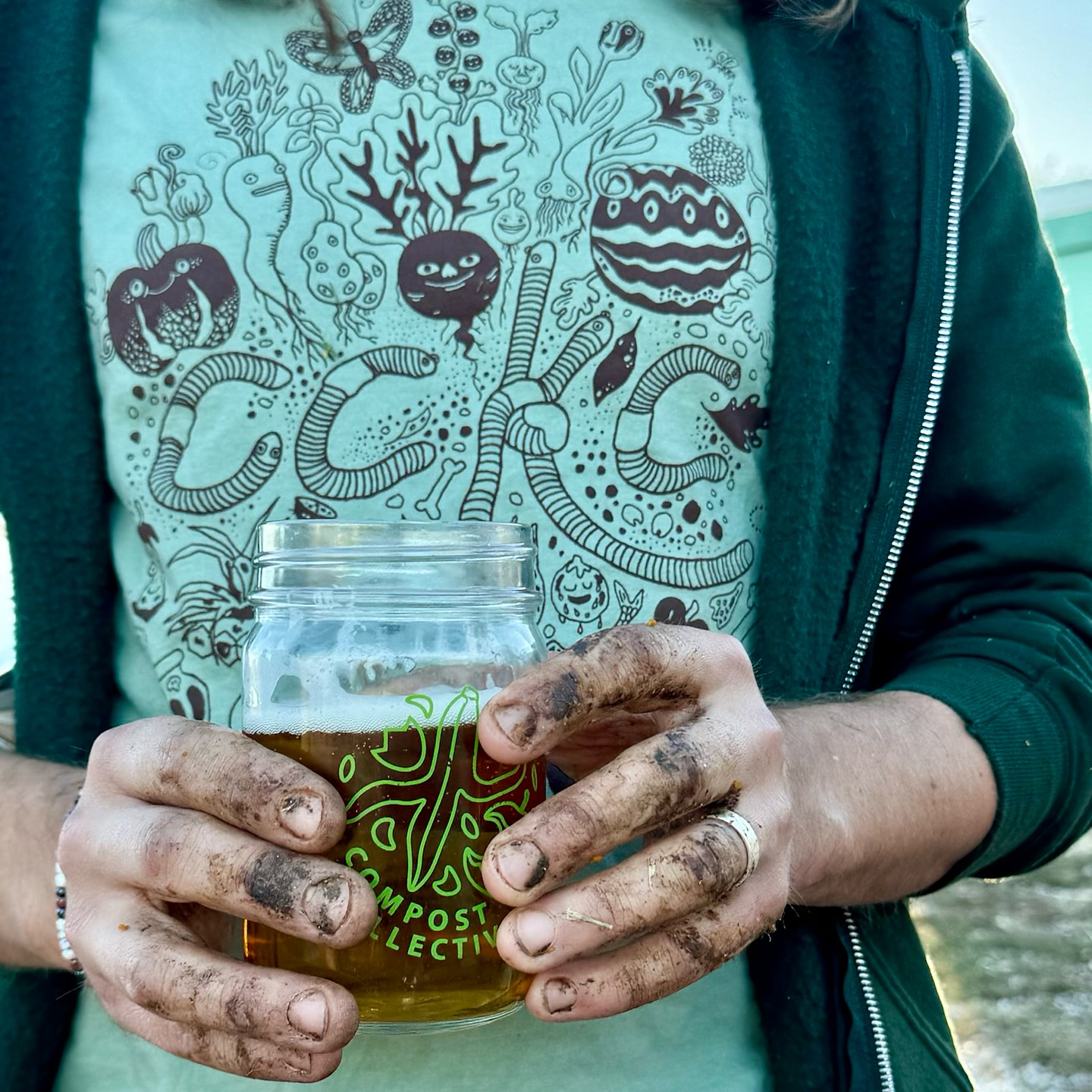
Compost Collective KC is a composting service based in Kansa City, MO, with their vision including holistic compost hubs tied to farms and community gardens scattered throughout the Kansas City metropolitan area. Biobag Associate spoke to Coco, Director of Operations at Compost Collective KC, about the organization. Their interview is transcribed below.
What led you to start your composting operation?
CCKC was created in 2017 through frustration with the lack of environmental concern from our nation's leaders, and came together through the hard work of a small group of caring citizens wanting to provide easy access to food waste recycling for the KC community.
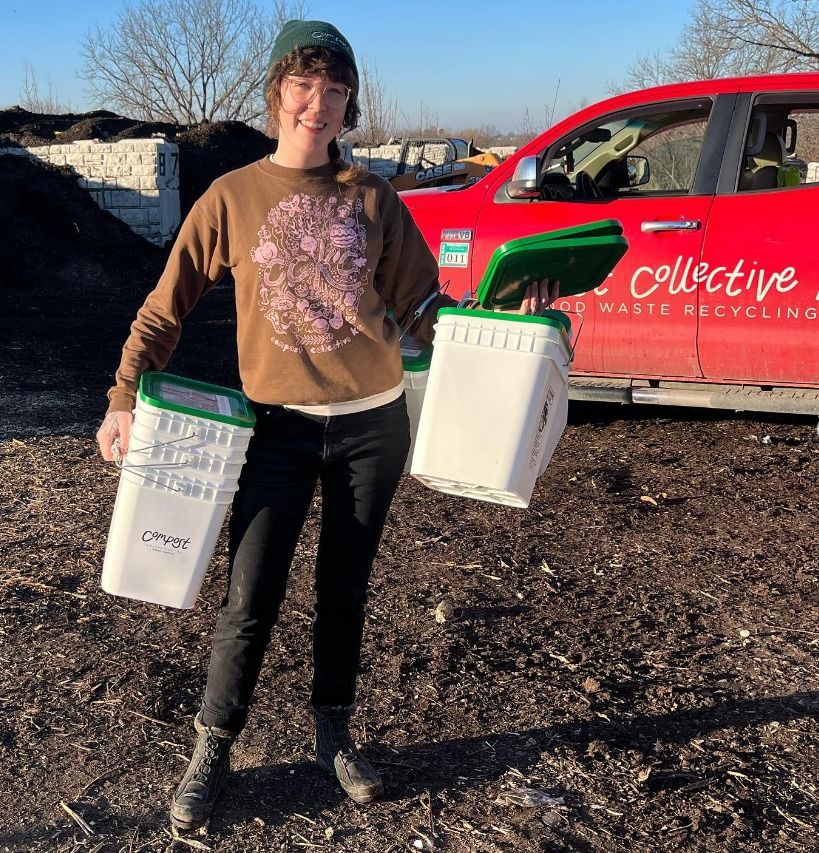
Who do you serve and how can people get in touch with you if they want to start composting?
We serve the greater KC Metro and surrounding areas. People can sign up for our service (and view our service area map) on our website here.
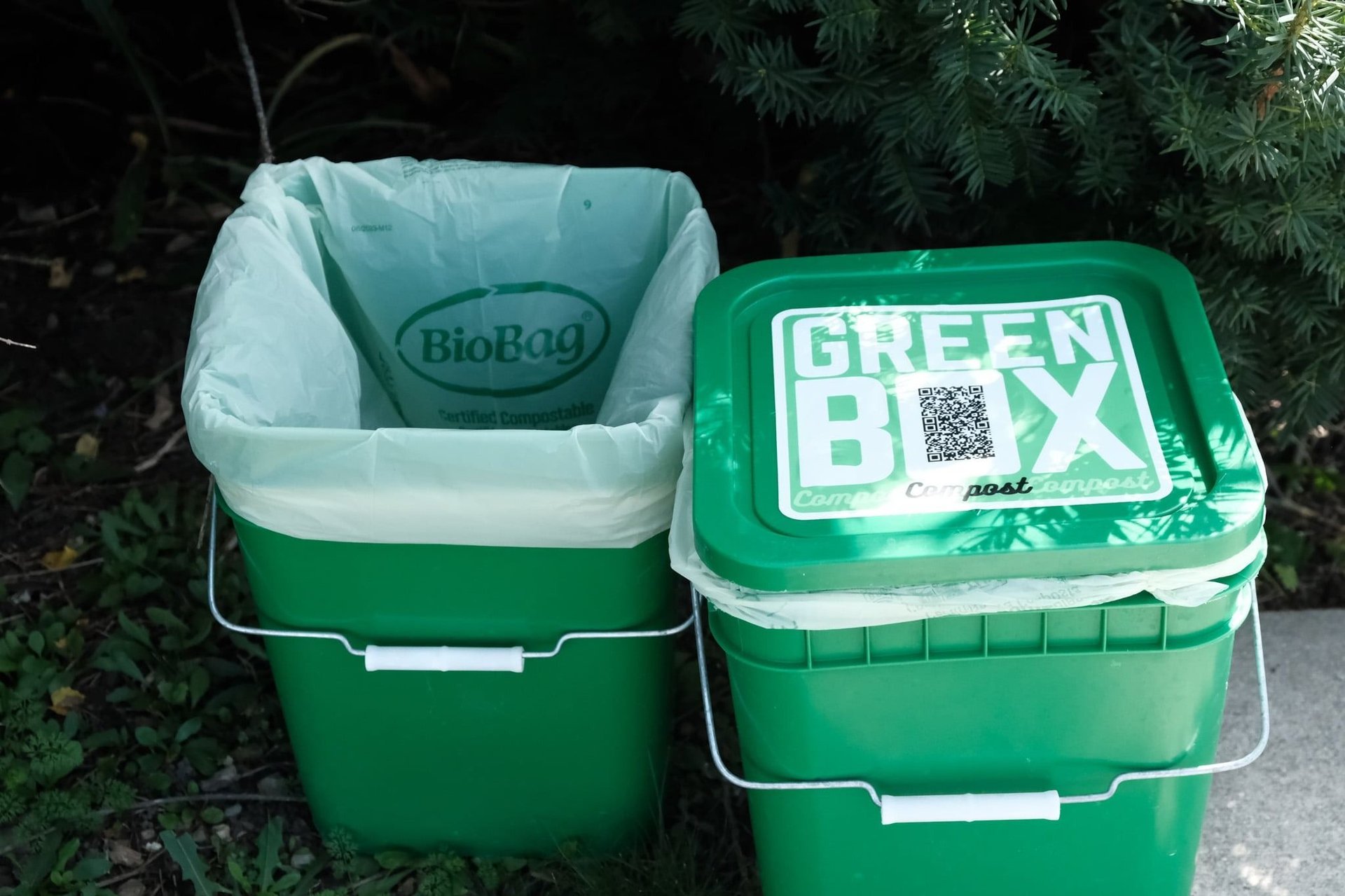
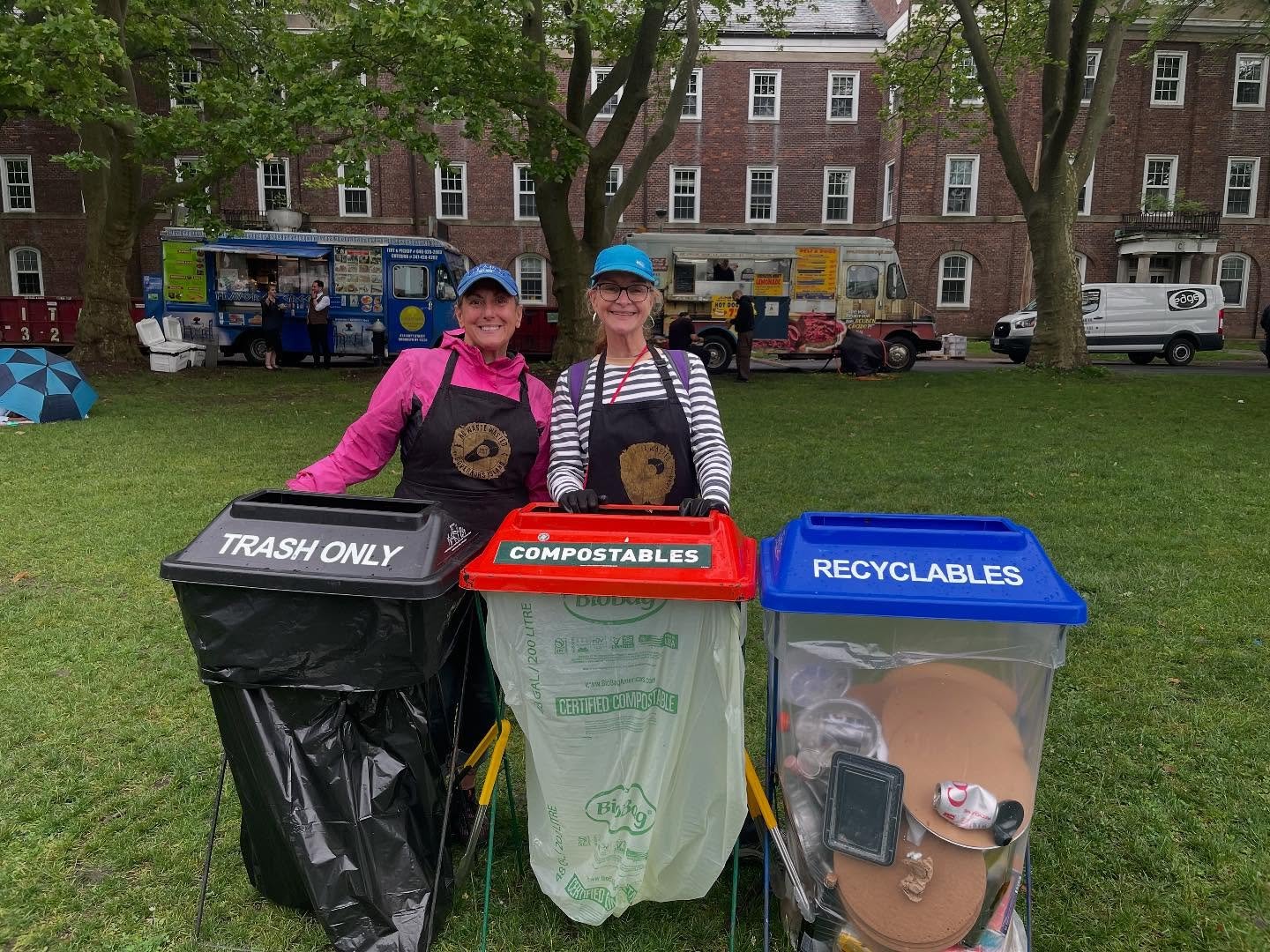
Events tend to generate a lot of waste, but yours doesn’t have to! Compost your next event with the help of Compost Collective KC. CCKC requires staff coverage for events with more than 500 attendees in order to monitor contamination & educate patrons about composting. If you have less than 30 attendees, you may prefer collecting your own waste using our extra-large compostable bags ($5 for 3 XL bags) and dropping it off at our free compost trailer located at Urbavore Urban Farm at 5500 Bennington Ave in KCMO.
How much organic material do you typically take in on a weekly basis?
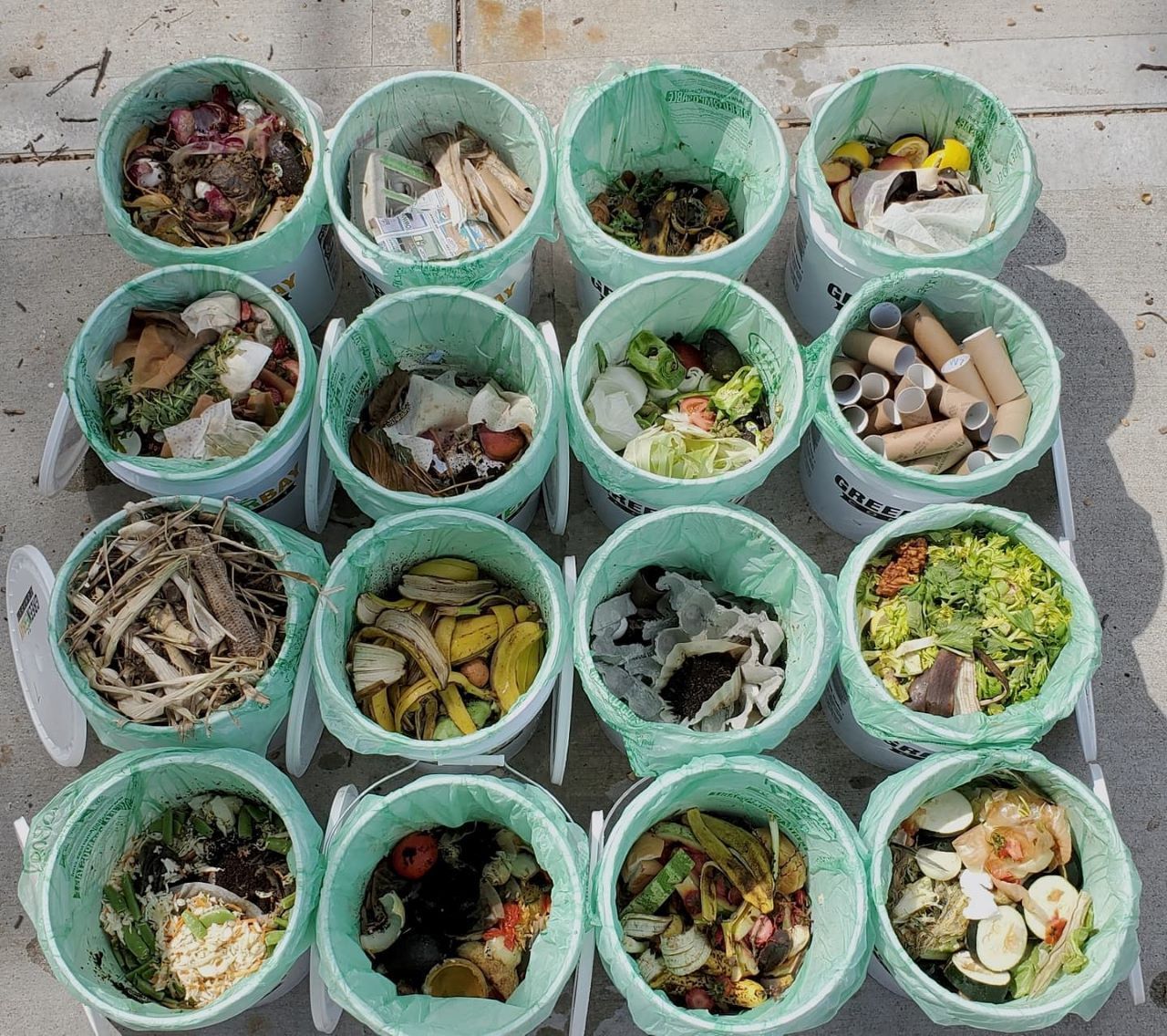
We are processing approximately 20,000lbs of compostable waste every week.
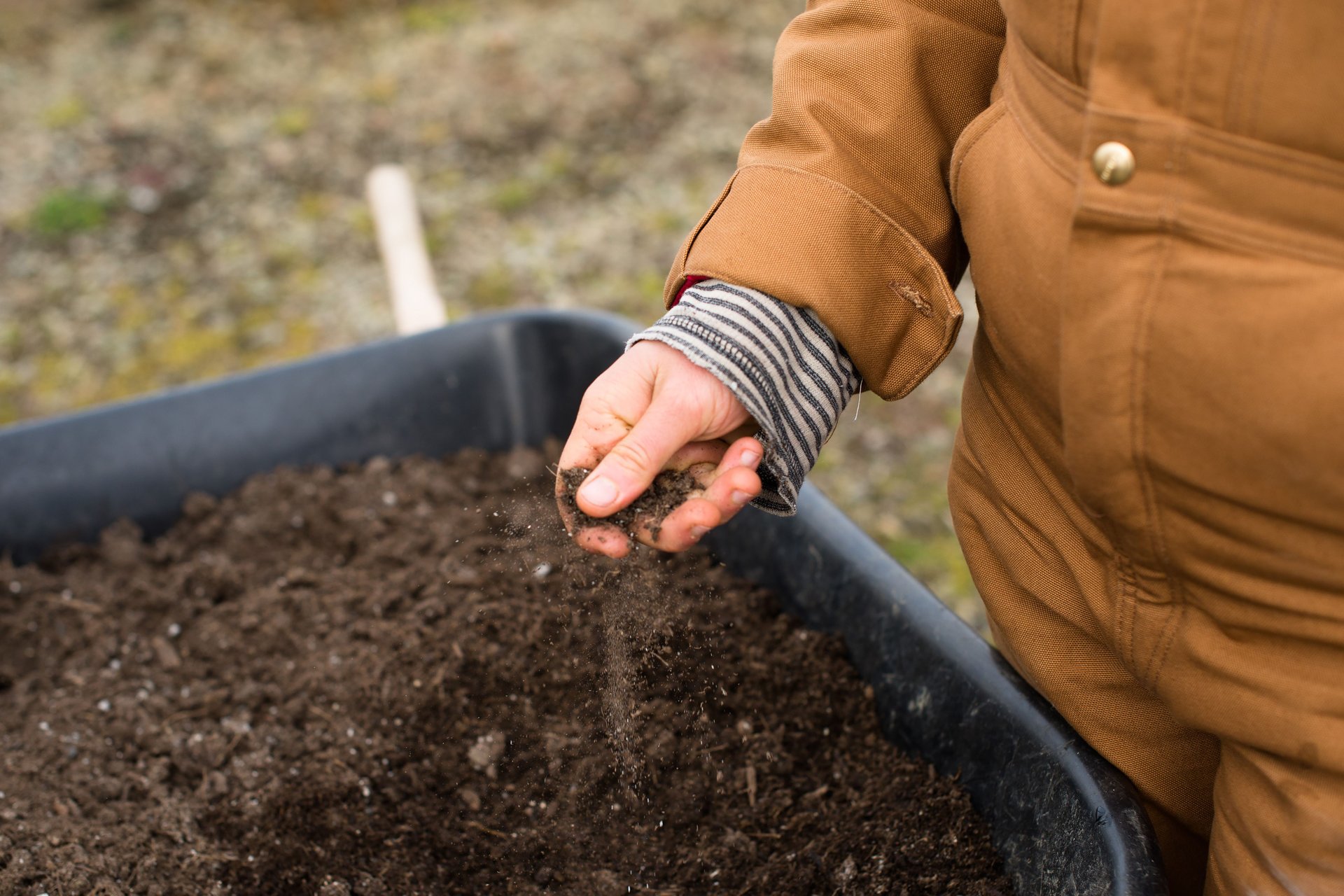
Curious how the impact of composting affects the environment?
Feel free to add any additional information about your operation as you see fit.
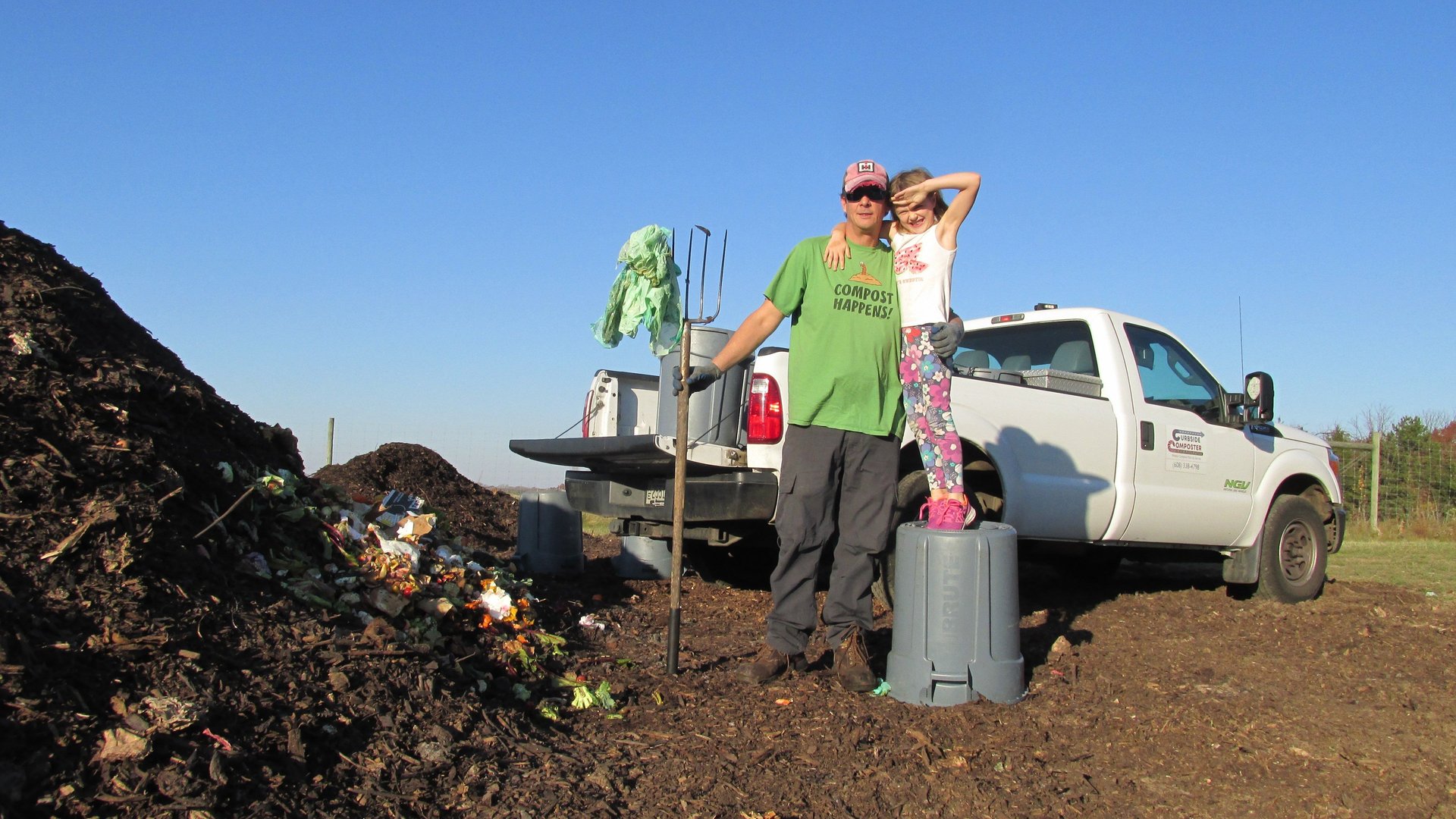
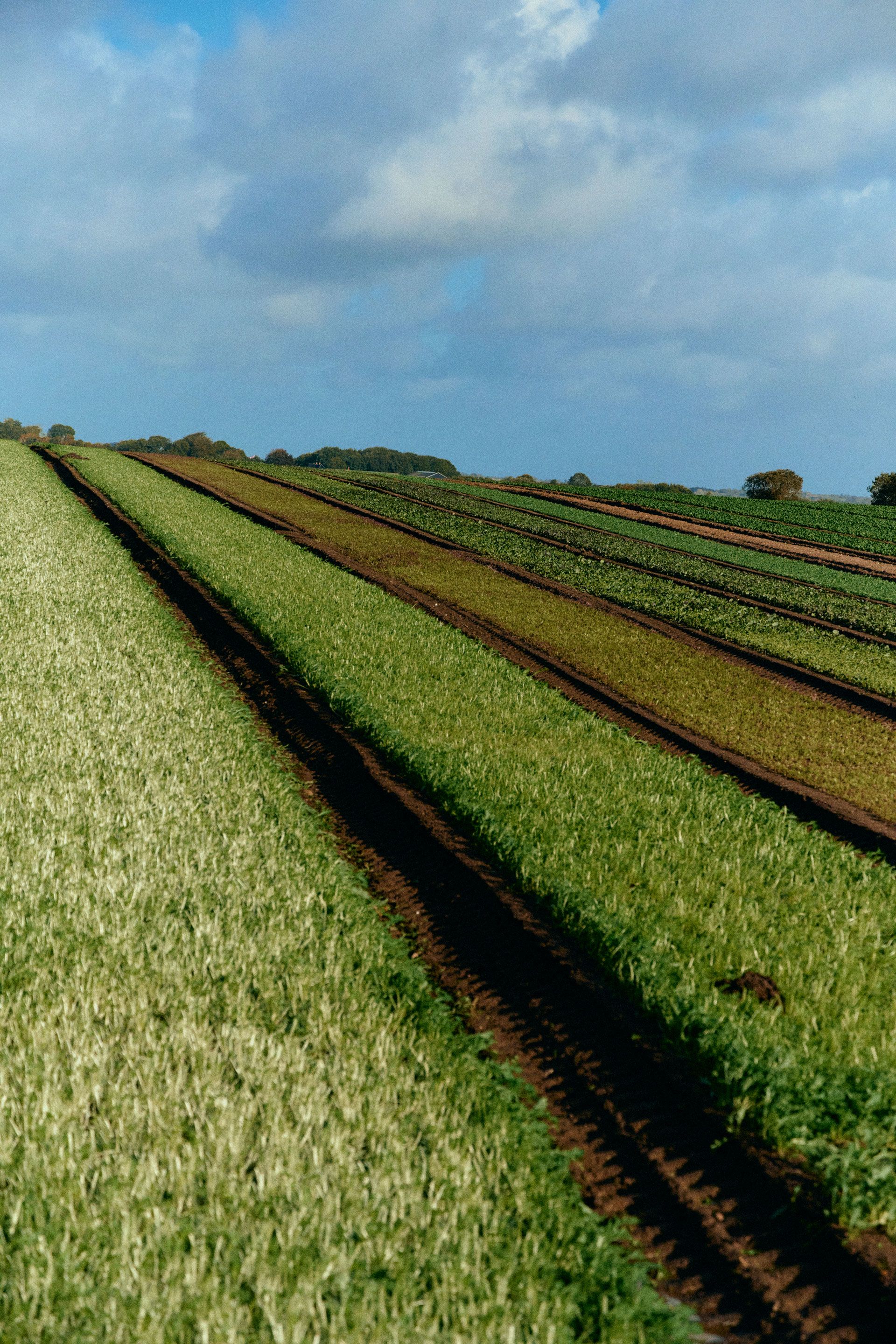
Compost Collective KC is partnered with a beautiful 14 acre urban farm/homestead called Urbavore Urban Farm that uses sustainable agriculture methods and off-grid practices including no-till farming, solar panel powering, water recycling from their ponds, etc. We love working alongside such an important community farm!
.jpg)