
ArticlePolicy & RegulationsSustainability & ImpactCommercial Business & InstitutionsEveryone & EverywhereMunicipalitiesRetailersFood Service & Hospitality

Compostable bags and the circular economy initiative

Written by The Biobag Team
biobag
Stay Inspired, Stay Connected!

Join the Biobag community and get practical tips, real stories, and updates on how compostable choices are making a difference - in homes, cities, and businesses.

Get in touch
Biobag b logo

An exciting European proposal on the Circular Economy Package in December 2015 paved the way for broader adoption of biodegradable materials across the EU.

Dive into the circular economy action plan package to learn about the changes soon to be taking place in the EU and how they will benefit consumers and member countries alike.

Biobag cycle

What is a circular economy?

A circular economy is a sustainable model that minimizes waste and maximizes resource use. Unlike the traditional linear economy of 'take, make, dispose,' it focuses on keeping products and materials in use and regenerating natural systems. Key principles include:

  • Designing out waste: Creating products that can be easily disassembled and reused, reducing pollution from the start.
  • Maintaining product use: Extending product lifespans through repair, refurbishment, and recycling.
  • Regenerating natural systems: Supporting natural processes and using renewable resources.

biobag

Benefits of a circular economy

  • Environmental: Reduces waste and pollution, conserves resources, and lowers emissions.
  • Economic: Drives innovation, creates jobs, and saves costs through efficient resource use.
  • Social: Improves quality of life by fostering sustainable practices.

Implementing a circular economy involves product life extension, sharing models, circular supply chains, and supportive policies. The goal is a closed-loop system that minimizes resource input and waste, promoting sustainability for a better future.

The European Commission acknowledges the need for EU citizens to use natural resources more sustainably. Without change, global resources will be insufficient to meet future needs. A core principle of the Circular Economy is "closing the loop," particularly the carbon loop. This involves increasing recycling and reducing landfill waste. By 2030, the EU aims to limit landfill waste to 10%, recycle 75% of packaging waste, and 65% of municipal waste. Waste cannot be exported without consent, ensuring responsibility remains local.

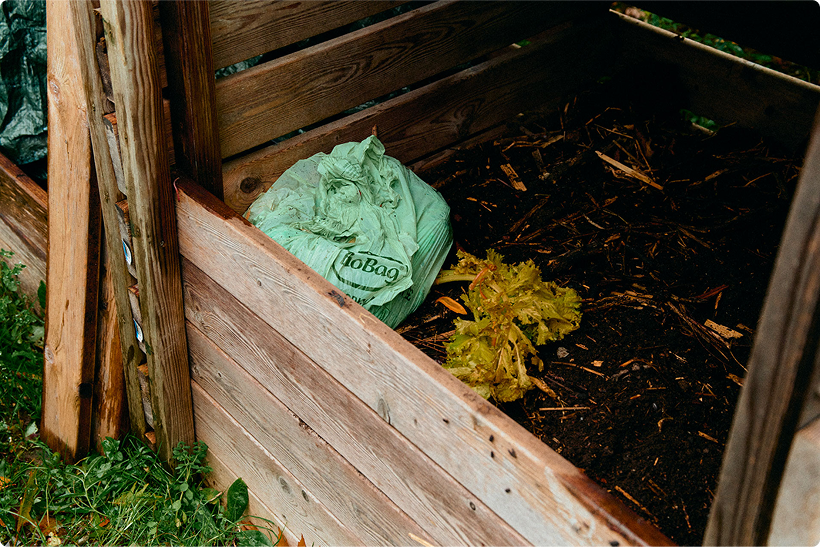
A key strategy in achieving these targets is the replacement of conventional plastic bags with compostable and biodegradable bags. If sorted and collected separately, organic waste can be converted into biogas or nutritious compost to grow new crops and nurture the soil. However, using conventional plastic bags for food scraps contaminates compost with microplastic, no matter how carefully we handle it. That’s why switching to fully certified compostable bag can be the solution. This ensures that compost or biopukp can safely return to the soil, free from harmful microplastic. 
Share this article:
Ready to take the Next Step?

Whether you need help choosing the right products or want guidance on rolling out compostable solutions across your business, we’re here to help.

Explore our products
Biobag Inspiration

Stories, tools, and ideas to help you make an impact.

Discover inspiring stories, expert advice, and practical tools to help you make sustainable choices, from composting smarter to supporting the circular economy. Our articles show where compostable solutions can make sense and how to build better habits at home, at work, or across entire communities.

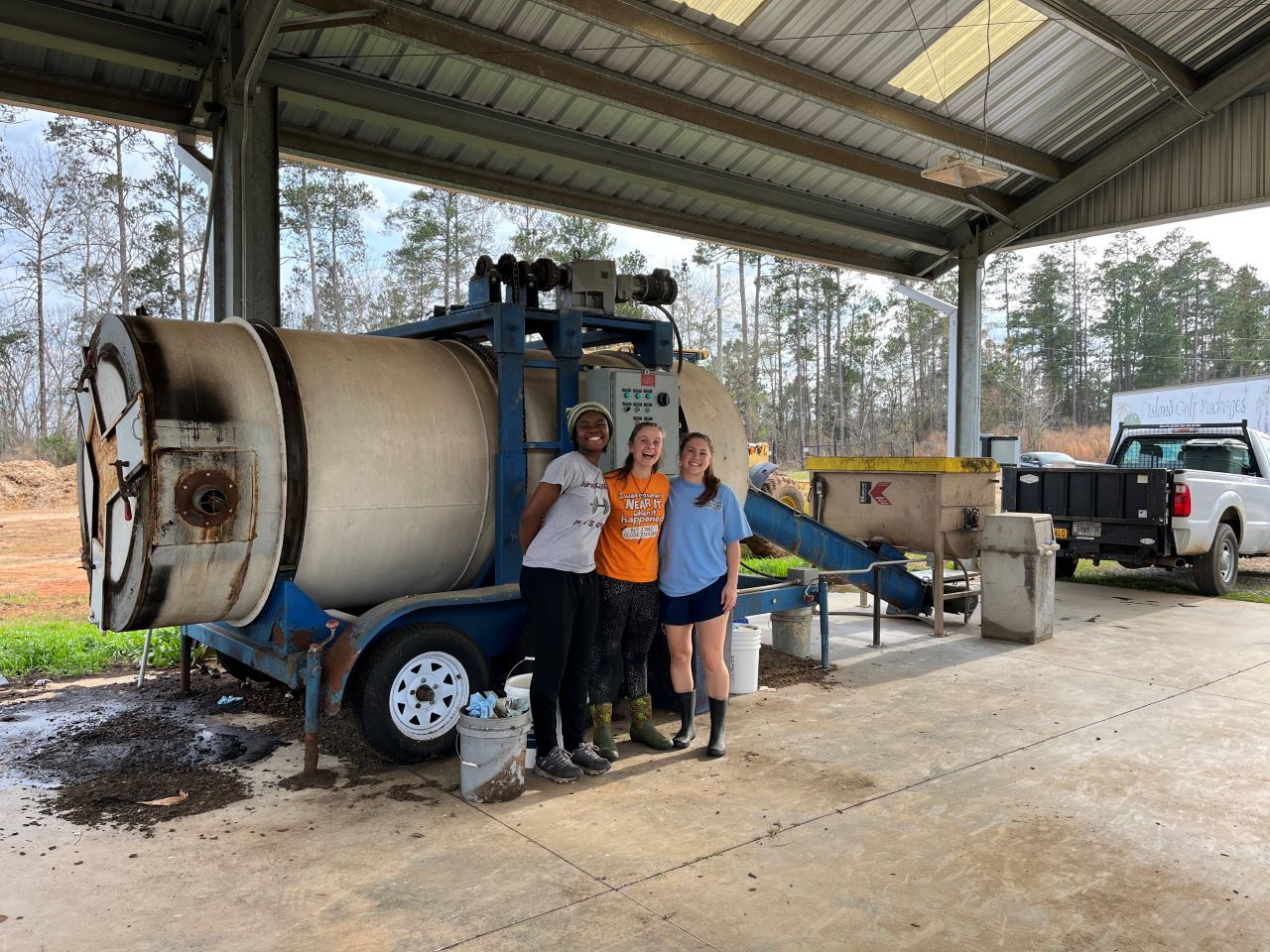
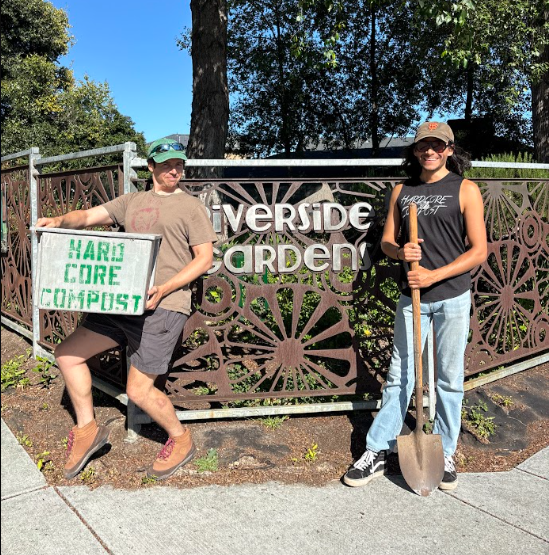
Community Hero November 2026: Hard Core Compost

Welcome to Biobag's Community Heroes series!

Composting & Soil HealthCommunity HeroesSustainability & ImpactEveryone & EverywhereCommercial Business & InstitutionsFarmers & AgricultureArticle

Community Hero October 2026: HSU Growing Supply

Welcome to Biobag's Community Heroes series!

Composting & Soil HealthCommunity HeroesSustainability & ImpactEveryone & EverywhereCommercial Business & InstitutionsFarmers & AgricultureArticle

Community Hero September 2026: Adirondack Worm Farm

Welcome to Biobag's Community Heroes series!

Composting & Soil HealthCommunity HeroesSustainability & ImpactEveryone & EverywhereCommercial Business & InstitutionsFarmers & AgricultureArticle

Community Hero August 2026: Compost Junction

Welcome to Biobag's Community Heroes series!

Composting & Soil HealthCommunity HeroesSustainability & ImpactEveryone & EverywhereCommercial Business & InstitutionsFarmers & AgricultureArticle

Community Hero July 2026: Hillside Solutions

Welcome to Biobag's Community Heroes series!

Composting & Soil HealthCommunity HeroesSustainability & ImpactEveryone & EverywhereCommercial Business & InstitutionsFarmers & AgricultureArticle

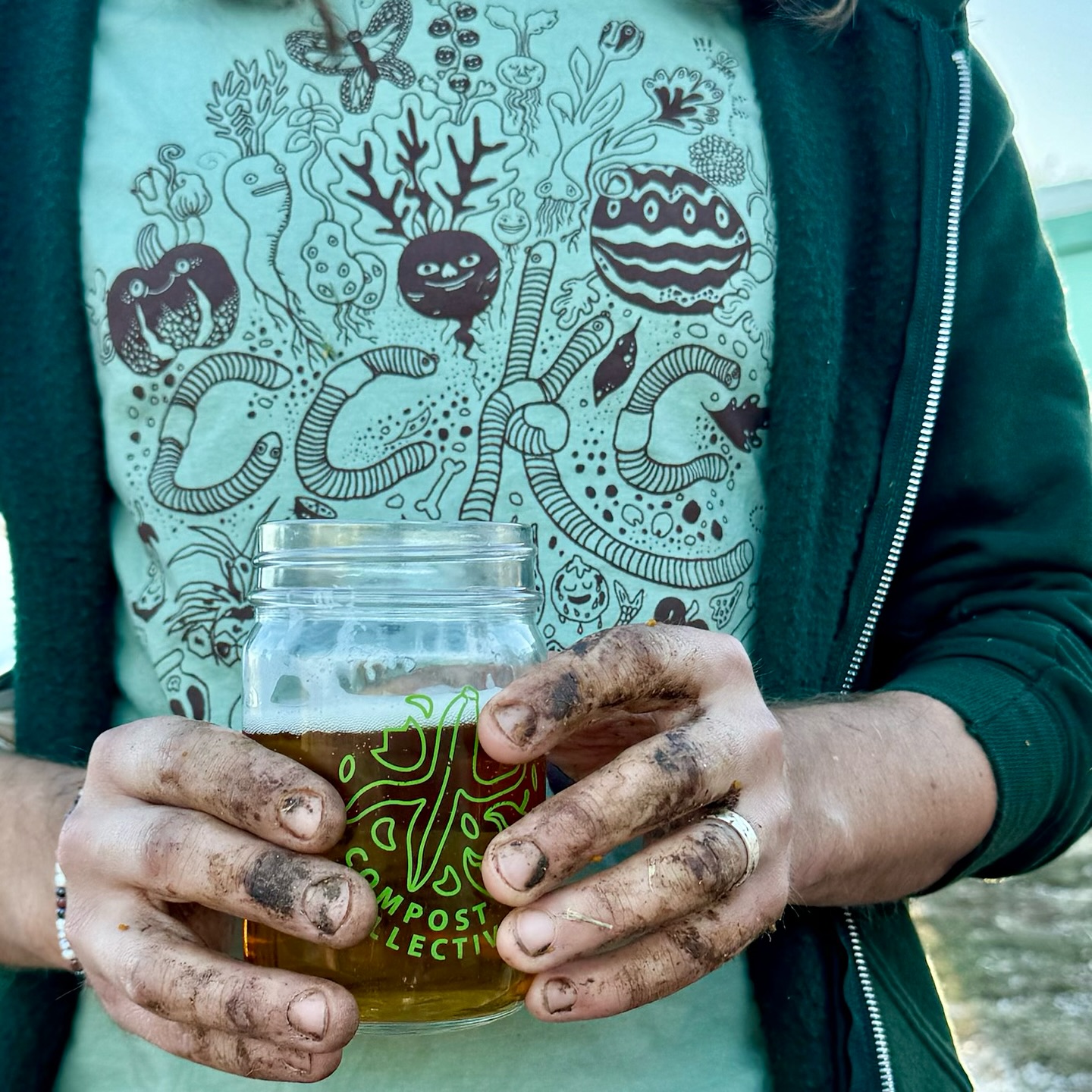
Community Hero June 2026: Compost Collective KC

Welcome to Biobag's Community Heroes series!

Composting & Soil HealthCommunity HeroesSustainability & ImpactEveryone & EverywhereCommercial Business & InstitutionsFarmers & AgricultureArticle

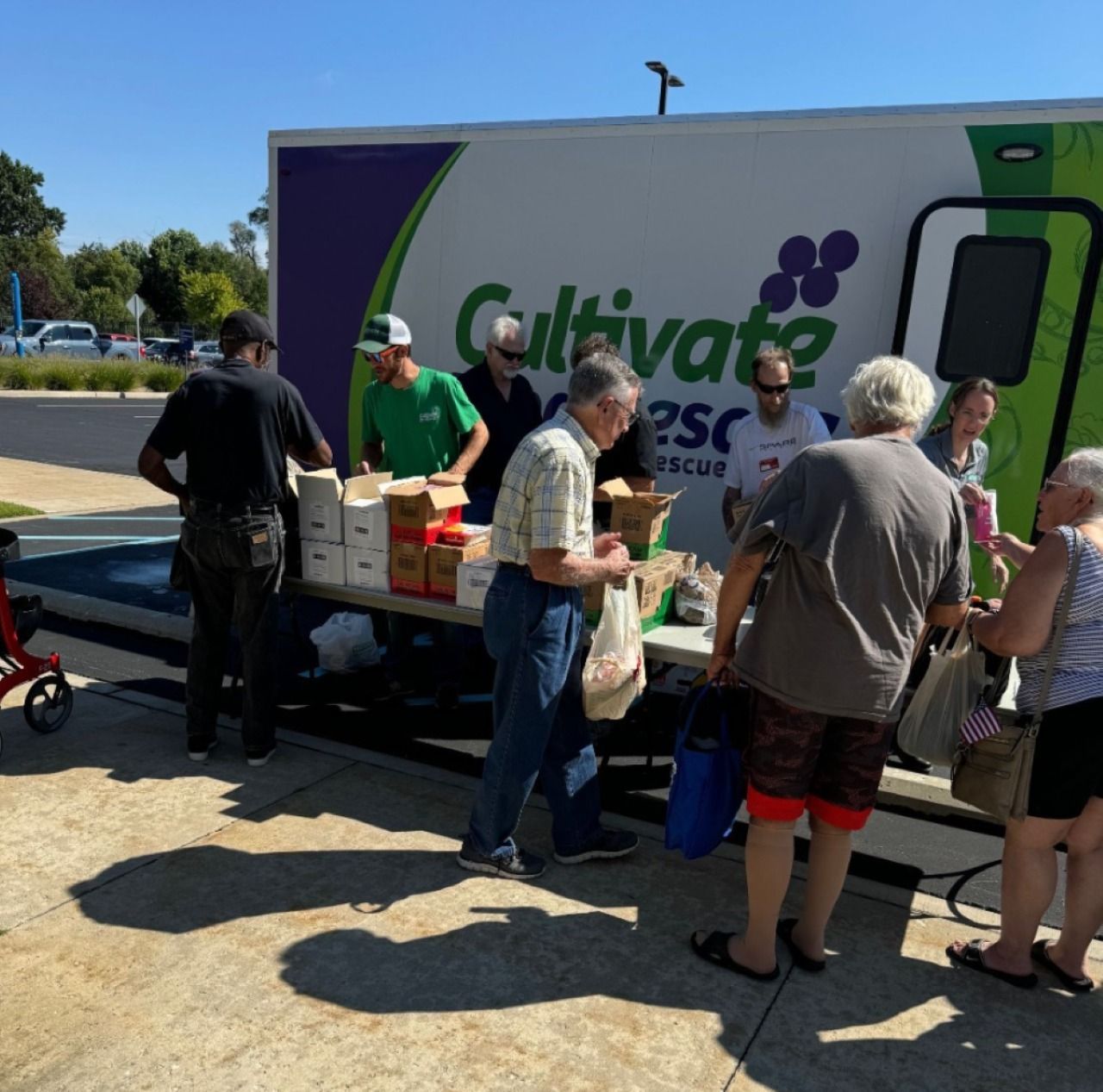
Community Hero November 2025: Cultivate Food Rescue

Welcome to Biobag's Community Heroes series!

Sustainability & ImpactCommunity HeroesCommercial Business & InstitutionsEveryone & EverywhereFood Service & HospitalityArticle

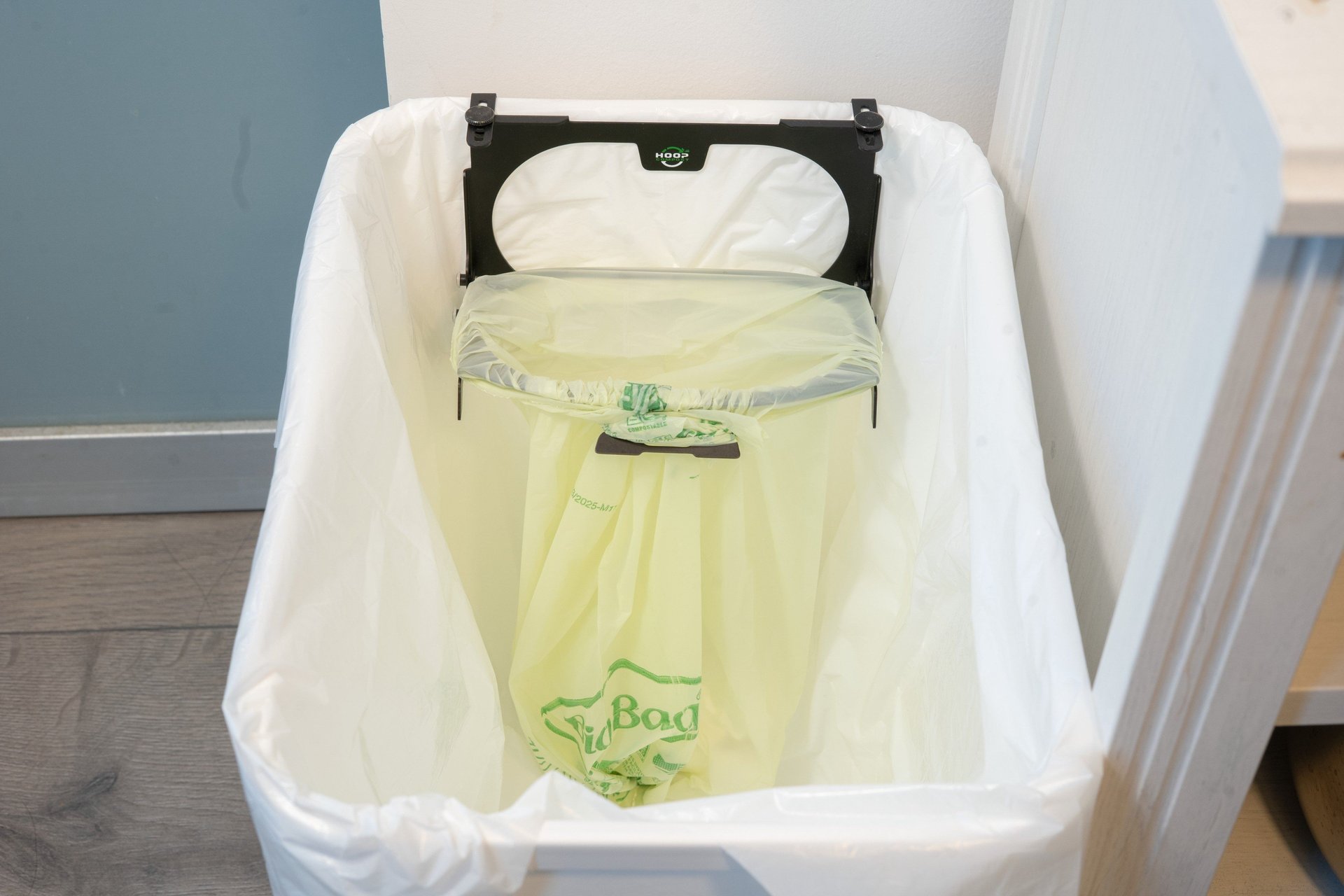
Community Hero October 2025: Hoop Compost

Welcome to Biobag's Community Heroes series!

Sustainability & ImpactProduct & Material InnovationCommunity HeroesCommercial Business & InstitutionsEveryone & EverywhereArticle

Biobag is part of Novamont Group, which is proud to be a Certified B Corp™

We are proud to share an important milestone: Biobag Group has been assessed as part of Novamont Group’s B Corp Certification.

Sustainability & ImpactEveryone & EverywhereArticle

A side order of microplastics, anyone?

Since its invention, humankind has produced an estimated 9.2 billion tonnes of plastic. Around 7 billion tonnes of it has already become waste.

Sustainability & ImpactEveryone & EverywhereArticle

Organic waste: an environmental threat or the best solution ever?

Organic waste is natural. But the amount we generate and what happens to it after disposal can create a serious environmental challenge.

Composting & Soil HealthSustainability & ImpactEveryone & EverywhereMunicipalitiesFood Service & HospitalityArticle

Nine reasons to choose compostable Biobags

Food waste is produced every day. How we collect and treat it determines whether its valuable resources are lost or kept in use.

Sustainability & ImpactComposting & Soil HealthEveryone & EverywhereCommercial Business & InstitutionsMunicipalitiesRetailersArticle

Community Hero July 2023: Four Hands for Healing Light

Welcome to Biobag's Community Heroes series!

Sustainability & ImpactCommunity HeroesEveryone & EverywhereFarmers & AgricultureArticle

Community Hero May 2023: GA College Composting

Welcome to Biobag's Community Heroes series!

Sustainability & ImpactComposting & Soil HealthCommunity HeroesEveryone & EverywhereArticle

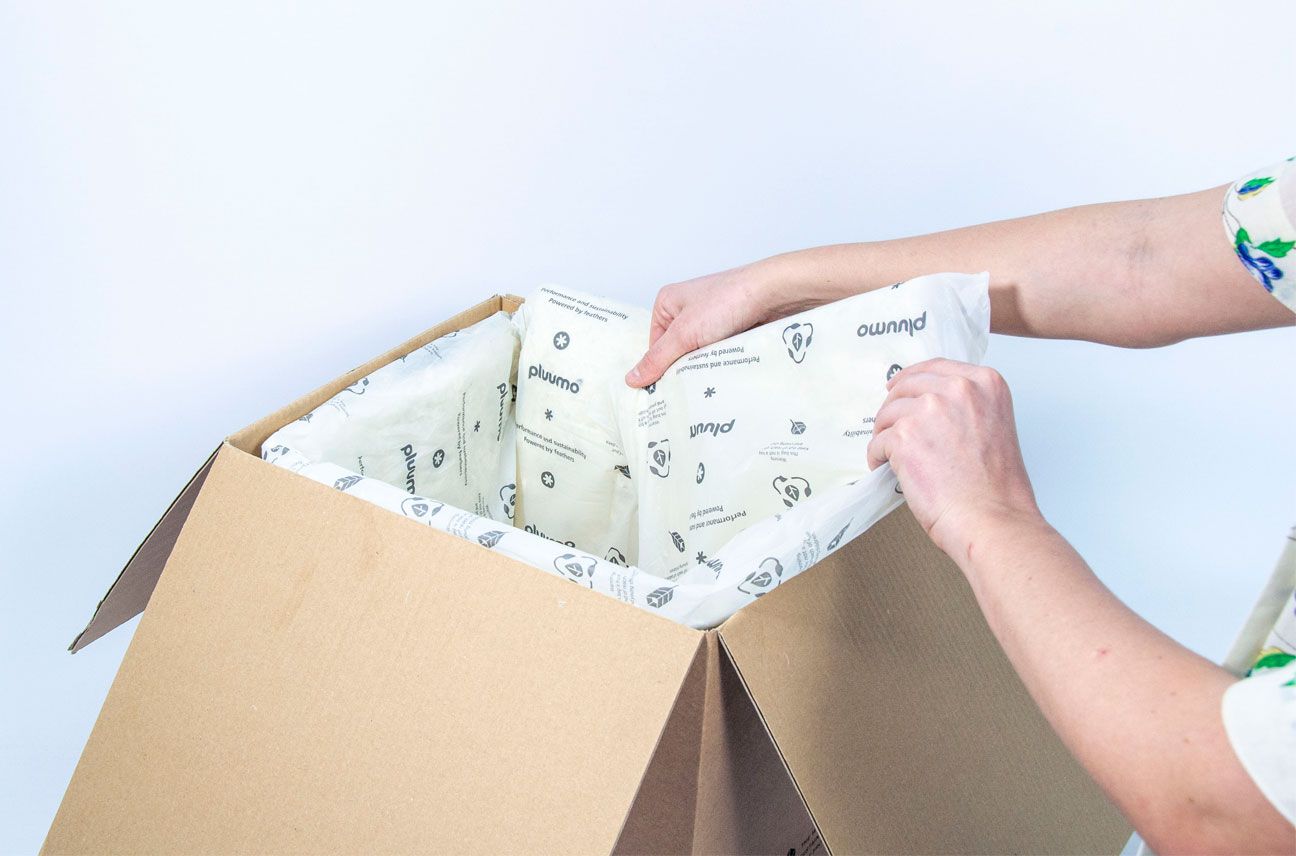
Turning surplus feathers into insulated packaging with compostable film

London-based start-up Aeropowder developed Pluumo, an insulated packaging material made using surplus feathers.

Product & Material InnovationSustainability & ImpactRetailersFood Service & HospitalityCommercial Business & InstitutionsArticle

What role can compostable products play in protecting soil?

Soil is the foundation of our food systems and an essential home for biodiversity. Yet an estimated 60–70% of soils in the EU are considered unhealthy.

Policy & RegulationsComposting & Soil HealthMunicipalitiesFarmers & AgricultureCommercial Business & InstitutionsArticle

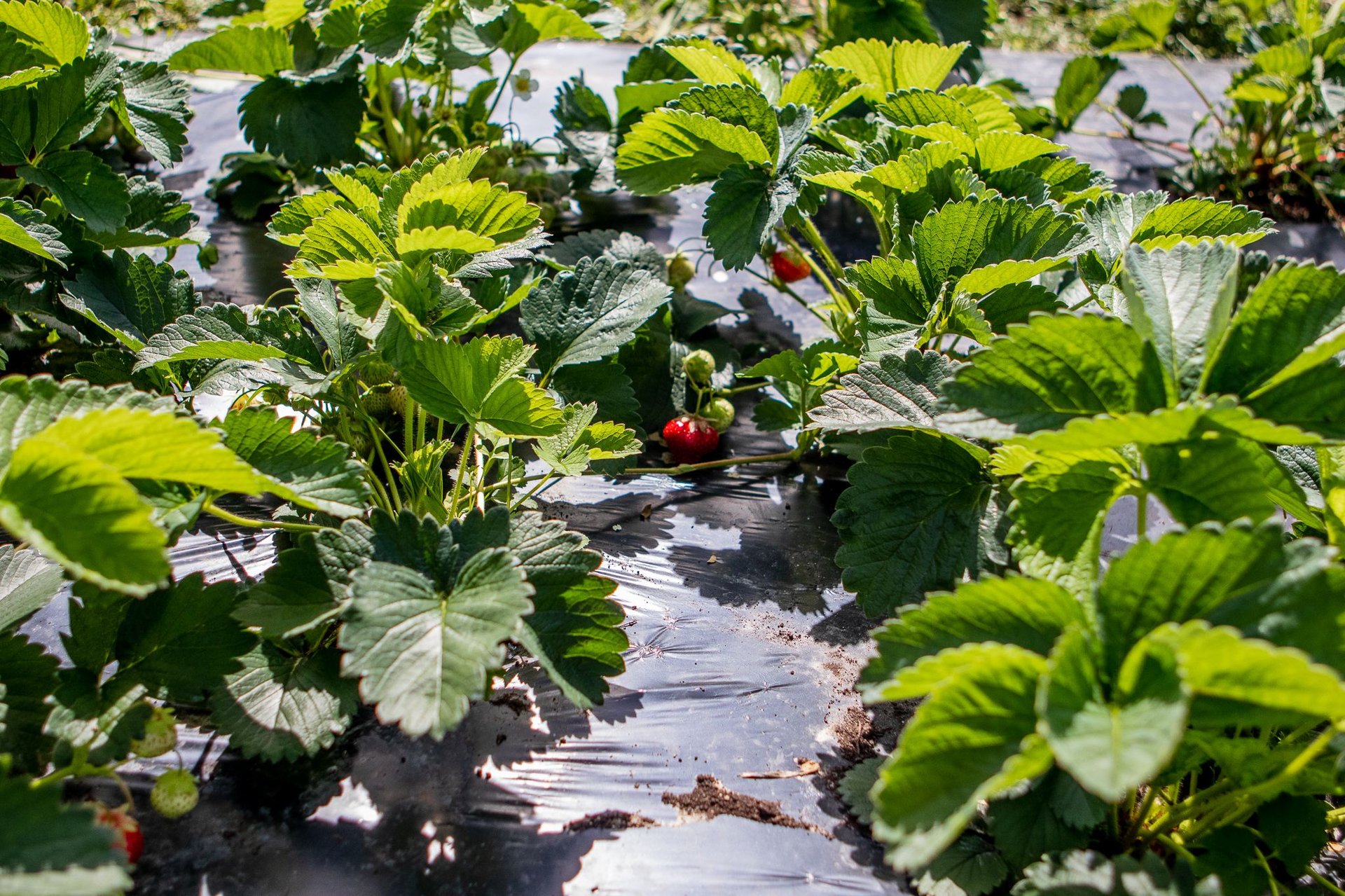
FAO highlights biodegradable alternatives for selected agricultural plastic applications

Plastic has become part of everyday life. Its durability and functionality make it useful in many applications, but plastic that is not properly collected and managed can remain in the environment and contribute to long-term pollution.

Sustainability & ImpactPolicy & RegulationsCommercial Business & InstitutionsFarmers & AgricultureMunicipalitiesArticle

Microplastics are everywhere - but what are the consequences?

Microplastics have been found across the environment, from oceans and rivers to agricultural soil and the air we breathe. Scientists are still working to understand exactly what this means for ecosystems and human health.

Sustainability & ImpactEveryone & EverywhereMunicipalitiesArticle

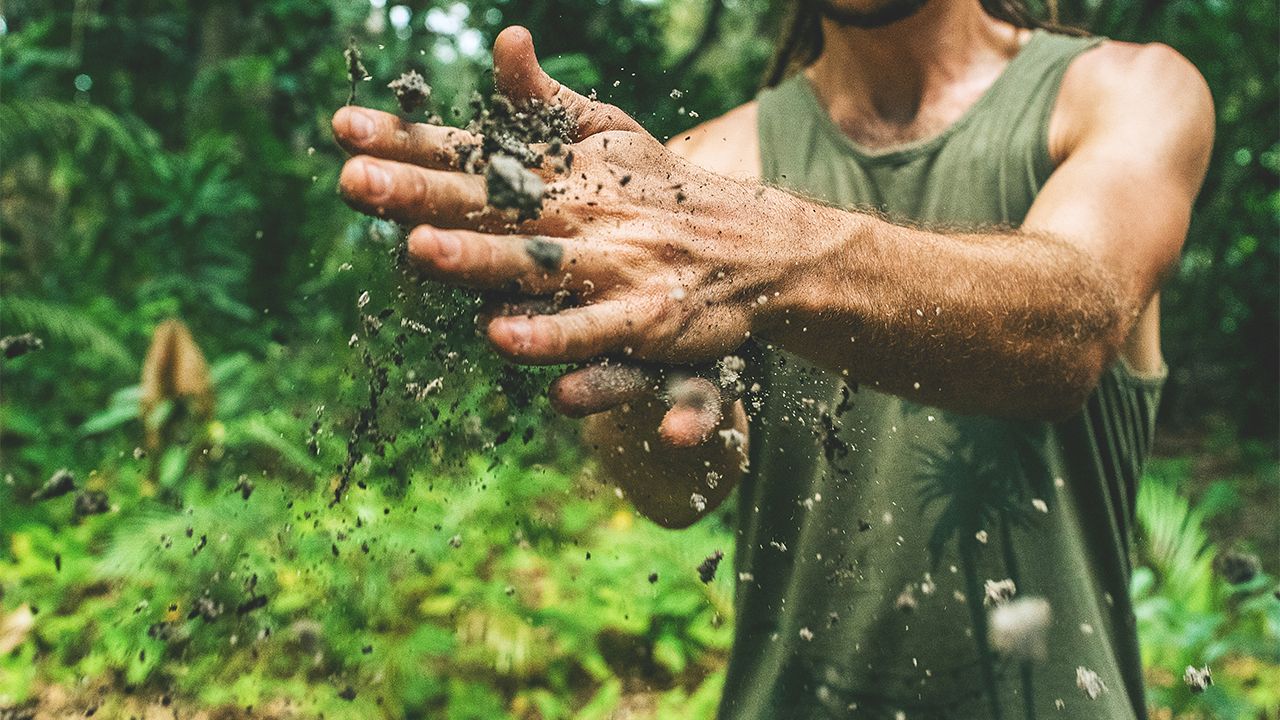
Life depends on healthy soil

Healthy soil supports food production, biodiversity and resilient ecosystems. Keeping organic-waste streams clean is one of the ways we can help protect this valuable resource.

Composting & Soil HealthSustainability & ImpactFarmers & AgricultureMunicipalitiesEveryone & EverywhereArticle

European scientific report examines where biodegradable plastics can play a role

Plastic has changed everyday life and provides valuable functionality in many applications. However, the production, use and disposal of plastic have also created a significant pollution problem.

Policy & RegulationsSustainability & ImpactMunicipalitiesFarmers & AgricultureCommercial Business & InstitutionsArticle

Biobag retail bags receive Cré certification for Irish food-waste bins

Biobag UK & Ireland’s retail range of compostable bags received Cré certification for use in Irish food-waste bins. At the time of the award, it was reported as the first retail range of compostable bags to receive this certification.

Sustainability & ImpactComposting & Soil HealthEveryone & EverywhereMunicipalitiesCommercial Business & InstitutionsRetailersFood Service & HospitalityArticle

Community Hero April 2021: Earth Diaper

Welcome to Biobag's Community Heroes series!

Sustainability & ImpactCommunity HeroesComposting & Soil HealthEveryone & EverywhereArticle

Novamont acquires Biobag and strengthens its global presence

Italian company Novamont, a leader in the development and production of biochemicals and compostable bioplastics, announced that it had acquired Biobag Group, a Norway-based supplier of certified compostable solutions for waste collection and packaging.

Sustainability & ImpactProduct & Material InnovationEveryone & EverywhereCommercial Business & InstitutionsMunicipalitiesRetailersFood Service & HospitalityArticle

The role of bioplastic in a circular economy

Biobags are made of Mater-Bi, a family of biodegradable and compostable bioplastics developed by Novamont. These materials are designed for specific applications where biodegradability or compostability can support the collection and biological treatment of organic waste.

Composting & Soil HealthSustainability & ImpactMunicipalitiesFarmers & AgricultureEveryone & EverywhereArticle

Community Hero September 2020: Heather Gardens Green Team

Welcome to Biobag's Community Heroes series!

Sustainability & ImpactCommunity HeroesEveryone & EverywhereArticle

Community Hero April 2020: Pinellas Community Compost

Welcome to Biobag's Community Heroes series!

Community HeroesSustainability & ImpactEveryone & EverywhereArticle

Microorganisms biodegrade biodegradable plastics

An ETH Zurich and EAWAG study shows microorganisms can fully break down biodegradable plastics into natural components.

Sustainability & ImpactComposting & Soil HealthFarmers & AgricultureMunicipalitiesCommercial Business & InstitutionsEveryone & EverywhereArticle

Turn inspiration into action

Our compostable solutions help transform organic waste into renewable energy and nutrient-rich compost to grow new life.

Explore Our Compostable Range
biobag

Get in touch

We will be happy to hear from you, so please write if you have questions about our products, want to meet one of our salespeople or you just have a great idea for a new product. Fill out the form and we will get back to you shortly.

I consent that you store my information and reach out to me in accordance with your Privacy Policy