
ArticlePolicy & RegulationsSustainability & ImpactMunicipalitiesFarmers & AgricultureCommercial Business & Institutions

EU report concludes that bioplastics play an important role in circular economy

Written by The Biobag Team
biobag
Stay Inspired, Stay Connected!

Join the Biobag community and get practical tips, real stories, and updates on how compostable choices are making a difference - in homes, cities, and businesses.

Get in touch
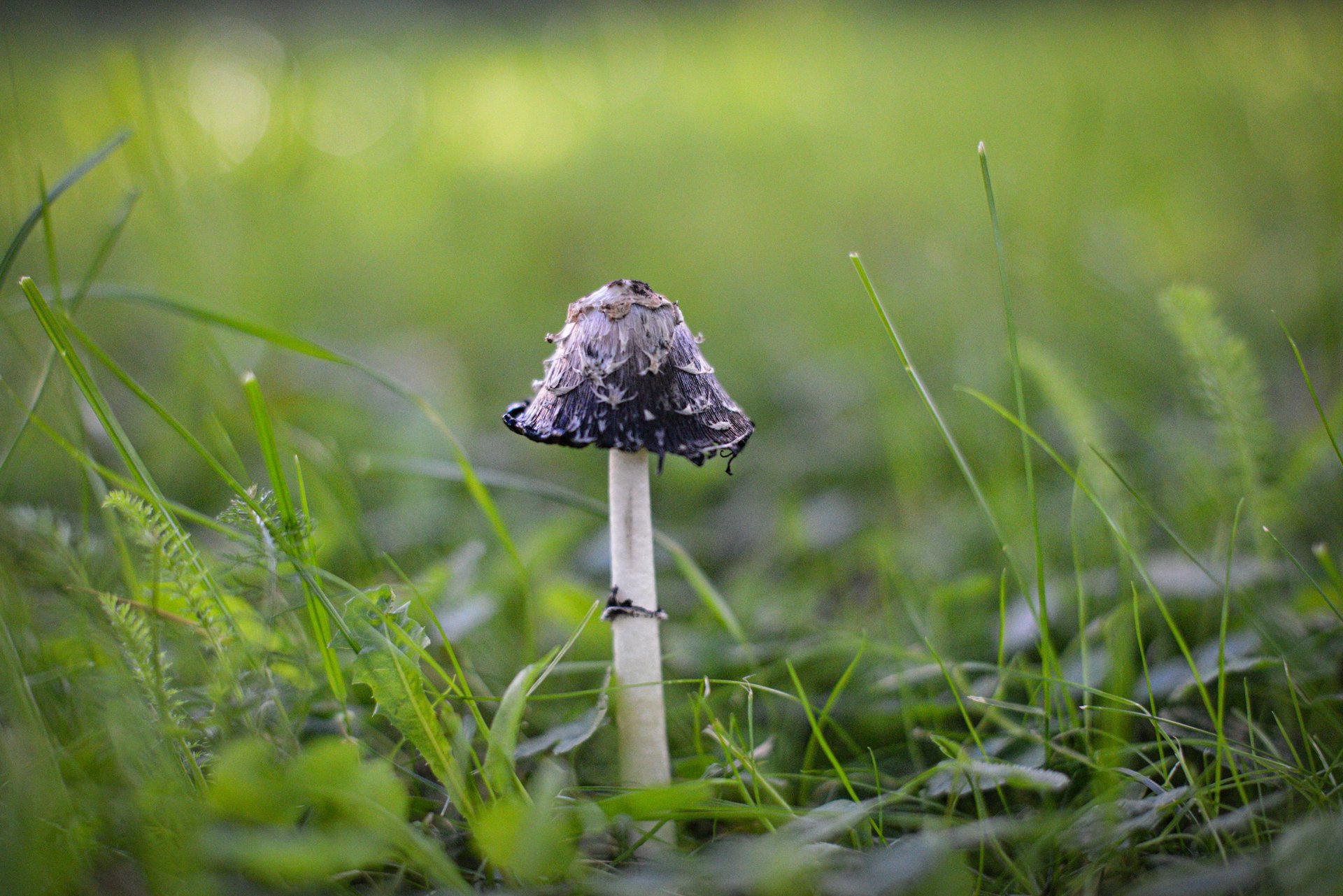
Biobag microorganism

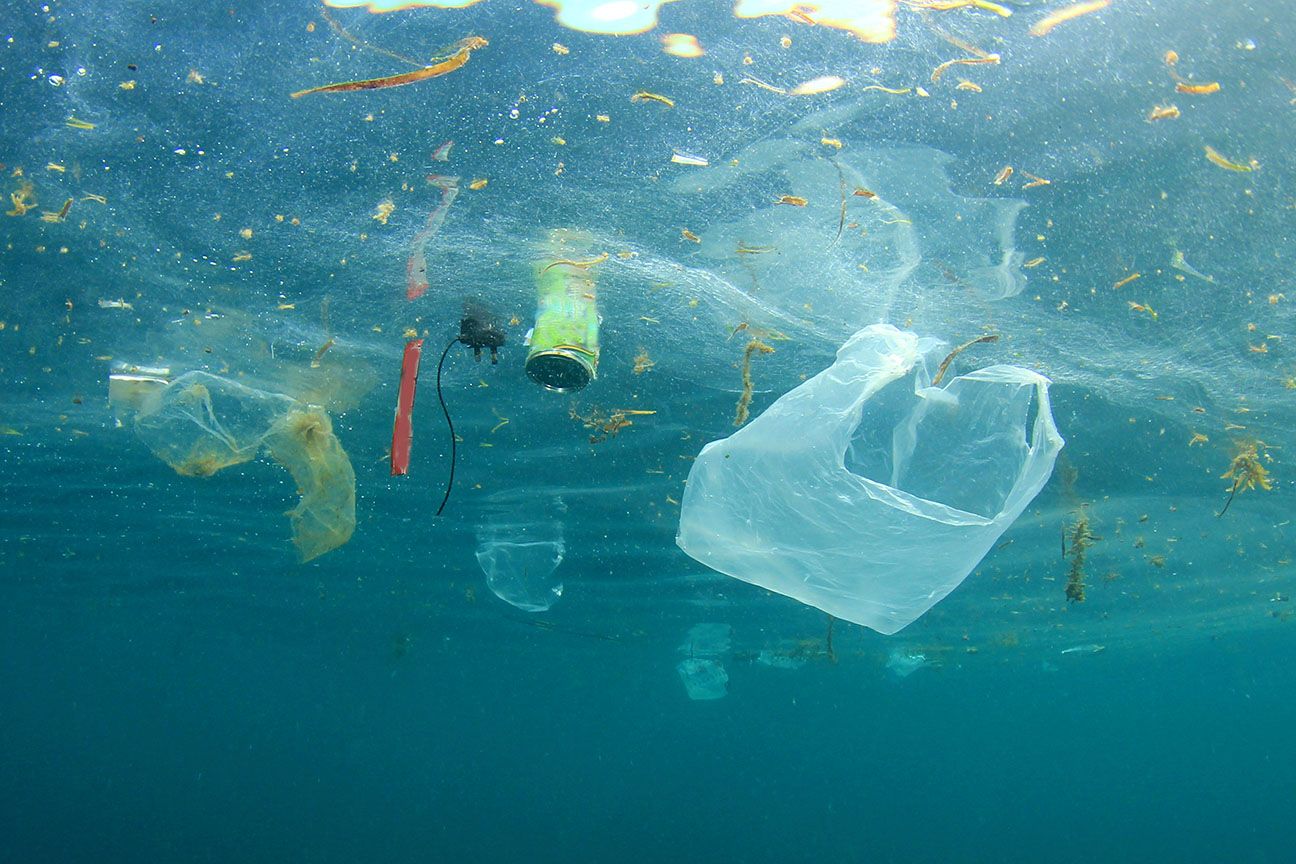
Plastic has changed our everyday lives and, in many ways, making it more comfortable. Plastic has, however, also created a significant pollution problem for animals, humans and the environment. Everything points towards plastic production will continue to increase.

The EU  developed a plastics strategy based on a circular economy’s principles to address limiting, reusing and recycling plastic products. The European Commission's Scientific Advice Mechanism (SAM) recently published a report concerning the Biodegradability of bioplastics in the environment.

The report concluded that bioplastics HAVE a role in the future sustainable management of waste and also in the circular economy. The report goes into depth about the advantageous utilisation of bioplastics and emphasises that bioplastics are not a quick fix or a replacement for conventional plastics. Where bioplastic is appropriate to use; however, it makes both good sense and offers excellent benefits. In sustainable waste management, waste fractions must be as clean as possible before recycling. The EU report concludes that in circumstances where it is challenging to separate plastic from organic material destined for composting or biogas, bioplastics are an appropriate and sustainable solution. 

The report indicates the EU's plastics strategy has identified a need for legislation on bioplastics.

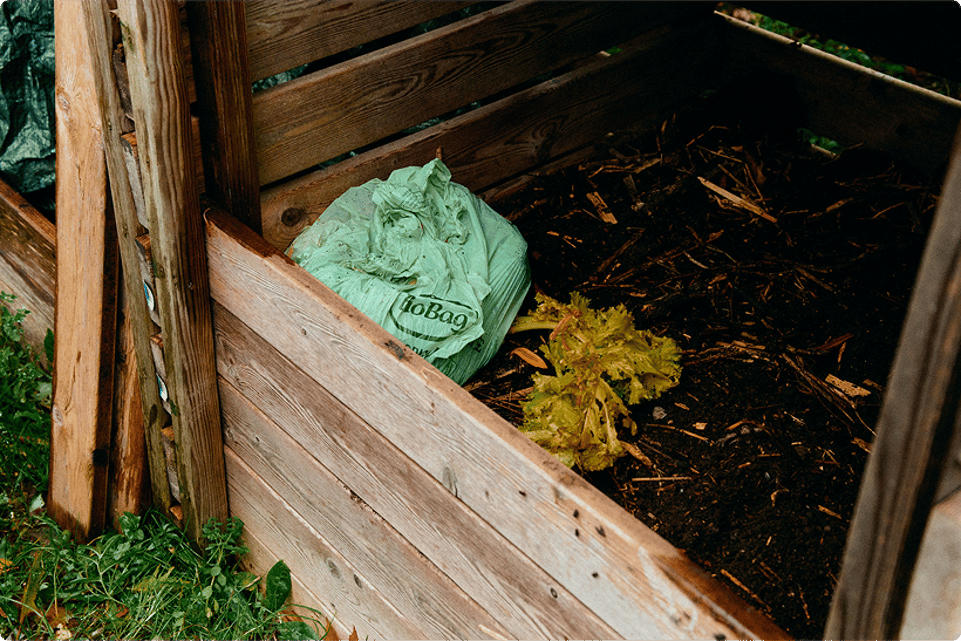
Plastic fractions highly contaminated with food waste cannot be recycled and are often therefore incinerated or, in worst cases, in some countries sent to landfill. By using compostable bioplastic to package food, the packaging can be composted together with the food waste.

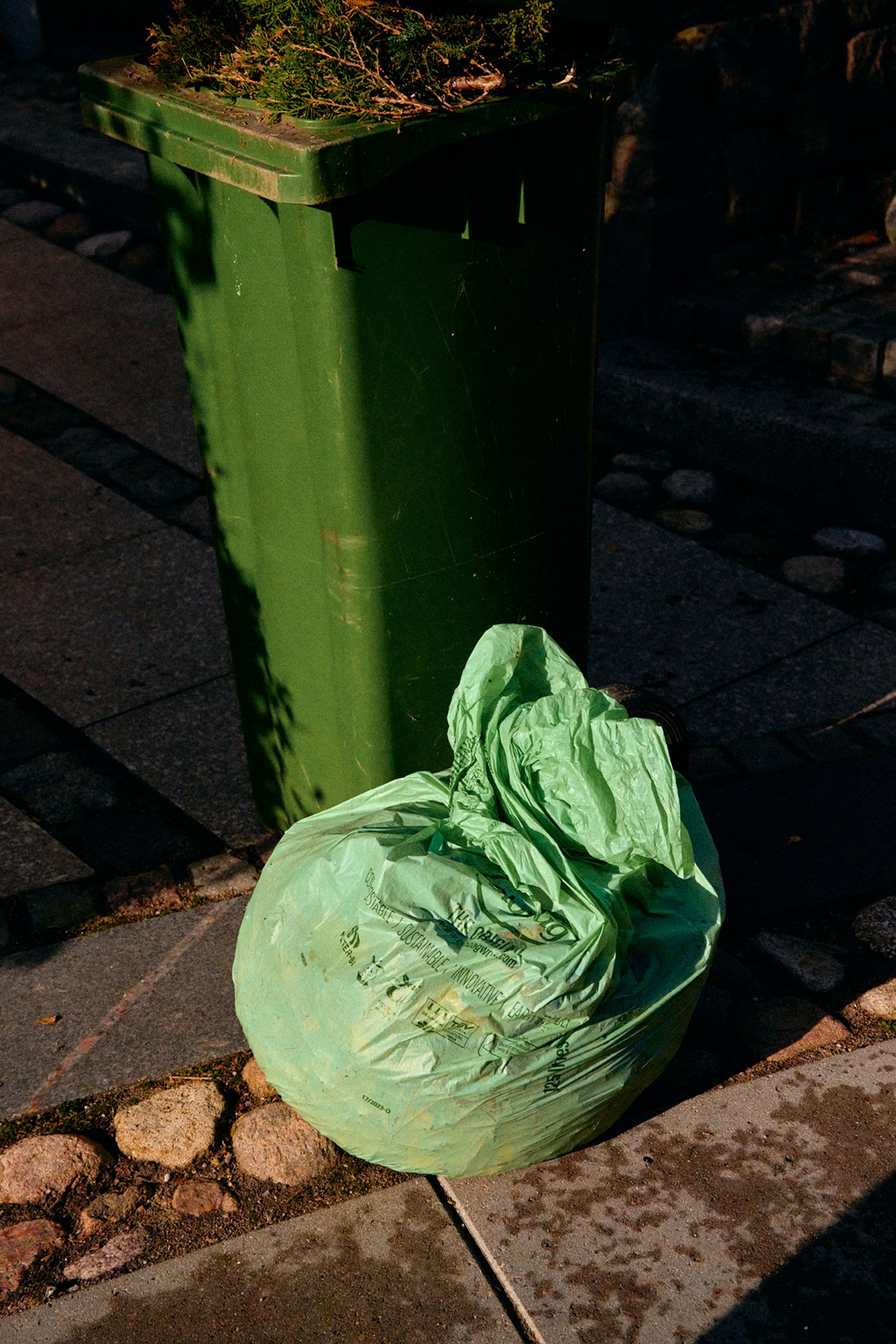
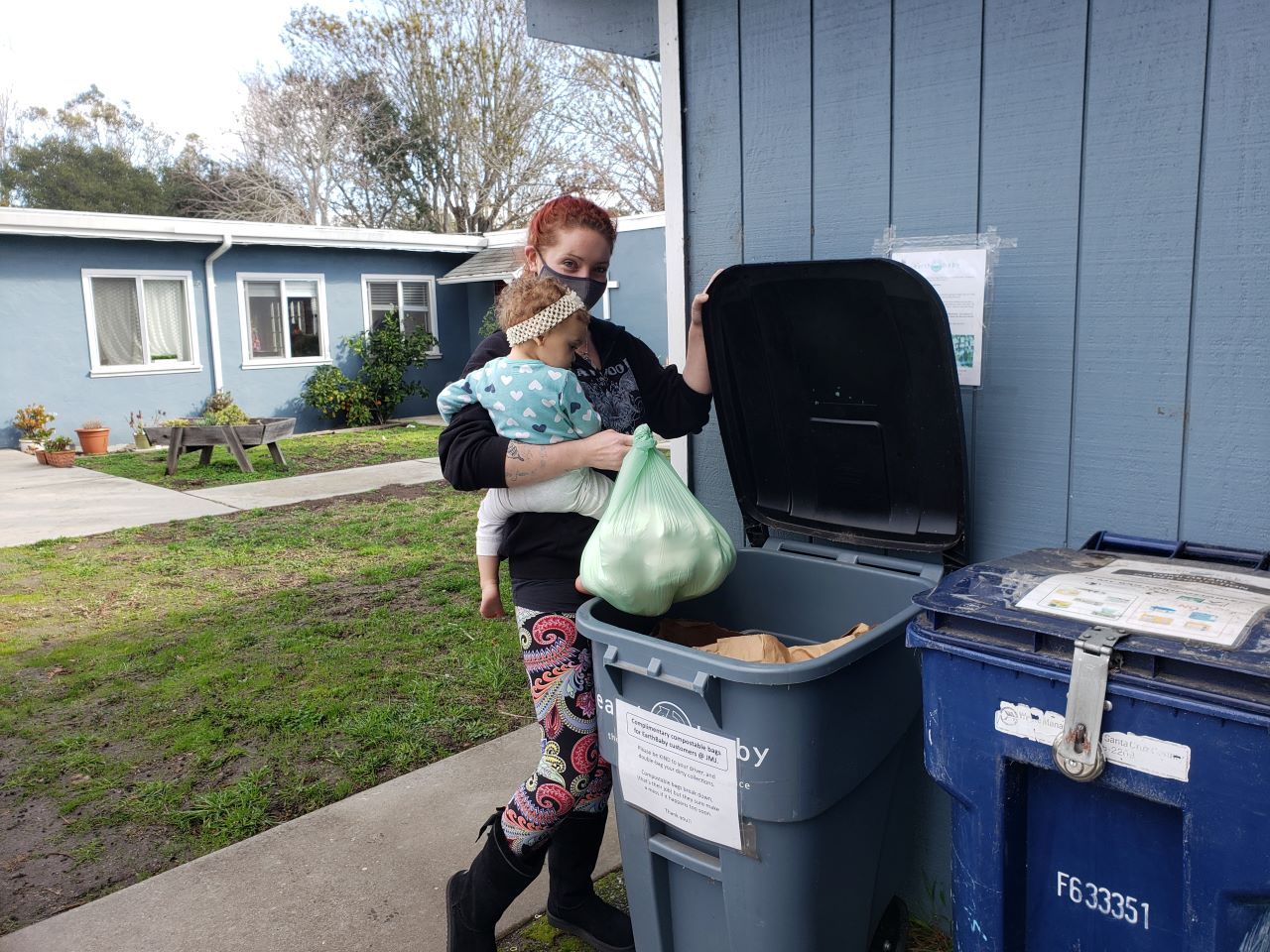
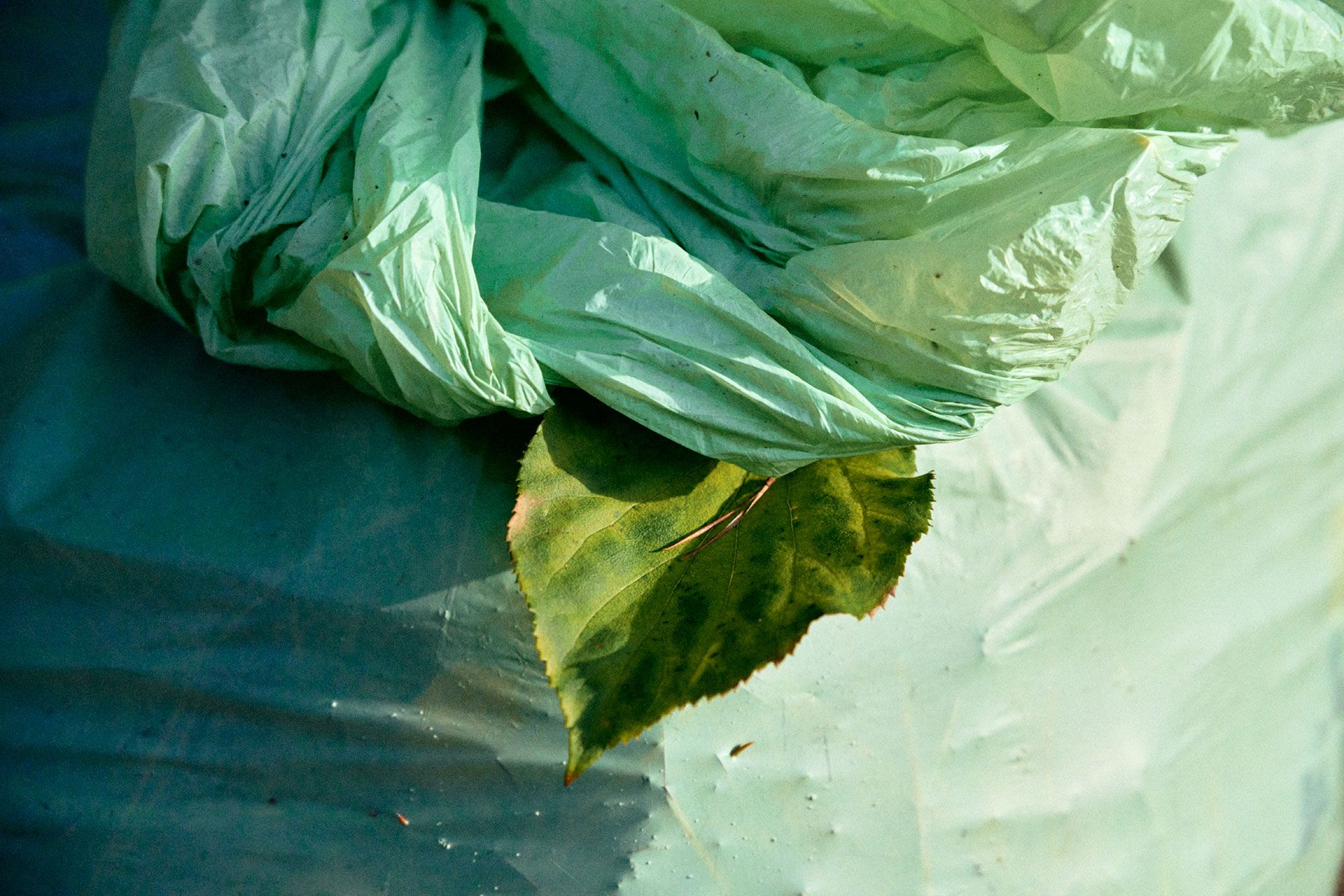
Several studies indicate that when food waste is collected using certified biodegradable waste bags, the amount of food waste collected increases, and the food waste fraction is cleaner. All factors that make the collection and treatment of food waste even more sustainable. Moreover, it ensures no fossil microplastic is spread on the fields because bio bags decompose entirely. Read more about the role of bioplastics in the circular economy here.
Biobag green

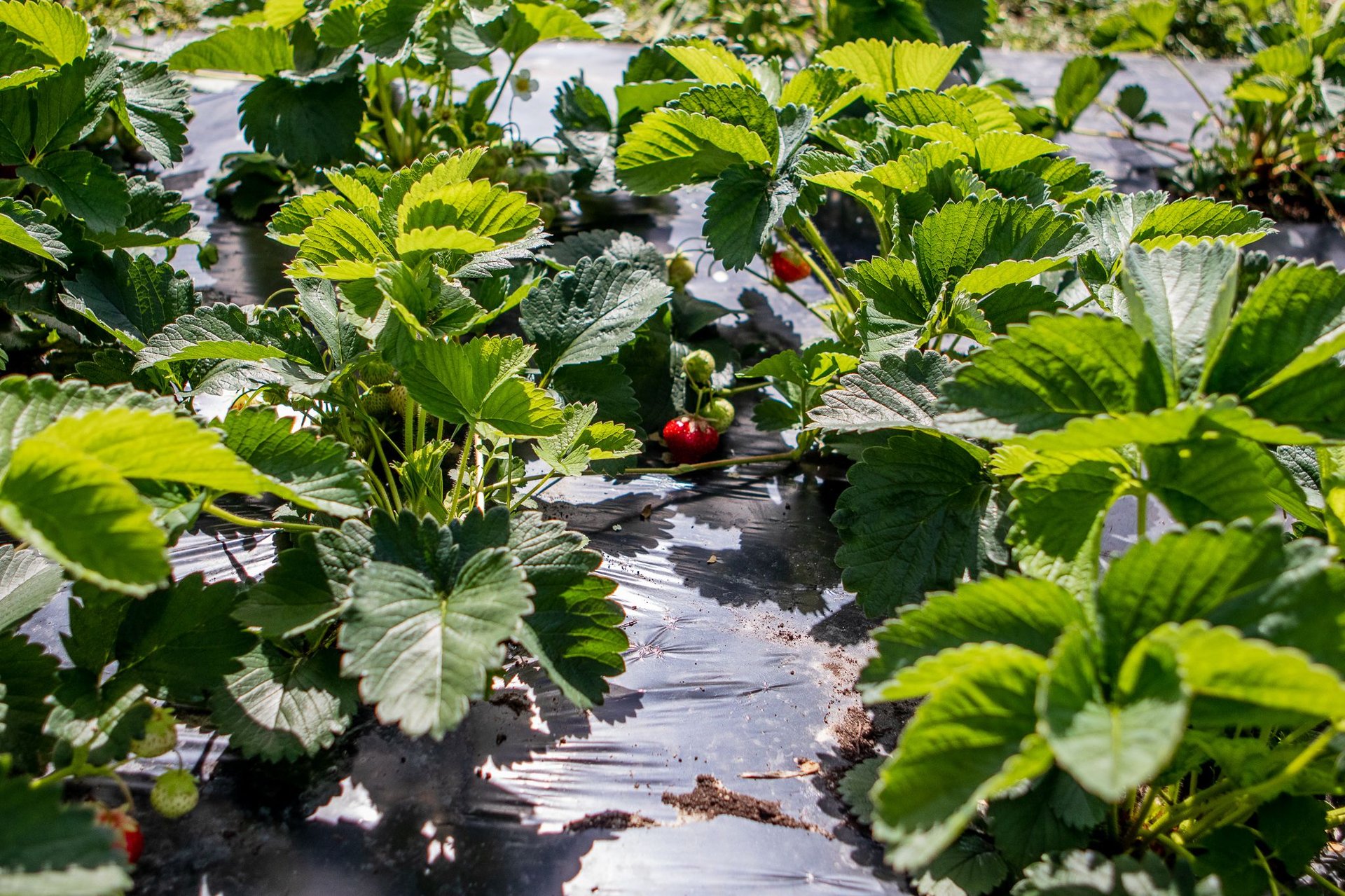
The report indicates the EU's plastics strategy has identified a need for legislation on bioplastics, providing clear and harmonised rules for defining biodegradable and compostable plastics. This will ensure bioplastic meet all the requirements in terms of degradability and those products that do not meet the criteria are banned to avoid contamination. Certification has always been a vital aspect of the Biobag brand. We very much welcome the introduction of clear legislation in this area. Since conventional plastic does not decompose, it remains in the soil. The amount of conventional plastic in the soil accumulates after every harvest and, in the long run, results in agricultural soil full of plastic residues. A compostable and biodegradable Mulch Film can simply be ploughed into the soil, where it will break down into water, carbon dioxide, and humus/biomass. Read more about BioAgri here.

In agriculture, the use of conventional plastic mulch film is widespread in Europe. The report states that compostable bioplastic is an exceptionally environmentally friendly alternative. Mulch film must be removed from the fields after each harvest. It is difficult to capture all of the plastic, and many small pieces of plastic are often left in the ground.

Our products’ certification provides clear information on how, and in which conditions, our products decompose. Read more about bioplastic certifications here

Biobag supports the EU report. It aligns with our vision for biodegradable plastic products. Our wide range of waste bags, sacks and liners for collecting organic waste and biodegradable mulch film support the areas the EU report pinpoint as advantageous to use biodegradable bags. As mentioned in the report, there is significant research, development, and ingenuity in waste management and plastic production. We continuously develop our products, and we want to remain at the forefront of best practice.
Share this article:
Join Us in Making a Difference

Discover how Biobag compostable bags and bioplastics contribute to a cleaner, more sustainable planet through innovative, environmentally conscious products.

Explore our products
Biobag Inspiration

Stories, tools, and ideas to help you make an impact.

Discover inspiring stories, expert advice, and practical tools to help you make sustainable choices, from composting smarter to supporting the circular economy. Our articles show where compostable solutions can make sense and how to build better habits at home, at work, or across entire communities.

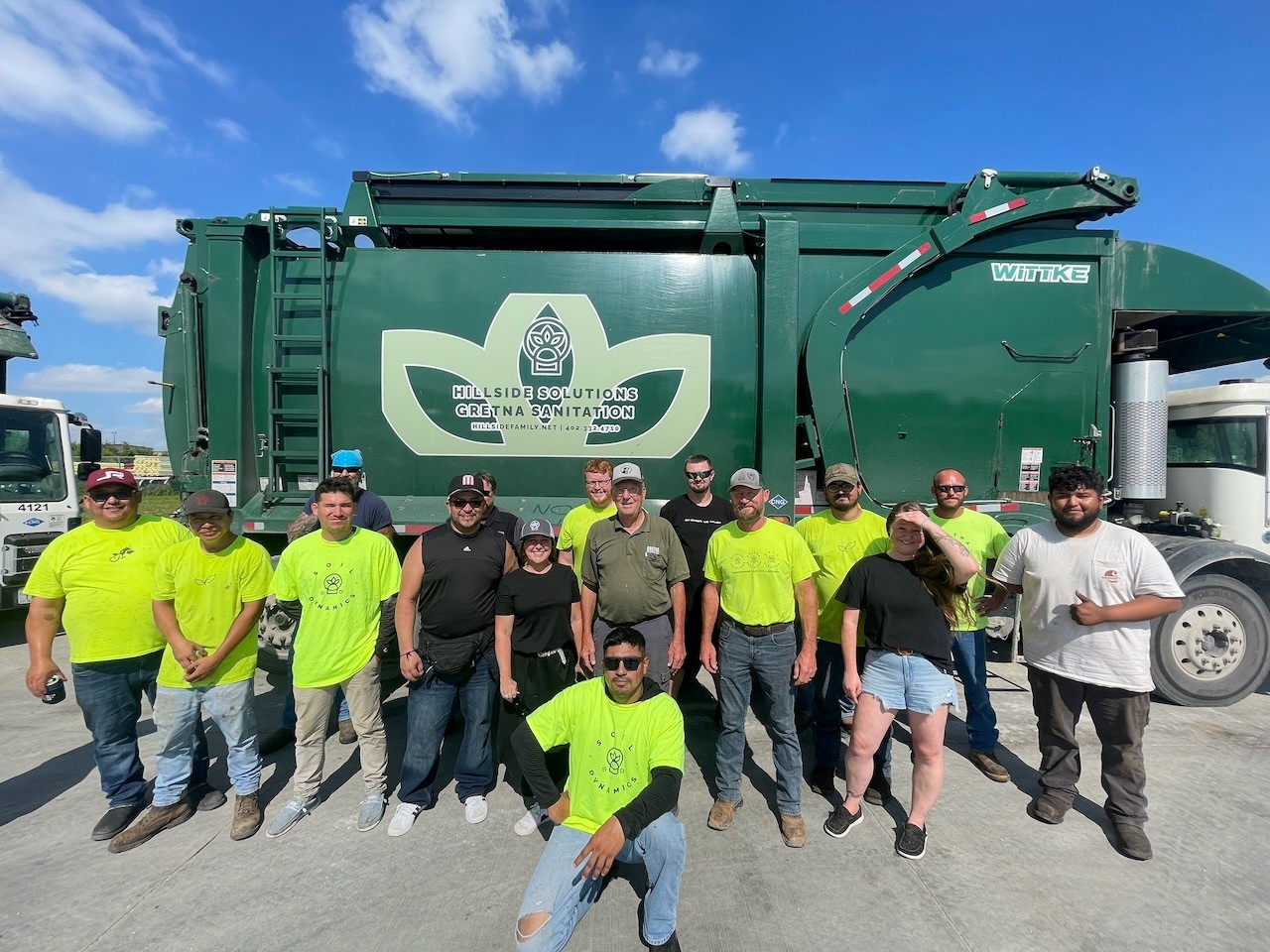
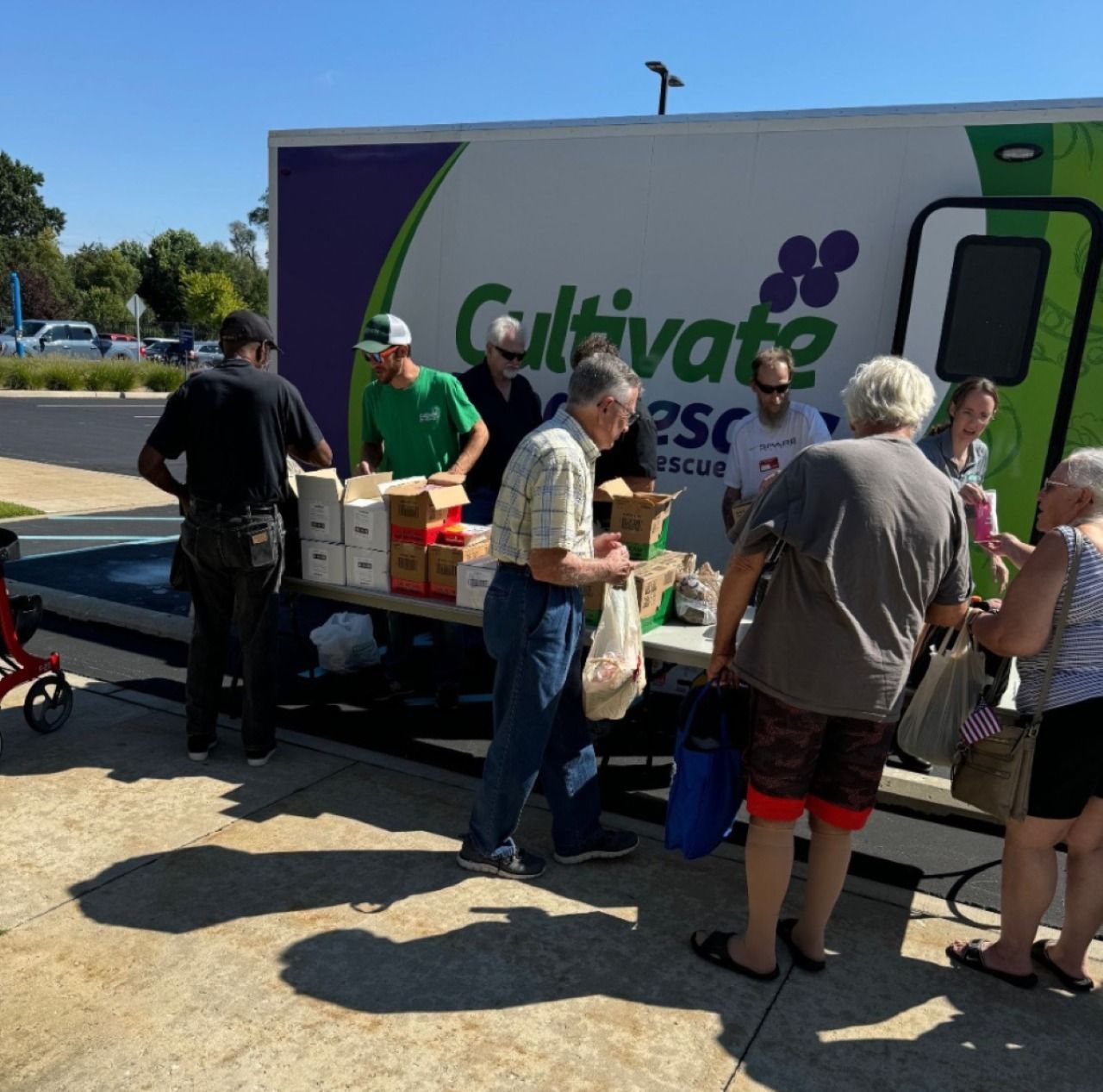
Community Hero November 2025: Cultivate Food Rescue

Community Hero November 2025: Cultivate Food Rescue

Welcome to Biobag's Community Heroes series!

Sustainability & ImpactCommunity HeroesCommercial Business & InstitutionsEveryone & EverywhereFood Service & HospitalityArticle
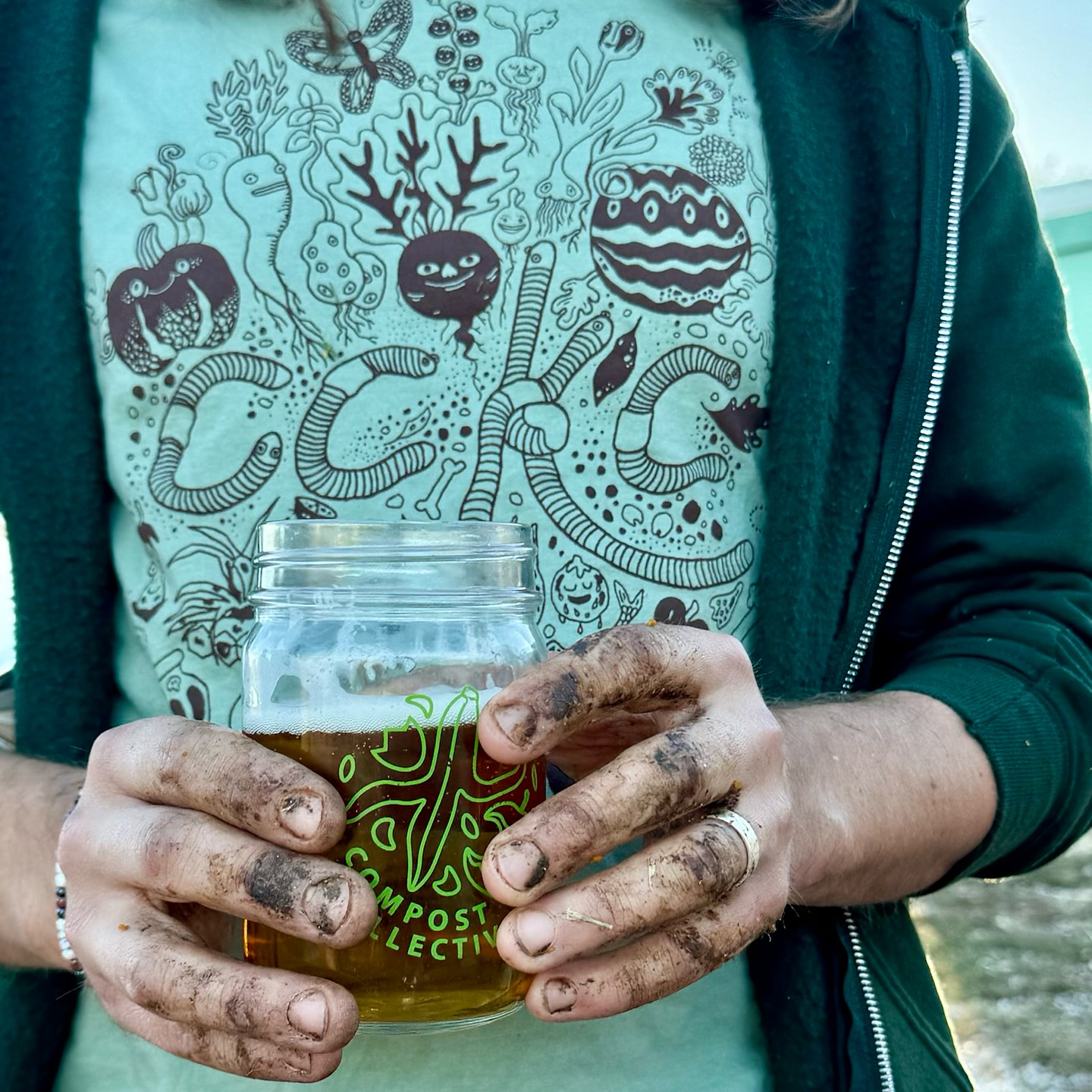
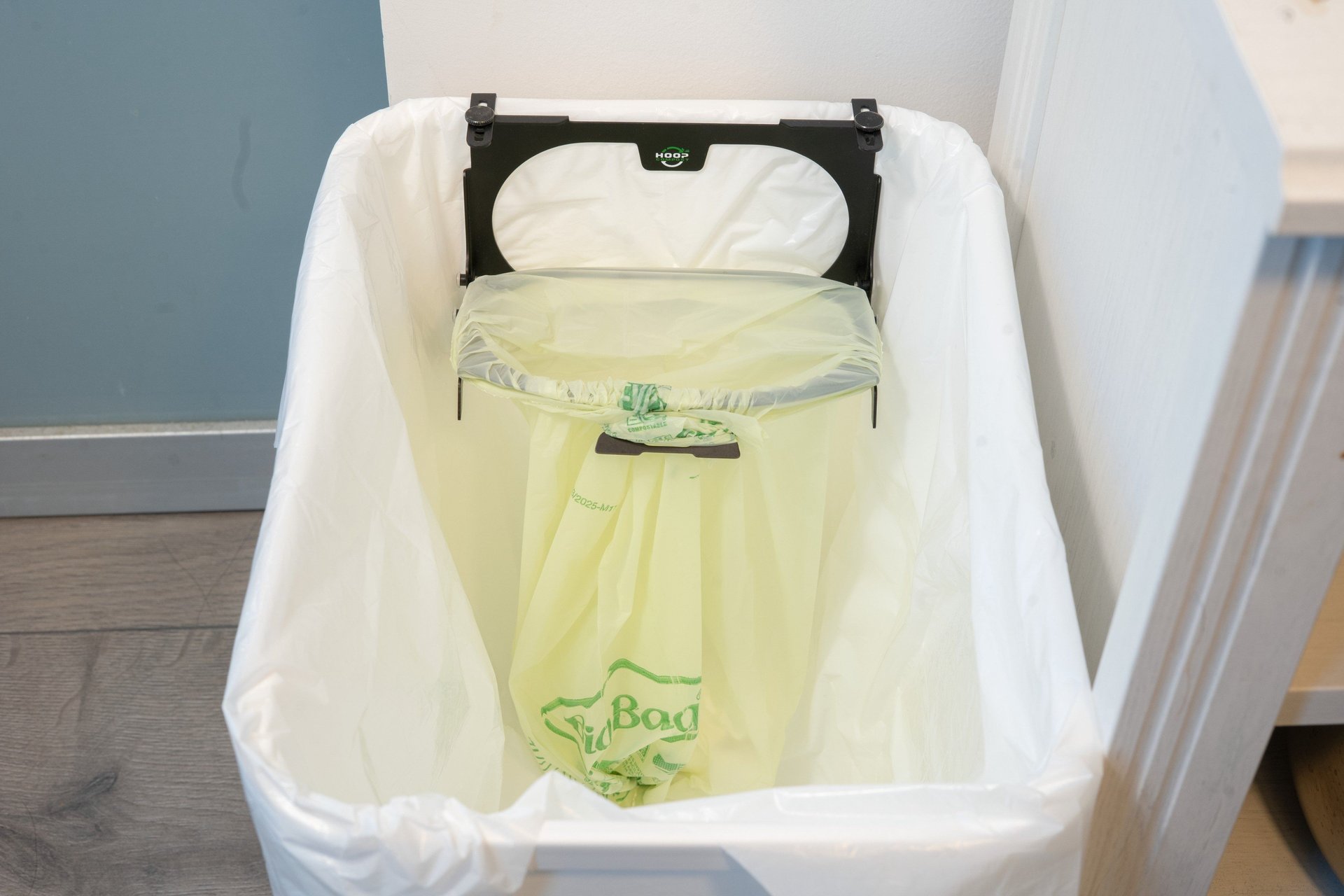
Community Hero October 2025: Hoop Compost

Community Hero October 2025: Hoop Compost

Welcome to Biobag's Community Heroes series!

Sustainability & ImpactProduct & Material InnovationCommunity HeroesCommercial Business & InstitutionsEveryone & EverywhereArticle
Biobag is part of Novamont Group, which is proud to be a Certified B Corp™

Biobag is part of Novamont Group, which is proud to be a Certified B Corp™

We are therefore excited to share a milestone that underscores our commitment: Biobag Group has been independently verified, as part of Novamont Group’s certification, through the B-Corp Impact Assessment (BIA) with a score of 86.3.

Sustainability & ImpactEveryone & EverywhereArticle
A side order of microplastics, anyone?

A side order of microplastics, anyone?

Since its invention, humankind has produced app. 9 billion tons of conventional plastic. Sadly most of it is still here on Earth.

Sustainability & ImpactEveryone & EverywhereArticle
Organic waste: an environmental threat or the best solution ever?

Organic waste: an environmental threat or the best solution ever?

Surprisingly, organic waste like left-over food, vegetable skins, fruit peels, etc. is one of the top-5 threats to global warming.

Composting & Soil HealthSustainability & ImpactEveryone & EverywhereMunicipalitiesFood Service & HospitalityArticle
Nine reasons to choose Biobags

Nine reasons to choose Biobags

Organic waste and left-over foods make up more than 44% of global waste each year, adding up to almost 1 billion tons.

Sustainability & ImpactComposting & Soil HealthEveryone & EverywhereCommercial Business & InstitutionsMunicipalitiesRetailersArticle
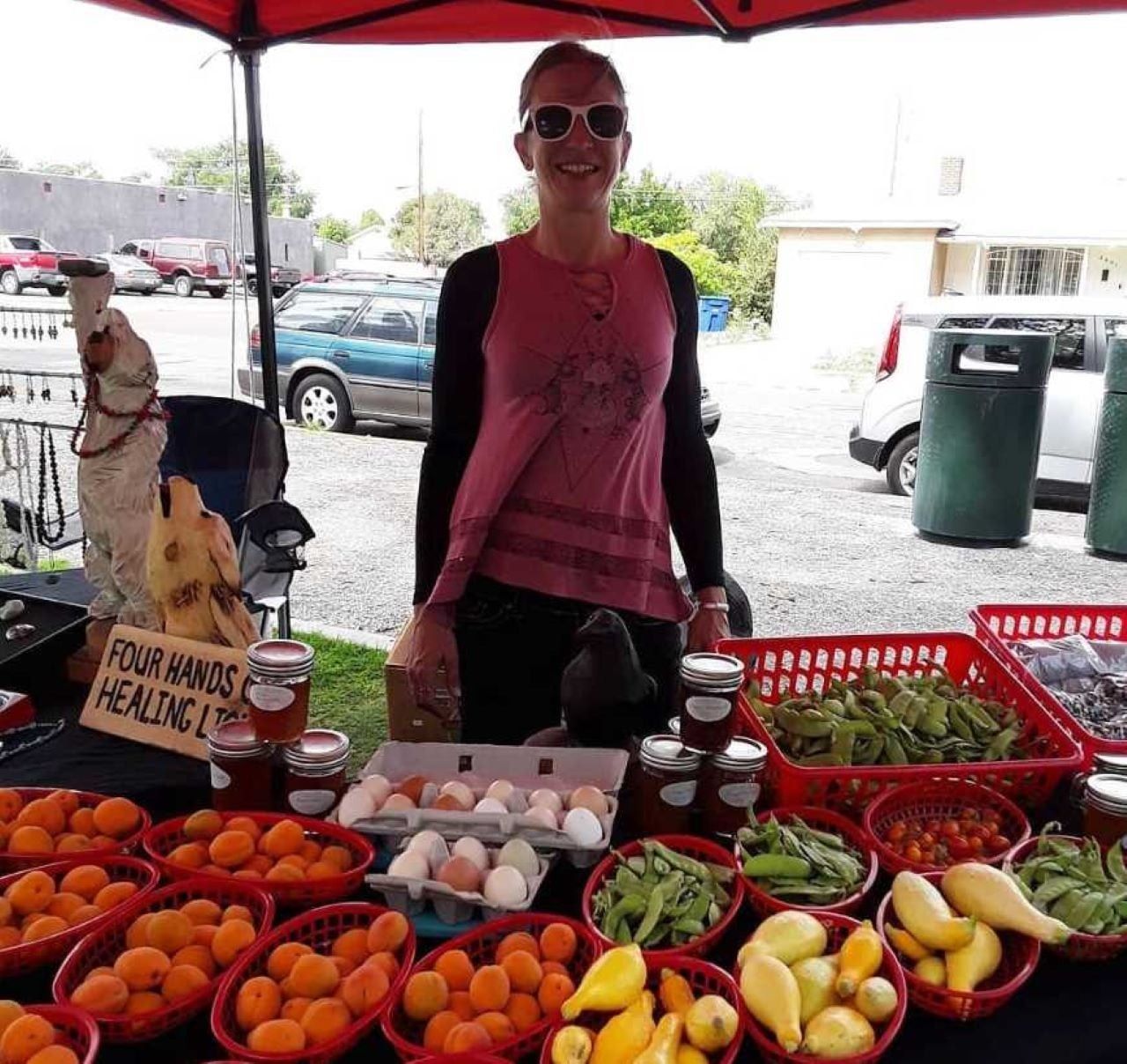
Community Hero July 2023: Four Hands for Healing Light

Community Hero July 2023: Four Hands for Healing Light

Welcome to Biobag's Community Heroes series!

Sustainability & ImpactCommunity HeroesEveryone & EverywhereFarmers & AgricultureArticle
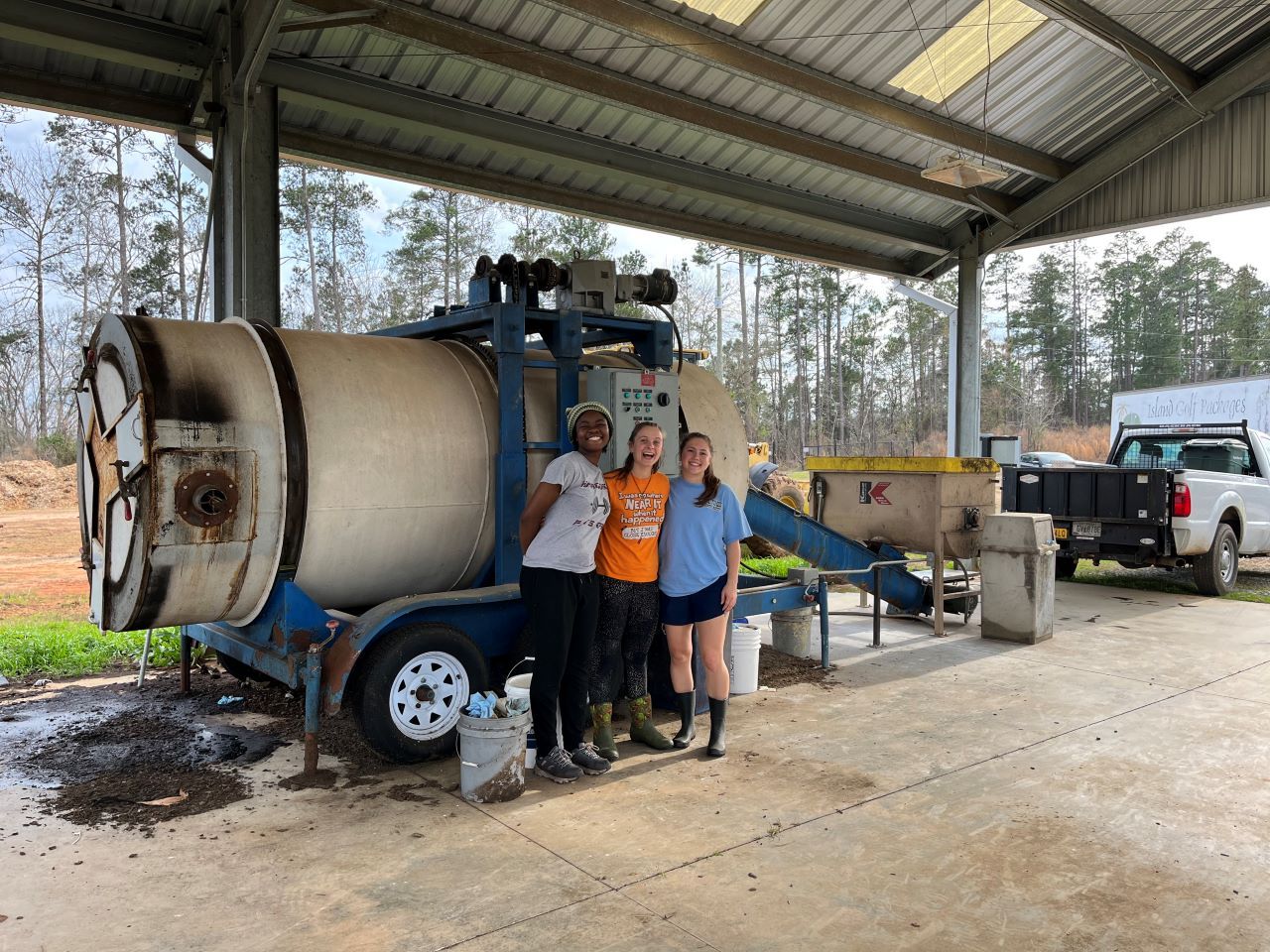
Community Hero May 2023: GA College Composting

Community Hero May 2023: GA College Composting

Welcome to Biobag's Community Heroes series!

Sustainability & ImpactComposting & Soil HealthCommunity HeroesEveryone & EverywhereArticle
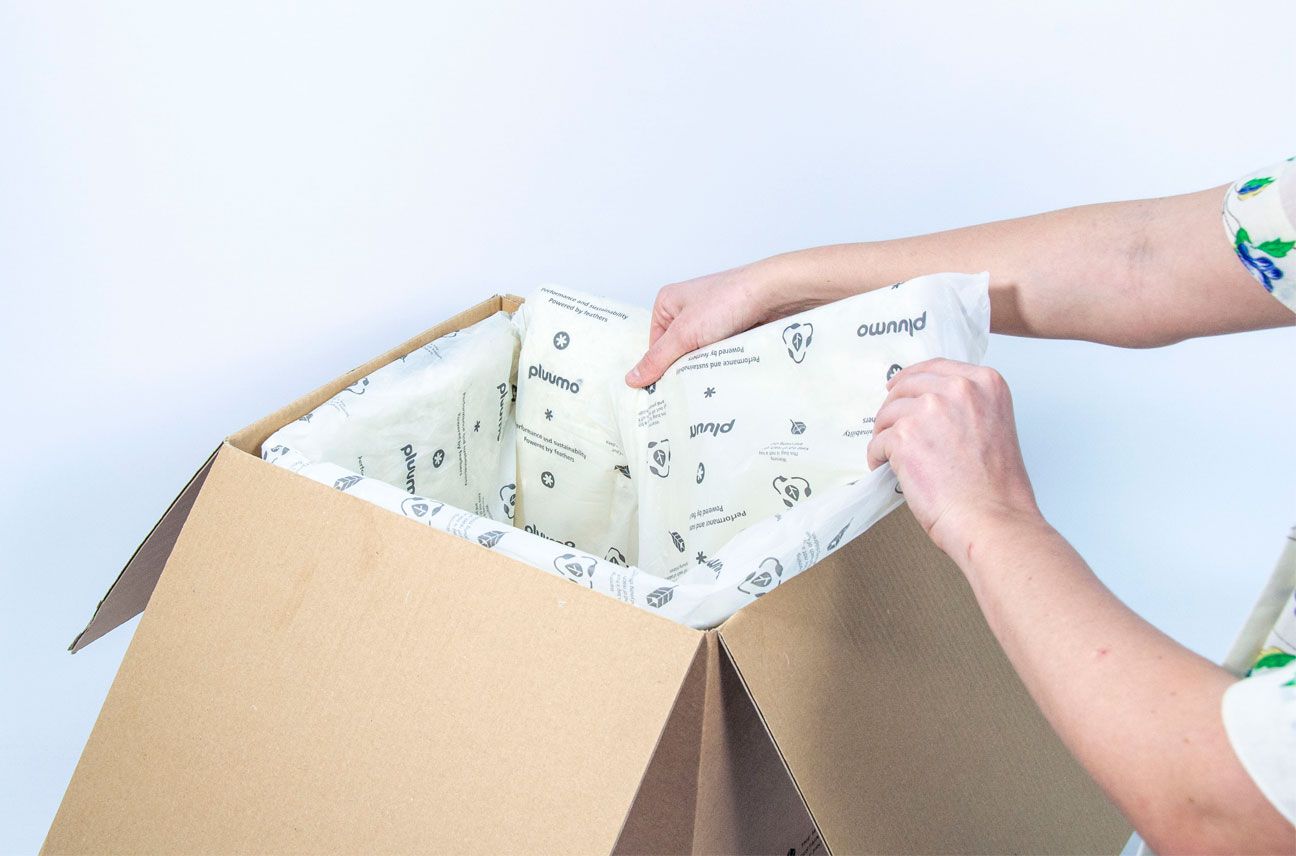
Sustainable packaging from feathers and compostable plastic

Sustainable packaging from feathers and compostable plastic

London-based startup Aeropowder created Pluumo, a high-performance insulation material that turns surplus feather waste into a sustainable alternative to polystyrene.

Product & Material InnovationSustainability & ImpactRetailersFood Service & HospitalityCommercial Business & InstitutionsArticle
Will compostable bioplastic be part of the EU's soil strategy?

Will compostable bioplastic be part of the EU's soil strategy?

Soil underpins our food systems and biodiversity, yet 60–70% in the EU is unhealthy. Each year a billion tons erode, costing agriculture about €1.25 billion.

Policy & RegulationsComposting & Soil HealthMunicipalitiesFarmers & AgricultureCommercial Business & InstitutionsArticle
Bioplastics recognised by United Nations as a sustainable alternative to conventional plastic

Bioplastics recognised by United Nations as a sustainable alternative to conventional plastic

Plastic is everywhere and has changed our daily lives. It is durable and convenient, but large amounts end up in nature, harming the environment, animals, and human health.

Sustainability & ImpactPolicy & RegulationsCommercial Business & InstitutionsFarmers & AgricultureMunicipalitiesArticle
Microplastics are everywhere - but what are the consequences?

Microplastics are everywhere - but what are the consequences?

Microplastics are increasingly found in nature, and while their full impact is still unclear, they are seen as one of the biggest environmental challenges for humans and the planet.

Sustainability & ImpactEveryone & EverywhereMunicipalitiesArticle
Life depends on healthy soil

Life depends on healthy soil

Experts come with an interesting message about certified compostable waste bags that contradicts previous information!

Composting & Soil HealthSustainability & ImpactFarmers & AgricultureMunicipalitiesEveryone & EverywhereArticle
Biobag Ireland UK is now certified by Cré for use in Irish food waste bins.

Biobag Ireland UK is now certified by Cré for use in Irish food waste bins.

Biobag Ireland UK is the first retail range of compostable bags certified for use in Irish food waste (brown) bins. Awarded by Cré IRELAND, this certification is the only Irish scheme providing independent assessment of compostable products.

Sustainability & ImpactComposting & Soil HealthEveryone & EverywhereMunicipalitiesCommercial Business & InstitutionsRetailersFood Service & HospitalityArticle
Community Hero April 2021: Earth Diaper

Community Hero April 2021: Earth Diaper

Welcome to Biobag's Community Heroes series!

Sustainability & ImpactCommunity HeroesComposting & Soil HealthEveryone & EverywhereArticle
Novamont Acquires Biobag and strengthens its leadership and global presence

Novamont Acquires Biobag and strengthens its leadership and global presence

Italy’s Novamont, a global leader in biochemicals and compostable bioplastics, has acquired Biobag Group, a Norway-based supplier of low-impact solutions for waste collection and packaging.

Sustainability & ImpactProduct & Material InnovationEveryone & EverywhereCommercial Business & InstitutionsMunicipalitiesRetailersFood Service & HospitalityArticle
The role of bioplastic in a circular economy

The role of bioplastic in a circular economy

Biobags are made of Mater-Bi, a compostable material from Novamont, designed to move organic waste from landfills and incineration to biological decomposition, creating compost to enrich soil.

Composting & Soil HealthSustainability & ImpactMunicipalitiesFarmers & AgricultureEveryone & EverywhereArticle
Community Hero September 2020: Heather Gardens Green Team

Community Hero September 2020: Heather Gardens Green Team

Welcome to Biobag's Community Heroes series!

Sustainability & ImpactCommunity HeroesEveryone & EverywhereArticle
Community Hero April 2020: Pinellas Community Compost

Community Hero April 2020: Pinellas Community Compost

Welcome to Biobag's Community Heroes series!

Community HeroesSustainability & ImpactEveryone & EverywhereArticle
Study confirms Biobags disappear in natural environments

Study confirms Biobags disappear in natural environments

The results of a two year study in the USA have confirmed biodegradable plastic alternatives like Biobags help prevent plastic pollution.

Sustainability & ImpactEveryone & EverywhereCommercial Business & InstitutionsFood Service & HospitalityRetailersArticle
Microorganisms biodegrade biodegradable plastics

Microorganisms biodegrade biodegradable plastics

An ETH Zurich and EAWAG study shows microorganisms can fully break down biodegradable plastics into natural components.

Sustainability & ImpactComposting & Soil HealthFarmers & AgricultureMunicipalitiesCommercial Business & InstitutionsEveryone & EverywhereArticle
Compostable bags and the circular economy initiative

Compostable bags and the circular economy initiative

An exciting European proposal on the Circular Economy Package in December 2015 paved the way for broader adoption of biodegradable materials across the EU.

Policy & RegulationsSustainability & ImpactCommercial Business & InstitutionsEveryone & EverywhereMunicipalitiesRetailersFood Service & HospitalityArticle

Turn inspiration into action

Our compostable solutions help transform organic waste into renewable energy and nutrient-rich compost to grow new life.

Explore Our Compostable Range
biobag

Get in touch

We will be happy to hear from you, so please write if you have questions about our products, want to meet one of our salespeople or you just have a great idea for a new product. Fill out the form and we will get back to you shortly.

I consent that you store my information and reach out to me in accordance with your Privacy Policy