Solutions for municipalities
Municipalities play a key role in creating a circular economy. By introducing certified compostable bags, cities can make it easier for residents to sort food waste and support cleaner organic waste collection. When collected and treated correctly, food waste can be used to produce valuable compost or biogas.






Switching to Biobag can bring practical benefits to your municipality.
Certified compostable bags make organic waste collection easier and cleaner, helping municipalities support better sorting routines and keep valuable organic resources in use. Where accepted by the local waste system, they biodegrade under the conditions specified by their certification without leaving persistent microplastics behind.
Keep persistent microplastics out of fields
Certified compostable Biobags biodegrade under specified composting conditions without leaving persistent microplastics behind, supporting cleaner compost for use on agricultural fields.
Weight reduction
Biobags are breathable, allowing moisture to evaporate. This can reduce collected waste weight and help lower transport and handling costs.
Support a cleaner waste fraction
Compostable bags can make food waste sorting easier and support cleaner collection, with less conventional plastic contamination.

Recover energy and nutrients
When collected and treated correctly, food waste can produce biogas or nutrient rich compost, keeping valuable resources in use.
Reduce reliance on fossil resources
Made partly from renewable materials, Biobags reduce reliance on fossil based raw materials.
European production
Produced in Europe using 100% renewable energy, Biobags support European production and a more local supply chain.
Compostable solutions that support municipal organic waste collection.
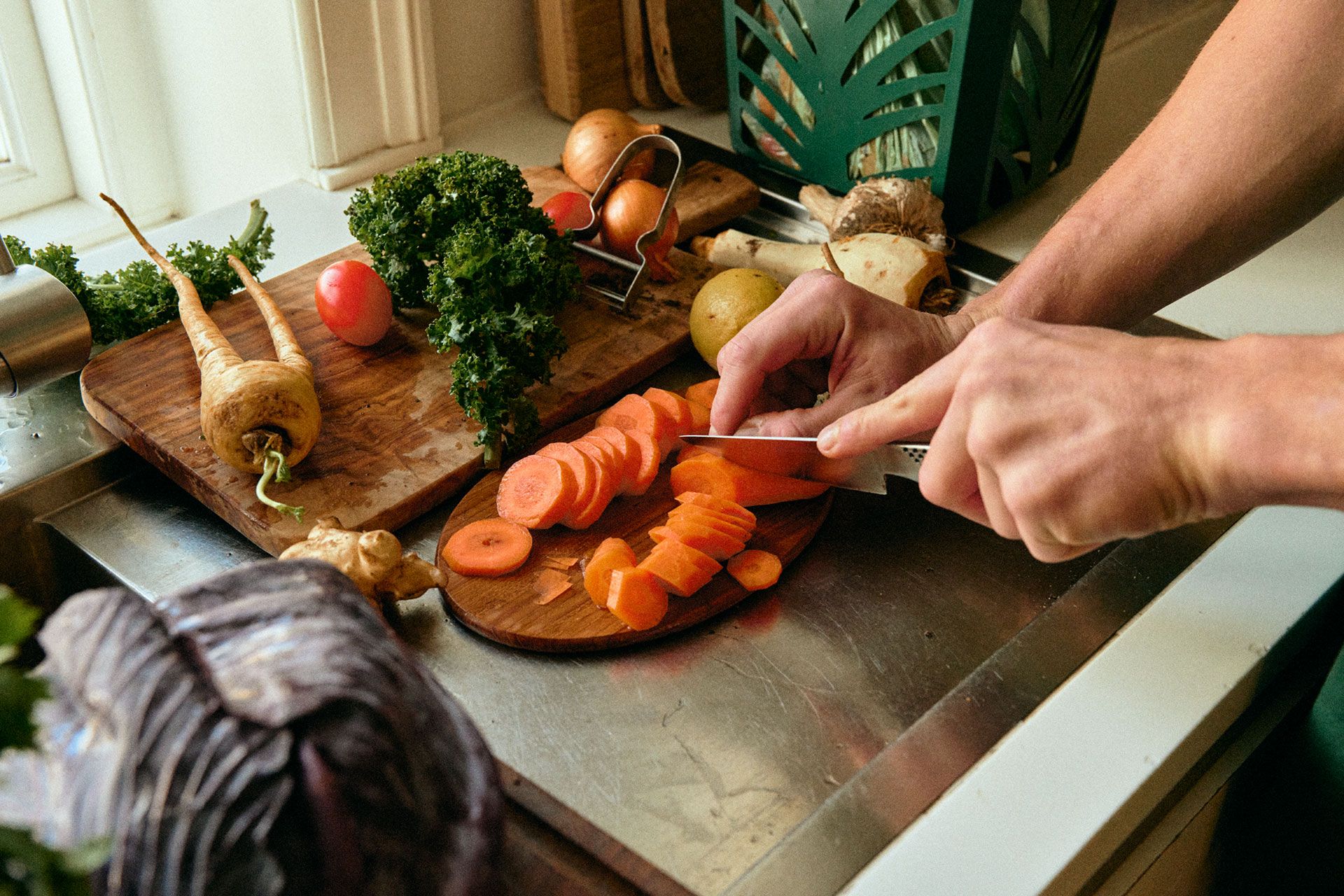
Caddy Liners
Compostable liners for food waste collection in households and municipal systems, making organic waste sorting cleaner and easier.
Container Liners
Compostable liners for large outdoor containers and central collection bins used in municipal and public waste management.
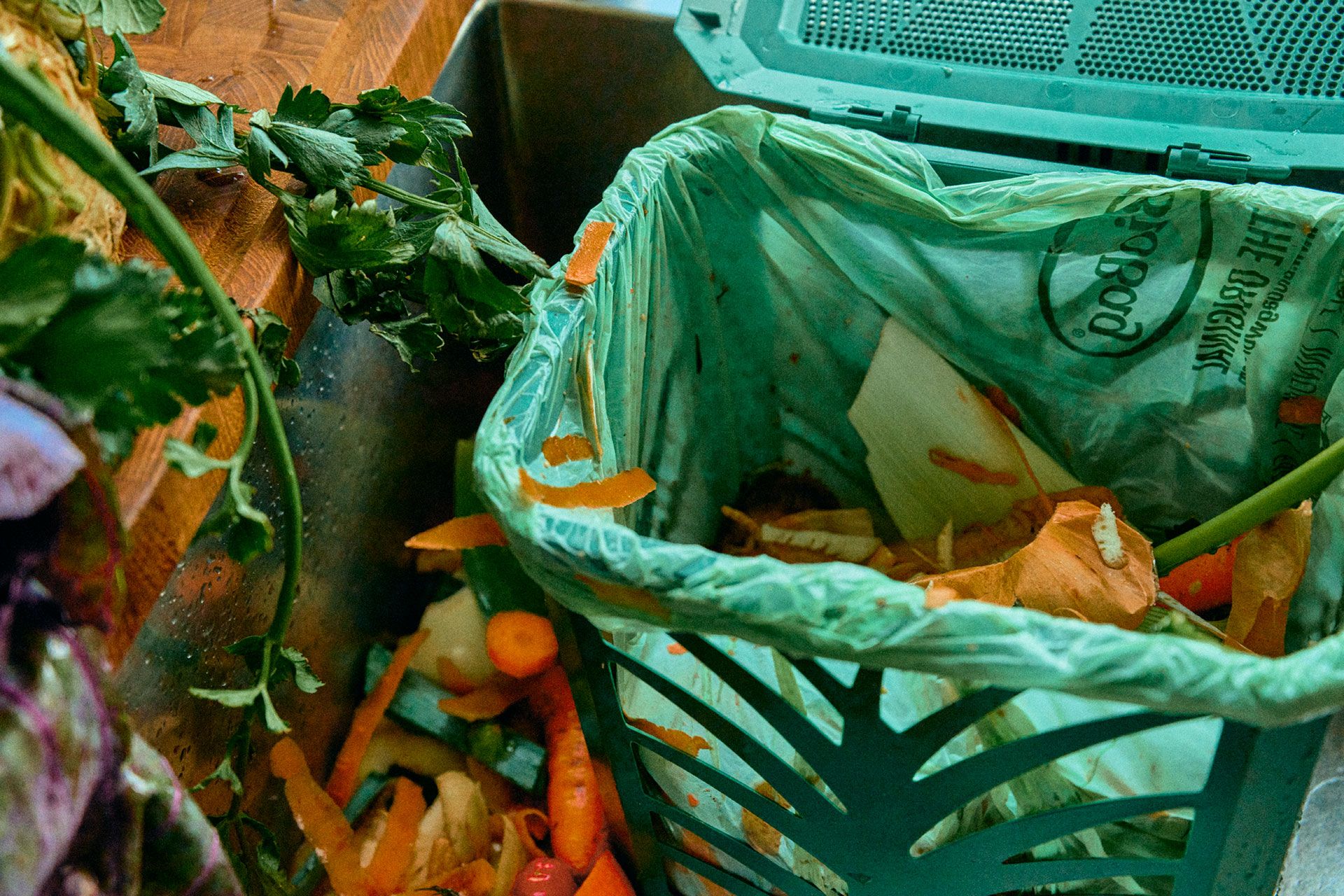
Caddies & Containers
Caddies and containers designed for hygienic food waste collection in homes, public spaces and professional environments.
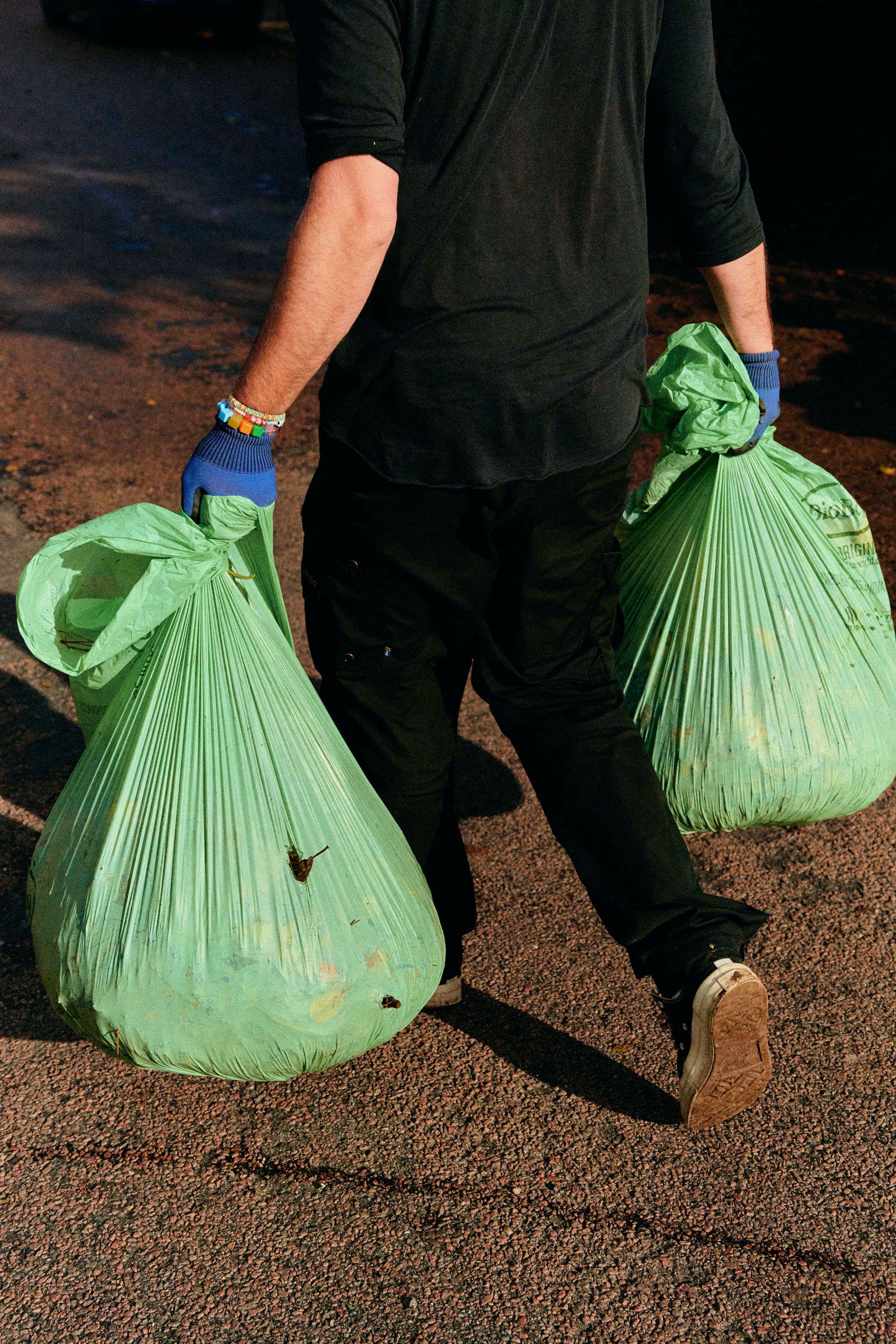
Heavy-Duty Bin Bags
Heavy duty compostable bin bags for high volume municipal organic and food waste.
Compostable food waste bags can help municipalities return valuable resources to the soil
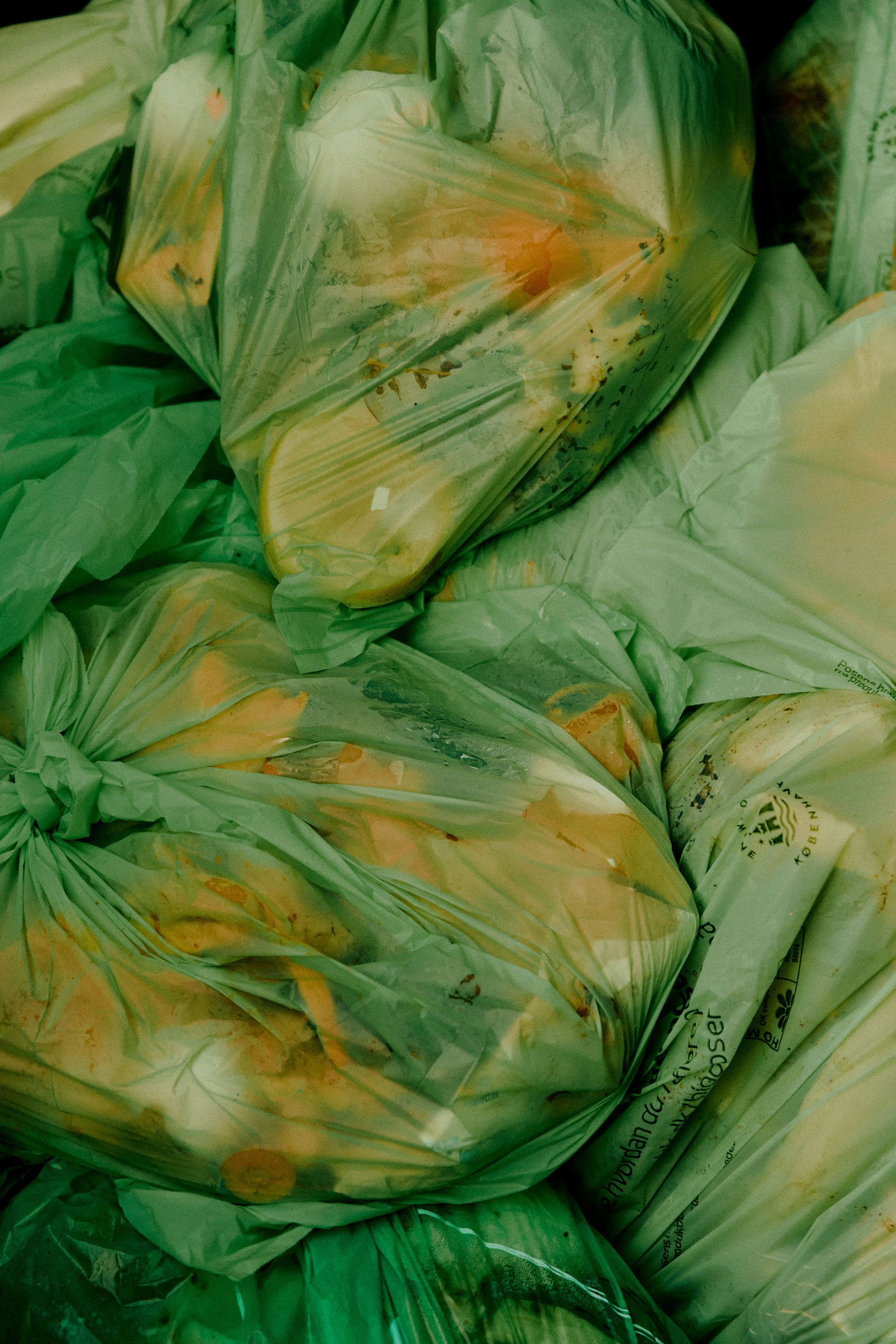
Distributing certified compostable bags is about giving residents a practical tool that can make food waste sorting easier. Where the bags are accepted by the local waste system, they can be collected and treated together with the organic waste without leaving persistent microplastics behind. The collected food waste can then be used to produce biogas or transformed into nutrient rich compost. Biogas provides renewable energy, while compost returns organic matter and nutrients to the soil. Both are valuable outcomes.
Providing residents with compostable bags can also support better sorting. In one Danish municipality, the purity of the collected organic waste increased from 75 percent to 97 percent after compostable bags were introduced. This demonstrates how a simple change can support cleaner organic waste collection and encourage residents to pay closer attention to sorting.
Food and green waste account for approximately 44 percent of global municipal solid waste, representing almost one billion tonnes each year.
What can municipalities do?
- Show residents why food waste sorting matters and what happens to the waste they collect.
- Run educational campaigns explaining the benefits of separate organic waste collection and how to sort correctly.
- Introduce a separate collection system that makes sorting convenient and provides residents with the tools they need.
- Build participation through workshops, school programmes and community composting initiatives.
Compostable waste bags for public food waste collection. Customisable for municipal programmes.


9 reasons to choose Biobag
Discover how certified compostable bags can help municipalities make food waste sorting easier, support cleaner organic waste collection and lower handling costs. Our guide outlines the practical benefits and shows how one simple change can support better collection routines.
Still Have Questions? We've Got Answers.
Whether you're just getting started or already using Biobag, find practical information about composting, certifications, materials, and how to get the most out of our products.
Stories, tools, and ideas to help you make an impact.
Discover inspiring stories, expert advice, and practical tools to help you make informed choices, from improving composting routines to supporting the circular economy. Our articles show where compostable solutions can make sense and how to build better habits at home, at work, or across entire communities.
A side order of microplastics, anyone?
Since its invention, humankind has produced an estimated 9.2 billion tonnes of plastic. Around 7 billion tonnes of it has already become waste.
The importance of good soil health
Healthy soil is the foundation of agriculture. It supports crops, stores and filters water, cycles nutrients and provides a home for an extraordinary range of organisms.
Soil Alert
An estimated 60–70% of soils in the EU are unhealthy. Yet healthy soil is essential for producing food, supporting biodiversity and keeping natural cycles working.
What role can compostable products play in protecting soil?
Soil is the foundation of our food systems and an essential home for biodiversity. Yet an estimated 60–70% of soils in the EU are considered unhealthy.