Composting & Soil Health
Insights and practical knowledge about composting and soil regeneration, from home systems to large-scale composting, and how organic waste can enrich and restore the soil.
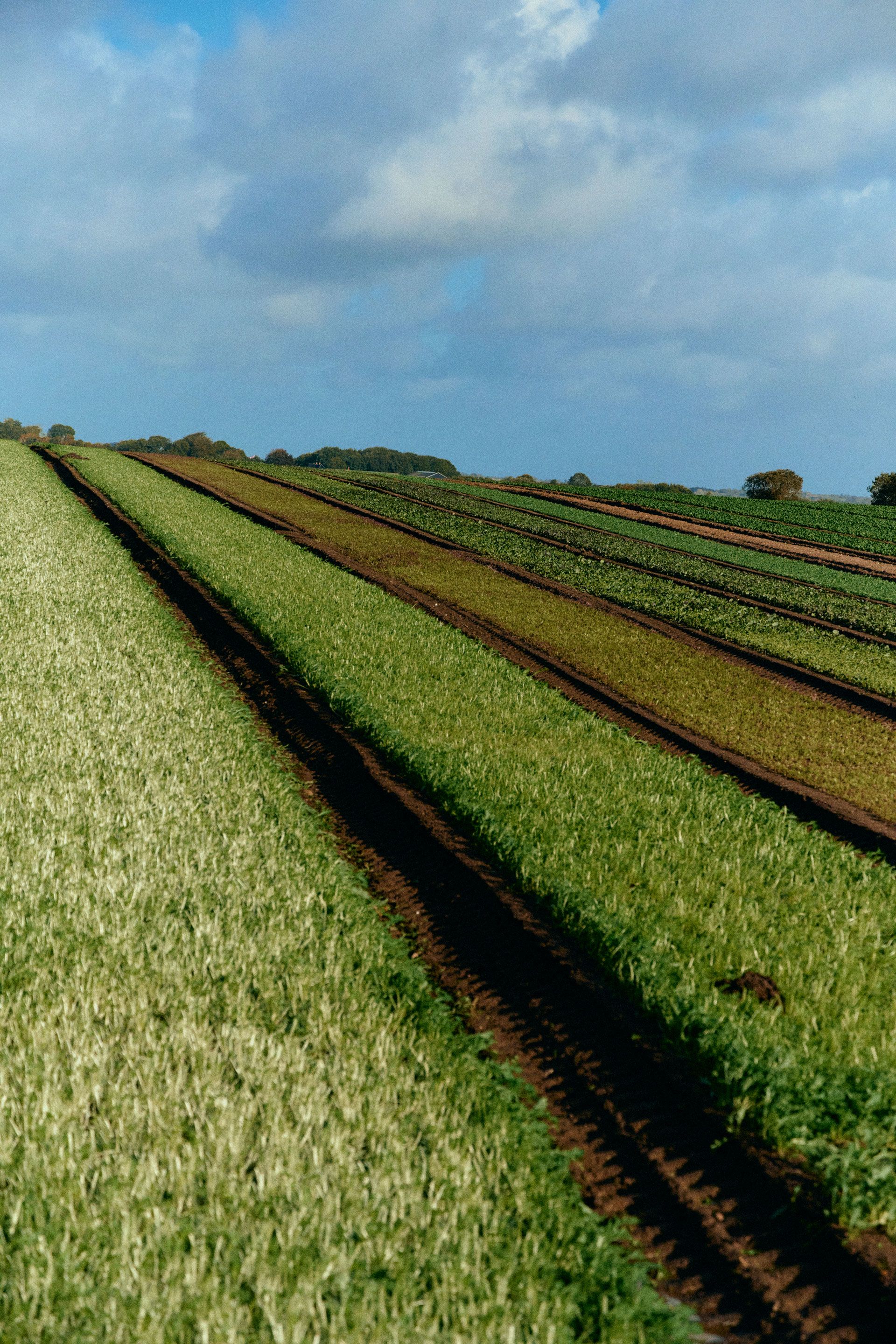
Plastic pollution in agricultural soils
When we talk about plastic pollution, most people think of oceans, floating waste islands and wildlife affected by plastic debris. However, plastic pollution is also found far from the coastline, including in the soils where our food is produced.
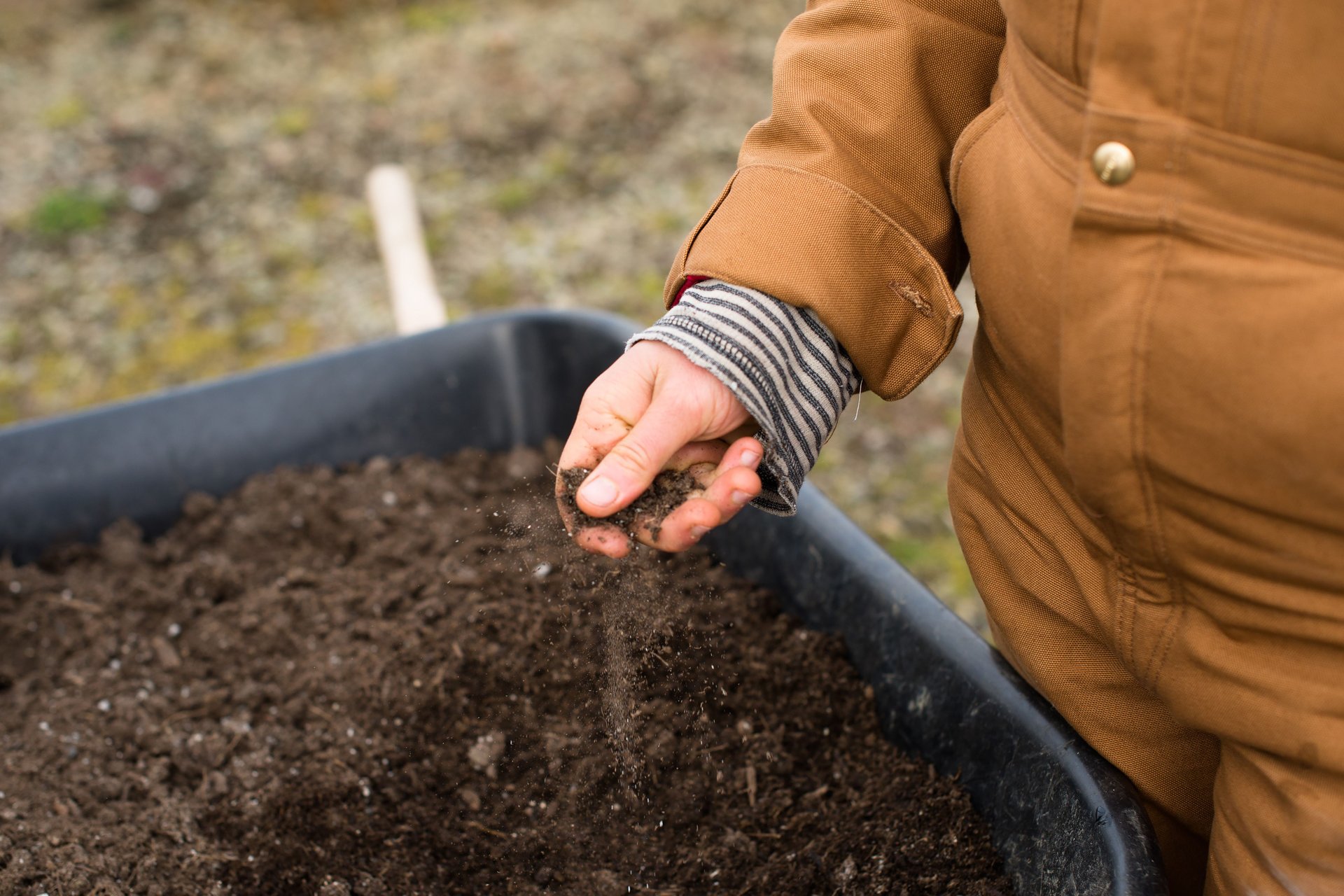
Biogas and compost: different roles in the same system
Organic waste is often used to produce energy. But it also plays a role in maintaining soil health. Understanding how these two outcomes differ is key to making better use of organic resources.
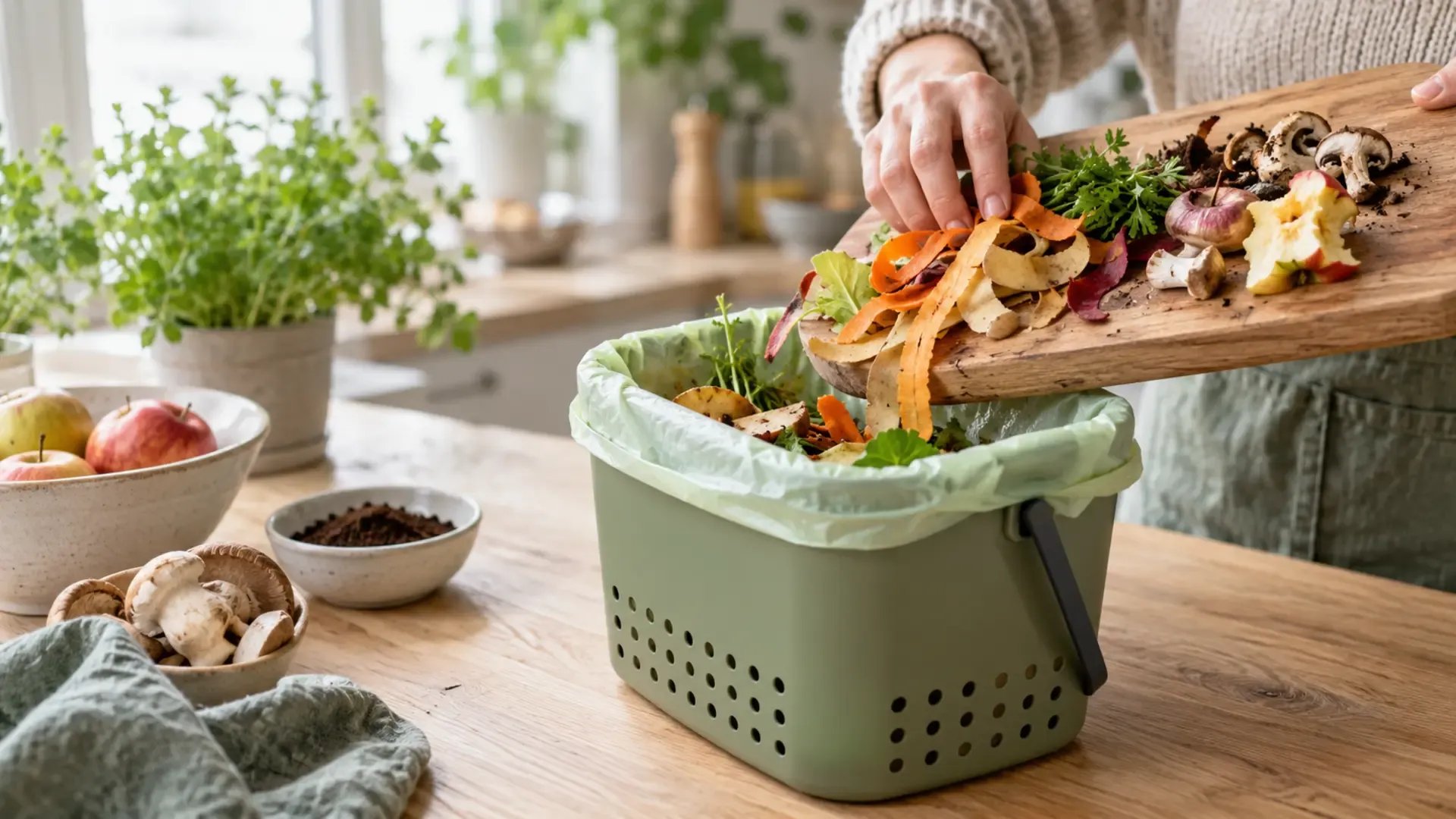
Organic waste: an environmental threat or the best solution ever?
Organic waste is natural. But the amount we generate and what happens to it after disposal can create a serious environmental challenge.
Soil Alert
An estimated 60–70% of soils in the EU are unhealthy. Yet healthy soil is essential for producing food, supporting biodiversity and keeping natural cycles working.
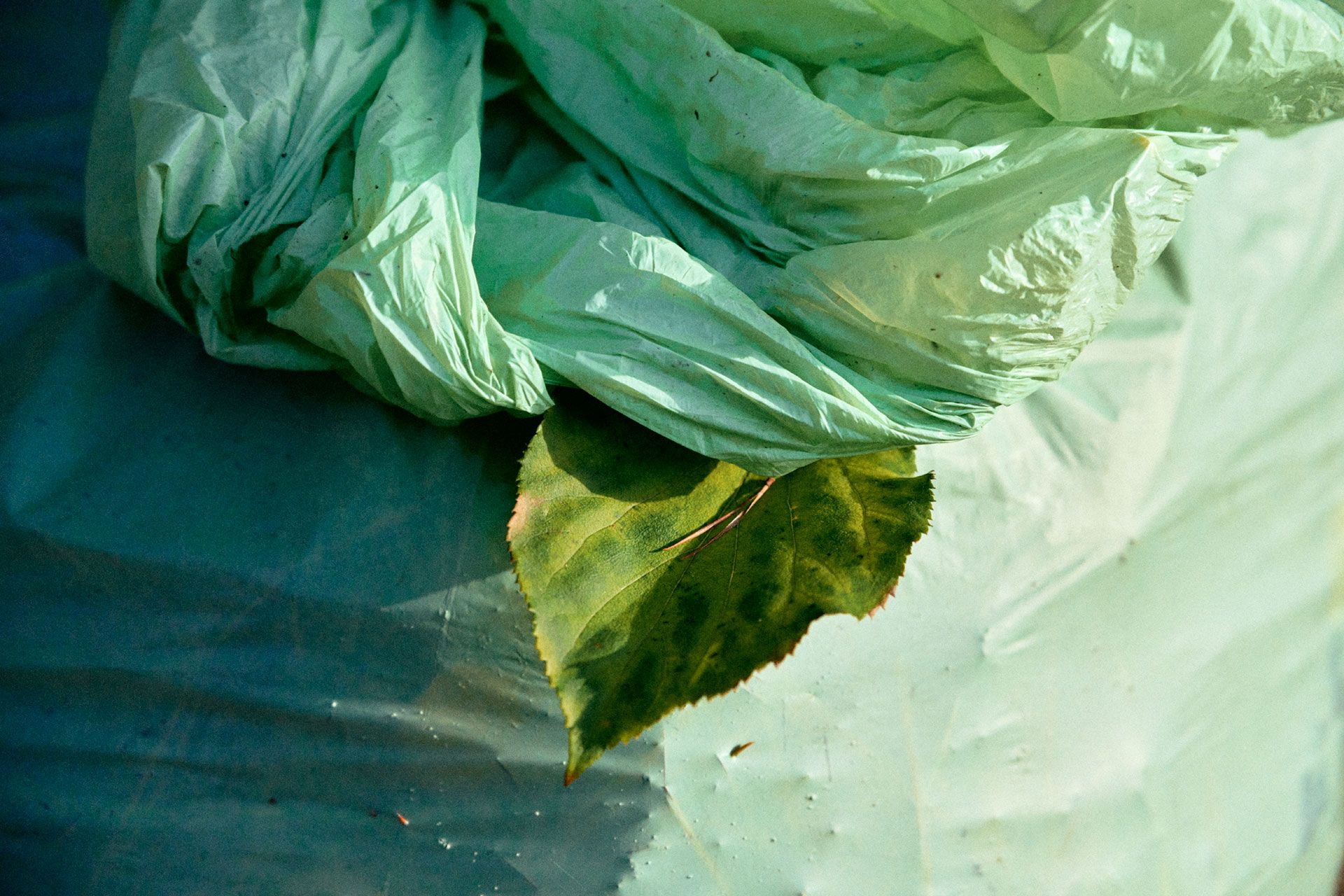
Nine reasons to choose compostable Biobags
Food waste is produced every day. How we collect and treat it determines whether its valuable resources are lost or kept in use.
The importance of good soil health
Healthy soil is the foundation of agriculture. It supports crops, stores and filters water, cycles nutrients and provides a home for an extraordinary range of organisms.
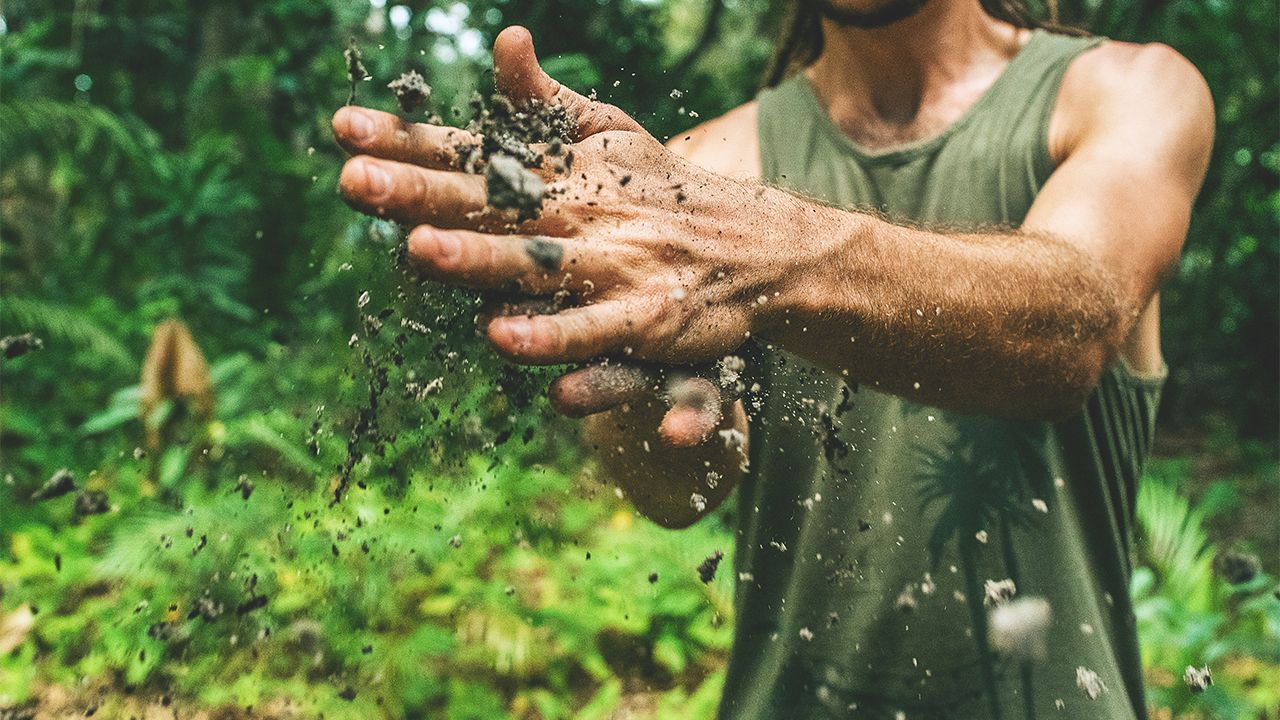
What role can compostable products play in protecting soil?
Soil is the foundation of our food systems and an essential home for biodiversity. Yet an estimated 60–70% of soils in the EU are considered unhealthy.
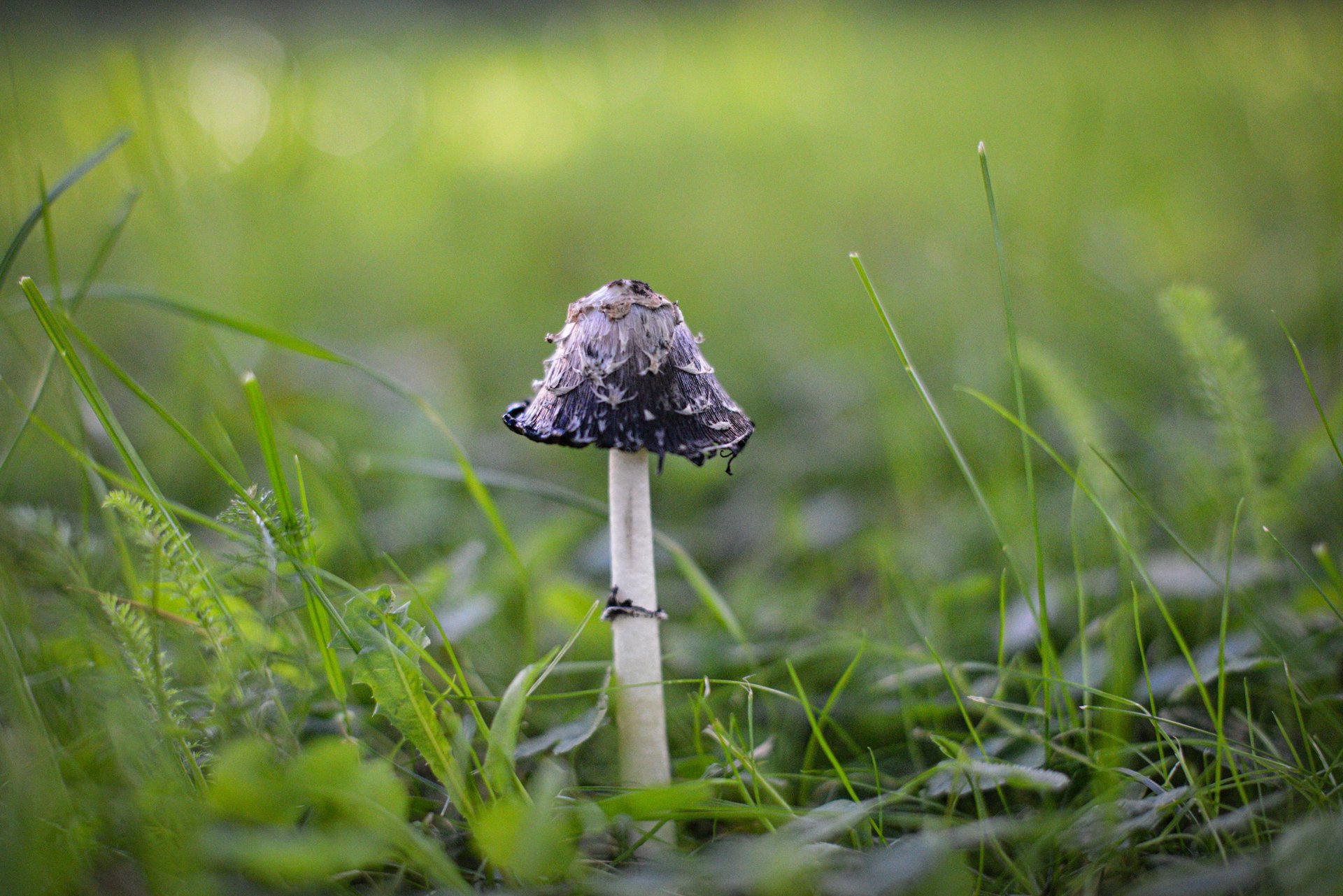
Life depends on healthy soil
Healthy soil supports food production, biodiversity and resilient ecosystems. Keeping organic-waste streams clean is one of the ways we can help protect this valuable resource.
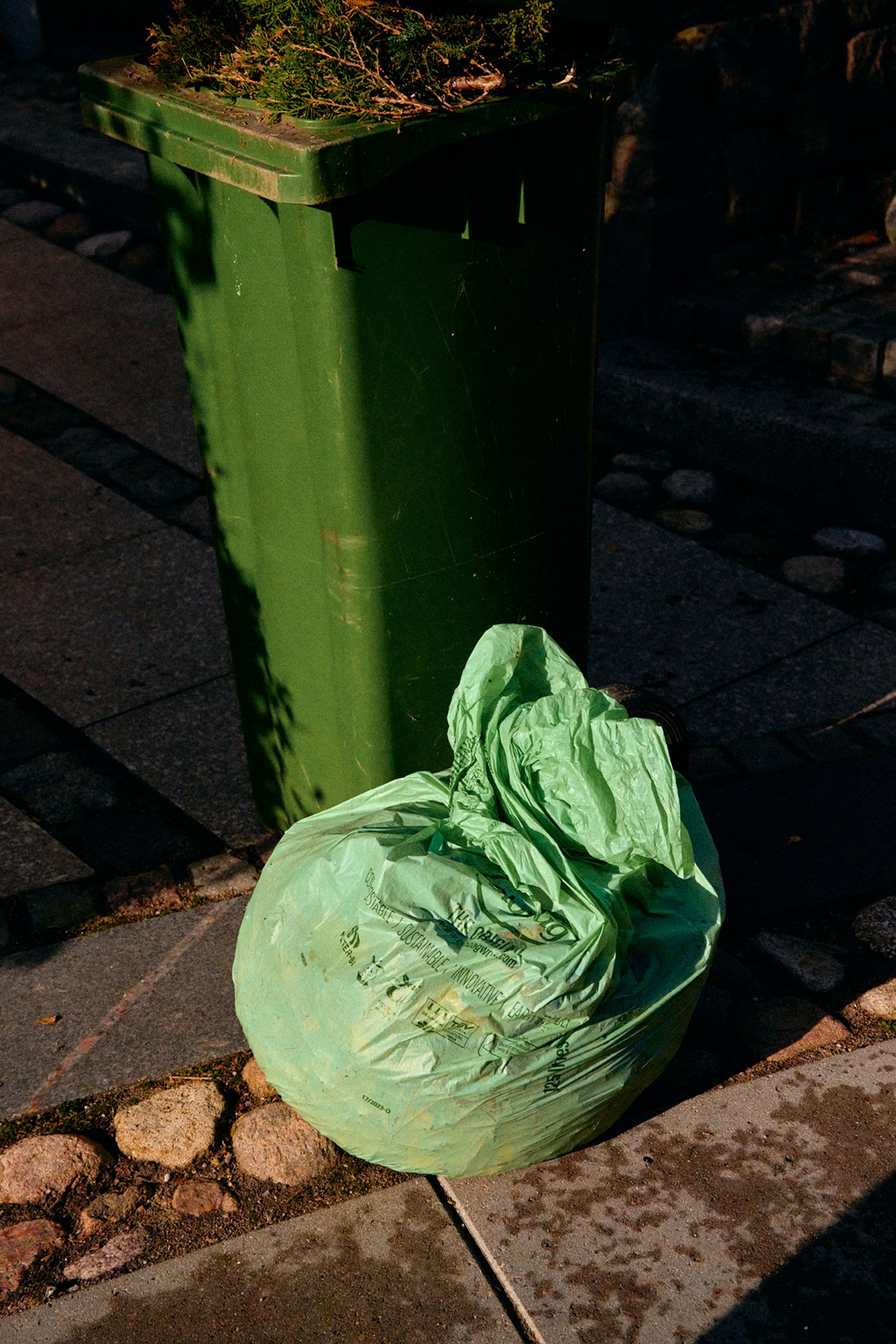
Biobag retail bags receive Cré certification for Irish food-waste bins
Biobag UK & Ireland’s retail range of compostable bags received Cré certification for use in Irish food-waste bins. At the time of the award, it was reported as the first retail range of compostable bags to receive this certification.
The role of bioplastic in a circular economy
Biobags are made of Mater-Bi, a family of biodegradable and compostable bioplastics developed by Novamont. These materials are designed for specific applications where biodegradability or compostability can support the collection and biological treatment of organic waste.