Policy & Regulations
Updates and insights on PPWR, compostability mandates, carbon tax, waste collection systems, and other key regulations shaping the future of compostable materials and sustainable packaging.
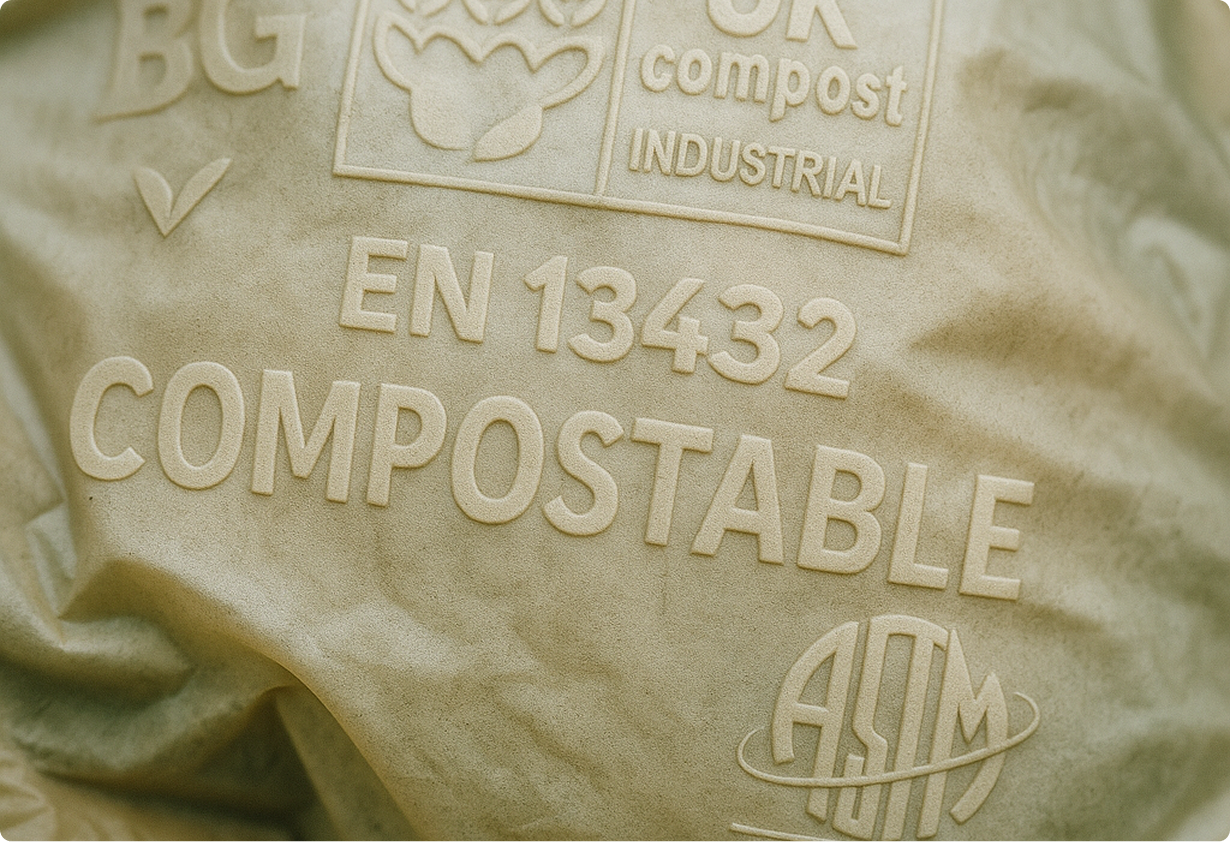
Compostable certifications explained
Understanding what certification marks cover and why local waste infrastructure matters. Compostability certifications define the conditions under which a product is expected to break down. Here, we explain the differences between industrial and home composting, the main certification schemes and why local waste infrastructure still matters.
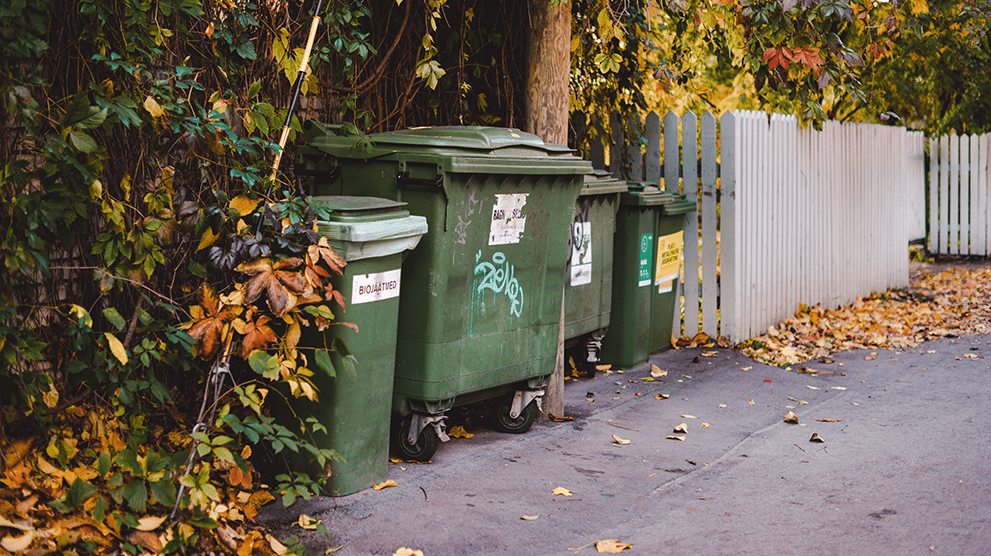
From policy to practice: what it takes to make food waste systems work
The EU continues to strengthen its approach to waste and circular economy. On paper, this makes sense. But in practice, it raises a more difficult question: what does it actually take to make waste systems work?

What role can compostable products play in protecting soil?
Soil is the foundation of our food systems and an essential home for biodiversity. Yet an estimated 60–70% of soils in the EU are considered unhealthy.
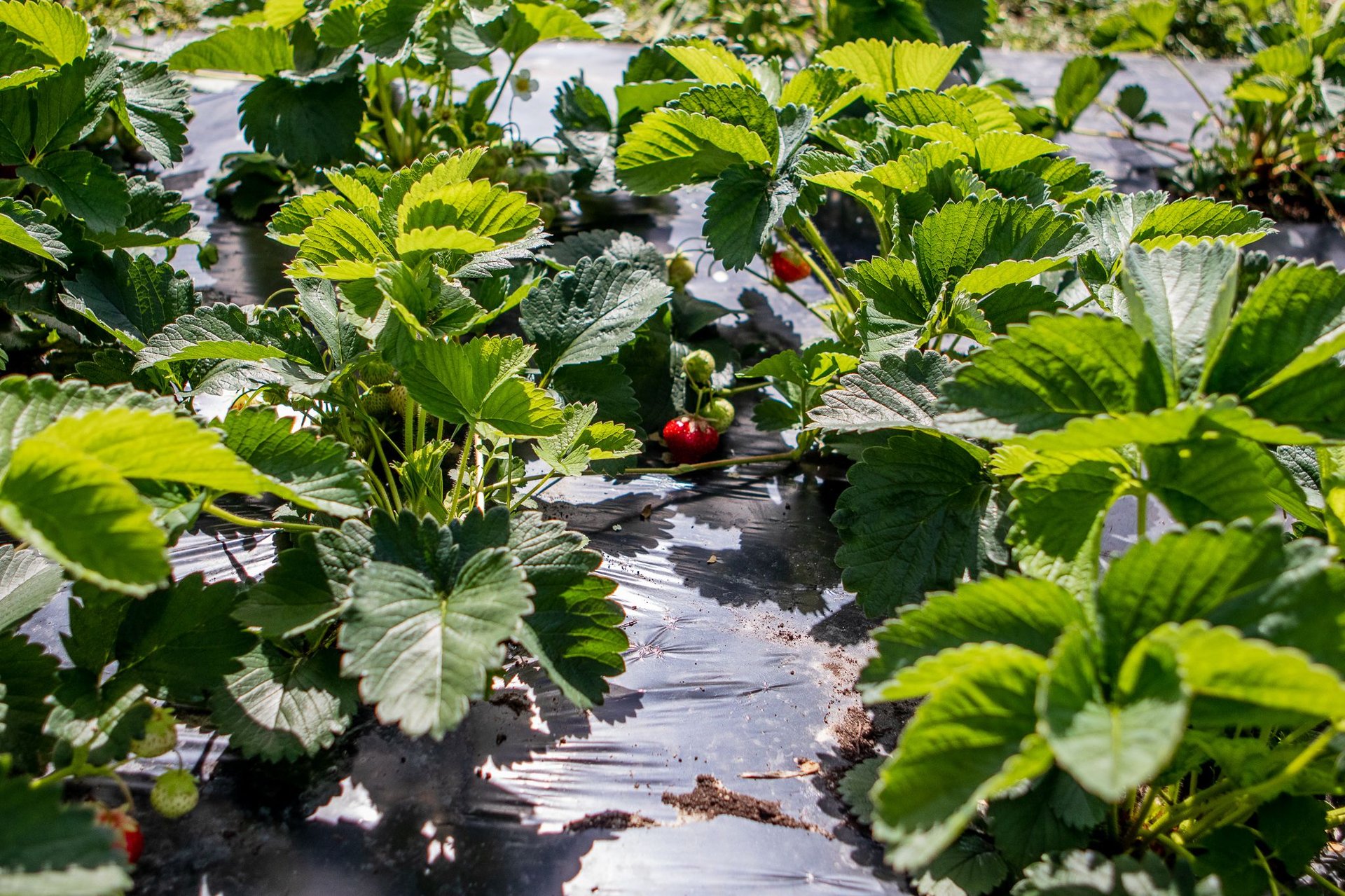
FAO highlights biodegradable alternatives for selected agricultural plastic applications
Plastic has become part of everyday life. Its durability and functionality make it useful in many applications, but plastic that is not properly collected and managed can remain in the environment and contribute to long-term pollution.

European scientific report examines where biodegradable plastics can play a role
Plastic has changed everyday life and provides valuable functionality in many applications. However, the production, use and disposal of plastic have also created a significant pollution problem.

Compostable bags and the circular economy initiative
An exciting European proposal on the Circular Economy Package in December 2015 paved the way for broader adoption of biodegradable materials across the EU.