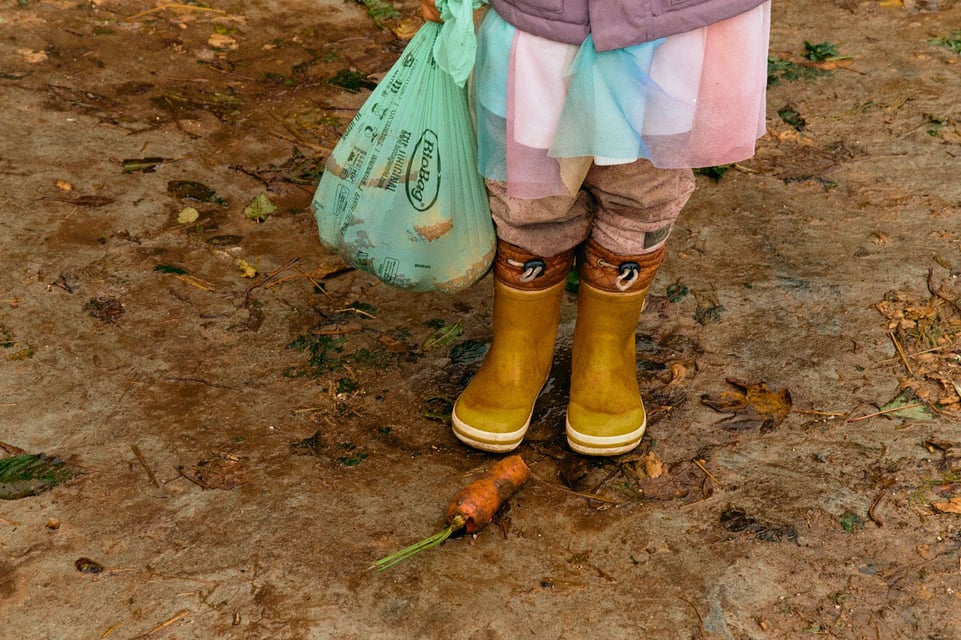
Sustainability & Impact
Explore real stories, data, and initiatives showing how compostable choices create measurable environmental impact and support a more circular, sustainable future.
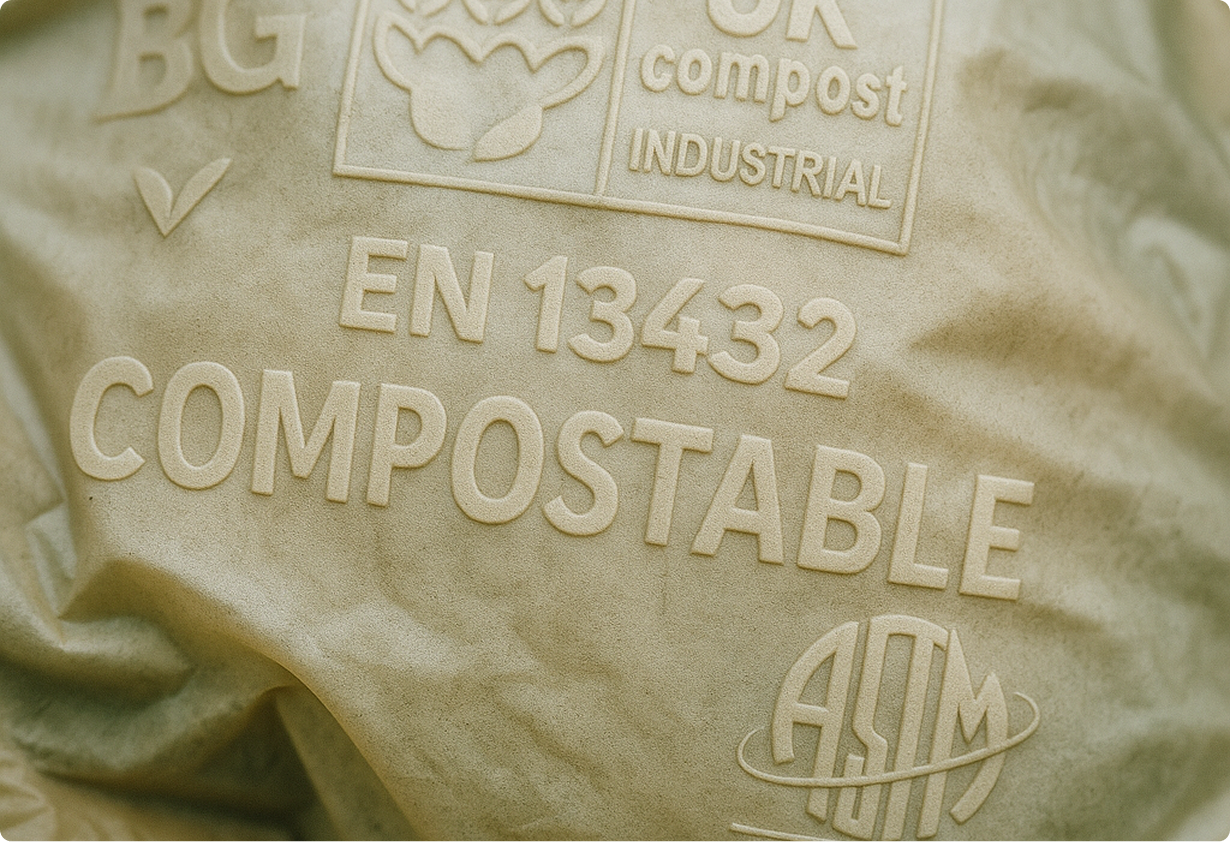
Compostable certifications explained
Understanding what certification marks cover and why local waste infrastructure matters. Compostability certifications define the conditions under which a product is expected to break down. Here, we explain the differences between industrial and home composting, the main certification schemes and why local waste infrastructure still matters.
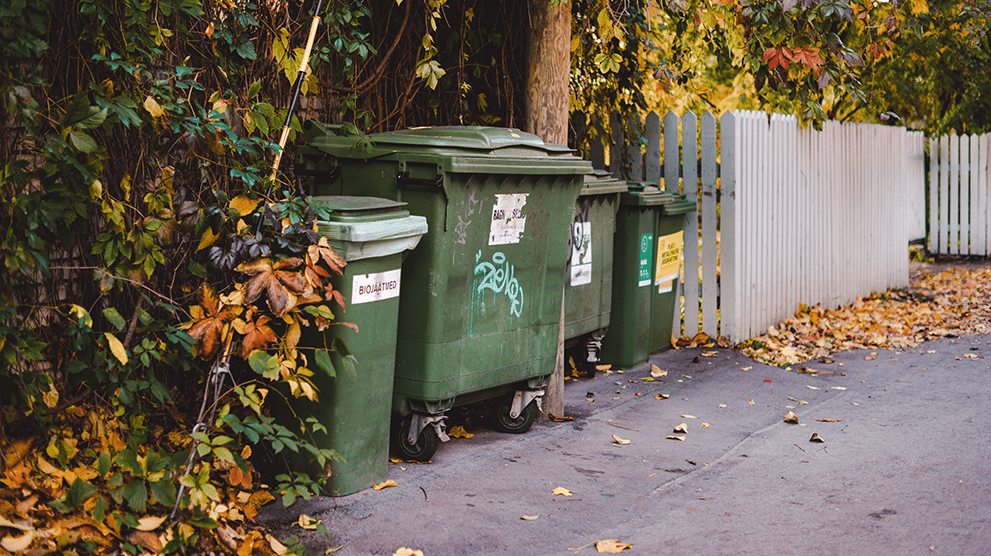
From policy to practice: what it takes to make food waste systems work
The EU continues to strengthen its approach to waste and circular economy. On paper, this makes sense. But in practice, it raises a more difficult question: what does it actually take to make waste systems work?
Biobag is part of Novamont Group, which is proud to be a Certified B Corp™
We are proud to share an important milestone: Biobag Group has been assessed as part of Novamont Group’s B Corp Certification.
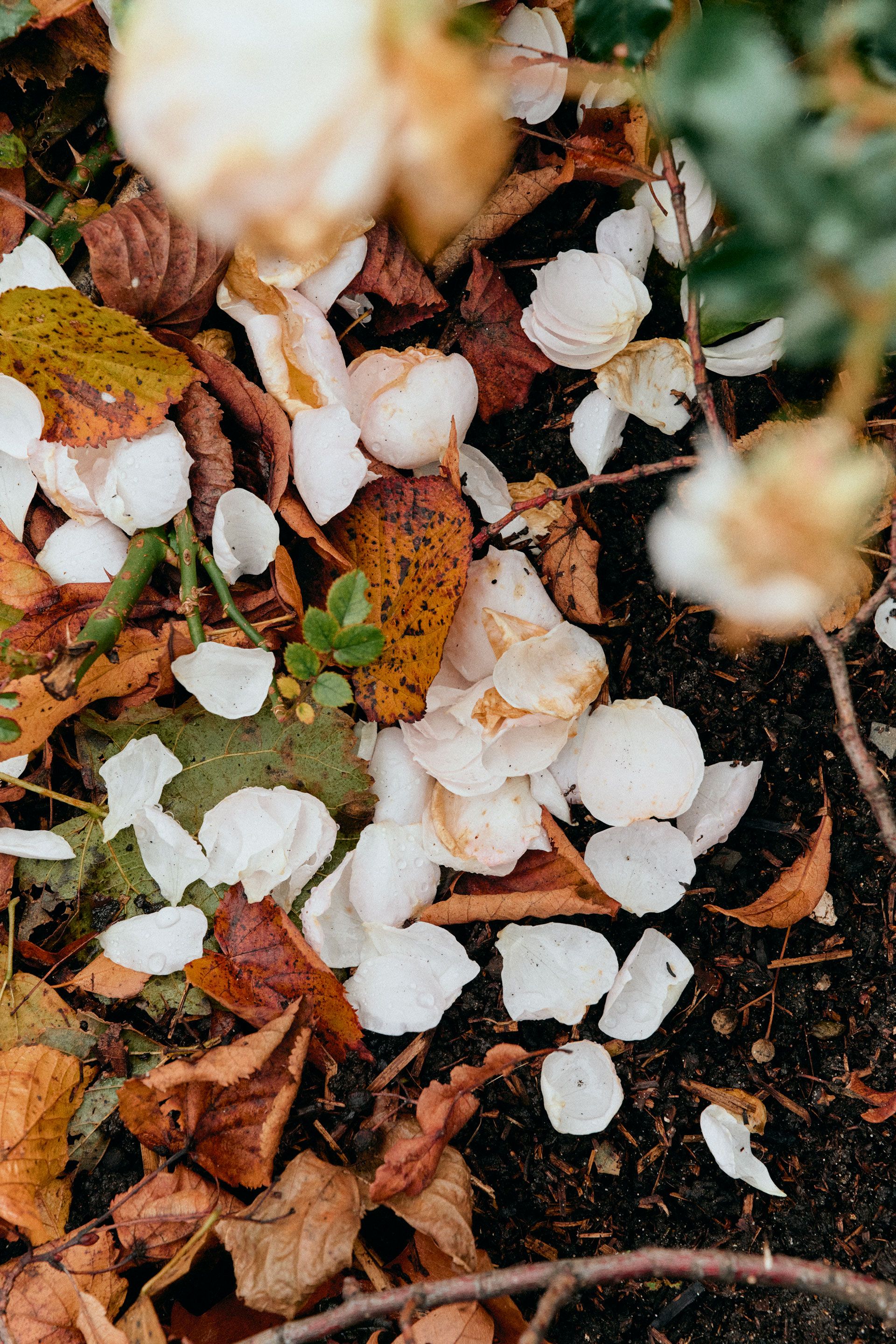
A side order of microplastics, anyone?
Since its invention, humankind has produced an estimated 9.2 billion tonnes of plastic. Around 7 billion tonnes of it has already become waste.
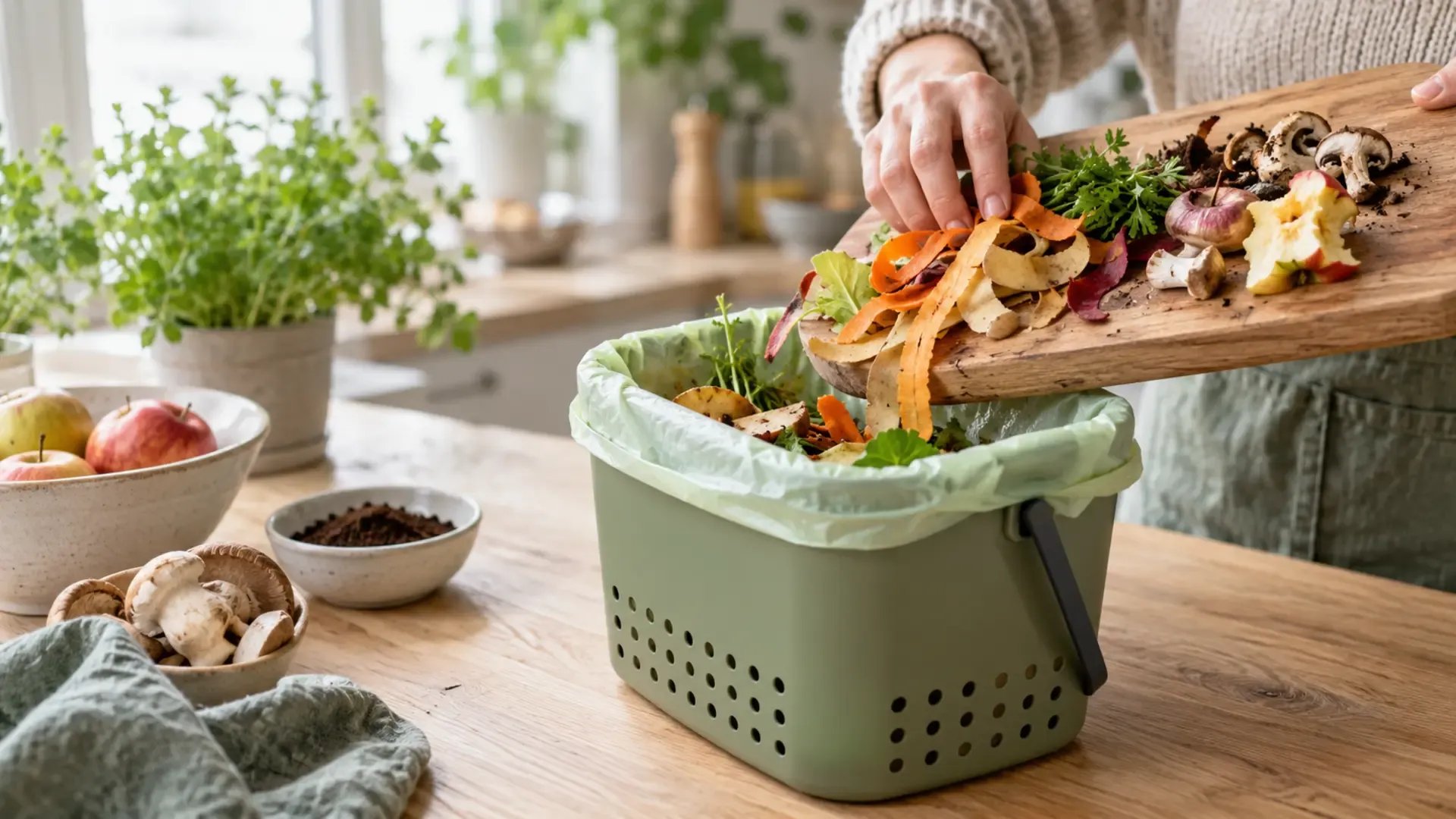
Organic waste: an environmental threat or the best solution ever?
Organic waste is natural. But the amount we generate and what happens to it after disposal can create a serious environmental challenge.
Nine reasons to choose compostable Biobags
Food waste is produced every day. How we collect and treat it determines whether its valuable resources are lost or kept in use.
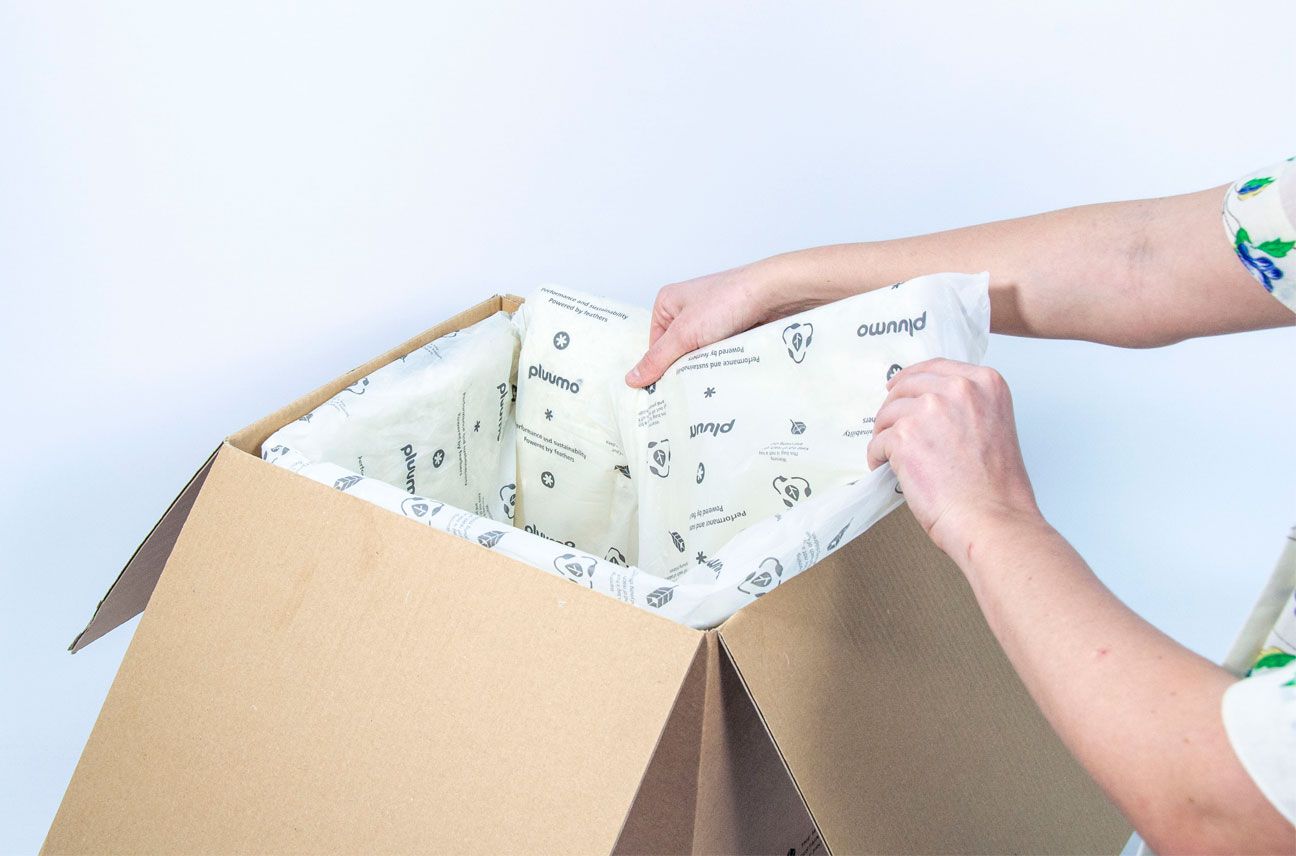
Turning surplus feathers into insulated packaging with compostable film
London-based start-up Aeropowder developed Pluumo, an insulated packaging material made using surplus feathers.
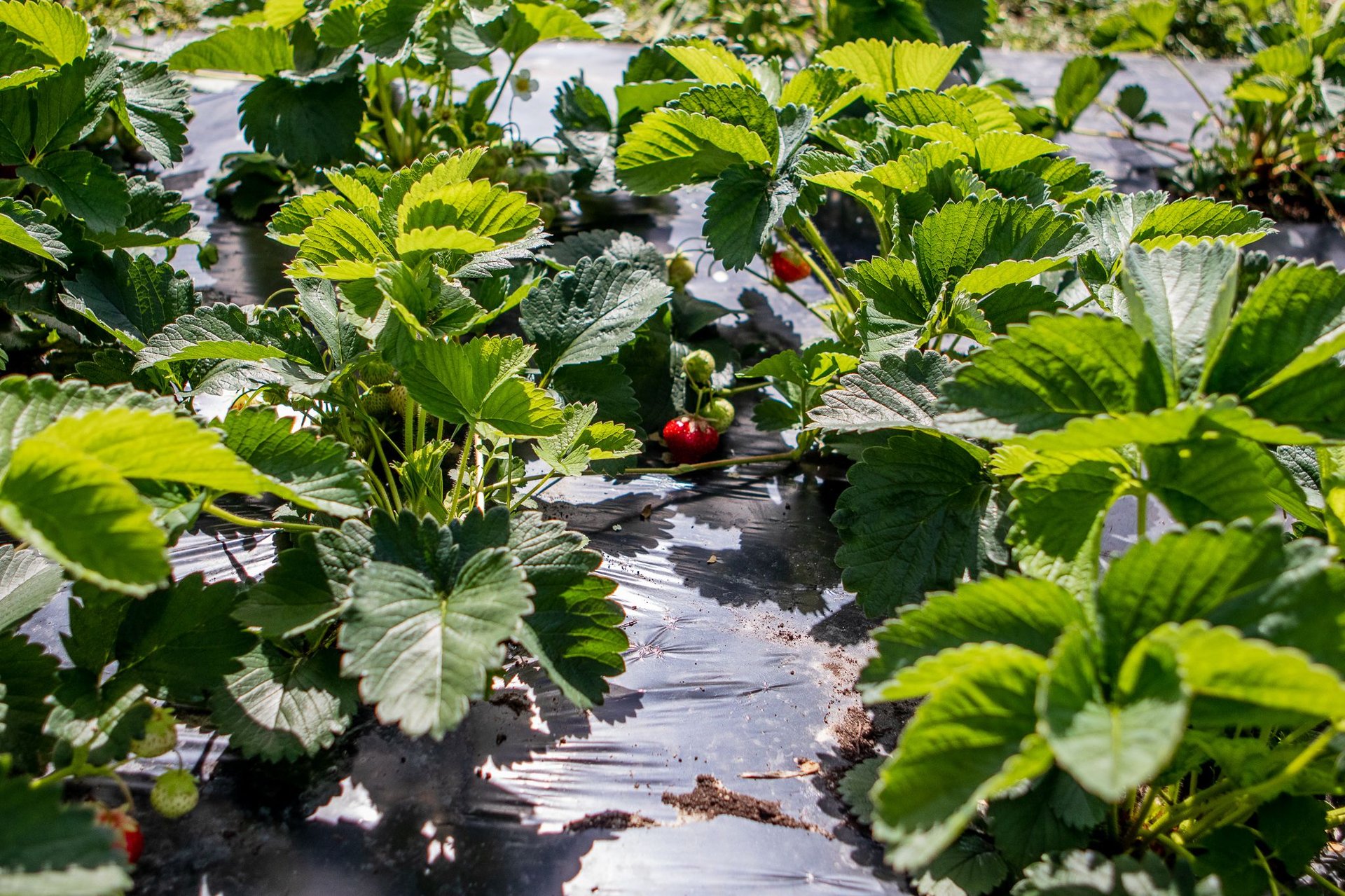
FAO highlights biodegradable alternatives for selected agricultural plastic applications
Plastic has become part of everyday life. Its durability and functionality make it useful in many applications, but plastic that is not properly collected and managed can remain in the environment and contribute to long-term pollution.
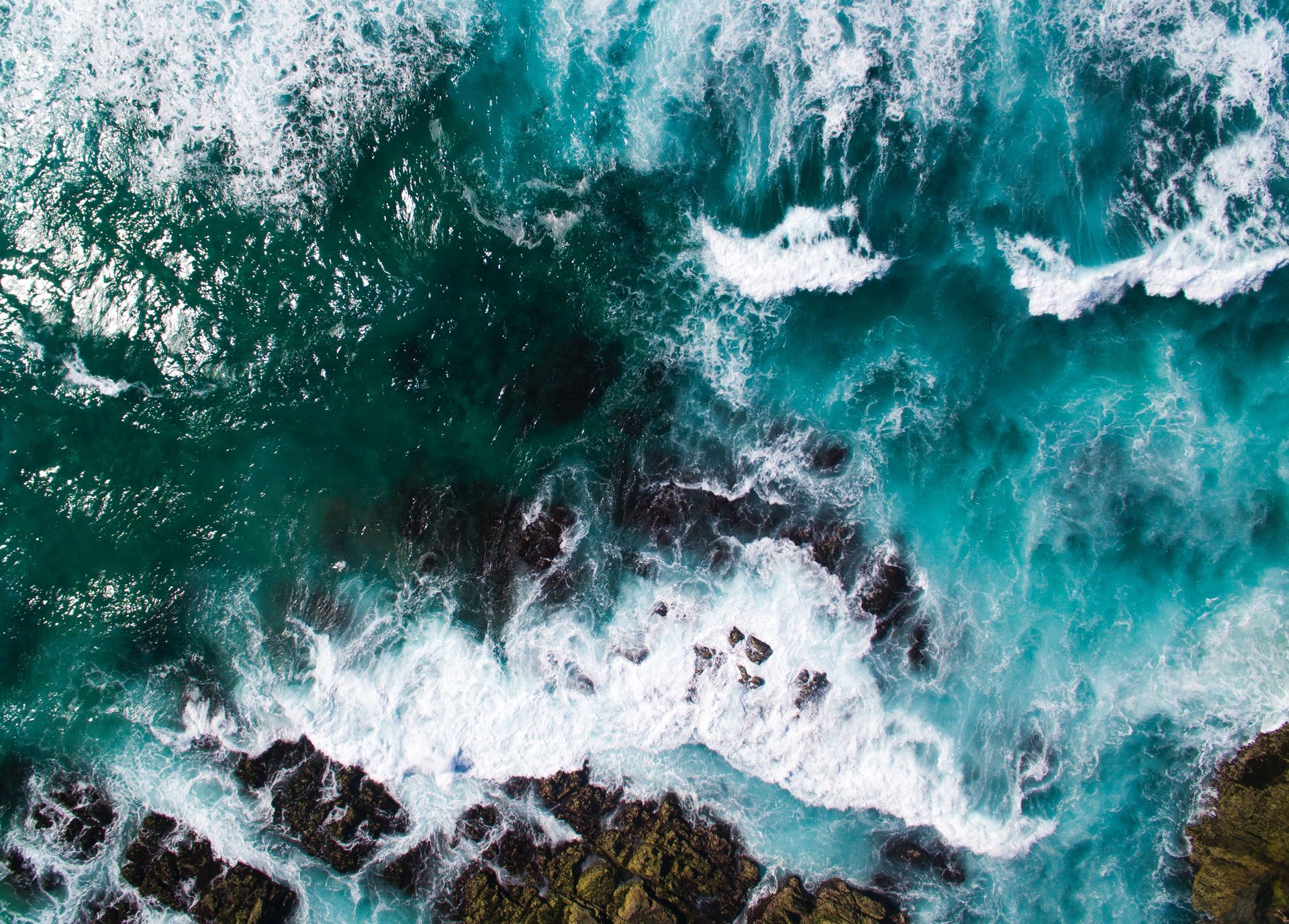
Microplastics are everywhere - but what are the consequences?
Microplastics have been found across the environment, from oceans and rivers to agricultural soil and the air we breathe. Scientists are still working to understand exactly what this means for ecosystems and human health.
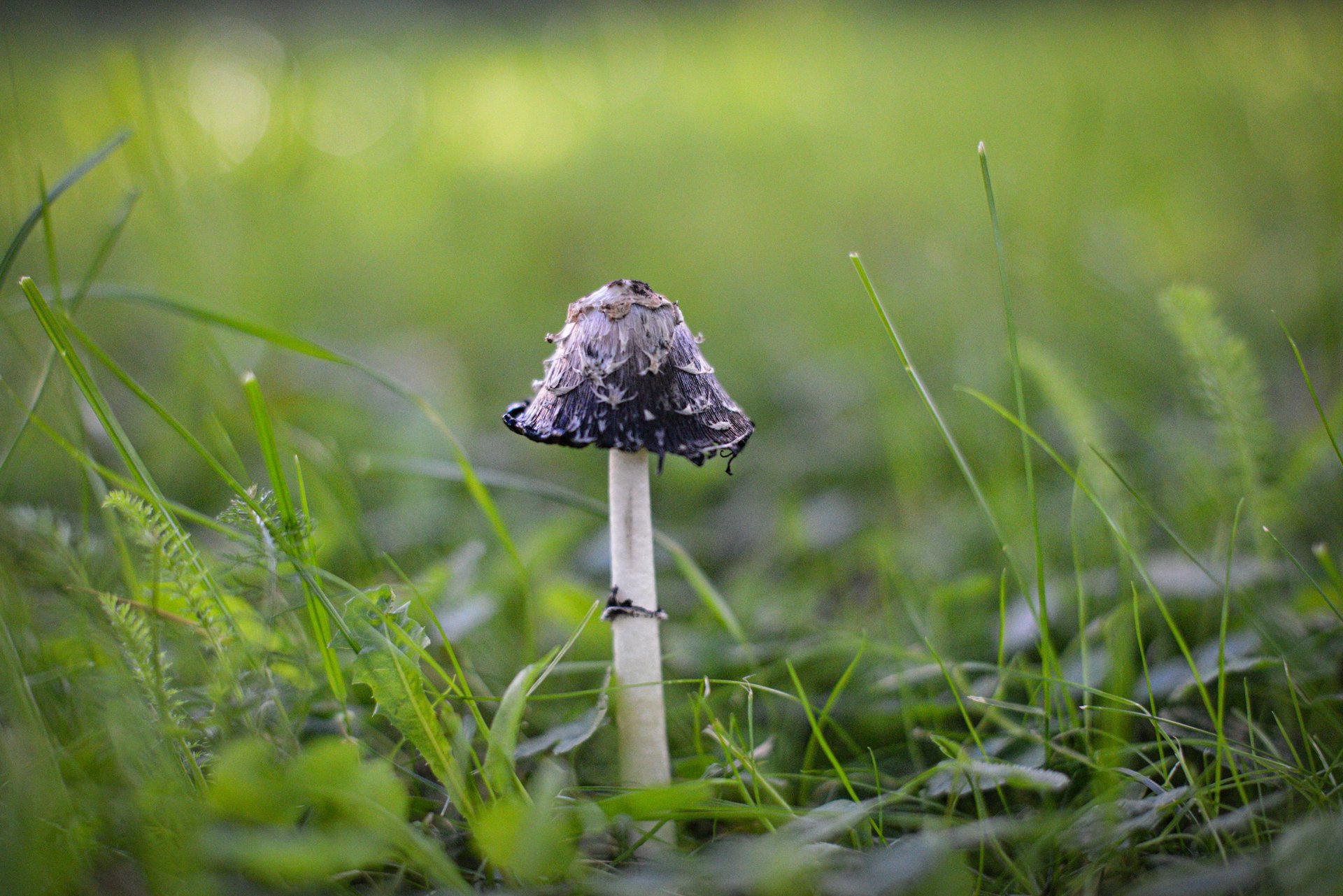
Life depends on healthy soil
Healthy soil supports food production, biodiversity and resilient ecosystems. Keeping organic-waste streams clean is one of the ways we can help protect this valuable resource.
Turn inspiration into action
Our compostable solutions help transform organic waste into renewable energy and nutrient-rich compost to grow new life.